

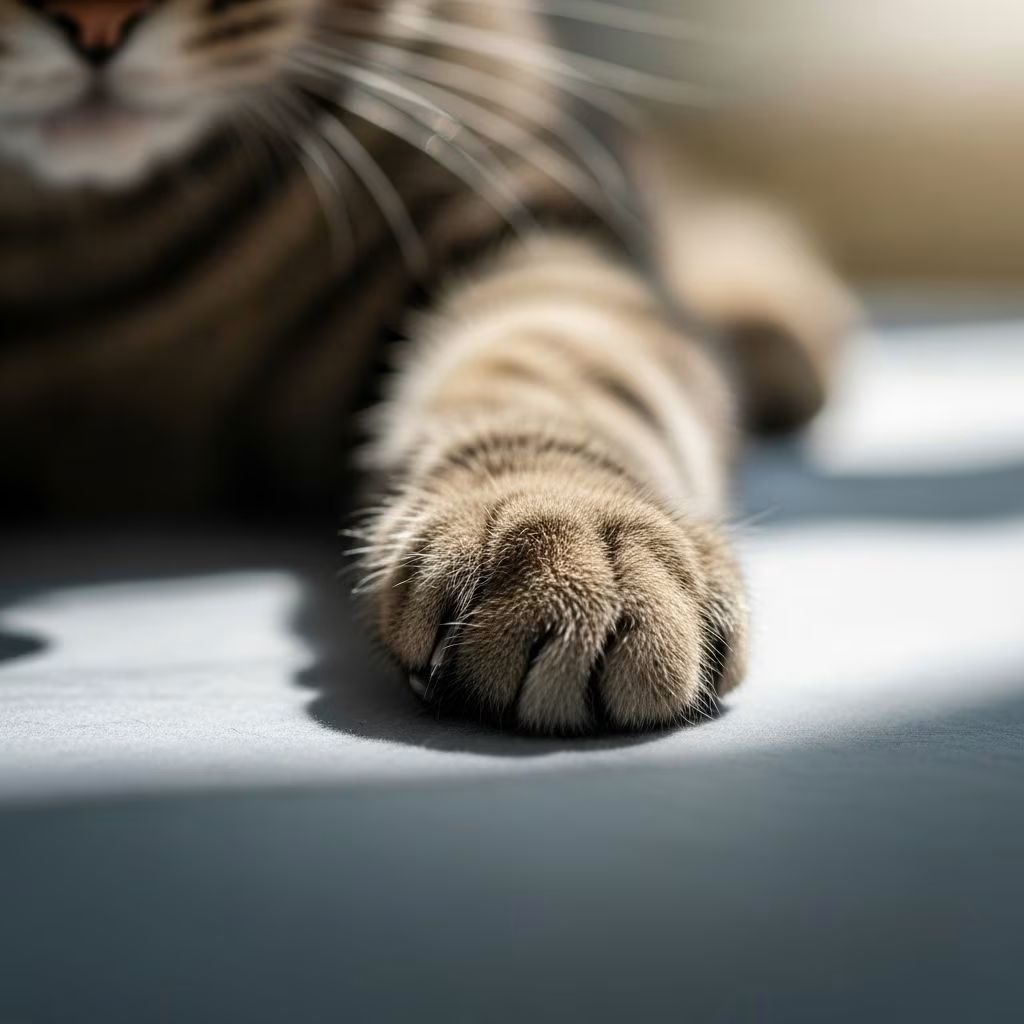
Arthritis is a common condition in cats, particularly seniors, causing joint pain and reduced mobility that often goes unnoticed due to their stoic nature. While there’s no cure, a multimodal approach including medications, supplements, therapies, and environmental changes can significantly improve your cat’s comfort and quality of life.
What is Arthritis in Cats?
**Osteoarthritis (OA)**, the most prevalent form of arthritis in cats, involves progressive degeneration of joint cartilage, leading to bone-on-bone friction, inflammation, and pain. Unlike dogs, cats rarely show obvious limping; instead, they mask discomfort, making early detection challenging. OA affects up to 90% of cats over 12 years old, impacting elbows, hips, knees, and spine.
This chronic disease alters joint structure, causing stiffness, muscle atrophy, and secondary issues like litter box avoidance. Understanding OA helps owners intervene early, preventing further joint damage and enhancing feline well-being.
Causes of Arthritis in Cats
Several factors contribute to feline arthritis development:
- Age-related wear and tear: Natural cartilage breakdown over time is the primary cause in senior cats.
- Obesity: Excess weight stresses joints and promotes systemic inflammation via fat cells, accelerating cartilage loss.
- Joint abnormalities: Congenital issues like hip/elbow dysplasia or luxating patellas lead to malformed joints.
- Injury or trauma: Fractures, dislocations, ligament tears, or soft tissue damage cause instability and secondary OA.
- Genetics: Certain breeds or lines are predisposed to earlier, severe arthritis.
- Other factors: Poor conformation, nutritional deficiencies, or past infections/surgeries.
These elements often interact; for instance, an obese cat with a prior injury faces heightened risk.
Symptoms of Arthritis in Cats
Cats excel at hiding pain, so symptoms are subtle changes in behavior or daily habits. Watch for:
- Reduced activity: Less jumping, hesitancy on stairs, or avoiding high perches.
- Litter box issues: Struggling to enter/exit, missing tray, or producing smaller urine clumps.
- Grooming decline: Matted fur, especially on back/legs, due to pain.
- Mobility changes: Stiff gait, limping (advanced cases), or reluctance to run/play.
- Personality shifts: Irritability, withdrawal, reduced purring, or aggression when touched.
- Posture alterations: Hunched back, lowered head, or tense body.
- Other signs: Licking joints excessively, muscle wasting, or sleep disturbances.
Owners often dismiss these as ‘old age’; veterinary assessment is crucial for confirmation.
How is Arthritis Diagnosed in Cats?
Diagnosis combines history, exam, and imaging:
- Owner questionnaire: Details on behavior changes, mobility, and habits.
- Physical/neurological exam: Assesses gait, joint range, muscle mass, and pain response.
- Imaging: X-rays reveal joint space narrowing, bone spurs, or sclerosis. Advanced cases may use CT/MRI.
- Other tests: Bloodwork rules out metabolic issues; joint fluid analysis if infection suspected.
No single test confirms OA; vets score severity using tools like the Feline Musculoskeletal Pain Index.
Treatment Options for Arthritis in Cats
Treatment is multimodal, focusing on pain relief, inflammation reduction, and mobility support. No cure exists, but combinations yield excellent results.
Medications
- Monoclonal antibodies: **Solensia (frunevetmab)**, FDA-approved 2022, monthly injection targets NGF for long-term pain control without daily dosing. Safe, effective; first-line for many.
- NSAIDs: Robenacoxib (Onsior) or meloxicam reduce inflammation/pain; short-term use due to liver processing in cats.
- Other pain meds: Gabapentin for neuropathic pain; amantadine as adjunct.
Supplements and Nutrition
- Joint supplements: Glucosamine, chondroitin, omega-3s support cartilage, lubricate joints. Liquid/chewable forms easy to administer.
- Weight management: Senior/therapeutic diets promote weight loss, reduce inflammation.
Therapies
| Therapy | Description | Benefits |
|---|---|---|
| Laser therapy | Noninvasive light penetrates tissue | Reduces inflammation/pain; well-tolerated |
| Physical rehab | Exercises, PROM, hydrotherapy | Builds muscle, improves mobility/balance |
| Acupuncture/massage | Needles/targeted pressure | Pain relief, muscle support |
| tPEMF/Assisi Loop | Magnetic fields | Anti-inflammatory at home |
| Stem cells | Autologous injection | Promising for inflammation reduction |
Surgery rare, for severe instability.
Home Management and Environmental Adaptations
Support vet care with home tweaks:
- Litter box: Low-sided, large trays; multiple locations.
- Access ramps/steps: For beds, couches; pet stairs.
- Soft bedding: Orthopedic foam mats.
- Grooming aid: Brush gently; long-haired cats need help.
- Exercise: Gentle play, laser pointers; avoid jumps.
- Warmth: Heated beds ease stiffness.
Track progress with pain scales; regular vet check-ins essential.
Prevention of Arthritis in Cats
Minimize risks:
- Maintain ideal weight via portion control, activity.
- Neutering at appropriate age to avoid obesity.
- Puppyhood joint health: Balanced diet, avoid trauma.
- Regular exams: Early detection via senior wellness.
- Supplements proactively in at-risk cats.
FAQs
Can young cats get arthritis?
Yes, from injury, genetics, or dysplasia, though rare vs. seniors.
Is Solensia safe for all cats?
Generally yes; vet assesses for heart/kidney issues. Monthly injection simplifies care.
How effective is laser therapy?
Highly; reduces pain/inflammation quickly, non-invasive.
Can diet alone manage arthritis?
No, but weight loss diets are key adjunct to meds/therapies.
When is surgery needed?
Rarely; for fractures or severe dysplasia unresponsive to conservative care.
References
- Feline Arthritis Do’s and Don’ts — Fairfax Veterinary Clinic. 2023. https://fairfaxvet.com/feline-arthritis-dos-and-donts/
- Managing Arthritis Pain in Cats — Aloha Veterinary Hospital. 2024. https://alohavethospitaloc.com/managing-arthritis-pain-in-cats/
- Signs of Arthritis in Cats | Symptoms and Treatment — Medivet Group. 2023. https://www.medivetgroup.com/pet-care/pet-advice/arthritis-in-cats/
- 9 Treatments for Arthritis in Cats: Medications and More — GoodRx. 2024. https://www.goodrx.com/pet-health/cat/arthritis-treatment
- Arthritis In Cats — Blue Cross. 2023. https://www.bluecross.org.uk/advice/cat/health-and-injuries/arthritis-in-cats
- Arthritis Management — The Cat’s Meow Veterinary Hospital. 2024. https://www.catsmeowvets.com/cat-health-info/arthritis
- Arthritis in Cats and Dogs: Understanding and Managing the Condition — MedVet. 2024. https://www.medvet.com/arthritis-in-cats-and-dogs/



