

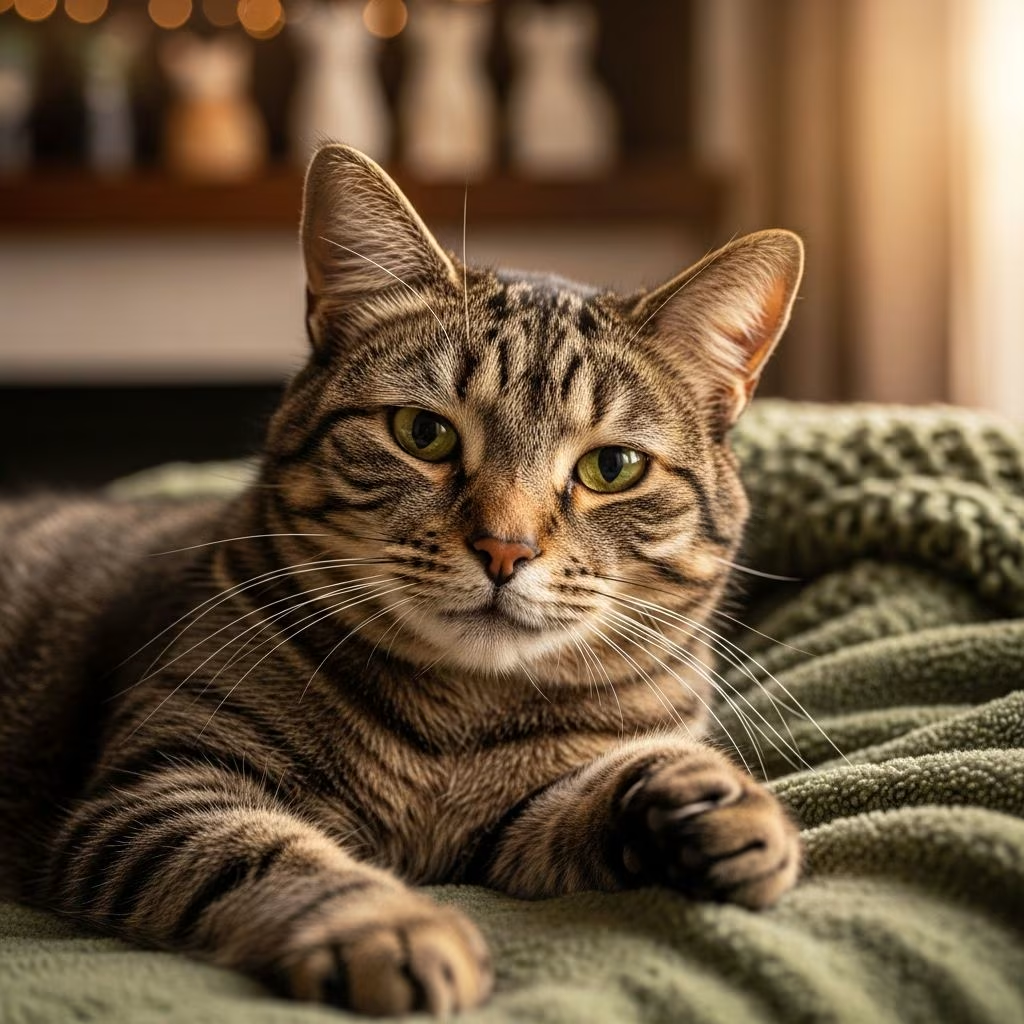
Understanding Arthritis in Cats
Arthritis is a common condition affecting many cats, particularly as they age. While arthritis was once thought to be rare in cats, veterinary research has revealed that it is far more prevalent than previously believed. Osteoarthritis, also known as degenerative joint disease, affects the joints and occurs when the cartilage that cushions the bones within the joints gradually deteriorates. This degenerative process leads to inflammation, pain, and reduced mobility in affected cats. Unlike inflammatory arthritis, which occurs much less frequently in cats, osteoarthritis typically causes gradual changes in behavior and lifestyle rather than severe lameness. Understanding this condition is essential for cat owners to recognize early signs and seek appropriate veterinary care.
What Causes Arthritis in Cats?
There is no single cause of arthritis in cats. Rather, multiple factors influence its initiation and development, making it a complex condition with various contributing elements. Understanding these causes can help cat owners take preventive measures and recognize risk factors in their pets.
Age-Related Wear and Tear
The most common cause of arthritis in cats is simply wear and tear on the joints as they age. The cartilage that protects joint surfaces gradually deteriorates over time, leading to the characteristic changes associated with osteoarthritis. This natural aging process affects many older cats, making arthritis one of the most prevalent age-related conditions in feline medicine.
Body Conformation and Weight
How a cat is physically built significantly influences the likelihood of developing arthritis. Cats with poor body conformation—the shape and structure of their body—may be predisposed to joint problems. Additionally, body condition and weight play crucial roles in arthritis development. Excess weight and obesity are highly correlated with osteoarthritis, as they place additional stress on the joints and accelerate cartilage degradation. Maintaining a healthy weight through proper nutrition and exercise is one of the most important preventive measures cat owners can implement.
Abnormal Joint Development
Some cats are born with or develop abnormalities in their joints that predispose them to arthritis. Hip dysplasia and elbow dysplasia are common developmental abnormalities where the joint does not form properly, leading to uneven surfaces and increased wear on the cartilage. Luxating patellas, a condition where the kneecap dislocates, can also contribute to early-onset arthritis. Certain cat breeds, including Maine Coons, Persians, Scottish Folds, and Siamese cats, have an increased risk of arthritis due to abnormal development of their cartilage or hips.
Injury and Trauma
Past injuries can significantly increase the risk of developing arthritis later in life. Fractures, ligament damage, muscle injuries, joint infections, or damage to cartilage can all lead to the development of osteoarthritis over time. Even after the initial injury has healed, the joint may remain vulnerable to degenerative changes years later.
Orthopedic Surgery and Nutritional Factors
Orthopedic surgery, while often necessary to address acute joint problems, can sometimes contribute to arthritis development. Additionally, a cat’s nutritional history throughout their life can influence joint health and the likelihood of developing arthritis.
Signs and Symptoms of Arthritis in Cats
Recognizing the signs of arthritis in cats can be challenging, as cats are naturally stoic animals and often hide their pain. However, observant cat owners can notice behavioral and physical changes that may indicate joint problems. Early recognition of these symptoms allows for prompt veterinary intervention and better management of the condition.
Behavioral Changes
One of the most common signs of arthritis is a decrease in activity level. Arthritic cats may spend more time sleeping or resting and show less interest in play and exercise. They may become reluctant to jump or climb, preferring to stay at ground level. Some cats develop behavior changes related to pain, such as appearing irritable, avoiding being stroked, or even growling when touched. Cats with arthritis may also become less social and spend more time hiding or isolating themselves.
Mobility Issues
Stiffness is a hallmark sign of arthritis, particularly noticeable when a cat first wakes up or after periods of rest. Affected cats may have difficulty jumping onto or off furniture, climbing stairs, or entering the litter box. Some cats may adopt an abnormal gait or show lameness in one or more limbs. Movement that was once fluid and graceful becomes slow and deliberate.
Grooming and Hygiene Changes
Cats with arthritis often struggle with grooming, particularly in hard-to-reach areas such as their back, back legs, and the base of their tail. This can result in matted fur, which becomes increasingly difficult for the cat to manage. Due to reduced mobility and difficulty grooming painful joints, some cats develop alopecia (hair loss) from overgrooming specific areas or may have stained fur from poor hygiene maintenance. Additionally, cats may stop using scratching posts as frequently, leading to overgrown claws.
Joint and Physical Signs
In some cases, swollen or painful joints may be visibly apparent. Cats may show clear signs of discomfort when certain joints are touched or manipulated. Some cats develop heat around affected joints, which may be detectable by touch.
Diagnosis of Feline Arthritis
If you suspect your cat has arthritis, a licensed veterinarian can help determine whether your cat is affected and recommend an appropriate treatment plan. Diagnosis typically begins with a thorough physical examination and history. Your veterinarian will assess your cat’s mobility, evaluate joint flexibility, and look for signs of pain or swelling. They may also recommend radiographic imaging, such as X-rays, to visualize the joints and confirm the presence of arthritis. These images can reveal characteristic changes associated with osteoarthritis, including bone remodeling, cartilage loss, and joint space narrowing.
Treatment Options for Arthritis in Cats
Although there is no cure for arthritis, the pain and discomfort can be effectively managed through various treatment approaches. A comprehensive treatment plan often combines multiple strategies tailored to your individual cat’s needs and response to therapy.
Anti-Inflammatory and Pain Management Medications
Non-steroidal anti-inflammatory drugs (NSAIDs) are the most common and often most effective treatment for cat arthritis. These medications work by reducing both pain and inflammation, helping to improve your cat’s mobility and quality of life. Common NSAIDs prescribed for cats include meloxicam and Onsior, which are specifically formulated for feline use. Anti-inflammatory medication can be administered in daily liquid or tablet form, and if you struggle to give your cat tablets, you can often mix the medication with food. In some cases where NSAIDs are not appropriate or not sufficient, veterinarians may prescribe additional pain management medications. It is crucial never to give your cat medication without consulting with your veterinarian first, as these drugs require proper dosing and monitoring.
Injectable Joint Protectants
Injectable joint protectants represent an innovative approach to arthritis management in cats. These injections contain glycosaminoglycans and other compounds that help protect and repair joint cartilage. Treatments such as Cartrophen, which contains pentosan polysulfate sodium (PPS), aid in diminishing inflammation, supporting cartilage repair, and enhancing joint function. These injections are typically administered every four weeks or as recommended by your veterinarian. Injectable protectants are particularly beneficial for cats that struggle with oral medications and can provide relief from arthritic pain while boosting mobility and overall well-being.
Joint Supplements and Specialized Diets
Your veterinarian may recommend joint supplements or special diets to support your cat’s joint health alongside medication. Omega fatty acids have been shown to have anti-inflammatory properties and can support joint function. Supplements containing glucosamine and chondroitin may help protect cartilage and reduce inflammation. A high-quality diet appropriate for your cat’s life stage and health status is essential for overall joint health.
Physical Therapy and Rehabilitation
Physical medicine disciplines can provide excellent pain relief and improved function for many cats with arthritis. Medical acupuncture, an ancient healing practice from Chinese medicine, involves placing needles at specific points in the body to relieve pain and promote healing. Research suggests that acupuncture can be particularly effective for cats with arthritis, though clinical studies remain limited. Additionally, other physical medicine disciplines like chiropractic care and medical massage may be helpful in managing arthritis symptoms and improving mobility.
Physical rehabilitation is a specialized discipline that translates physical therapy techniques from human medicine to animal patients. These techniques include therapeutic lasers, therapeutic exercises, joint mobilization, and hydrotherapy using an underwater treadmill. Hydrotherapy is particularly beneficial as the water supports the cat’s weight while allowing for gentle exercise that strengthens muscles without straining arthritic joints. Your veterinarian can refer you to a rehabilitation specialist if this type of therapy is appropriate for your cat.
Advanced Therapeutic Technologies
Cold laser therapy, also known as photobiomodulation (PBMT), is a noninvasive and painless treatment option for arthritis. This treatment involves a veterinarian moving a small device that emits therapeutic light waves across your pet’s body, working through the fur. Research has shown that this type of treatment can ease pain and decrease inflammation in arthritic joints. Additionally, new stem cell therapy is becoming increasingly available, with seemingly promising results for managing arthritis in cats, though this remains a more specialized and advanced treatment option.
Environmental Modifications
Beyond medical interventions, modifying your home environment can significantly improve your arthritic cat’s quality of life. Provide litter boxes that are easy to access with low sides, reducing the need to jump or climb. Place food and water bowls on elevated platforms to minimize joint stress. Provide soft, comfortable bedding in easily accessible areas where your cat can rest. Ramps or steps can help arthritic cats access their favorite perches without having to jump. Maintaining a warm, draft-free environment can help reduce joint stiffness and discomfort.
Managing Your Cat’s Arthritis
Effective arthritis management requires a partnership between you and your veterinarian. Regular veterinary check-ups are essential to monitor your cat’s condition, evaluate the effectiveness of current treatments, and adjust the treatment plan as needed. Keep detailed notes of your cat’s behavior, mobility, and any changes you observe, as this information is valuable for your veterinarian in assessing how well the current treatment is working.
Maintaining a healthy weight through appropriate nutrition and regular gentle exercise is one of the most important things you can do for an arthritic cat. Encourage low-impact activities like gentle play sessions and walking, avoiding high-impact activities that stress the joints. Keep your home comfortable and safe, removing obstacles and providing easy access to areas your cat frequents.
Frequently Asked Questions About Cat Arthritis
Q: At what age do cats typically develop arthritis?
A: Arthritis can develop at any age, but it is most common in older cats. However, younger cats with predisposing factors, such as hip dysplasia or previous injuries, may develop arthritis earlier. Some cats show signs as early as their middle years.
Q: Can arthritis in cats be prevented?
A: While you cannot completely prevent arthritis, you can reduce the risk by maintaining a healthy weight, providing regular gentle exercise, ensuring proper nutrition, and promptly treating joint injuries. Early intervention in cats with congenital conditions like hip dysplasia may also help delay or reduce the severity of arthritis.
Q: Is arthritis in cats painful?
A: Yes, arthritis causes pain and inflammation in affected joints. Cats are stoic and often hide their pain, so it may not be immediately obvious. However, subtle behavioral changes can indicate that your cat is experiencing discomfort.
Q: How long can a cat live with arthritis?
A: With appropriate management and treatment, cats can live many years with arthritis. The goal of treatment is to manage pain, maintain mobility, and preserve quality of life. Many arthritic cats live comfortably with their owners and continue to enjoy life with proper care.
Q: What is the difference between arthritis and other joint diseases in cats?
A: Osteoarthritis is a degenerative, non-inflammatory joint disease caused primarily by wear and tear. Inflammatory arthritis, which occurs much less frequently in cats, is nearly always associated with debilitating lameness and may have infectious or immune-mediated causes. Your veterinarian can distinguish between these conditions through examination and diagnostic testing.
Q: Should I give my cat supplements for arthritis without veterinary advice?
A: No, you should always consult with your veterinarian before giving your cat any supplements or medications. Your veterinarian can recommend appropriate supplements based on your cat’s specific needs and ensure they do not interact with other medications your cat may be taking.
References
- Inflammatory joint disease in cats: Diagnostic approach and treatment — National Center for Biotechnology Information (NCBI). 2024. https://pmc.ncbi.nlm.nih.gov/articles/PMC11148886/
- Arthritis in Cats — VCA Animal Hospitals. https://vcahospitals.com/know-your-pet/arthritis-in-cats
- Cat Arthritis Symptoms, Pain Relief, Treatments, and Types — WebMD. https://www.webmd.com/pets/cats/cat-arthritis-symptoms-pain-relief
- Arthritis in Cats — Blue Cross UK. https://www.bluecross.org.uk/advice/cat/health-and-injuries/arthritis-in-cats
- Arthritis in cats — PDSA. https://www.pdsa.org.uk/pet-help-and-advice/pet-health-hub/conditions/arthritis-in-cats
- Arthritis in Cats & Dogs | Treatment & Prevention — Evervet. https://www.evervet.com.au/arthritis
- Arthritis in Cats — PetMD. https://www.petmd.com/cat/conditions/musculoskeletal/arthritis-cats



