

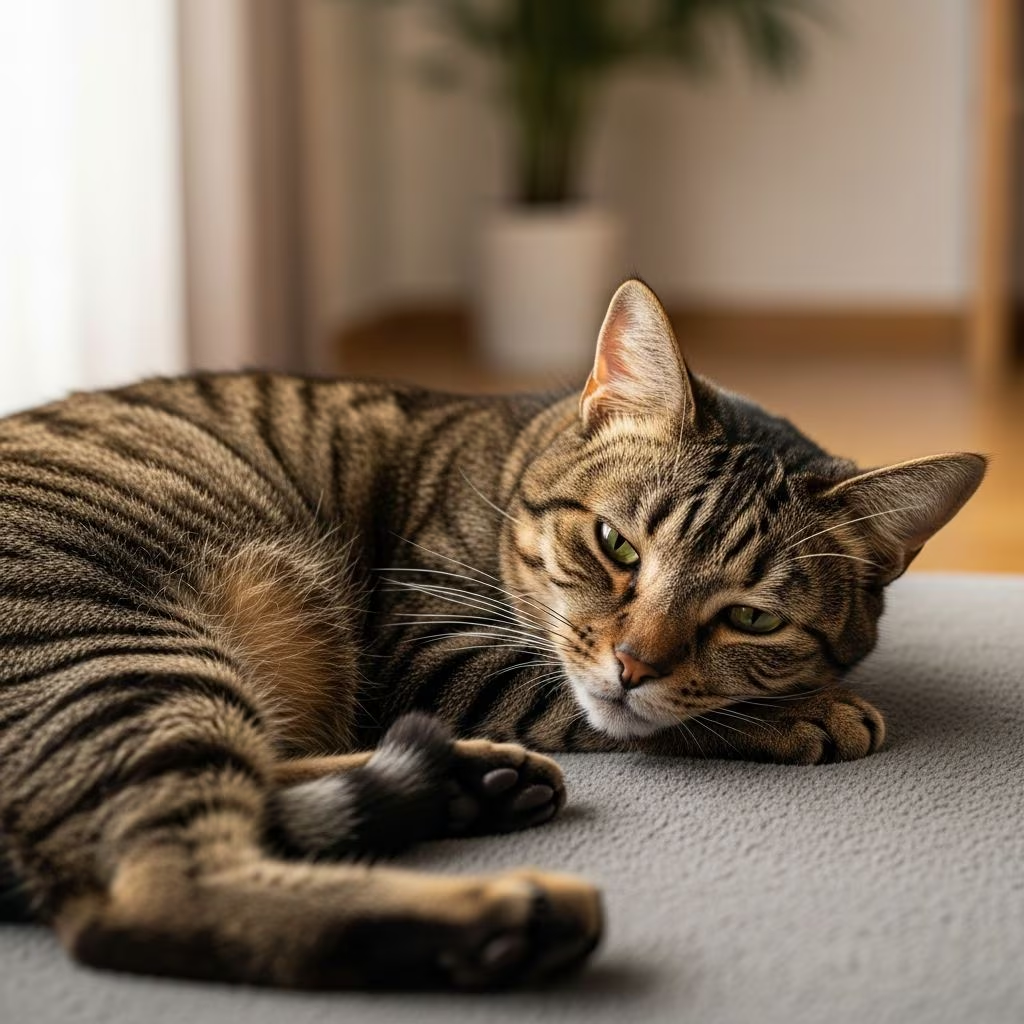
Arthritis, or osteoarthritis (OA), is a common condition in cats that causes chronic joint pain and inflammation, significantly impacting their quality of life. While often associated with aging, it can affect cats of any age, with up to 90% of senior cats showing signs of joint degeneration. Unlike dogs, cats hide their pain well, making early detection challenging but crucial for effective management.
What Is Arthritis in Cats?
Arthritis in cats occurs when the protective cartilage between joints wears down, leading to bone-on-bone friction, inflammation, and pain. This degenerative joint disease progresses over time, causing stiffness, reduced mobility, and discomfort. Feline arthritis primarily affects weight-bearing joints like elbows, hips, knees, and the spine. There is no cure, but multimodal treatments can greatly alleviate symptoms and help cats maintain an active lifestyle.
Causes of Arthritis in Cats
Several factors contribute to the development of arthritis in cats. Understanding these helps in prevention and early intervention.
- Age: The most common cause, as natural wear and tear accumulates over time. Senior cats over 10 years are particularly prone.
- Obesity: Excess weight stresses joints and promotes systemic inflammation from fat cells, accelerating cartilage breakdown.
- Injury or Trauma: Fractures, dislocations, ligament tears, or soft tissue injuries alter joint alignment, leading to abnormal wear.
- Joint Abnormalities: Congenital issues like hip dysplasia, elbow dysplasia, or luxating patellas cause malformed joints.
- Genetics: Some breeds or lines are predisposed to earlier or severe arthritis.
- Poor Conformation: Abnormal body structure increases joint stress.
These factors often interact; for example, an obese cat with a past injury faces higher risk.
Signs and Symptoms of Arthritis in Cats
Cats are masters of masking pain to avoid appearing vulnerable, so symptoms are subtle and often mistaken for ‘normal aging.’ Watch for these key indicators:
- Reduced activity: Less jumping, reluctance to climb stairs or furniture, or avoiding high places.
- Mobility changes: Stiff gait, limping, or difficulty rising from resting positions.
- Litter box issues: Struggling to enter/exit the box, accidents outside it, or straining to squat.
- Grooming decline: Matted fur, especially on back or hindquarters, due to pain reaching those areas.
- Behavioral shifts: Increased irritability, hiding, reduced play, or aggression when touched.
- Posture alterations: Hunched back, lowered head, or ‘bunny hopping’ gait.
- Appetite or sleep changes: Eating less or sleeping more to cope with discomfort.
Early signs may be intermittent, worsening with weather changes or after rest. If noticed, consult a vet promptly.
How Is Arthritis in Cats Diagnosed?
Diagnosis starts with a thorough history and physical exam, assessing gait, joint range of motion, and pain responses. Vets may use:
- Orthopedic Exam: Palpation to detect joint swelling, crepitus (grinding), or muscle atrophy.
- X-rays: Primary imaging tool showing joint space narrowing, bone spurs, or misalignment.
- Advanced Imaging: CT or MRI for complex cases.
- Bloodwork: To rule out infections or other diseases mimicking arthritis.
No single test confirms OA; it’s based on clinical signs and ruling out alternatives like infections or tumors.
Treatment Options for Arthritis in Cats
Treatment is multimodal, combining medications, therapies, and lifestyle changes for optimal pain relief and mobility.
Medications
- Monoclonal Antibodies: Solensia (frunevetmab), FDA-approved in 2022, is a monthly injection targeting nerve growth factor (NGF) to block pain signals. Safe for long-term use, highly effective.
- NSAIDs: Robenacoxib (Onsior) or meloxicam reduce inflammation and pain. Used short-term due to liver processing in cats.
- Pain Relievers: Gabapentin or amantadine for neuropathic pain, often combined.
Supplements and Nutrition
- Joint Supplements: Glucosamine, chondroitin, omega-3s support cartilage repair and reduce inflammation. Liquid or chewable forms are cat-friendly.
- Weight Management Diets: Low-calorie, anti-inflammatory formulas aid weight loss to lessen joint burden.
Physical and Alternative Therapies
| Therapy | Description | Benefits |
|---|---|---|
| Laser Therapy | Low-level light penetrates tissue to reduce inflammation | Pain relief, improved healing; noninvasive |
| Physical Therapy | Exercises, PROM, hydrotherapy | Builds muscle, improves balance/mobility |
| Acupuncture/Massage | Needles or manual manipulation | Pain relief, muscle relaxation |
| tPEMF/Assisi Loop | Pulsed electromagnetic fields | Reduces inflammation at home |
| Stem Cell Therapy | Autologous fat-derived cells injected | Promising for inflammation reduction |
Surgery is rare, reserved for severe injuries like joint salvage.
Home Management and Lifestyle Changes
Support vet treatments with environmental modifications:
- Low-Impact Exercise: Encourage gentle play with toys on the ground; avoid jumping.
- Comfortable Bedding: Orthopedic beds reduce pressure points.
- Accessibility: Ramps/steps for furniture, low-sided litter boxes, multiple boxes.
- Warmth: Heated pads soothe stiff joints.
- Weight Control: Measure portions, use puzzle feeders.
- Grooming Help: Brush regularly to prevent matting.
Monitor progress and report changes to your vet.
Prevention of Arthritis in Cats
While not always preventable, reduce risk by:
- Maintaining ideal weight through diet and exercise.
- Providing balanced nutrition with joint-supporting nutrients.
- Avoiding injuries via safe environments.
- Regular vet checkups for early detection.
- Spaying/neutering to prevent obesity.
Frequently Asked Questions (FAQs)
Can young cats get arthritis?
Yes, trauma, genetics, or congenital issues can cause arthritis in younger cats, though it’s rarer than in seniors.
Is Solensia safe for all cats?
Solensia is FDA-approved and safe for most cats with OA, but consult your vet for individual suitability.
How effective are joint supplements?
They support joint health and may slow progression, best used alongside other therapies.
Will my cat need medication forever?
Many require lifelong management, but combinations allow some to taper meds.
Can diet alone treat arthritis?
No, but weight-loss diets are essential to reduce joint stress.
References
- Feline Arthritis Do’s and Don’ts — Fairfax Veterinary Clinic. 2023. https://fairfaxvet.com/feline-arthritis-dos-and-donts/
- Managing Arthritis Pain in Cats — Aloha Veterinary Hospital. 2024. https://alohavethospitaloc.com/managing-arthritis-pain-in-cats/
- Signs of Arthritis in Cats | Symptoms and Treatment — Medivet Group. 2024. https://www.medivetgroup.com/pet-care/pet-advice/arthritis-in-cats/
- 9 Treatments for Arthritis in Cats: Medications and More — GoodRx. 2024. https://www.goodrx.com/pet-health/cat/arthritis-treatment
- Arthritis in Cats — VCA Animal Hospitals. 2024. https://vcahospitals.com/know-your-pet/arthritis-in-cats
- Arthritis in Cats — PetMD. 2024. https://www.petmd.com/cat/conditions/musculoskeletal/arthritis-cats



