
Arterial Thromboembolism In Pets: Emergency Guide For Owners
Understanding blood clots in dogs and cats: causes, symptoms, emergency care, and prevention strategies for better pet outcomes.
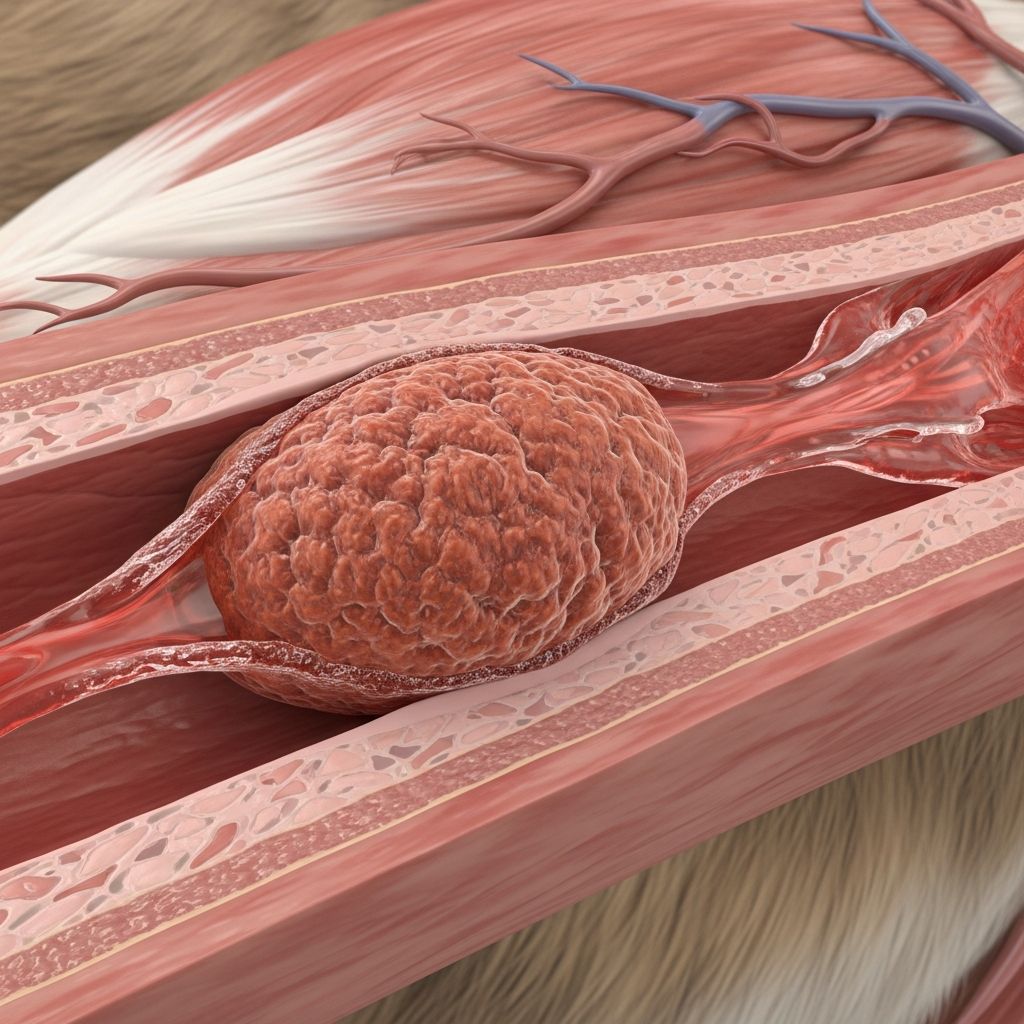
Arterial thromboembolism (ATE) represents a life-threatening blockage of arteries by blood clots in dogs and cats, often stemming from underlying heart conditions. This condition triggers acute ischemia, resulting in severe pain, limb dysfunction, and systemic shock, demanding immediate veterinary intervention.
The Pathophysiology of Blood Clot Formation and Embolization
Blood clots, or thrombi, typically originate in the heart, particularly the left atrium enlarged due to cardiomyopathies. In cats, hypertrophic cardiomyopathy predominates, fostering stagnant blood flow that promotes clot development. These clots can fragment, travel through the bloodstream as emboli, and lodge in narrower arteries like the distal aorta or iliac branches, abruptly halting perfusion to hind limbs or other tissues.
The process extends beyond mechanical obstruction. Emboli provoke intense vasoconstriction in collateral vessels via released vasoactive mediators, exacerbating ischemia. In cats, this cascade often culminates in hypothermic shock, compounded by cardiogenic factors from primary cardiac pathology. Dogs experience similar dynamics, though less frequently, with clots linked to protein-losing nephropathies, endocrine disorders, or sepsis.
Species Differences: Why Cats Face Higher Risk
Cats suffer ATE more commonly than dogs, attributable to the prevalence of myocardial diseases causing left atrial dilation. Studies highlight cardiomyopathy as the primary etiology in felines, contrasting with multifactorial triggers in canines like hyperadrenocorticism, neoplasia, or gastrointestinal dilation-volvulus.
In cats, saddle thrombus at the aortic bifurcation affects both hind limbs symmetrically, while unilateral or forelimb involvement occurs less often. Dogs may present with pulmonary or peripheral arterial occlusions, influenced by their distinct comorbidities.
Recognizing the Signs: Clinical Presentation and Acute Distress
Symptoms emerge suddenly, with cats classically exhibiting posterior paresis or paralysis, dragging hindquarters, vocalizing in agony, and displaying cold, pulseless extremities. Affected limbs feel firm yet icy, with rapid nailbed refill times exceeding normal parameters. Systemic signs include tachypnea, hypothermia, and lethargy from hypoperfusion.
- Hindlimb paralysis: Most frequent in cats, with absent femoral pulses and dragging gait.
- Pain response: Intense initial discomfort, potentially waning as nerves necrose.
- Cardiorespiratory distress: Cyanosis, open-mouth breathing, and shock indicators like weak pulses.
- Other localizations: Forelimb lameness, renal azotemia, or neurological deficits if mesenteric or cerebral arteries are involved.
Dogs mirror these but may show subtler chronic progression, including exercise intolerance or intermittent lameness before acute crisis.
Diagnostic Approaches: Confirming ATE Swiftly
Diagnosis hinges on history, physical exam, and targeted tests. Key findings include discrepant peripheral-central blood glucose (lower in ischemic limbs: ~107 mg/dL median drop in cats, 46 mg/dL in dogs), lactic acidosis, and elevated cardiac biomarkers.
Imaging confirms via Doppler ultrasonography revealing absent distal flow, while echocardiography detects intracardiac thrombi or left atrial enlargement. Bloodwork reveals hyperkalemia from reperfusion risks, azotemia, and thromboembolism panels assessing protein C/S deficiencies.
| Test | Purpose | Key Indicators |
|---|---|---|
| Blood Glucose Differential | Ischemia Detection | Peripheral < Central by >40 mg/dL |
| Doppler Ultrasound | Vascular Flow | Absent Pulses Distal to Occlusion |
| Echocardiography | Cardiac Source | Left Atrial Enlargement, Thrombi |
| Blood Gas Analysis | Shock Assessment | Hypoxemia, Increased A-a Gradient |
Emergency Stabilization: Prioritizing Pain and Perfusion
Initial management targets shock, pain, and thromboembolism propagation. Fluid therapy restores volume cautiously to avoid overload in cardiac patients, while analgesics like opioids (fentanyl CRI) alleviate suffering without vasodilating effects.
Anticoagulation commences promptly: heparin (dogs: 150-300 U/kg SC q6-8h; cats: 200-300 U/kg SC) or low-molecular-weight alternatives. Clopidogrel (18.75 mg PO q24h cats; 2-4 mg/kg dogs) inhibits platelet aggregation, favored for long-term use. Thrombolytics such as tPA are contraindicated due to reperfusion hyperkalemia and null survival benefits.
Long-Term Management: Preventing Recurrence
Post-stabilization, address underlying cardiomyopathy with beta-blockers, ACE inhibitors, or pimobendan. Asymptomatic cats with moderate-severe left atrial enlargement (stage B2) warrant clopidogrel prophylaxis per guidelines.
Monitoring includes serial echoes, coagulation profiles, and limb function assessments. Recurrence risks remain high (up to 50% in cats), but early intervention boosts quality of life.
Prognosis Insights: Survival and Quality of Life Factors
Short-term survival hovers at 30-50% in cats, better in dogs (~60-70%), influenced by clot location, timeliness of care, and cardiac status. Euthanasia rates peak at presentation due to distress, but survivors often regain ambulation within days.
Poor predictors include hyperkalemia >8 mEq/L, severe azotemia, or neoplasia. Long-term, underlying heart failure limits median survival to months, underscoring prevention.
Prevention Strategies for At-Risk Pets
High-risk cats (cardiomyopathy with LA enlargement) benefit from antiplatelet therapy: clopidogrel ± aspirin. Dogs with predisposing conditions require tailored anticoagulation.
Regular cardiac screenings via auscultation, radiographs, and echoes enable early detection. Lifestyle factors like obesity control mitigate cardiac strain.
Frequently Asked Questions (FAQs)
What causes sudden hind leg paralysis in my cat?
Most often aortic thromboembolism from heart disease, blocking blood to rear limbs.
Is ATE curable in dogs and cats?
Not curable, but manageable with anticoagulation and cardiac therapy to prevent repeats.
Should I rush my pet to the ER for suspected ATE?
Yes, it’s a medical emergency; delay worsens outcomes.
Can thrombolytic drugs dissolve the clot safely?
No, they risk fatal complications like hyperkalemia and lack proven benefits.
How do I prevent ATE in my heart disease pet?
Follow vet-prescribed antiplatelets like clopidogrel and monitor cardiac health regularly.
Key Takeaways for Pet Owners
- ATE strikes fast, primarily cats via cardiomyopathy-derived clots.
- Seek immediate care for paralysis, pain, cold limbs.
- Anticoagulants are cornerstone; avoid thrombolytics.
- Prognosis improves with prompt, comprehensive care.
References
- The clot thickens: Thromboembolic disease in dogs and cats — VetBloom. 2023. https://vetbloom.com/thromboembolic-disease/
- Feline Arterial Thromboembolism — Today’s Veterinary Practice. 2022-10-01. https://todaysveterinarypractice.com/cardiology/feline-arterial-thromboembolism/
- Feline Arterial Thromboembolism — CVCA Cardiac Care for Pets. 2024. https://www.cvcavets.com/patient-resources/cardiac-conditions/feline-arterial-thromboembolism
- Feline Arterial Thromboembolism (FATE) in Cats — VetSpecialists.com. 2022-08-18. https://www.vetspecialists.com/vet-blog-landing/animal-health-articles/2022/08/18/feline-arterial-thromboembolism-(fate)
- Arterial Thromboembolism — MSPCA-Angell. 2023. https://www.mspca.org/angell_services/arterial-thromboembolism/
- A Case Report of Aortic Thromboembolism in the Canine — Mississippi State University College of Veterinary Medicine. 2019-01-18. https://www.vetmed.msstate.edu/sites/www.vetmed.msstate.edu/files/presentations/1.18.19%20A%20Case%20Report%20of%20Aortic%20Thromboembolism%20in%20the%20Canine%20(Alicia%20Pownall).pdf
Similar Articles








Read full bio of medha deb


