

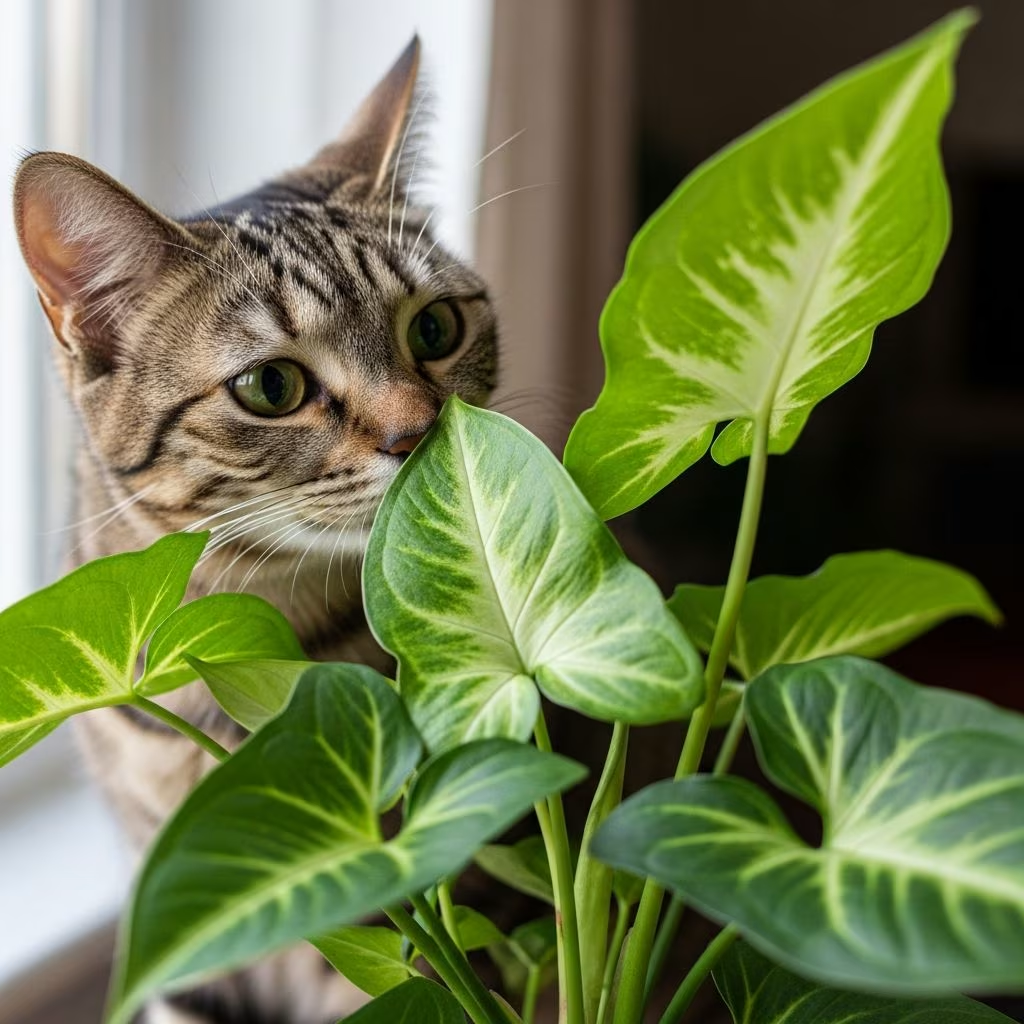
The arrowhead plant, scientifically known as Syngonium podophyllum and commonly referred to as nephthytis, is a favored indoor greenery prized for its striking foliage and low-maintenance appeal. However, this plant harbors a hidden threat for cat owners: it contains sharp, insoluble calcium oxalate crystals that can inflict significant harm upon ingestion. These needle-like structures, called raphides, pierce soft tissues in a cat’s mouth, throat, and digestive tract, leading to immediate discomfort and potentially severe health complications.
Understanding the Toxic Mechanism of Arrowhead Plants
At the core of the arrowhead plant’s danger lies its defense system evolved to deter herbivores. When a cat chews on any part—leaves, stems, or roots—the plant’s specialized cells rupture, releasing bundles of calcium oxalate raphides. These microscopic needles embed into mucous membranes, causing mechanical injury rather than chemical poisoning. The result is intense inflammation, pain, and swelling that can extend from the oral cavity to the esophagus and stomach.
Unlike soluble toxins that metabolize systemically, calcium oxalates in nephthytis remain insoluble, exacerbating localized damage. This physical trauma triggers a cascade of symptoms, making even brief nibbling risky. Veterinary sources confirm that all portions of the plant are hazardous, with higher concentrations often in the stems and leaves.
Recognizing Signs of Nephthytis Exposure in Felines
Cats affected by arrowhead plant ingestion typically display rapid-onset symptoms, often within minutes of contact. Key indicators include:
- Excessive drooling due to oral pain and irritation
- Pawing at the mouth or face in distress
- Vomiting, sometimes containing plant fragments
- Difficulty swallowing or hypersalivation
- Lethargy, reduced appetite, or behavioral changes
In more critical instances, swelling may obstruct airways, leading to labored breathing—a veterinary emergency. Skin or eye contact can provoke localized redness or tearing, though ingestion remains the primary concern. Not every exposure results in full-blown illness; some cats recover from minor mouth soreness, but vigilance is essential.
Emergency Response: What to Do If Your Cat Ingests Arrowhead Plant
Upon suspecting nephthytis exposure, act swiftly but calmly. Remove any plant remnants from your cat’s mouth if safe, then rinse gently with water or milk to dilute crystals—avoid forcing actions that could cause aspiration. Do not induce vomiting, as this may worsen esophageal damage.
Contact your veterinarian or a pet poison hotline immediately, providing details like the plant type, amount ingested, and symptom timeline. Professional care often involves:
- Pain relief medications such as analgesics
- Anti-inflammatory drugs to reduce swelling
- Fluid therapy for hydration, especially if vomiting occurs
- Monitoring for airway compromise in hospital settings
Most cases resolve with supportive treatment, but delays can escalate risks.
Factors Influencing Severity of Poisoning
Individual cat responses vary based on several elements. A small nibble might cause transient discomfort, while repeated or substantial ingestion heightens dangers. Kittens, seniors, or cats with pre-existing conditions face amplified risks due to weaker resilience. Licking alone poses lower threat but warrants monitoring for subtle irritation.
| Ingestion Amount | Likely Symptoms | Action Required |
|---|---|---|
| Minimal (lick/nibble) | Mild drooling, mouth soreness | Observe; vet if persists |
| Moderate (chew leaves) | Vomiting, swelling, pain | Immediate vet visit |
| Heavy (multiple parts) | Breathing issues, severe GI upset | Emergency care |
Creating a Cat-Safe Home: Prevention Strategies
Proactive measures trump reactive treatment. Relocate arrowhead plants to elevated shelves, hanging baskets, or cat-free zones. Opt for pet-safe alternatives like spider plants or cat grass, which satisfy chewing urges without toxicity.
Employ deterrents such as citrus sprays, aluminum foil barriers, or motion-activated air puffs around plants. Supervise outdoor areas, as nephthytis can thrive in gardens. Educate household members on risks, especially with children who might access plants. Regular plant audits ensure no hazardous greenery slips through.
Beyond Cats: Risks to Other Pets and Humans
Nephthytis endangers more than felines. Dogs experience similar oral and GI distress from calcium oxalates. Rabbits, horses, and even humans—particularly children—face irritation from handling or accidental ingestion. Skin contact may cause dermatitis in sensitive individuals. Multi-pet homes demand comprehensive plant reassessments.
Debunking Myths About Plant Toxicity in Cats
- Myth: Vomiting resolves the issue. While it expels material, it risks dehydration and doesn’t address embedded crystals.
- Myth: All plants are equally dangerous. Nephthytis ranks moderate; lilies pose deadlier threats.
- Myth: Outdoor relocation fixes it. Wild animals and kids remain at risk.
Frequently Asked Questions
Can a single bite of arrowhead plant harm my cat?
Yes, even minimal contact releases raphides, potentially causing pain and swelling.
How quickly do symptoms appear?
Typically within minutes to hours, starting with oral signs.
Is nephthytis poisoning ever fatal?
Rarely, via airway obstruction, but prompt care prevents this.
What are safe plant substitutes for cat homes?
Consider Boston ferns, parlor palms, or echeveria succulents.
Should I discard my arrowhead plant entirely?
If cat access is unavoidable, yes; otherwise, secure it rigorously.
Long-Term Health Monitoring Post-Exposure
After treatment, track your cat for lingering effects like appetite loss or behavioral shifts. Annual vet checkups can catch subclinical issues from prior exposures. Maintain a toxin-free environment to foster overall well-being.
Arrowhead plants enhance aesthetics but compromise pet safety. Informed owners prioritize feline health through awareness and action, ensuring harmonious homes.
References
- Is Nephthytis (Arrowhead Plant) Poisonous to Cats? Vet-Reviewed — Catster. 2023. https://www.catster.com/cat-health-care/is-nephthytis-poisonous-to-cats/
- Is Nephthytis (Arrowhead Vine) Toxic to Cats? Vet-Reviewed Risks — Hepper. 2023. https://articles.hepper.com/is-nephthytis-arrowhead-vine-toxic-to-cats/
- My cat chewed on a nephthytis plant earlier today — Dial A Vet. 2024. https://www.dialavet.com/vet-answers/cat-chewed-nephthytis-plant-vet-176186
- Green Gold Naphthysis – Toxic and Non-toxic Plants — ASPCA. Accessed 2026. https://www.aspca.org/pet-care/aspca-poison-control/toxic-and-non-toxic-plants/green-gold-naphthysis
- Nephthytis Poisoning in Cats – Symptoms, Causes — WagWalking. 2023. https://wagwalking.com/cat/condition/nephthytis-poisoning-1
- Nephthytis – Toxic and Non-toxic Plants — ASPCA. Accessed 2026. https://www.aspca.org/pet-care/aspca-poison-control/toxic-and-non-toxic-plants/nephthytis



