

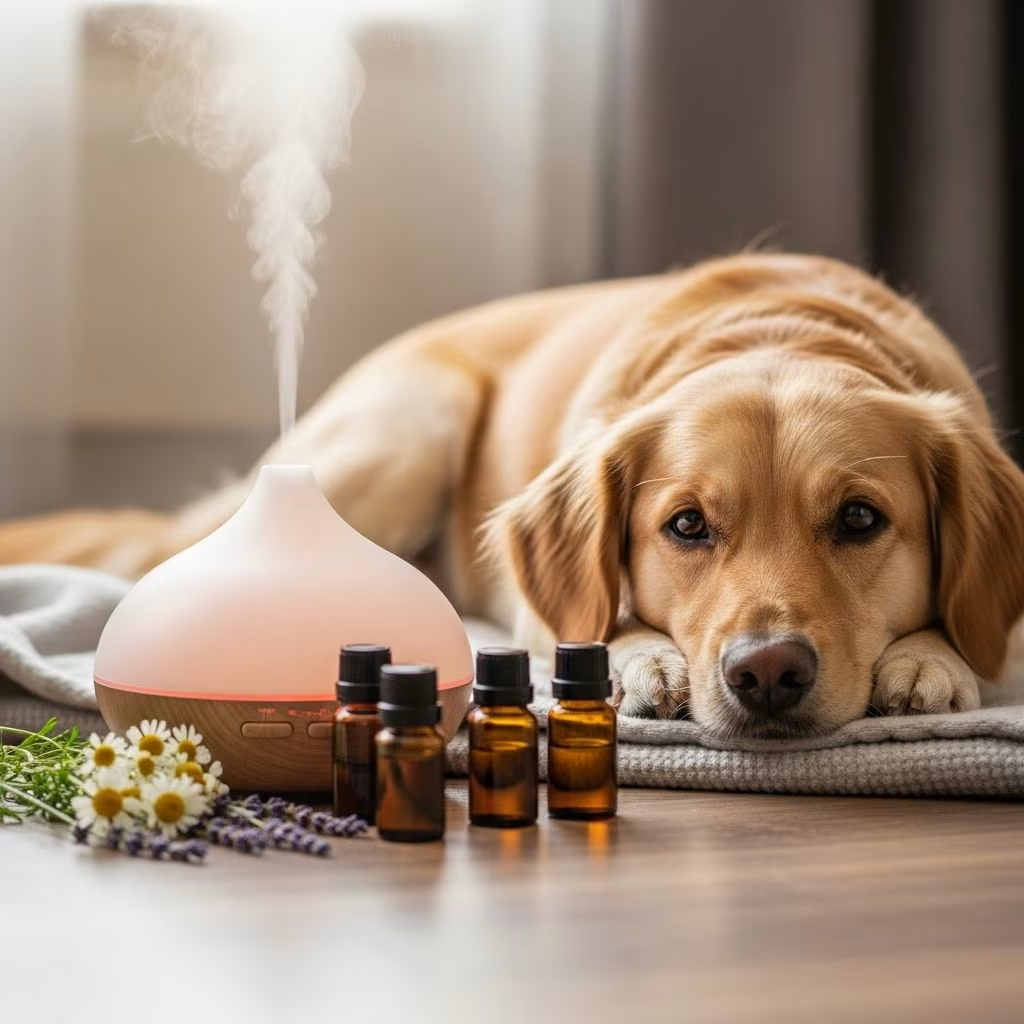
Pet aromatherapy harnesses the power of essential oils to support emotional balance, physical health, and overall vitality in dogs, cats, and other animals. By diffusing scents or applying diluted oils, pet owners can tap into nature’s remedies to address common issues like anxiety and skin irritations.
The Science Behind Scent Therapy for Animals
Animals possess highly sensitive olfactory systems, far surpassing human capabilities. Dogs, for instance, have up to 40 times more scent receptors, allowing them to detect odors with remarkable precision. This heightened sense makes aromatherapy particularly effective, as inhaled molecules travel directly to the brain’s limbic system, influencing emotions and stress responses.
Clinical trials demonstrate tangible outcomes. In one study, dogs exposed to lavender during car travel spent more time resting and sitting, with reduced vocalizing and movement, indicating lower excitement levels. Similarly, lavender diffusion in veterinary clinics led to calmer behaviors, such as increased laying down and relaxed head positions, suggesting its role as a non-invasive stress reliever.
Key Benefits of Essential Oils in Pet Care
Essential oils offer multifaceted advantages, from calming nerves to combating infections. Here’s a breakdown:
- Stress and Anxiety Reduction: Oils like lavender promote relaxation during travel, vet visits, or thunderstorms.
- Immune Support: Antiseptic properties in frankincense and tea tree help fend off bacteria and fungi.
- Skin and Wound Healing: Chamomile and marigold blends soothe irritations and accelerate recovery from conditions like pyoderma.
- Emotional Balance: Bergamot aids in alleviating behavioral issues tied to mood disturbances.
- Pain Relief: Anti-inflammatory effects from copaiba reduce discomfort in joints or glands.
These benefits stem from the oils’ natural compounds, which act as antimicrobials, anti-inflammatories, and mood stabilizers without the side effects of synthetic drugs.
Safe Essential Oils for Dogs
Dogs respond well to certain oils due to their pack-oriented nature and scent-driven instincts. Recommended options include:
| Oil | Primary Benefit | Usage Notes |
|---|---|---|
| Lavender | Calming, anti-anxiety | Diffuse or dilute 1:10 with carrier oil |
| Chamomile | Skin healing, soothing | Topical for wounds; avoid ingestion |
| Frankincense | Immune boost, anti-inflammatory | Diffuse for respiratory support |
| Copaiba | Pain relief, gland issues | Diluted massage for anal glands |
| Marigold (Calendula) | Antifungal, antibacterial | In shampoos for infections |
Always start with low concentrations, as dogs’ sensitivity varies.
Best Essential Oils for Cats
Cats metabolize oils differently due to liver enzyme deficiencies, requiring extra caution. Hydrosols (oil-infused waters) or heavy dilution are preferable. Suitable choices:
- Hydrosol of Lavender: Gentle misting for calming without risk.
- Chamomile Hydrosol: Eases digestive upset and skin flare-ups.
- Frankincense: Diffused sparingly for mood support.
Avoid phenolic-rich oils like tea tree for cats. Observe reactions closely.
Methods of Application: Doing It Right
Proper technique ensures safety and efficacy. Common approaches:
- Diffusion: Use ultrasonic diffusers in well-ventilated areas; 15-30 minutes sessions.
- Topical: Dilute 1-3% in carrier oils like coconut or almond. Test on a small skin patch first.
- Sprays: Mix with water for bedding or collars; shake well.
- Grooming Products: Infuse shampoos or wipes with pet-safe blends.
- Self-Selection: Let pets sniff and choose oils, respecting their instincts for better acceptance.
Carrier oils enhance absorption and prevent irritation:
| Carrier Oil | Properties | Best For |
|---|---|---|
| Coconut | Moisturizing, antimicrobial | Dogs’ skin and fur |
| Almond | Light, nutty scent | General massage |
| Apricot Kernel | Mild, non-greasy | Cats’ sensitive areas |
| Grapeseed | Neutral, fast-absorbing | All pets |
DIY Recipes for Everyday Pet Wellness
Create custom blends at home:
Calming Car Spray for Dogs
- 10 drops lavender oil
- 5 drops chamomile
- 4 oz distilled water
- 1 tsp witch hazel (emulsifier)
Spray on bandana before trips.
Anxiety-Relief Diffuser Blend
- 3 drops lavender
- 2 drops bergamot
- 1 drop frankincense
Ideal for vet visits or fireworks.
Skin Soother for Itchy Spots
- 2 drops calendula
- 1 drop copaiba
- 1 oz coconut oil
Apply sparingly to affected areas.
Precautions and Safety Guidelines
While beneficial, misuse can harm. Key rules:
- Dilute heavily: Never apply undiluted oils.
- Avoid ingestion unless vet-approved.
- Steer clear of toxic oils: Tea tree, eucalyptus, pennyroyal for cats; citrus for both.
- Monitor for adverse reactions: Drooling, sneezing, or lethargy signals stopping immediately.
- Consult vets, especially for pregnant, elderly, or ill pets.
- Use pet-specific products over human ones.
Pregnant animals or those with respiratory issues need professional guidance.
Scientific Evidence and Veterinary Perspectives
Research validates aromatherapy’s role. A 2006 JAVMA study confirmed lavender’s efficacy against travel anxiety in dogs. Veterinary applications show promise for skin diseases via chamomile and sage blends. Ongoing studies explore oils for immunity and stress in various species.
Holistic vets like Dr. Nancy Brandt report success in over 800 anal gland cases using copaiba and boswellia. Organizations such as the Veterinary Medical Aromatherapy Association promote evidence-based use.
Integrating Aromatherapy into Routine Care
Combine with diet, exercise, and check-ups for optimal results. Start slow, track responses in a journal, and adjust blends. Products like infused candles or shampoos extend benefits to the household.
For multi-pet homes, diffuse neutral blends to avoid conflicts.
Frequently Asked Questions (FAQs)
Can all dogs use lavender oil?
Most tolerate it well when diluted, but test for allergies.
Is aromatherapy a substitute for vet care?
No, it’s complementary. Seek professional advice for serious conditions.
How quickly do effects appear?
Often within minutes for diffusion; hours for topicals.
Are there oils for senior pets?
Yes, gentle ones like frankincense support joints and cognition.
What if my cat licks the oil?
Use hydrosols or ensure quick drying to minimize risk.
References
- Effectiveness of Lavender Aromatherapy in Reducing Canine Stress — DogBehavior.it. 2023. https://dogbehavior.it/dogbehavior/article/view/185
- Aromatherapy for travel-induced excitement in dogs — PubMed/NCBI (JAVMA). 2006-09-01. https://pubmed.ncbi.nlm.nih.gov/16978115/
- Ultimate Pet Aromatherapy Guide for Dogs and Cats — Gerrard Larriett (Veterinary insights). 2023. https://www.gerrardlarriett.com/pet-aromatherapy/
- Essential Oil Therapy for Pets — Integrative Pet Wellness Center. 2024. https://integrativepet.com/blog/essential-oil-therapy-for-pets/
- Safe and Empowering Ways to Use Essential Oils on Animals — Essence of Thyme. 2023. https://www.essenceofthyme.com/blog/safe-animal-aromatherapy



