

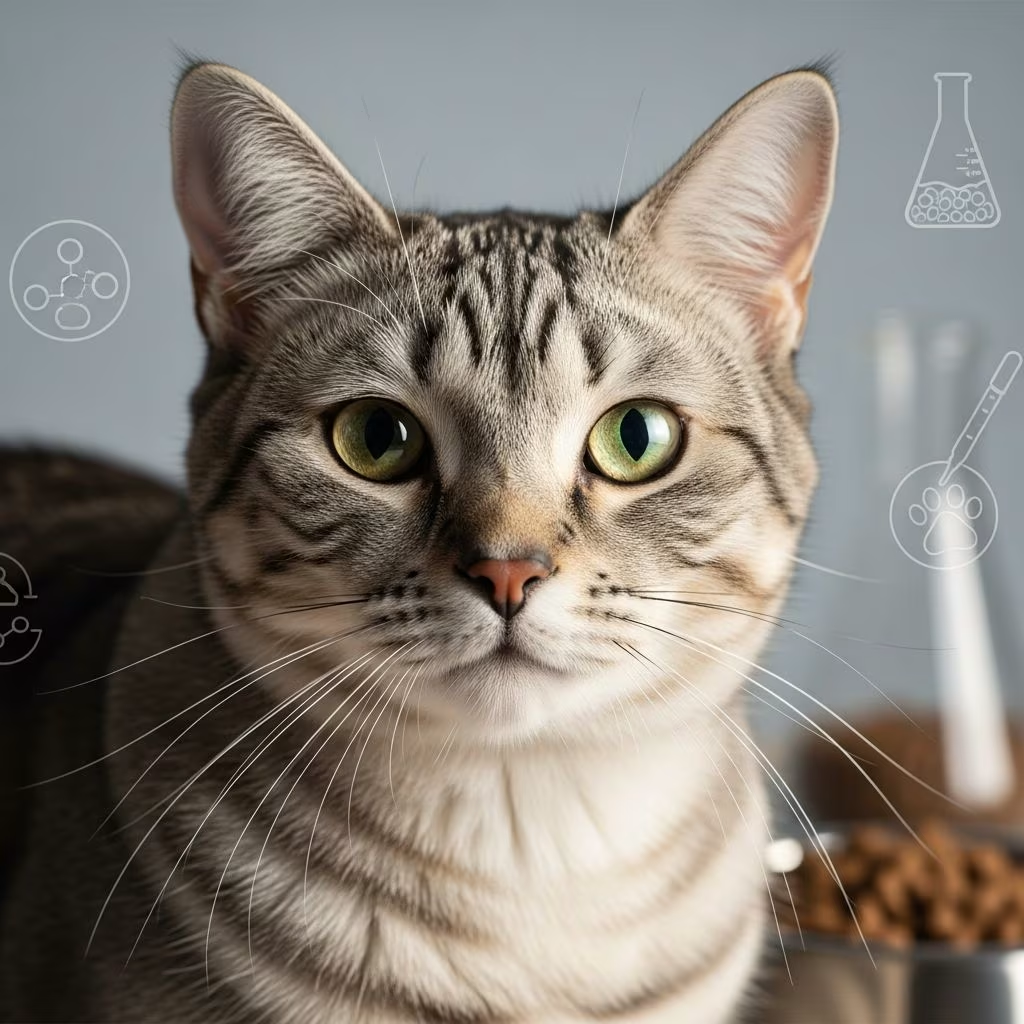
Arginine stands out as a cornerstone nutrient in feline nutrition, classified as an essential amino acid that cats cannot produce sufficiently on their own. This amino acid supports critical bodily functions, including protein building, waste removal, and immune defense, making it indispensable for maintaining your cat’s vitality.
The Biological Imperative of Arginine in Felines
Cats, as obligate carnivores, have unique metabolic demands that elevate arginine’s importance beyond that in other species. Their livers lack the full enzymatic pathway to synthesize adequate amounts, necessitating a steady dietary supply. Without it, even a single deficient meal can trigger rapid health decline due to ammonia accumulation from protein breakdown.
Ammonia, a toxic byproduct of digestion, requires arginine to fuel the urea cycle, where enzymes convert it into harmless urea for excretion. Deficiency leads to hyperammonemia, manifesting in symptoms like excessive salivation, emesis, weakness, and in severe cases, seizures. Studies confirm these effects emerge within hours of an arginine-free meal, underscoring the need for consistent intake.
Daily Requirements and Practical Feeding Guidelines
The National Research Council establishes a minimum daily arginine intake of 190 mg per kilogram of body weight for cats. For a typical 4.5 kg (10 lb) adult cat, this equates to roughly 855 mg daily. Fortunately, high-quality protein sources abundant in carnivorous diets easily meet this threshold.
| Protein Source (per ounce raw) | Arginine Content (mg) |
|---|---|
| Chicken | 360 |
| Beef | 410 |
| Rabbit | 350 |
A cat consuming 4-6 ounces of raw meat daily surpasses requirements multiple times over, highlighting why balanced carnivore-appropriate diets prevent shortages.
Immune System Enhancement Through Arginine
Beyond detoxification, arginine modulates feline immunity. Research on healthy adults fed high-protein basal diets supplemented with arginine (50-100% above baseline) showed quadratic improvements in leukocyte proliferation when stimulated by mitogens like concanavalin A and phytohemagglutinin. This suggests enhanced T-cell and B-cell responses, crucial for pathogen defense.
Phagocytic activity in granulocytes exhibited a linear decline with higher doses in one study, contrasting earlier findings on low-protein diets where supplementation boosted both proliferation and phagocytosis. These discrepancies may stem from baseline protein levels; high-protein contexts might saturate effects, while deficiencies amplify benefits.
- Proliferative responses to PWM (pokeweed mitogen) peaked at moderate arginine increases.
- Ornithine, a related amino acid, mirrored some immunomodulatory traits, reducing phagocyte numbers dose-dependently.
- Overall, supplementation on nutrient-replete diets still influenced immune parameters, warranting further exploration in compromised animals.
Additional veterinary insights affirm arginine’s role in bolstering T-lymphocyte function, aiding wound repair, renal performance, and hormonal balance. Cats on arginine-enriched feeds displayed superior infection resistance compared to controls.
Cardiovascular and Renal Benefits
Arginine serves as a nitric oxide precursor, promoting vasodilation and blood flow—key for heart health and tissue perfusion. In aging or diseased cats, this supports muscle preservation and circulatory efficiency.
For chronic kidney disease (CKD), oral L-arginine supplementation is under investigation for bioavailability and safety. By elevating renal nitric oxide, it may mitigate progression, though clinical trials in naturally affected cats are ongoing to confirm efficacy.
Supplementation: When and How to Consider It
While commercial and raw diets typically suffice, targeted supplementation benefits specific scenarios:
- Immune-compromised cats with recurrent infections.
- Post-surgical recovery for accelerated healing.
- CKD management under veterinary oversight.
- Low-protein therapeutic diets requiring boosts.
Dosing must be individualized; excess can disrupt amino acid balance. Collaborate with a veterinarian to monitor bloodwork and adjust based on health status. Natural sources like meats, fish, and poultry remain preferable for holistic nutrition.
Potential Risks and Monitoring
Cats tolerate arginine well within physiological ranges, but over-supplementation risks gastrointestinal upset or metabolic imbalance. Those with hepatic encephalopathy should avoid excesses, as altered urea cycles could exacerbate ammonia issues. Regular veterinary check-ups ensure safety, especially in seniors or the ill.
Integrating Arginine into Daily Cat Care
Prioritize whole-food sources: rotate proteins like turkey, salmon, and organ meats to diversify intake. For kibble feeders, select AAFCO-compliant formulas verified for complete amino acid profiles. Home-prepared meals demand precise recipes to avoid gaps—consult feline nutritionists.
Supplements, when indicated, come as powders or chews; mix into meals for palatability. Track intake via feeding logs and observe for toxicity signs post-diet changes.
FAQs on Arginine for Cats
What happens if my cat misses arginine in one meal?
Ammonia toxicity can onset rapidly, causing drooling, vomiting, and lethargy. Seek immediate vet care if suspected.
Can I supplement arginine without a vet?
No—dosing varies by health, weight, and diet. Professional guidance prevents overdose.
Is arginine safe for kittens or seniors?
Yes, in appropriate amounts matching life-stage needs. Kittens require more for growth; seniors for maintenance.
Does cooked food destroy arginine?
Minimal loss occurs; raw or gently cooked retains most. Balance with safety.
How does arginine interact with other supplements?
Synergizes with nucleotides or omega-3s for immunity; monitor with ornithine to avoid excess.
Key Takeaways for Feline Owners
- Arginine is non-negotiable for cats’ urea cycle and survival.
- Meat-based diets naturally fulfill needs.
- Supplementation enhances immunity, especially in vulnerable cats.
- Always vet-supervised for therapeutic use.
References
- Arginine: Essential and Abundant for Cat Nutrition — Hare Today. Accessed 2026. https://hare-today.com/feline-nutrition/nutrition/what-is-arginine-and-is-it-essential
- Effects of arginine and ornithine supplementation in adult cats — PMC/NCBI. 2020-02-29. https://pmc.ncbi.nlm.nih.gov/articles/PMC7096607/
- L-Arginine — Thorne Veterinary. Accessed 2026. https://thornevet.com/glossary/l-arginine/
- Study Shows Supplement Improves Feline Immune Function — Pet Health Network. Accessed 2026. https://www.pethealthnetwork.com/news-blogs/a-vets-life/study-shows-supplement-improves-feline-immune-function
- Safety and Bioavailability of Oral L-Arginine Supplementation in Cats — EveryCat Health Foundation. Accessed 2026. https://everycat.org/grant/w08-021-safety-and-bioavailability-of-oral-l-arginine-supplementation-in-cats-with-naturally-occurring-chronic-renal-failure/



