

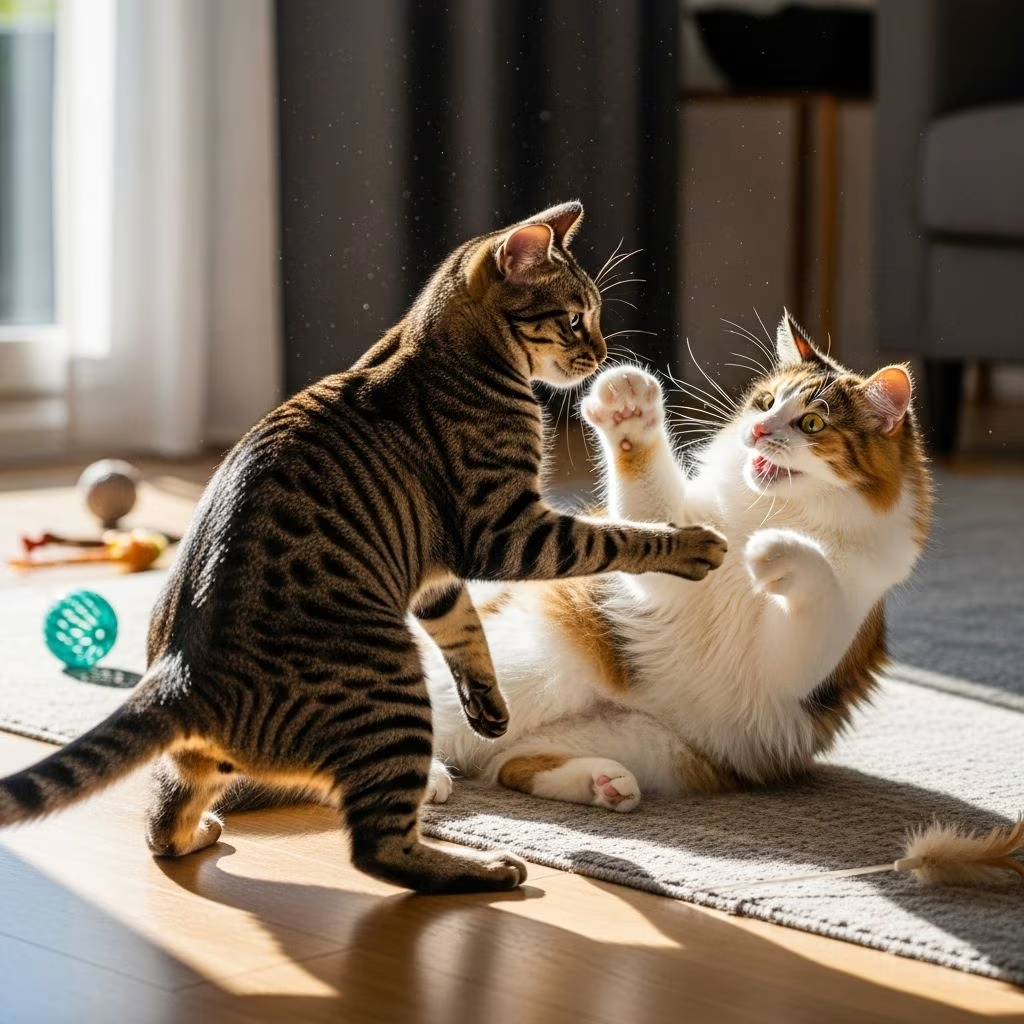
If you have multiple cats at home, you’ve likely witnessed interactions that left you wondering: are they playing or fighting? The answer isn’t always obvious. Cats express themselves through complex body language, vocalizations, and physical behaviors that can look aggressive even when they’re simply having fun. Understanding the difference between playful wrestling and genuine fighting is crucial for your cats’ safety and your peace of mind.
Why It Matters: The Importance of Recognizing Play vs. Fighting
Cats are natural predators, and when they play, they’re expressing their hunting instincts. This can include pouncing, chasing, wrestling, and even light biting—behaviors that mirror what they would do in the wild to catch prey. However, cats are also prey animals in nature and must defend themselves when threatened. These defensive skills also emerge during play, creating a complex mix of behaviors that can confuse even experienced cat owners.
The key to understanding your cats is learning to observe the subtle differences in their interactions. Not all rough play is fighting, and not all quiet moments are peaceful.
Understanding Cat Body Language
Ear Position and Signals
One of the most telling indicators of a cat’s emotional state is their ear position. During play, cats typically keep their ears in a normal, forward-facing position. However, ears can occasionally pull back during intense play without indicating aggression. In contrast, during a real fight, cats flatten their ears against their head as a defensive posture. Fearful or defensive cats will pull their whiskers tight to their face, while offensively aggressive cats point their whiskers forward. Playing cats display forward-fanned whiskers as part of their relaxed demeanor.
Eye Contact and Pupil Dilation
The eyes reveal much about a cat’s intentions. When a cat is stalking and about to pounce, their pupils dilate noticeably. During play, pupils may remain larger than normal or return to regular size as the interaction continues. In real fights, cats engage in intense, prolonged staring with the goal of intimidating their opponent. In play fights, any staring is more relaxed and serves as a way to communicate and keep the interaction civil rather than escalate it.
Tail Behavior
A cat’s tail is incredibly expressive. During play, a playful cat’s tail will be held upright with a slight quiver or movement at the tip, indicating excitement and engagement. In contrast, a thumping or thrashing tail indicates agitation and is often a sign that a cat is becoming frustrated or angry. Watching tail movement can give you an early warning sign that playtime might be turning into something more serious.
Body Position and Turn-Taking
One of the most reliable indicators of playful interaction is whether the cats take turns being in control. During play, cats will alternate who is on top when wrestling. One cat may pounce on the other, then moments later, the roles reverse. This reciprocal activity shows mutual enjoyment and trust.
In genuine fights, one cat consistently dominates by staying on top, while the other cat is always in a defensive position. The aggressive cat will take a position of dominance and maintain it. Additionally, playing cats display loose, bouncy body movements, while fighting cats appear tense and rigid.
Vocalizations: What Your Cats’ Sounds Mean
The sounds cats make during interactions provide valuable clues about their emotional state. In most cases, play fighting is remarkably quiet, with occasional chirps or soft vocalizations. Cats engaged in genuine fights, however, will vocalize aggressively through hissing, growling, and yowling. These vocalizations serve as warnings and expressions of anger or fear.
If you hear your cats making aggressive sounds, it’s a strong indicator that play has turned into a real conflict. Conversely, silent or nearly silent interactions are usually a positive sign that cats are simply enjoying each other’s company.
Physical Contact: Claws, Teeth, and Scratching
Claw Retraction During Play
During playful interaction, cats generally keep their claws retracted, using soft paws to swat at each other without causing injury. The contact is controlled and gentle, resembling more of a soft pawing motion than an attack. When cats fight, claws come out fully, and you’ll see visible scratches on their faces or bodies. Real fighting leaves marks—fang marks from bites, claw scratches, and sometimes even torn fur.
Biting Techniques
Playing cats use what’s known as a “soft mouth” when they mouth each other. They appear to bite but maintain control, causing no actual injury. Fighting cats, in contrast, bite hard enough to break skin and leave fang marks. The intensity and intent behind the bite is completely different.
Scratching Behavior
During play sessions, cats will often pause briefly to scratch objects like scratching posts before resuming their interaction. Fighting cats, however, won’t stop to scratch objects—they remain intensely focused on their opponent. This break in action is a reliable indicator that play is continuing peacefully.
Movement Patterns and Chase Behavior
Chasing Dynamics
In real fights, chasing is one-directional and persistent. One cat runs away because it’s being pursued aggressively, often due to a territorial issue or genuine conflict. The pursuing cat focuses entirely on catching and confronting the fleeing cat.
During play, there’s no real chasing. If one cat wanders away or gets tired, the other won’t chase it down. A cat that wants to end the interaction can do so, and their playmate will let them leave peacefully. This freedom to disengage is a hallmark of play.
Frequency of Breaks
Play sessions are characterized by frequent breaks and starts. Cats will engage intensely, then pause to groom, stretch, or simply rest before resuming. Real fights are consistent and continuous without significant breaks. Additionally, playing cats can be easily distracted—a sound, a butterfly outside, or a toy can momentarily interrupt their focus. Fighting cats remain intensely focused on each other and can’t be easily diverted.
Context and Environmental Factors
Timing and Duration
Consider the context of the interaction. Cats that are playing may take multiple breaks throughout the day and return for more interaction repeatedly. If both cats seem willing to engage over and over, it’s a strong indicator they’re enjoying each other’s company. Real aggression tends to be more isolated and purposeful.
Body Language After the Interaction
After playtime ends, both cats should appear relaxed and either rest or bounce off in a carefree manner. They may groom themselves or each other, and there should be no signs of stress or fear. If the interaction was a real fight, one or both cats may appear unsettled, fearful, or uncomfortable. You might notice cowering, low-level growling or hissing, swatting, hiding, or general anxiety.
Exposed Belly and Signs of Trust
During play, cats may roll over and expose their belly, showing trust in their playmate. For cats, belly exposure is a sign of trust and vulnerability, not submission as it is with dogs. In real fights, cats protect their belly at all costs since it’s their most vulnerable area. The willingness to expose sensitive areas indicates comfort and playfulness.
When Play Turns into Fighting
It’s important to note that play can sometimes transition into fighting. One or both cats may suddenly feel they’ve had enough, and the dynamic can shift rapidly. You might notice one cat beginning to hiss, claws coming out, or one cat consistently running away rather than returning to engage. This can complicate the assessment of whether cats are truly friends or simply tolerating each other.
If you notice play escalating into genuine aggression, calmly separate your cats using a toy or treat to distract them. Avoid being aggressive or heavy-handed when interrupting a fight, and try not to physically separate them with your bare hands, as you could get injured in the heat of the moment.
Key Differences at a Glance
| Behavior | Playing | Fighting |
|---|---|---|
| Vocalizations | Quiet or few vocalizations | Hissing, growling, yowling |
| Claws | Retracted, soft paws | Extended, visible scratches |
| Turn-Taking | Equal pouncing and chasing | One cat always dominates |
| Biting | Soft mouth, no injury | Hard bites, fang marks visible |
| Chasing | No real chasing; willing participation | One-sided, persistent chasing |
| Breaks | Frequent pauses and stops | Continuous, focused interaction |
| Distractibility | Easily distracted | Intensely focused on each other |
| Body Tension | Loose and bouncy | Tense and rigid |
| Post-Interaction State | Relaxed, grooming | Unsettled, fearful, hiding |
Signs That Your Cats Are Actually Having Fun
The most important question to ask yourself is: do they look like they’re having fun? Entertained and engaged cats are happy cats. If both cats seem content, willing to participate, and return for more interaction, they’re almost certainly playing. Watch for these positive indicators:
- Both cats willingly return to each other for repeated interactions
- They take turns being the aggressor and the one being chased
- Ears remain mostly forward or in a normal position
- No visible injuries or scratches appear
- They groom each other after play sessions
- Body language is relaxed and loose rather than stiff
- They don’t consistently try to avoid each other
What To Do If Your Cats Are Really Fighting
If you’ve determined that your cats are genuinely fighting, intervention may be necessary. Never physically separate fighting cats with your hands, as they may redirect their aggression toward you. Instead, create a distraction by making a loud noise, using a toy to redirect their attention, or offering treats. Once separated, give each cat space and time to calm down.
If fights are frequent or severe, consult with a veterinary behaviorist to address underlying issues such as territorial disputes, resource competition, or stress. In some cases, cats may need temporary separation and a gradual reintroduction process.
Frequently Asked Questions
Q: Is it normal for cats to wrestle and look aggressive during play?
A: Yes, it’s completely normal. Cats use hunting and defensive behaviors during play. As long as there are breaks, no injuries occur, and both cats willingly return to each other, they’re likely playing normally.
Q: How can I tell if my cat’s bite during play is too hard?
A: During play, bites should never break skin or draw blood. If you see puncture wounds or fang marks, the interaction has gone beyond playful wrestling into genuine fighting.
Q: My cats play very roughly. Should I be concerned?
A: Not necessarily. Some cats are simply more energetic and physical in their play. As long as both cats seem happy afterward, there are no injuries, and they continue to interact willingly, rough play is usually fine.
Q: Can I stop my cats from playing if it looks too rough?
A: You can interrupt them if you’re genuinely concerned, but unnecessary interruption may frustrate your cats. Only intervene if there are signs of genuine aggression or injury.
Q: How often should healthy cats play together?
A: This varies by individual cat personality and age. Some cats play multiple times daily, while others prefer occasional interaction. As long as they show willingness to engage and appear happy, the frequency is appropriate.
References
- Are My Cats Fighting or Playing? — Liz’s Kitty Boot Camp. 2023-07-24. https://lizskittybootcamp.com/2023/07/24/cats-fighting-playing/
- Are My Cats Fighting or Playing? — Zoetis Petcare. https://www.zoetispetcare.com/blog/article/cats-fighting-or-playing
- Are my Cats Playing or Fighting? How can you Tell? — FELIWAY. https://www.feliway.co.uk/blogs/news/are-my-cats-playing-or-fighting
- 7 Clues to Tell if Your Cats are Fighting or Playing — Jackson Galaxy. YouTube. https://www.youtube.com/watch?v=vunTmBIhTpE
- Cats and Fighting | Prevent Fighting — Cats Protection. https://www.cats.org.uk/help-and-advice/cat-behaviour/cats-and-fighting



