

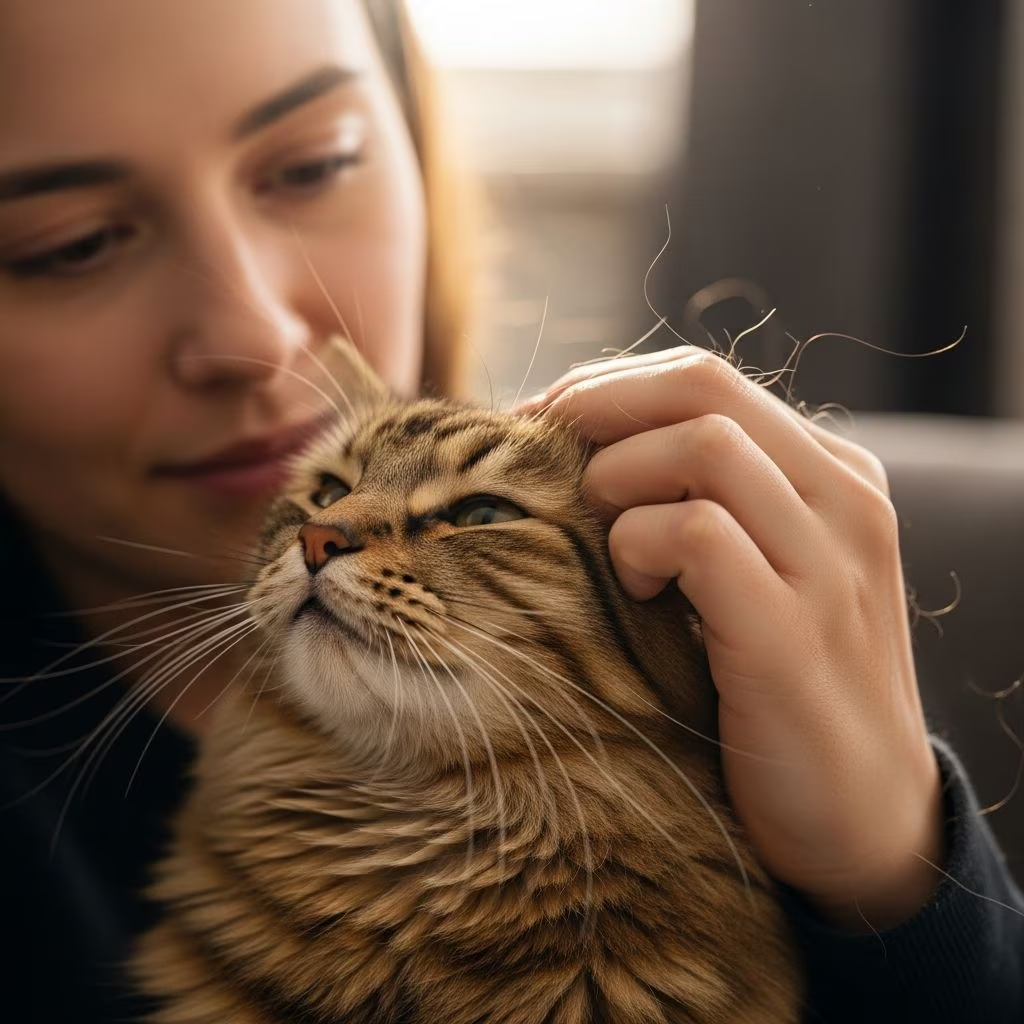
If you experience sneezing, itchy eyes, or nasal congestion around your pet, you might be allergic. Pet allergies affect 15-20% of people, triggered by proteins in dander, saliva, urine, and sebaceous cells from animals like cats, dogs, and exotic pets. Cats are the most common culprits, but any species can cause reactions—no breed or fur type is immune.
Understanding Pet Allergens
The primary allergens are proteins shed in an animal’s dander (dead skin flakes), saliva (which sticks to fur during grooming), urine, and skin oils. These microscopic particles become airborne, settle on surfaces, and trigger immune responses in sensitive individuals. Contrary to popular belief, it’s not the fur itself but these proteins that cause issues. Fur length or type does not prevent allergies; even hairless pets produce dander and saliva.
Allergens linger in homes for months on carpets, upholstery, and clothing. Cats produce Fel d 1 protein in salivary glands, spreading it via grooming, making them particularly potent. Dogs have Can f 1 in saliva and dander. Exotic pets like ferrets, rabbits, guinea pigs, birds, and rodents also trigger reactions.
Signs and Symptoms of Pet Allergies in Humans
Pet allergy symptoms mimic colds but persist longer than two weeks. Common signs include:
- Runny or stuffy nose
- Sneezing
- Watery, red, or itchy eyes
- Itchy nose, roof of mouth, or throat
- Postnasal drip
- Coughing
- Facial pressure or pain
- Hives or itchy skin
- In severe cases: wheezing, shortness of breath, or asthma exacerbation
Symptoms worsen in enclosed spaces or after close contact like petting or sleeping with the animal. Consult an allergist for skin prick tests or blood tests to confirm pet-specific IgE antibodies.
Are Pets Allergic Too?
Pets suffer allergies similarly, with their immune systems overreacting to environmental triggers. 15-20% of pets may be affected, showing symptoms like:
- Excessive itching, scratching, or licking
- Red, inflamed, scabby skin
- Watery, crusty eyes
- Sneezing, wheezing
- Swollen, red paw pads
- Chewing paws or hot spots
- Chronic ear infections
- For food allergies: vomiting, diarrhea
Dogs often have environmental (pollen, dust, mold), flea, contact (grass), or food allergies (beef, chicken, dairy). Cats show similar skin and respiratory issues. Severe reactions like anaphylaxis are rare but include hives, swelling, vomiting.
Managing Pet Allergies in Humans
You don’t have to rehome your pet. Start by confirming diagnosis with an allergist. Strategies focus on reducing allergen exposure:
Environmental Controls
- Keep pets out of the bedroom: Use allergen-proof covers on mattresses and pillows. This reduces exposure during sleep when symptoms peak.
- Decontaminate your home: Wash bedding weekly in hot water. Vacuum with HEPA filters twice weekly. Use anti-allergen sprays to neutralize proteins.
- Groom pets regularly: Bathe pets weekly with allergen-reducing shampoo to remove dander and saliva. Brush outdoors with rubber/silicone tools.
- Clean litter boxes daily: Use low-dust, unscented clumping litter.
- Dust and wipe surfaces: Weekly dusting and wall wiping cuts airborne allergens.
- Use air purifiers: HEPA filters capture particles. Avoid carpeting; opt for hard floors.
Medical Treatments
Ask your doctor about:
- Over-the-counter antihistamines (loratadine, cetirizine) for mild symptoms.
- Cortisone creams for skin itch.
- Nasal corticosteroids or decongestants.
- Prescription meds or allergy shots (immunotherapy) for severe cases.
Immunotherapy builds tolerance over time.
Treating Allergies in Pets
Veterinary care is key. Treatments vary by type:
| Allergy Type | Common Triggers | Treatments |
|---|---|---|
| Environmental | Pollen, dust, mold | Allergy shots, medicated shampoos (oatmeal, hydrocortisone), antihistamines, apoquel/cytopoint injections |
| Flea/Contact | Fleas, grass | Year-round flea preventives, wipes, frequent baths |
| Food | Proteins (chicken, beef) | Hypoallergenic/novel protein diets, hydrolyzed food |
Supplements like omega-3 fatty acids support skin health. Avoid OTC meds without vet approval—doses differ, and overdose risks agitation, tremors.
Hypoallergenic Pets: Myth or Reality?
No pet is truly hypoallergenic. “Low-allergen” breeds shed less or produce fewer proteins, but allergens in saliva/dander persist. Examples:
- Dogs: Poodle, Bichon Frise, Portuguese Water Dog, Schnauzer, Labrador Retriever (some lines).
- Cats: Sphynx (hairless but oily skin), Siberian, Russian Blue, Balinese.
- Test first—individual reactions vary.
Spend time with the breed to check tolerance.
Frequently Asked Questions (FAQs)
Can I develop allergies to my pet later in life?
Yes, allergies can emerge anytime, even after years of peaceful coexistence.
Will shaving my pet reduce allergens?
No, allergens come from skin/saliva, not just fur.
Are some breeds safe for allergy sufferers?
No breed is guaranteed safe; low-shedding helps some but not all.
Can pets outgrow allergies?
Rarely; management is lifelong, but symptoms may lessen.
Is immunotherapy safe for pets?
Yes, under vet supervision, it desensitizes over months.
Creating an Allergy-Friendly Home
Combine strategies: Designate pet-free zones, washable furniture, frequent cleaning. Involve family in upkeep. Pets can benefit child health, reducing allergy risk later.
For severe cases, weigh quality of life. Many thrive with management—consult pros before deciding.
References
- Are You Allergic to Your Pet? — ASPCA. 2023. https://www.aspca.org/pet-care/general-pet-care/are-you-allergic-your-pet
- Pet Allergies and Hypoallergenic Pets — ASPCA Pet Health Insurance. 2024. https://www.aspcapetinsurance.com/resources/pet-allergies-and-hypoallergenic-pets/
- Dogs and Allergies — ASPCA Pet Health Insurance. 2024. https://www.aspcapetinsurance.com/resources/dogs-and-allergies/
- Pet Allergies: How to Manage Them — Ontario SPCA. 2023. https://ontariospca.ca/blog/pet-allergies-how-to-manage-them/
- Battling the Itch: One Dog’s Struggle with Chronic Allergies — ASPCA. 2023. https://www.aspca.org/news/battling-itch-one-dogs-struggle-chronic-allergies-universal-story
- Keeping Our Furry Friends Safe During Allergy Season — ASPCA. 2023. https://www.aspca.org/news/keeping-our-furry-friends-safe-during-allergy-season



