

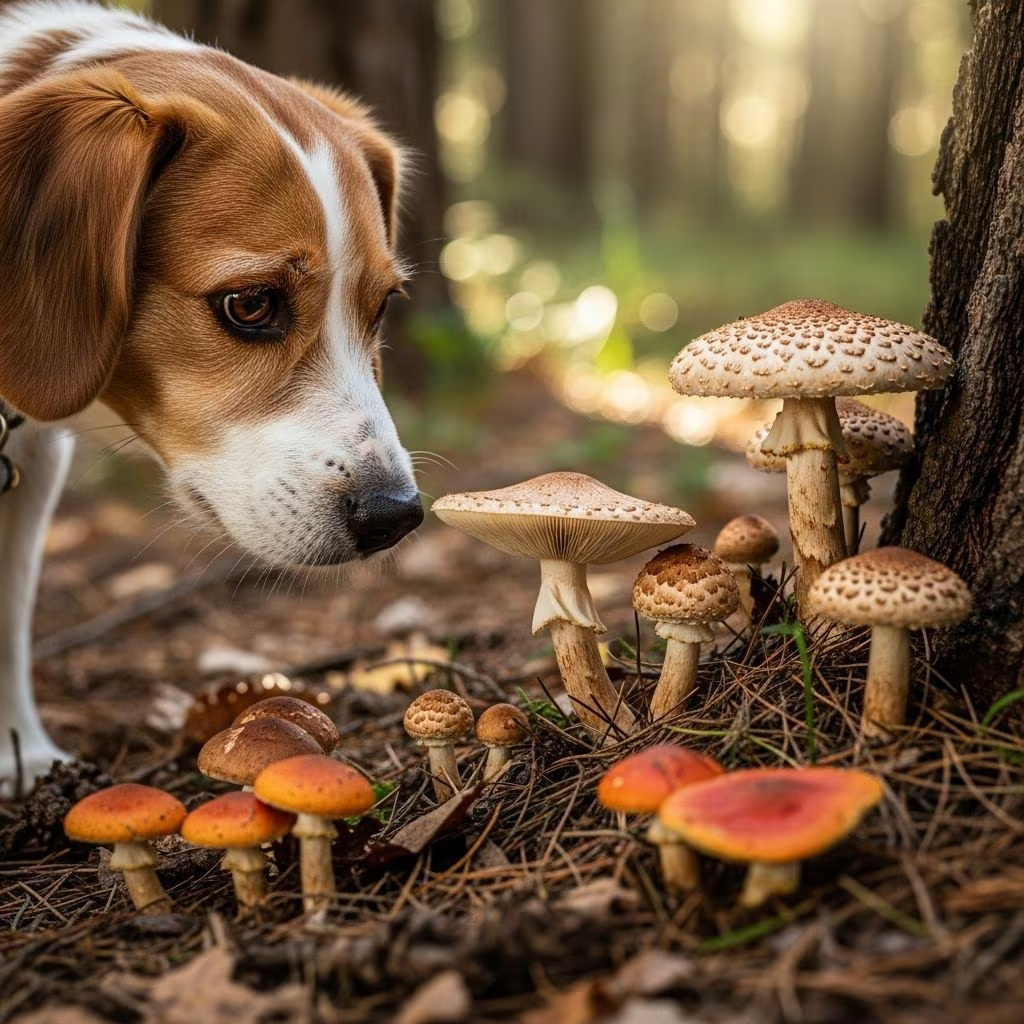
Are Wild Mushrooms Bad for Dogs?
Wild mushrooms pose a significant health risk to dogs, and pet owners should treat any mushroom ingestion as a potential medical emergency. While the vast majority of mushroom species are harmless to humans and pets, certain varieties contain powerful toxins that can cause severe illness or even death in dogs. Understanding which mushrooms are dangerous, recognizing the signs of poisoning, and knowing how to respond quickly are essential for every dog owner.
Why Are Wild Mushrooms Toxic to Dogs?
Mushrooms contain various toxic compounds that affect dogs differently depending on the species ingested. There are over 10,000 mushroom species in the United States alone, but only about 100 are considered toxic. The challenge for pet owners is that it’s extremely difficult to accurately identify mushrooms in the field, making it nearly impossible to distinguish safe varieties from poisonous ones.
The toxins produced by mushrooms are called mushroom poisons, and they trigger different physiological responses in dogs depending on their chemical composition. Some toxins affect the gastrointestinal system, while others target the nervous system or vital organs like the liver and kidneys. This variability in toxins means that the severity of poisoning can range from mild gastroenteritis to organ failure and death.
Types of Mushroom Poisoning in Dogs
Mushroom poisoning in dogs typically manifests in three distinct categories based on the type of mushroom ingested and the resulting clinical effects:
Early Onset Gastrointestinal Symptoms
The least dangerous mushrooms typically cause rapid gastrointestinal distress. These symptoms appear within hours of ingestion and include vomiting and diarrhea. The early onset of these symptoms is actually somewhat protective, as violent vomiting and purging help remove unabsorbed toxins from the dog’s system quickly. If a dog vomits within six hours of eating the mushroom, the prognosis is usually fairly good, though the animal still requires veterinary attention to manage dehydration and electrolyte imbalances that can result from profuse vomiting.
Neurological Effects
Some wild mushrooms contain psychoactive compounds that affect the central nervous system. The most well-known example is Psilocybe semilanceata, commonly called “magic mushrooms,” though several other psychoactive fungi grow in various regions. Dogs do not tolerate the effects of these toxins well and may develop abnormal behavior, self-injury, abnormal heartbeats, and seizures. In severe cases, dogs may suffer trauma while under the influence of the hallucinogen, such as jumping from windows or running into solid objects. Severe seizures can also lead to hyperthermia (dangerous increase in body temperature), which in rare cases can cause death from internal overheating.
Liver and Kidney Damage
The most dangerous mushrooms are those that cause delayed organ damage. Species like Amanita phalloides (death cap mushroom) can be extremely toxic and even fatal to dogs. These mushrooms often don’t show obvious warning signs until it’s too late, which makes them particularly dangerous. Symptoms may include lethargy, depression, loss of appetite, increased thirst, increased urination in cases of kidney failure, and jaundice in cases of liver failure. Treatment for this type of poisoning requires intensive supportive therapy, often involving hospitalization, and the prognosis is guarded at best.
Recognizing Mushroom Poisoning Symptoms
Symptoms of mushroom poisoning in dogs vary depending on the mushroom species ingested, but pet owners should watch for the following signs:
- Vomiting
- Diarrhea
- Excessive salivation or drooling
- Weakness and lethargy
- Abdominal pain
- Tremors
- Seizures
- Ataxia (staggering or uncoordinated gait)
- Behavioral changes or abnormal behavior
- Coma
- Jaundice (yellowing of skin and eyes)
- Liver or kidney failure
In research involving 421 cases of mushroom ingestion in dogs in Norway, the most common clinical signs were hypersalivation (100%), vomiting (81.5%), diarrhea (79.6%), and lethargy (68.5%). The latency period between ingestion and the onset of symptoms can range from as little as 5 minutes to several hours, depending on the mushroom species. Any of these symptoms appearing after outdoor exposure warrants immediate veterinary attention.
Timeline of Symptoms
The timing of symptom onset can provide important clues about the severity of poisoning:
- 5 minutes to 2 hours: Early-onset gastrointestinal symptoms such as vomiting and diarrhea typically appear within this timeframe. These mushrooms are generally less dangerous because rapid purging removes toxins.
- 20 minutes to 4 hours: Neurological effects may begin to appear, with symptoms including tremors, behavioral changes, and seizures.
- 6+ hours or delayed: Mushrooms causing liver or kidney damage often don’t show symptoms until many hours after ingestion, making them particularly dangerous because critical damage may have already occurred.
Dangerous Mushroom Species
While it’s difficult to identify mushrooms accurately, some species are known to be particularly toxic to dogs. The most dangerous include:
- Amanita phalloides (Death Cap Mushroom): Causes severe liver failure and can be fatal. This mushroom is responsible for some of the most serious poisoning cases.
- Clitocybe species: Commonly found in grasslands and lawns where dogs frequent, these mushrooms cause muscarinic syndrome with rapid onset of symptoms.
- Inocybe species: Another common culprit in mushroom poisoning cases, particularly in lawns and residential areas.
- Psilocybe semilanceata: Contains psychoactive compounds that cause neurological effects in dogs.
What to Do If Your Dog Eats a Wild Mushroom
If you suspect your dog has ingested a wild mushroom, immediate action is critical. Many wild mushrooms can kill a dog within 24 hours of ingestion, making this a true medical emergency.
Immediate Steps:
- Contact your veterinarian or emergency veterinary clinic immediately, even if your dog hasn’t yet shown symptoms
- If possible, collect a sample of the mushroom or take a photo for identification purposes
- Note the time of ingestion if known
- Observe your dog closely for any symptoms while en route to the veterinary clinic
- Do not wait for symptoms to appear before seeking help, as delayed-acting toxins may cause irreversible organ damage
Veterinary treatment may include decontamination procedures such as inducing vomiting if caught early enough, administration of activated charcoal to absorb toxins, intravenous fluid therapy to support organ function and prevent dehydration, and supportive medications to manage symptoms. In cases of severe poisoning, hospitalization and intensive care may be necessary.
Prevention Strategies
The best approach to mushroom poisoning is prevention. Here are effective strategies to protect your dog:
- Supervise outdoor activities: Keep a close watch on your dog during walks, especially in areas where mushrooms grow, such as lawns, woodlands, and areas with recent rainfall.
- Avoid high-risk areas: Be particularly cautious in yards, gardens, and parks where mushrooms are visible.
- Train your dog: Teach your dog “leave it” commands to help prevent them from eating unknown substances.
- Maintain your yard: Regularly check your property for mushrooms and remove them promptly, wearing gloves for safety.
- Prevent access: Fence off areas of your yard where mushrooms commonly grow or where you cannot monitor your dog closely.
- Don’t rely on identification: Even expert mycologists struggle to identify mushrooms accurately. Never assume a mushroom is safe based on appearance alone.
Store-Bought Mushrooms vs. Wild Mushrooms
It’s important to distinguish between store-bought culinary mushrooms and wild mushrooms. Store-bought mushrooms from grocery stores are generally safe for dogs in small amounts when plain and cooked. However, raw mushrooms, mushrooms with seasonings, or those with garlic and onions should be avoided. Additionally, store-bought mushrooms are not necessary for a dog’s diet and should not be a regular part of their nutrition.
The danger lies exclusively with wild mushrooms that dogs might encounter during outdoor activities. Dogs have no nutritional need for mushrooms, making it easy to simply avoid them altogether.
Factors Affecting Toxicity
The severity of mushroom poisoning depends on several factors:
- The species of mushroom ingested
- The amount of mushroom consumed
- The size and weight of the dog
- Your dog’s age and overall health status
- Any underlying medical conditions your dog may have
- Whether other toxic substances were ingested along with the mushroom
Prognosis and Recovery
The prognosis for mushroom poisoning varies dramatically depending on the type of mushroom and how quickly treatment is administered. Dogs that consume mushrooms causing early gastrointestinal symptoms and receive prompt veterinary care generally have a good prognosis. However, dogs that ingest mushrooms causing neurological or organ damage have a much more guarded prognosis. Some cases result in permanent organ damage or death despite aggressive treatment.
Survival often depends on the speed of veterinary intervention. Delaying treatment even by a few hours can mean the difference between recovery and death, particularly with highly toxic species like Amanita phalloides.
Frequently Asked Questions
Q: Can dogs eat mushrooms from the grocery store?
A: Plain, cooked store-bought mushrooms can be given in small amounts, but they are not necessary for a dog’s diet. Never give raw mushrooms, mushrooms with seasonings, garlic, or onions to your dog.
Q: How long does it take for mushroom poisoning symptoms to appear?
A: Symptoms can appear anywhere from 5 minutes to over 24 hours after ingestion, depending on the mushroom species. Early symptoms are often less dangerous, while delayed symptoms may indicate more serious organ damage.
Q: Should I try to identify the mushroom my dog ate?
A: While identification can help veterinarians determine treatment, don’t delay seeking veterinary care to identify the mushroom. Even experts struggle to identify mushrooms accurately. Bring a sample if you can, but prioritize getting your dog to a veterinarian immediately.
Q: Can mushroom poisoning be treated at home?
A: No. Mushroom poisoning always requires professional veterinary care. Many cases require hospitalization, intravenous fluids, and intensive monitoring. Delaying professional treatment can result in death.
Q: What should I do if my dog eats a wild mushroom but shows no symptoms?
A: Contact a veterinarian immediately even without symptoms. Some mushrooms don’t show symptoms until hours later, after serious organ damage has occurred. Prompt decontamination and monitoring are critical.
Q: Are all wild mushrooms toxic to dogs?
A: No, but it’s impossible to identify which ones are safe. Since the risk is life-threatening and identification is unreliable, it’s safest to prevent all wild mushroom ingestion.
References
- Are Wild Mushrooms Harmful to Dogs? — Goddard Veterinary Group. Accessed January 2026. https://www.goddardvetgroup.co.uk/blog/wild-mushrooms-harmful-dogs/
- Mushroom Ingestions in 421 Dogs in Norway (2011–2022) — National Center for Biotechnology Information (NCBI). 2023. https://pmc.ncbi.nlm.nih.gov/articles/PMC10086311/
- Mushroom Toxicity in Dogs — UC Davis School of Veterinary Medicine Animal Health Topics. Accessed January 2026. https://healthtopics.vetmed.ucdavis.edu/health-topics/mushroom-toxicity-dogs
- Can Dogs Eat Mushrooms? — American Kennel Club Expert Advice. Accessed January 2026. https://www.akc.org/expert-advice/nutrition/can-dogs-eat-mushrooms/
- Mushroom Poisoning in Dogs — PetMD. Accessed January 2026. https://www.petmd.com/dog/poisoning/mushroom-poisoning-in-dogs
- Mushroom Toxicity — VCA Animal Hospitals. Accessed January 2026. https://vcahospitals.com/know-your-pet/mushroom-toxicity
- Can Dogs Eat Mushrooms: When Is It a Vet Emergency? — Golden State Veterinary Specialists. Accessed January 2026. https://gsvs.org/blog/can-dogs-eat-mushrooms-emergency/



