

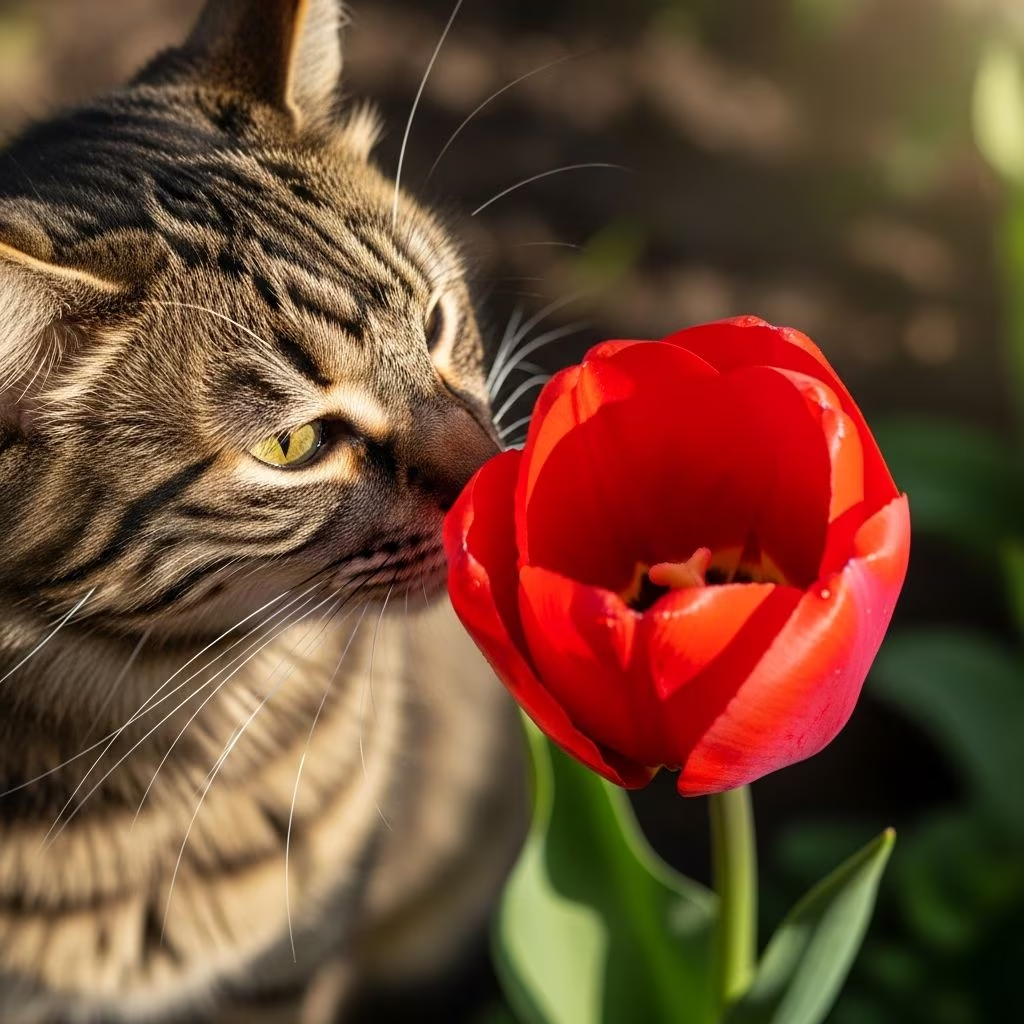
Tulips (Tulipa spp.), beloved for their vibrant spring blooms, are highly toxic to cats. The entire plant—bulbs, stems, leaves, and flowers—contains tulipalin A and tulipalin B, potent allergens that cause gastrointestinal distress, hypersalivation, and potentially severe complications like cardiac issues if untreated. Bulbs hold the highest toxin concentration, making them especially dangerous. The ASPCA confirms tulips’ toxicity to cats, dogs, and horses. Cat owners must avoid tulips indoors or in gardens to prevent accidental ingestion, as curious felines often nibble plants.
Why Are Tulips Toxic to Cats?
Tulips belong to the Liliaceae family, notorious for feline toxicity, though less deadly than true lilies which cause kidney failure. When a cat chews tulip parts, plant lactones break down into tulipalin A and B, irritating the mouth, esophagus, stomach, and intestines. These oil-like compounds provoke inflammation, excessive drooling, and vomiting as the body expels them. Severity escalates with quantity ingested and cat’s size/health; small or senior cats face higher risks. Even water from cut tulips can carry toxins if bulbs were stored in it. Unlike dogs, cats’ unique metabolism amplifies plant toxin effects. Gardenia.net notes tulipalin primarily targets the GI tract but can trigger dermatitis or systemic issues in heavy exposures. Merck Veterinary Manual highlights similar ornamentals’ rapid onset symptoms. Prompt recognition prevents escalation to tremors, seizures, or coma.
Symptoms of Tulip Poisoning in Cats
Tulip toxicity manifests quickly, often within 30 minutes to a few hours. Mild cases from petals or leaves cause drooling, vomiting, diarrhea, appetite loss, and lethargy. Bulb ingestion leads to severe signs: hypersalivation, depression, rapid heart rate, labored breathing, abdominal pain, tremors, cardiac arrhythmias, seizures, and coma. Watch for pawing at mouth from oral irritation. Untreated, dehydration and organ strain can prove fatal, though most cats recover with early intervention. Factors worsening prognosis include toxin dose, ingestion time delay, pre-existing conditions, or young age. Catster emphasizes bulbs’ extreme risk, urging immediate vet contact even without symptoms.
- Mild symptoms: Vomiting, diarrhea, drooling, reduced appetite, depression.
- Severe symptoms: Rapid breathing, heart irregularities, tremors, seizures, coma.
What Should You Do if Your Cat Eats a Tulip?
Act fast: Do not induce vomiting without vet guidance, as it risks aspiration. Rinse mouth with water if safe, remove plant remnants, and call a vet or poison hotline (e.g., ASPCA at 888-426-4435). Provide ingestion details: part eaten, amount, time. Vets may administer activated charcoal, anti-emetics, IV fluids, or monitoring. PangoVet offers online consults for initial advice. Merck recommends emetics, charcoal, and cathartics within hours for best outcomes. Even suspected exposure warrants a checkup, as toxins act swiftly. Recovery is typical with treatment, but delays heighten risks.
How to Prevent Tulip Poisoning in Cats
Eliminate tulips from cat-accessible areas: no indoor vases, garden bulbs, or yard plantings. Elevate bouquets or use cat-free rooms. Supervise outdoor cats, fencing gardens. Educate household members on risks. Offer safe chews like cat grass or catnip. Use bitter sprays on plants. Opt for non-toxic flowers indoors. Regular home checks catch discarded bulbs. Training discourages plant chewing via redirection. These steps ensure safe blooming seasons.
Are All Parts of Tulips Equally Toxic to Cats?
| Plant Part | Toxin Level | Risk to Cats |
|---|---|---|
| Bulb | High | Severe: Highest tulipalin concentration; causes intense GI upset, potential systemic effects. |
| Stem/Leaves | Moderate | Moderate: Irritation, vomiting, drooling. |
| Flowers/Petals | Low | Mild: Dropping petals invite nibbling; still causes upset. |
Bulbs are deadliest, but all parts harm. Avoid entirely.
Safe Plants and Flowers for Cats
Replace tulips with cat-safe options:
- Catnip (Nepeta cataria): Safe, stimulating.
- Cat grass (wheatgrass/oat grass): Aids digestion.
- Spider plants (Chlorophytum comosum): Non-toxic, mild upset possible.
- Sunflowers: Safe in moderation.
- Orchids (certain varieties): Generally safe.
Avoid lilies (deadly), chrysanthemums (vomiting, dermatitis). ASPCA lists verify safety.
Other Toxic Plants Similar to Tulips
Beware lily family relatives:
- Lilies (Lilium spp.): Kidney failure from tiny amounts; pollen lethal.
- Chrysanthemums: Pyrethrins cause drooling, incoordination.
- Daffodils: Lycorine induces vomiting.
UC Davis warns of garden toxins. Check ASPCA lists routinely.
Frequently Asked Questions (FAQs)
Are tulips poisonous to cats?
Yes, tulips are toxic due to tulipalin A and B in all parts, bulbs worst.
Can cats die from eating tulips?
Rarely fatal with prompt treatment, but severe cases risk death.
Is tulip vase water toxic to cats?
Yes, potentially carries bulb-released toxins.
What if my cat chewed a tulip petal?
Monitor for vomiting/drooling; contact vet immediately.
Are there tulip varieties safe for cats?
No, all Tulipa spp. toxic.
How long do tulip poisoning symptoms last?
Hours to days with treatment; untreated worsens.
Can I plant tulips if I have an indoor cat?
Only outdoors, inaccessible.
References
- Are Tulips Toxic to Cats? — Gardenia.net. 2023. https://www.gardenia.net/guide/are-tulips-toxic-to-cats
- Are Tulips Poisonous to Cats? Yes, the Whole Lily Family Is — HowStuffWorks. 2023. https://animals.howstuffworks.com/pets/are-tulips-poisonous-to-cats.htm
- Are Tulips Toxic to Cats? Vet-Reviewed Safety Information — Catster. 2024-01-15. https://www.catster.com/cat-health-care/are-tulips-toxic-to-cats/
- Houseplants and Ornamentals Toxic to Animals — Merck Veterinary Manual. 2024. https://www.merckvetmanual.com/toxicology/poisonous-plants/houseplants-and-ornamentals-toxic-to-animals
- Tulip – Toxic and Non-toxic Plants — ASPCA. 2024. https://www.aspca.org/pet-care/aspca-poison-control/toxic-and-non-toxic-plants/tulip
- Toxicity of House Plants to Pet Animals — PMC (PubMed Central). 2023-05-29. https://pmc.ncbi.nlm.nih.gov/articles/PMC10220692/
- Tulips — American College of Veterinary Pharmacists. 2023. https://vetmeds.org/pet-poison-control-list/tulips/
- 10 Garden Plants That Are Toxic to Pets — UC Davis One Health. 2023. https://www.ucdavis.edu/one-health/garden-plants-toxic-to-pets



