

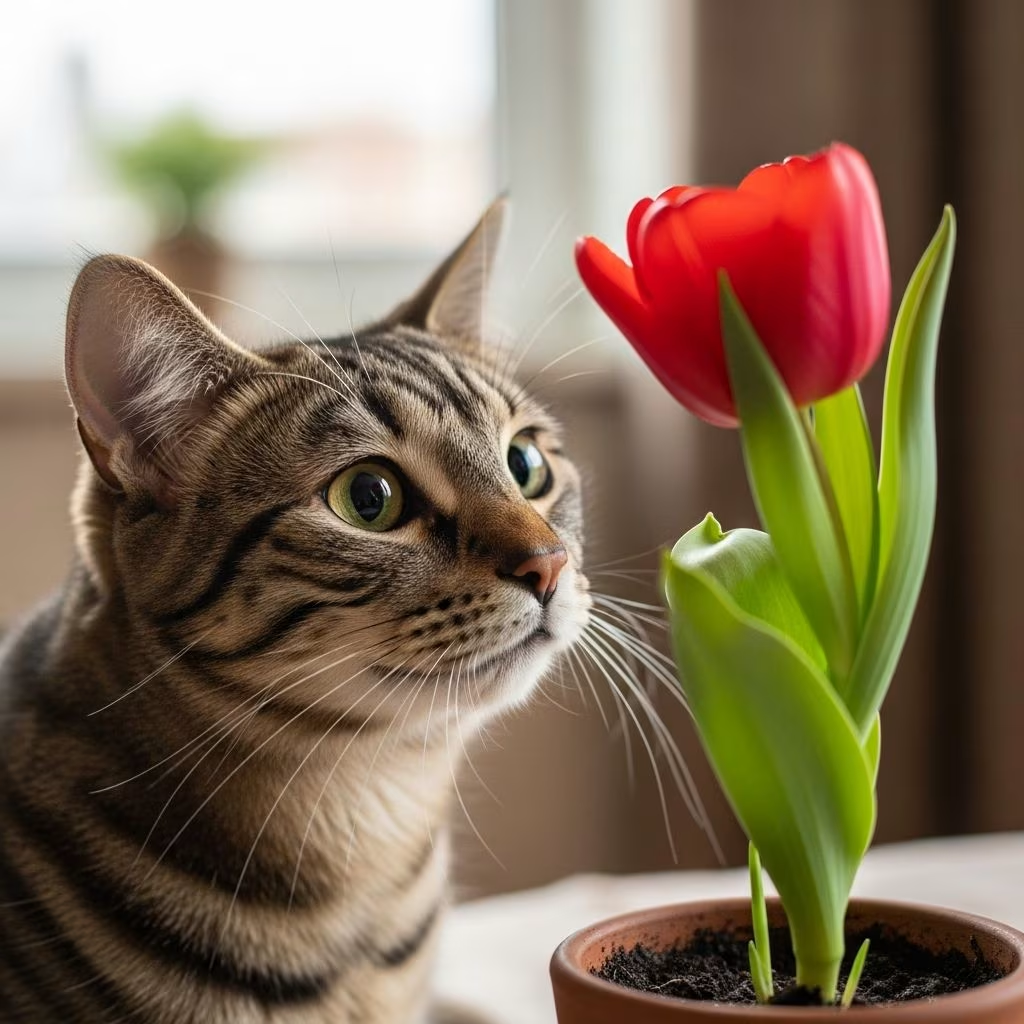
Are Tulips Toxic for Cats?
Tulips are among the most beloved spring flowers, adding vibrant color and elegance to gardens and home arrangements. However, despite their beauty, tulips pose a significant health risk to cats. Understanding the dangers these flowers present is essential for any cat owner who wishes to maintain a safe home environment for their feline companion.
Why Are Tulips Toxic to Cats?
Tulips are toxic to cats because they contain toxic compounds called tulipalin A and tulipalin B. These naturally occurring substances are present throughout the entire tulip plant but are most heavily concentrated in the bulbs. When ingested by cats, these compounds can cause a range of harmful effects on their health and wellbeing.
The ASPCA (American Society for the Prevention of Cruelty to Animals) officially lists tulips as toxic to cats, dogs, and horses. The degree of toxicity varies depending on several factors, including the amount of plant material consumed and which part of the tulip the cat has ingested. Since the bulbs contain the highest concentration of toxic compounds, they represent the greatest risk to your pet.
Tulips belong to the lily family (Liliaceae), a plant group well-known for its dangerous properties toward felines. All parts of the tulip plant—including the stem, leaves, flowers, and bulbs—contain these toxic substances, making the entire plant a potential hazard to cats who may nibble on them out of curiosity.
Which Parts of the Tulip Are Most Dangerous?
While all parts of the tulip plant present a risk to cats, certain components are more dangerous than others due to varying concentrations of the toxic compounds:
- Bulbs: The most dangerous part of the tulip plant, containing the highest concentration of tulipalin A and B. Even a leftover bulb from fall planting poses a significant risk.
- Flowers and petals: The blossoms contain moderate levels of toxins and are particularly problematic since petals easily drop from cut arrangements, making them accessible to curious cats.
- Leaves and stems: These contain lower concentrations of toxic compounds compared to the bulb but still pose a risk if ingested.
The falling petals from cut tulip arrangements present an especially serious concern, as they are easily accessible for cats to nibble on without much effort. This makes tulips in vases and bouquets around the home particularly dangerous.
Symptoms of Tulip Poisoning in Cats
If your cat has ingested any part of a tulip plant, symptoms of poisoning can develop quickly. The specific signs your cat experiences will depend on how much of the plant was consumed and which part of the tulip they ate.
Mild to Moderate Symptoms
When a smaller amount of tulip toxin is ingested, cats typically display milder symptoms that still require attention:
- Drooling or hypersalivation
- Vomiting
- Diarrhea
- Loss of appetite or reduced appetite
- Depression or lethargy
Severe Symptoms
When larger quantities of the plant are ingested or if the bulb is consumed, more serious symptoms can develop:
- Rapid heart rate
- Labored and fast breathing
- Cardiac arrhythmias (irregular heartbeat)
- Abdominal pain
- Tremors or muscle twitching
- Seizures
- Coma
It is critical to understand that tulip poisoning can become life-threatening quickly if not treated promptly. The toxins can rapidly affect your cat’s heart function, respiratory system, and neurological health. Without urgent veterinary intervention, severe cases may result in death.
Risk Factors and Vulnerable Cats
While any cat can be poisoned by tulips, certain cats face higher risks of severe complications:
- Young kittens: Still-developing bodies are more susceptible to toxic effects
- Senior cats: Older cats may have compromised kidney or liver function
- Cats with pre-existing health conditions: Those with organ disease are more vulnerable to severe symptoms
- Small breed cats: Smaller body weight means a higher concentration of toxins per pound
Additionally, very curious cats that actively explore their environment are at greater risk of coming into contact with tulips and other toxic plants.
What to Do If Your Cat Ingests Tulips
If you suspect or know that your cat has eaten any part of a tulip plant, immediate action is crucial. Time is a critical factor in treating tulip poisoning successfully.
Immediate Steps
- Do not wait for symptoms to appear. Seek veterinary care immediately, even if your cat seems fine. Early treatment is significantly more effective than waiting to see if symptoms develop.
- Contact your veterinarian or emergency animal hospital right away. Provide them with information about when your cat ate the tulip and which part of the plant was ingested.
- If your vet is unavailable, contact a pet poison control center or an emergency veterinary clinic that operates 24/7.
- Collect any evidence of the tulip plant your cat consumed, including any remaining plant material, to show your veterinarian.
Veterinary Treatment
Your veterinarian may recommend several treatment approaches depending on the timing and amount of ingestion:
- Induced vomiting: If treated within a few hours of ingestion, your vet may induce vomiting to remove the plant material.
- Activated charcoal: This may be administered to bind toxins in the gastrointestinal tract.
- Supportive care: IV fluids, medications to manage symptoms, and monitoring of heart function and other vital signs.
- Observation: Hospitalization may be necessary to monitor your cat’s condition closely.
Prevention: Keeping Your Cat Safe from Tulips
The best approach to tulip toxicity is prevention. By taking proactive measures, you can enjoy tulips safely while protecting your feline companion.
In Your Home
- Avoid keeping tulips indoors: The safest option is to eliminate tulips from your home entirely if you have cats.
- Choose cat-safe flowers: If you enjoy cut flowers, select varieties that are non-toxic to cats, such as sunflowers or roses.
- Place arrangements out of reach: If you do bring tulips into your home, keep them in a room your cat cannot access, elevated on high shelves.
- Clean up fallen petals: Remove dropped petals immediately to prevent your cat from nibbling on them.
- Dispose of bulbs safely: Never leave spent bulbs lying around where curious cats might investigate them.
In Your Garden
- Create cat-free garden zones: Plant tulips in areas of your garden that your outdoor cat cannot access.
- Supervise outdoor time: If your cat spends time in the garden, monitor them closely to prevent nibbling on plants.
- Fence off garden beds: Consider barriers around tulip plantings to keep cats away.
- Secure bulbs during planting: Cover newly planted bulbs to prevent cats from digging in fresh soil.
Educate Yourself and Others
Familiarize yourself with other common plants that are toxic to cats so you can avoid bringing them into your home or garden. Some other dangerous plants include lilies, chrysanthemums, and certain houseplants. Educate family members and guests about the importance of keeping toxic plants away from your cat.
Safe Alternatives for Cat Owners
If you want to provide your cat with plants to interact with, consider these safe alternatives:
- Cat grass: A safe option for cats to chew on and digest, beneficial for their digestive health
- Catnip: A stimulating herb that cats enjoy safely
- Spider plants: Generally non-toxic to cats and interesting for them to explore
- Cat-safe flowers: For arrangements, consider sunflowers, orchids, and other non-toxic varieties
Frequently Asked Questions
Q: Are all parts of the tulip equally toxic to cats?
A: No. While all parts contain toxic compounds, the bulb is the most dangerous due to its highest concentration of tulipalin A and B. Stems and leaves contain lower amounts of toxins, but they can still cause illness if ingested.
Q: How quickly do symptoms appear after a cat eats a tulip?
A: Symptoms can develop very quickly after ingestion. However, the time frame depends on the amount consumed. It is important not to wait for symptoms to appear before seeking veterinary care, as early treatment is much more effective.
Q: Can tulip poisoning be fatal in cats?
A: Yes, tulip poisoning can be fatal if left untreated or if treatment is delayed. However, with prompt veterinary care, most cases of tulip poisoning are not deadly. The outcome depends on the amount of toxin ingested, the part of the plant consumed, and your cat’s overall health.
Q: Is it safe to keep tulips outdoors if my cat has access to the garden?
A: It is not recommended. If your cat spends time in the garden, the safest option is to avoid planting tulips entirely or to create a completely enclosed area where your cat cannot access them. Even outdoor supervision cannot guarantee your cat won’t nibble on plants out of curiosity.
Q: What should I do if my cat ate a tulip but seems fine?
A: Contact your veterinarian immediately even if your cat appears fine. Symptoms may not be apparent right away, but the toxins can still cause serious harm. Early veterinary intervention before symptoms develop is crucial for the best outcome.
Q: Are there other “lily” plants that are toxic to cats besides tulips?
A: Yes. True lilies are extremely toxic to cats and can cause severe kidney damage. However, not all plants with “lily” in their name are true lilies. It is important to research any plant before bringing it into your home with cats.
Conclusion
Tulips are undeniably beautiful flowers, but they present a genuine health risk to cats. All parts of the tulip plant are poisonous to cats, with the bulbs being the most dangerous. By understanding the toxicity of tulips, recognizing the signs of poisoning, and taking preventive measures, you can create a safe environment for your feline companion while still enjoying a beautiful home and garden.
The best approach is to avoid keeping tulips in your home or garden if you have a cat. If your cat does come into contact with tulips, seek veterinary attention immediately—do not wait for symptoms to develop. With prompt treatment and preventive measures, you can keep your beloved pet safe from the dangers of tulips and other toxic plants.
References
- Are Tulips Toxic to Cats? — Gardenia.net. 2024. https://www.gardenia.net/guide/are-tulips-toxic-to-cats
- Are Tulips Poisonous to Cats? Yes, the Whole Lily Family Is — HowStuffWorks. 2024. https://animals.howstuffworks.com/pets/are-tulips-poisonous-to-cats.htm
- Are Tulips Toxic to Cats? Vet-Reviewed Safety Information — Catster. 2024. https://www.catster.com/cat-health-care/are-tulips-toxic-to-cats/
- Tulip – Toxic and Non-toxic Plants — ASPCA. 2024. https://www.aspca.org/pet-care/aspca-poison-control/toxic-and-non-toxic-plants/tulip
- Houseplants and Ornamentals Toxic to Animals — Merck Veterinary Manual. 2023. https://www.merckvetmanual.com/toxicology/poisonous-plants/houseplants-and-ornamentals-toxic-to-animals
- Toxicity of House Plants to Pet Animals — PubMed Central. 2023. https://pmc.ncbi.nlm.nih.gov/articles/PMC10220692/
- 10 Garden Plants That Are Toxic to Pets — UC Davis One Health. 2024. https://www.ucdavis.edu/one-health/garden-plants-toxic-to-pets



