

Are Toygers Hypoallergenic? Vet-Approved Facts & Tips
Toyger cats are undeniably striking felines with their distinctive tiger-like appearance, muscular build, and bold striped patterns. Many people are drawn to this designer breed because of their exotic look and friendly personality. However, if you suffer from cat allergies, you might wonder whether Toygers could be a suitable companion. The straightforward answer is: no cat breed, including Toygers, is truly hypoallergenic, despite their short coat and minimal shedding characteristics.
While Toygers may produce slightly fewer allergens compared to some longer-haired breeds, they still generate the primary proteins responsible for cat allergies. Understanding the science behind cat allergies and learning practical management strategies can help you determine whether a Toyger is the right choice for your household.
Understanding Cat Allergies and Allergen Sources
Before determining whether Toygers are suitable for allergy sufferers, it’s essential to understand what causes cat allergies in the first place. Cat allergies are not triggered solely by fur; rather, they stem from specific proteins present in cat saliva, skin secretions, and dander.
The primary allergen responsible for most cat allergies is a protein called Fel d 1, which is predominantly found in cat saliva and sebaceous glands. When cats groom themselves, they distribute this protein across their fur. Additionally, cats shed dander—tiny flecks of dead skin—which also contain these allergenic proteins. When you interact with a cat or breathe in particles from their environment, exposure to these proteins triggers allergic reactions in sensitive individuals.
It’s important to note that a cat’s coat length and shedding volume don’t determine allergen production. A short-haired cat produces just as much Fel d 1 protein as a long-haired cat. However, shorter coats may make it easier to manage loose fur and dander through regular grooming and cleaning.
The Truth About Toyger Coat and Shedding
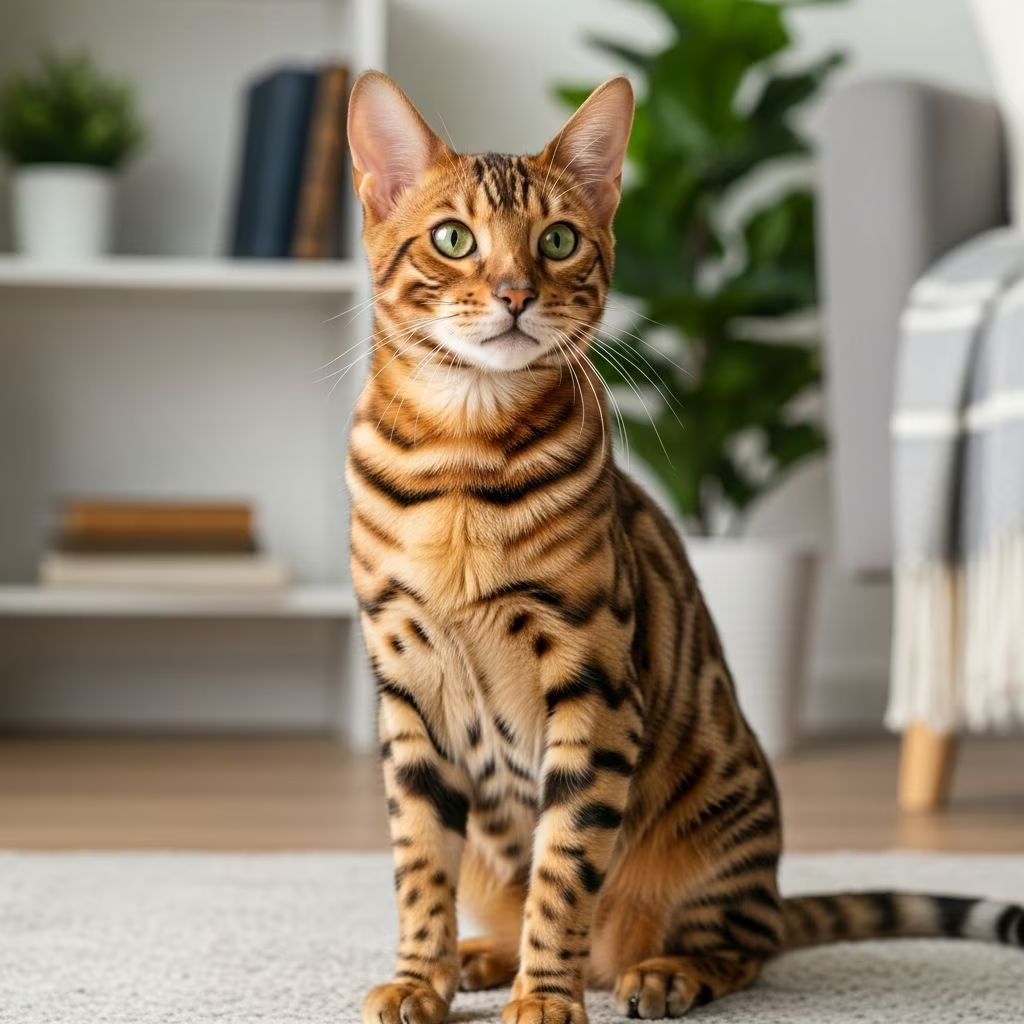
Toygers have a distinctive short, plush, and soft coat that is surprisingly thick and luxurious. Their coat features the characteristic brown mackerel tabby pattern with dark tabby stripes and rosettes that branch out, along with spotted markings on their head. While their short coat certainly makes shedding easier to manage compared to long-haired breeds, this advantage does not make them hypoallergenic.
The misconception about Toyger hypoallergenicity often stems from their minimal shedding characteristics. Many people assume that less shedding means fewer allergens, but this is not entirely accurate. Even though Toygers shed less noticeably than some breeds, they still produce dander and saliva proteins that can trigger allergic reactions in sensitive individuals.
To put this in perspective, the amount of shedding a cat experiences has minimal impact on overall allergen levels in the home. The primary source of allergens is the Fel d 1 protein in saliva and skin secretions, not the fur itself. Therefore, a Toyger’s short coat provides only modest relief for allergy sufferers.
Why No Cat Breed Is Completely Hypoallergenic
The term “hypoallergenic” is often misused when discussing cats. No cat breed is completely hypoallergenic because all cats produce the Fel d 1 protein that causes allergies. However, some breeds are considered “more tolerable” for people with mild allergies because they produce lower levels of this protein.
Breeds such as the Sphynx, Devon Rex, Cornish Rex, and Russian Blue are known to produce fewer allergens than average cats. These breeds either have unique coat types that trap allergens differently or have genetic traits that result in lower Fel d 1 production. Unfortunately, Toygers do not fall into this category.
The distinction is important: while Toygers have advantages in coat management, they do not possess the genetic or physical characteristics that make certain other breeds more suitable for allergy sufferers. Therefore, if you have significant cat allergies, a Toyger may not be the ideal choice, though individual reactions can vary.
Practical Strategies to Reduce Allergens at Home
If you have mild allergies and are committed to living with a Toyger, several practical strategies can help minimize allergen exposure in your home:
Regular Grooming
Grooming your Toyger regularly is one of the most effective ways to reduce allergens. When you groom your cat instead of allowing them to groom themselves, you prevent the spread of saliva-laden allergens across their coat. Additionally, removing loose fur and dander during grooming reduces the amount of allergens that end up on furniture, bedding, and other surfaces. Aim to groom your Toyger at least once weekly with a soft brush to maintain their coat and minimize allergen accumulation.
Air Purification
Installing HEPA air purifiers in your home can significantly reduce airborne allergens. These devices are designed to capture microscopic particles, including cat dander and the proteins that trigger allergic reactions. Place air purifiers in areas where you spend the most time, such as your bedroom or living room, for maximum effectiveness.
Enhanced Cleaning Routines
Maintaining a rigorous cleaning schedule is essential when living with a cat if you have allergies. Regularly vacuum your home with a HEPA-filter vacuum cleaner to remove dander and fur from carpets and upholstered furniture. Wash your cat’s bedding, blankets, and toys frequently in hot water to eliminate accumulated allergens. Additionally, dust surfaces regularly and consider washing your curtains and other fabric items that might harbor allergens.
Bedroom Boundaries
If possible, keep your Toyger out of your bedroom. Your bedroom should be a sanctuary where you can sleep without significant allergen exposure. This simple measure can dramatically improve your quality of sleep and overall comfort if you have allergies.
Neutering and Diet
Interestingly, neutered cats tend to produce fewer allergens than intact cats. If you’re planning to adopt a Toyger, choosing a neutered individual may provide some allergen reduction. Additionally, providing your cat with a diet rich in omega-3 and omega-6 fatty acids promotes healthier skin and fur, which can reduce shedding and potentially limit allergen spread.
Professional Cleaning
Consider hiring professional carpet and upholstery cleaners periodically. Their specialized equipment can remove allergens more effectively than standard household cleaning methods, providing temporary relief during allergy flare-ups.
Testing Your Compatibility Before Adoption
Before committing to adopting a Toyger, it’s wise to spend time around the breed to assess your personal reaction. If you have mild allergies, visit a Toyger owner or breeder and spend several hours in their home. Observe how your body responds to close contact with the cat. Some people find that their allergies are less severe than expected when spending time with certain individual cats, while others may experience stronger reactions.
This hands-on testing is invaluable because allergic reactions can vary significantly between individuals and even between different cats of the same breed. Spending time with a Toyger before adoption helps you make an informed decision based on your actual response rather than theoretical allergen levels.
Toyger Characteristics Beyond Hypoallergenicity
While the hypoallergenic question may be a concern, it’s important to understand what Toygers are like as companions. These cats are known for their outgoing, intelligent, and highly trainable nature. They are playful and enjoy interactive games, and unlike many cat breeds, some Toygers even enjoy playing in or around water, much like dogs would.
Toygers are sociable and form strong bonds with their owners. They are vocal cats that communicate through meows and chirps, and they generally adapt well to family environments with multiple pets. Their muscular build and active temperament mean they require regular play and mental stimulation to stay healthy and content.
From a health perspective, Toygers are generally considered a healthy breed. However, they have been known to have heart murmurs, possibly related to hypertrophic cardiomyopathy. Always request a health guarantee from breeders and ensure any Toyger kitten you consider adopting has undergone appropriate cardiac screening.
Comparing Toygers to Truly Hypoallergenic Alternatives
If you have significant cat allergies but still desire a feline companion, several breeds are genuinely better suited for allergy sufferers:
- Sphynx: Nearly hairless with wrinkled skin, Sphynx cats produce minimal dander despite their lack of fur.
- Devon Rex: Features a curly, soft coat that sheds minimally and requires gentle grooming.
- Cornish Rex: Similar to the Devon Rex, with a wavy coat that traps allergens more effectively.
- Russian Blue: Known for producing lower levels of Fel d 1 protein despite their dense double coat.
- Balinese: A long-haired breed that paradoxically produces fewer allergens due to their single coat and low Fel d 1 levels.
- Siberian: Despite their triple-layered coat, Siberians produce less Fel d 1 protein, making them tolerable for some allergy sufferers.
Frequently Asked Questions
Q: Can mild allergy sufferers safely own a Toyger?
A: Some individuals with mild allergies may be able to own a Toyger, especially if they implement rigorous allergen-reduction strategies and spend time with the breed before adoption. However, there are no guarantees, and reactions vary by individual.
Q: Do Toygers shed less than other cats?
A: Toygers have a short coat and shed less noticeably than long-haired breeds, but they still shed and produce allergens. Coat length does not significantly affect allergen production.
Q: What is the most hypoallergenic cat breed?
A: While no cat is completely hypoallergenic, the Sphynx and Russian Blue are among the breeds that produce fewer allergens. The Sphynx’s nearly hairless coat and the Russian Blue’s lower Fel d 1 protein levels make them better options for allergy sufferers.
Q: Can regular grooming eliminate allergens from a Toyger?
A: Regular grooming significantly reduces allergen levels but cannot eliminate them entirely. Grooming removes loose fur and dander while preventing cats from spreading saliva-laden allergens across their coat.
Q: Are male or female Toygers better for allergy sufferers?
A: Neutered cats of both sexes produce fewer allergens than intact cats. Gender is less important than whether the cat has been spayed or neutered.
Q: How can I test if I’m allergic to Toygers before adopting?
A: Spend several hours in close contact with a Toyger at a breeder’s or owner’s home. Observe your physical response, including any sneezing, itching, or respiratory symptoms, before making an adoption decision.
References
- Toyger Cat Breed: Personality & Characteristics — Holistapet. January 2026. https://www.holistapet.com/blogs/cat-breeds/toyger
- Are Toygers Hypoallergenic? Vet-Approved Facts & Tips — Catster. January 2026. https://www.catster.com/lifestyle/are-toygers-hypoallergenic/
- Top 8 Hypoallergenic Cat Breeds — Basepaws. January 2026. https://basepaws.com/blog/top-8-hypoallergenic-cat-breeds
- Toyger: Cat Breed Profile, Characteristics & Care — Dial A Vet. January 2026. https://www.dialavet.com/blog/toyger-cat-breed-profile-characteristics-care
- Toyger Cats: Miniature Tigers with Big Hearts for Aussie Homes — Pet Care Shed. January 2026. https://petcareshed.com.au/blogs/pet-supplies/toyger-cats-miniature-tigers-guide-australia
- Toyger Cat Breed Information — Purina New Zealand. January 2026. https://www.purina.co.za/find-a-pet/cat/breed-library/toyger



