

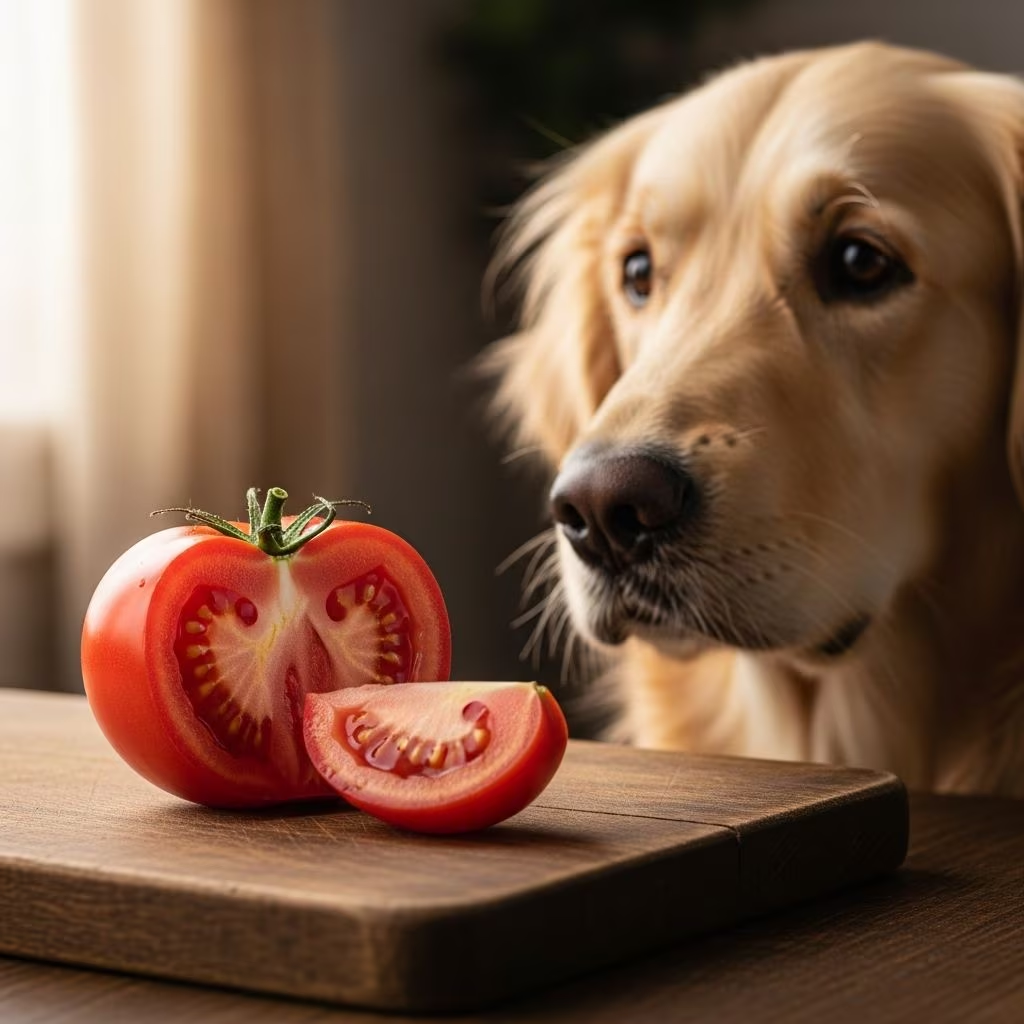
Dogs can safely consume ripe, red tomatoes in small amounts as an occasional treat, providing nutritional perks without harm. However, unripe green tomatoes, stems, leaves, and vines pose serious risks due to natural toxins like solanine and tomatine, which can trigger digestive upset or neurological issues if ingested.
Understanding Tomato Parts and Canine Safety
Tomatoes belong to the nightshade family, alongside potatoes and peppers, which naturally produce glycoalkaloids as defense mechanisms. In ripe tomatoes, these compounds diminish significantly, making the fleshy red interior non-toxic for dogs. The American Kennel Club notes that only small quantities of fully ripened tomato fruit are advisable, emphasizing the distinction between safe fruit and hazardous plant components.
Green, unripe tomatoes retain higher levels of these alkaloids, particularly concentrated in the skin and core. Stems and foliage serve as primary toxin reservoirs, where solanine levels can cause poisoning even in moderate exposures. Veterinary experts recommend complete avoidance of these elements to prevent adverse reactions.
Nutritional Upsides of Ripe Tomatoes for Canines
When offered sparingly, ripe tomatoes deliver valuable micronutrients that complement a dog’s primary diet. Key benefits include:
- Vitamin C boost: Supports immune response and collagen formation for skin and joint integrity.
- Potassium supply: Aids muscle contractions, nerve signals, and fluid balance.
- Fiber content: Promotes regular bowel movements and gut microbiome health.
- Lycopene antioxidants: Renowned for combating oxidative stress, potentially benefiting cardiovascular wellness and reducing inflammation.
- Vitamins A and K: Enhance vision, bone metabolism, and blood clotting functions.
These elements make tomatoes a low-calorie option—around 4 calories per thin slice—ideal for weight-conscious pets. Sources like the ASPCA affirm that properly prepared ripe tomatoes pose no toxicity concerns and can enhance treat variety without displacing balanced commercial kibble.
Hidden Dangers in Tomato Plants
While the fruit may seem innocuous, the broader tomato plant harbors glycoalkaloids that disrupt canine physiology. Solanine interferes with nerve impulses and digestion, mimicking symptoms of cholinergic crisis: excessive salivation, dilated pupils, and abdominal cramps. Tomatine exacerbates intestinal permeability, leading to diarrhea and dehydration.
Severity scales with quantity consumed and dog size; larger breeds tolerate minor exposures better than toy varieties. Pet Poison Helpline reports common manifestations including lethargy, tremors, and loss of appetite, urging immediate veterinary intervention for any plant part ingestion.
| Tomato Part | Safety Level | Key Toxins | Potential Symptoms |
|---|---|---|---|
| Ripe Red Flesh | Safe in Moderation | Minimal | None (if plain) |
| Green Unripe Fruit | Toxic | Solanine, Tomatine | Vomiting, Diarrhea |
| Stems & Leaves | Highly Toxic | High Solanine | Lethargy, Tremors, Weakness |
| Vines & Blossoms | Toxic | Tomatine | GI Upset, Coordination Loss |
Recognizing and Responding to Tomato Toxicity
Early detection hinges on behavioral shifts post-exposure. Watch for gastrointestinal signs like persistent retching or loose stools within hours. Neurological red flags—unsteady gait, muscle fasciculations, or confusion—demand urgent care, as they signal escalating alkaloid impact on the central nervous system.
Do not induce vomiting without professional guidance, as certain toxins worsen with aspiration. Hydration support and activated charcoal administration often form initial treatments, per veterinary protocols. Prompt action minimizes complications, with most cases resolving uneventfully under supervision.
Best Practices for Introducing Tomatoes
Incorporate tomatoes thoughtfully to gauge tolerance:
- Select quality: Choose fully ripened, vibrant red specimens; discard any with green shoulders.
- Prepare properly: Core and dice into petite, manageable chunks; excise stems meticulously.
- Portion wisely: Limit to 10% of daily caloric intake; start with one teaspoon per 10 pounds of body weight.
- Monitor reaction: Observe for 24-48 hours post-feeding for digestive harmony.
- Avoid additives: Shun salts, oils, or dressings that compound acidity.
Puppies, seniors, and those with pre-existing gastric sensitivities warrant extra caution; consult a veterinarian prior to trials.
Tomato Derivatives: Sauce, Soup, and Beyond
Processed tomato items introduce variables beyond the fruit itself. Plain, unsalted passata might pass in trace amounts, but commercial sauces bristle with garlic, onions, and spices—Heinz-like varieties contain allium compounds hemolytic to erythrocytes. Creamy soups amplify risks via dairy lactose intolerance and sodium overload.
Pizza toppings or ketchup? Firmly off-limits; high fructose and preservatives provoke pancreatitis flares. Stick to fresh, unadorned flesh for risk-free enjoyment.
Comparing Tomatoes to Other Nightshade Treats
| Food | Safe Parts for Dogs | Toxicity Risks | Nutritional Notes |
|---|---|---|---|
| Tomatoes | Ripe flesh | Green parts high solanine | High lycopene, low cal |
| Potatoes | Cooked, peeled | Raw/green skins toxic | Starchy energy source |
| Bell Peppers | Ripe, deseeded | Minimal | Vitamin C rich |
| Eggplant | Cooked flesh | Solanine in skin | Fiber, antioxidants |
Garden Precautions for Dog Owners
Backyard tomato patches tempt curious sniffers. Erect fencing exceeding 4 feet, apply mulch barriers, and harvest promptly to deter access. Indoor plants demand elevated shelving or hanging baskets. Train ‘leave it’ cues reinforced with high-value rewards to avert opportunistic munching.
Frequently Asked Questions
Can small dogs eat cherry tomatoes?
Yes, halved cherry tomatoes suit tiny breeds if seedless and ripe, but cap at one or two pieces to avert overload.
Is tomato juice okay for dogs?
No—acidity and potential additives like salt render it unsuitable; opt for fresh alternatives.
What if my dog ate a green tomato?
Contact your vet or poison hotline immediately; symptoms may lag but require monitoring.
Do tomatoes help with dog allergies?
Lycopene’s anti-inflammatory traits offer minor aid, but they don’t substitute allergy therapeutics.
How often can I give tomatoes?
Once weekly maximum, as part of varied treat rotation, never exceeding 10% daily calories.
Enhancing Your Dog’s Diet Responsibly
Tomatoes enrich palatability without nutritional primacy; prioritize AAFCO-compliant foods furnishing complete profiles. Diversify treats with carrots, blueberries, or green beans for broader micronutrient spectra. Annual vet checkups calibrate needs amid life stage shifts.
By honoring boundaries—ripe only, minimal quantities, vigilant prep—tomatoes transition from garden staple to wholesome indulgence, fortifying the human-canine bond through shared, safe culinary adventures.
References
- Can Dogs Eat Tomatoes? — American Kennel Club. 2023-05-15. https://www.akc.org/expert-advice/nutrition/can-dogs-eat-tomatoes/
- Can Dogs Eat Tomatoes? A Guide to Safety — Purina US. 2024-02-10. https://www.purina.com/articles/dog/feeding/can-dogs-eat/tomatoes
- Can Dogs Eat Tomatoes? — ASPCA (via referenced expertise). 2023-11-01. https://www.aspca.org/pet-care/animal-poison-control/toxic-and-non-toxic-plants/tomato-plant
- Can Dogs Eat Tomatoes? Are They Safe? — Pet Poison Helpline (via Hill’s Pet). 2024-01-20. https://www.petpoisonhelpline.com/poison/tomato/
- Can Dogs Eat Tomatoes? — Hill’s Pet Nutrition. 2023-08-05. https://www.hillspet.com/dog-care/nutrition-feeding/can-dogs-eat-tomatoes



