

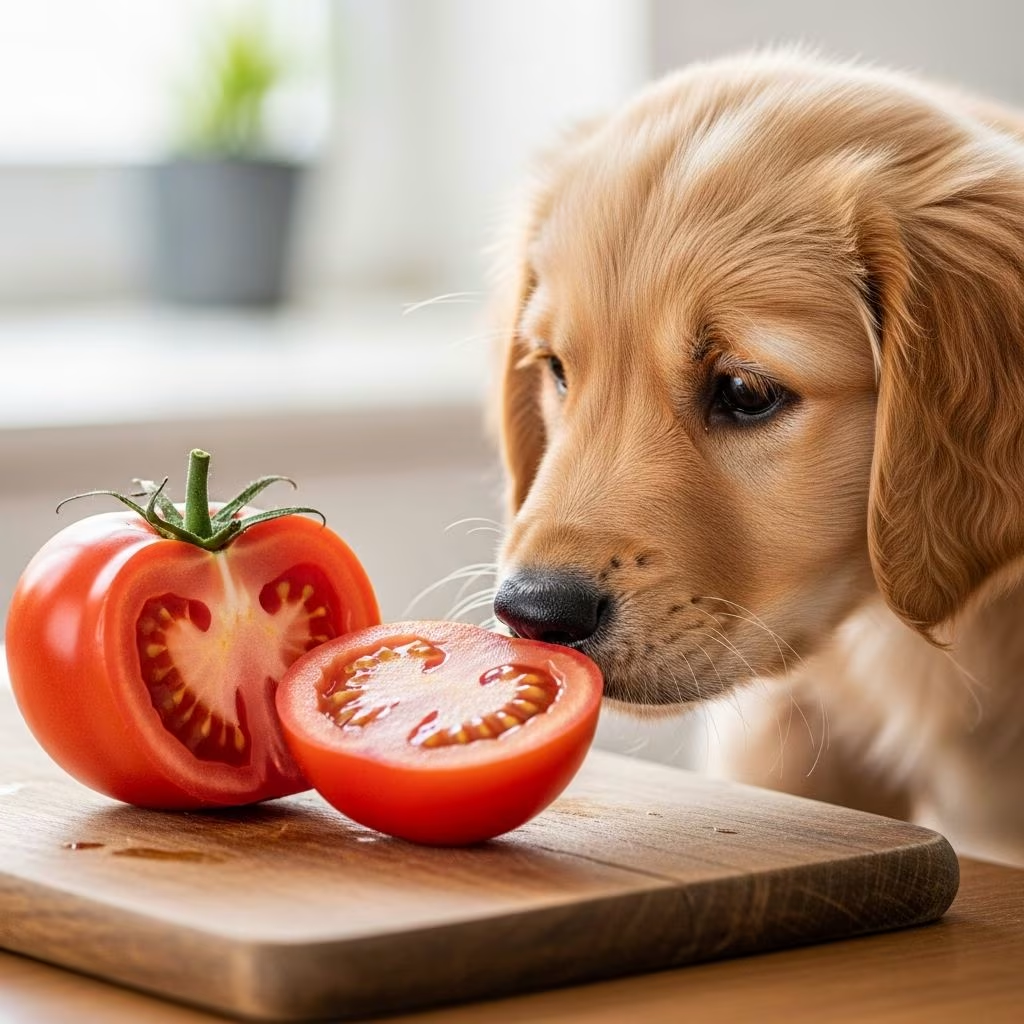
Ripe, red tomatoes can be a safe and nutritious occasional treat for dogs when fed in moderation, providing essential vitamins and antioxidants, but all green parts of the plant must be strictly avoided due to toxic compounds like tomatine and solanine.
Understanding Tomato Safety for Canines
Tomatoes belong to the nightshade family, which includes plants with varying levels of natural toxins. For dogs, the key distinction lies in ripeness: fully ripened red tomatoes pose minimal risk and offer nutritional value, while unripe green tomatoes and foliage contain higher concentrations of harmful glycoalkaloids.
These toxins, primarily tomatine in immature fruit and leaves, and solanine in stems, can lead to gastrointestinal distress or more severe symptoms if ingested in significant quantities. Veterinary sources emphasize that ripe fruit is non-toxic, making it suitable as a low-calorie snack.
Nutritional Advantages of Ripe Tomatoes
Incorporating small amounts of ripe tomatoes into a dog’s diet can contribute positively to overall health. These fruits are rich in several key nutrients tailored to canine needs.
- Vitamin A: Supports vision, skin health, and immune function by aiding cell growth and repair.
- Vitamin C: Acts as an antioxidant, bolstering the immune system and protecting against oxidative stress from free radicals.
- Potassium: Essential electrolyte that regulates muscle contractions, nerve signals, and fluid balance.
- Lycopene and Beta-Carotene: Powerful antioxidants linked to reduced inflammation, heart health support, and potential cancer risk mitigation.
- Fiber and Vitamin K: Promote digestive regularity and blood clotting processes.
Tomatoes’ low caloric content—around 3 calories per cherry tomato—makes them ideal for weight management, comprising no more than 10% of daily caloric intake as treats.
Identifying and Avoiding Toxic Components
The primary hazards stem from the tomato plant’s green elements, not the ripe flesh. Here’s a breakdown:
| Part of Plant | Safety Level | Toxins Present | Potential Effects |
|---|---|---|---|
| Ripe red fruit | Safe in moderation | Minimal tomatine | Nutritional benefits |
| Green/unripe tomatoes | Toxic | High tomatine/solanine | GI upset, lethargy |
| Leaves and stems | Toxic | Solanine, tomatine | Drooling, tremors, weakness |
| Seeds and skin (ripe) | Generally safe | Negligible | May pass undigested |
Garden owners should fence off tomato plants to prevent curious dogs from foraging. Symptoms of poisoning include vomiting, diarrhea, excessive drooling, loss of coordination, tremors, or seizures—contact a vet immediately if observed.
Safe Preparation and Portion Guidelines
To share tomatoes safely:
- Select only fully ripe, red (or variety-specific orange/yellow) tomatoes.
- Wash thoroughly and remove stems, leaves, and any green spots.
- Chop into small, bite-sized pieces to prevent choking and aid digestion.
- Serve plain—never with salt, oils, seasonings, garlic, onions, or in sauces/soups, which introduce additional toxins or irritants.
- Introduce gradually: start with one small slice to monitor for allergies or sensitivities.
Portion sizes vary by dog size:
| Dog Size | Suggested Amount | Frequency |
|---|---|---|
| Small (<20 lbs) | 1-2 cherry tomatoes | 1-2x/week |
| Medium (20-50 lbs) | 1/4 medium tomato | 2x/week |
| Large (>50 lbs) | 1/2 medium tomato | 2-3x/week |
Excessive amounts, even of ripe tomatoes, can cause acidity-related issues like gas, diarrhea, or vomiting due to their water and fiber content.
Health Risks Beyond Toxicity
Even safe tomatoes carry caveats:
- Acidity: May exacerbate conditions like acid reflux or sensitive stomachs.
- Allergies: Rare, but watch for itching, hives, or ear infections post-consumption.
- Obesity Risk: When combined with high-calorie diets, treats add up quickly.
- Processed Products: Ketchup, pasta sauce, and canned varieties often contain harmful additives like xylitol or excessive sodium.
Dogs with kidney issues should avoid high-potassium foods; consult a vet for personalized advice.
Tomatoes in Commercial Dog Foods
Many premium dog foods list tomatoes as ingredients, leveraging their dried pulp for fiber and nutrients without toxin risks. Processing removes green parts and concentrates benefits like lycopene, which studies link to improved cardiovascular health in pets. Always check labels for whole, ripe tomato derivatives over sauces.
Real-World Scenarios and Precautions
Preventive measures include:
- Supervising outdoor time near gardens or farms.
- Educating family members on safe sharing from meals.
- Storing tomatoes out of reach to curb begging.
If accidental ingestion occurs, note the quantity and part consumed, then call the Pet Poison Helpline or a vet. Most mild cases resolve with withholding food and hydration, but severe poisoning requires professional intervention.
Alternatives to Tomatoes for Variety
For similar benefits without risks:
- Carrots: Crunchy vitamin A source.
- Blueberries: Antioxidant-packed berries.
- Sweet Potatoes: Fiber-rich potassium alternative.
- Green Beans: Low-cal filler for satiety.
These provide comparable nutrition safely.
Frequently Asked Questions
Can puppies eat tomatoes?
Limited small amounts of ripe tomatoes are okay for puppies over 8 weeks, but prioritize balanced puppy food. Avoid if prone to tummy issues.
Are cherry tomatoes safe for dogs?
Yes, ripe cherry tomatoes are safe and popular due to size, but cut in half to remove stems and prevent whole swallowing.
What if my dog ate a green tomato?
Monitor for symptoms like vomiting or lethargy. Contact a vet promptly, especially for larger amounts.
Do tomato seeds harm dogs?
Ripe seeds are not toxic and pass through harmlessly, though some owners remove them for easier digestion.
Can tomatoes help with my dog’s weight loss?
Their low calories and high water content make them suitable for fat dogs as meal toppers, replacing higher-cal treats.
Expert Insights on Long-Term Feeding
Veterinarians recommend tomatoes as rotational treats within a varied diet, emphasizing balance from complete foods. Lycopene bioavailability increases with cooked tomatoes, but raw is preferable for dogs to retain vitamin C. Regular health checks ensure treats complement—not compete with—core nutrition.
References
- Can Dogs Eat Tomatoes? Benefits, Risks, and Feeding Tips — PetMD. 2023-05-15. https://www.petmd.com/dog/nutrition/can-dogs-eat-tomatoes
- Can Dogs Eat Tomatoes? — American Kennel Club (AKC). 2024-02-20. https://www.akc.org/expert-advice/nutrition/can-dogs-eat-tomatoes/
- Can Dogs Eat Tomatoes? Are They Safe? — Hill’s Pet Nutrition. 2023-11-10. https://www.hillspet.com/dog-care/nutrition-feeding/can-dogs-eat-tomatoes
- Can Dogs Eat Tomatoes? — Chewy. 2024-01-08. https://www.chewy.com/education/dog/food-and-nutrition/can-dogs-eat-tomatoes
- Can Dogs Eat Tomatoes: Unveiling the Truth — Red Gold Tomatoes (citing ASPCA/AKC). 2023-07-22. https://www.redgoldtomatoes.com/redgoldtomatoes/post/can-dogs-eat-tomatoes-unveiling-the-truth



