

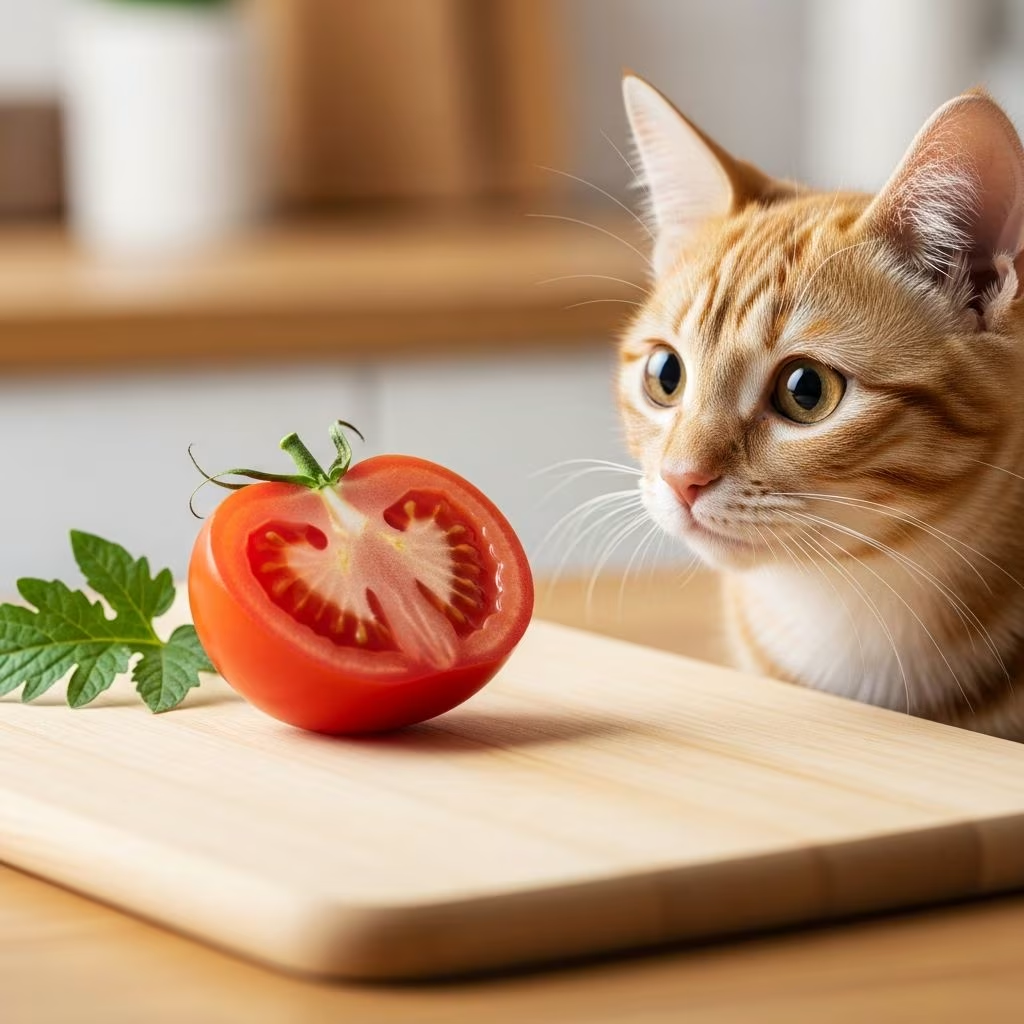
While many pet owners enjoy sharing table scraps with their cats, tomatoes require careful consideration. Ripe, red tomatoes can be offered in tiny portions as an occasional treat without harm, but unripe green tomatoes, stems, leaves, and vines pose serious toxicity risks due to natural compounds like solanine and tomatine.
Understanding Tomato Parts and Their Impact on Feline Health
Tomatoes belong to the nightshade family, which includes potatoes and eggplants, known for producing glycoalkaloids that protect plants but can affect animals. In cats, these substances primarily target the digestive and nervous systems when consumed in problematic amounts.
- Ripe Red Fruit: As tomatoes fully ripen to red, toxin levels drop to negligible amounts, making the fleshy part safe for occasional nibbling.
- Green Unripe Fruit: High concentrations of solanine and tomatine here can lead to upset stomach, vomiting, diarrhea, lethargy, and in severe cases, neurological issues.
- Stems, Leaves, and Vines: These green plant parts maintain elevated toxin levels regardless of fruit ripeness, so indoor or garden plants must be inaccessible to curious cats.
Pet owners should inspect garden areas or potted plants, as cats may chew on foliage out of boredom or instinct, mistaking it for grass.
Nutritional Profile: What Do Tomatoes Offer Cats?
Cats are obligate carnivores, evolved to derive nearly all nutrition from animal sources like meat proteins and fats. Plant foods like tomatoes provide supplementary elements but cannot replace a complete feline diet.
| Nutrient | Benefit for Cats | Amount in Small Tomato Piece (est. 20g) |
|---|---|---|
| Lycopene (antioxidant) | May support cellular health | Trace |
| Vitamin C | Immune aid (cats produce their own) | Minimal |
| Vitamin A | Vision and skin health | Low |
| Potassium | Muscle/nerve function | Small |
| Water Content | Hydration boost | High (94% water) |
These perks are minor since cats synthesize vitamin C internally and efficiently process meat-based vitamin A precursors. Hydration stands out, especially for dry-food eaters with low thirst instincts.
Recognizing and Responding to Tomato-Related Issues
If your cat ingests unsafe tomato parts, watch for prompt symptoms to act quickly.
- Gastrointestinal: Vomiting, diarrhea, drooling
- Behavioral: Lethargy, weakness, loss of appetite
- Severe: Tremors, confusion, rapid breathing
Contact a vet immediately for suspected exposure; they may induce vomiting or provide supportive care like fluids. Most cases resolve with minimal intervention if caught early.
Safe Ways to Introduce Tomatoes to Your Cat
For healthy adult cats, limit to pea-sized pieces of ripe, organic tomato flesh—peeled and stem-free—to minimize pesticide risks. Introduce gradually over days, observing for tolerance.
- Frequency: No more than once weekly, under 10% of total calories from treats.
- Preparation: Wash thoroughly, dice small, serve plain.
- Portion Guide: 1-2 teaspoons max per 10 lbs body weight.
Avoid processed forms: sauces, ketchup, soups often pack salt, sugar, garlic, or onions—cat health hazards.
Who Should Skip Tomatoes Entirely?
Not all cats benefit from this treat. Steer clear for:
- Kittens: Immature systems amplify toxin sensitivity; stick to kitten formula.
- Seniors or Ill Cats: Kidney disease, IBD, or allergies heighten upset risks.
- Breed Predispositions: Siamese or Bengals may show nightshade intolerance.
Consult your vet for personalized advice, especially with chronic conditions.
Superior Treat Alternatives Tailored for Cats
Prioritize carnivore-appropriate options over veggies for nutrition and appeal.
| Treat Type | Why Better? | Serving Idea |
|---|---|---|
| Freeze-Dried Meat (chicken, fish) | High protein, mimics prey | Small chunks daily |
| Cooked Plain Fish (salmon) | Omega-3s for coat/skin | Weekly pinky-tip size |
| Cat-Safe Herbs (catnip, wheatgrass) | Hydration, enrichment | Sprouts as needed |
| Commercial Treats (low-cal) | Balanced nutrients | Per package limits |
These satisfy instincts while supporting health far beyond tomato snippets.
Growing Tomatoes? Cat-Proofing Your Space
Tomato plants tempt outdoor explorers. Use deterrents:
- Fencing or netting around gardens
- Indoor pots on high shelves
- Bitter sprays on leaves
- Distraction toys to curb plant-chewing
Harvest ripe fruits promptly to limit access.
FAQs: Common Questions on Cats and Tomatoes
Can cats eat cherry tomatoes?
Yes, ripe cherry tomatoes follow the same rules: small amounts of red flesh only, no stems.
Is tomato juice okay for cats?
No—it’s often salted or processed; plain water or broth is safer for hydration.
What if my cat ate a green tomato?
Monitor for symptoms and call your vet or pet poison hotline promptly.
Are cooked tomatoes safe?
Plain cooked ripe tomatoes are fine in moderation, but avoid seasoned dishes.
Do tomatoes cause allergies in cats?
Rarely, but itching or swelling warrants a vet check and elimination trial.
Key Takeaways for Cat Owners
Tomatoes aren’t toxic villains or superfoods for cats—moderation defines safety. Focus on a meat-centric diet, using ripe bits sparingly for variety. Vigilance around plants prevents mishaps, ensuring your cat thrives.
References
- Can Cats Eat Tomatoes? — Petworks. 2023. https://www.petworks.com/articles/can-cats-eat-tomatoes/
- Can Cats Eat Tomatoes? Understanding Risks and Benefits — Jet Pet Resort. 2023. https://jetpetresort.com/blog/pet-care/can-cats-eat-tomatoes-understanding-risks-and-benefits/
- Can Cats Eat Tomatoes? — Kinship. 2024. https://www.kinship.com/cat-nutrition/can-cats-eat-tomatoes
- Can Cats Eat Tomatoes? — Chewy. 2024. https://www.chewy.com/education/cat/food-and-nutrition/can-cats-eat-tomatoes
- Can Cats Eat Tomatoes? — Untamed. 2023. https://untamed.com/blogs/nutrition/can-cats-eat-tomatoes



