

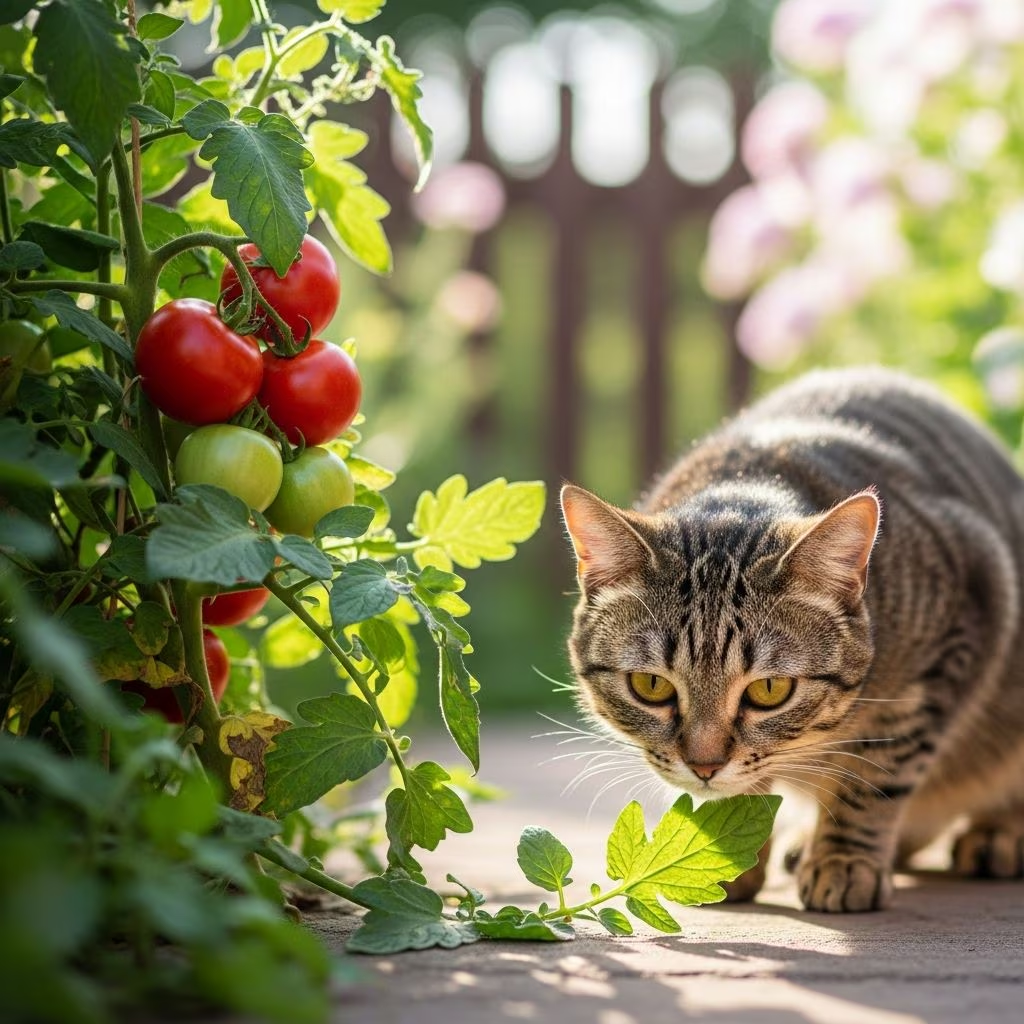
Tomato plants are toxic to cats due to compounds like solanine and tomatine found in their leaves, stems, and unripe fruit, while ripe tomatoes are generally safe.
Welcoming a cat into your home brings joy, but it also means safeguarding them from everyday hazards like common garden plants. If your cat ventures outdoors or you grow tomatoes indoors, understanding the risks is crucial for their health.
What Makes Tomato Plants Toxic to Cats?
The tomato plant (Solanum lycopersicum) belongs to the nightshade family (Solanaceae), which produces natural alkaloids as a defense mechanism. The primary toxins are solanine and tomatine, concentrated in green parts: leaves, stems, vines, and unripe (green) tomatoes.
Ripe, red tomatoes have low toxin levels, making them non-toxic in small amounts, though cats, as obligate carnivores, gain little nutritional benefit from them. Tomatine, specifically, irritates the gastrointestinal tract and can affect the nervous system when ingested.
According to the ASPCA, ingestion leads to symptoms including:
- Hypersalivation (excessive drooling)
- Lack of appetite
- Gastrointestinal upset (vomiting, diarrhea)
- Weakness and lethargy
- Slowed heart rate
- Dilated pupils
PetMD confirms solanine in leaves and stems triggers these effects, even from small amounts, causing discomfort but rarely fatal outcomes in cats. Pet Poison Helpline notes that while large quantities are needed for severe poisoning, any ingestion warrants attention due to GI distress.
Can Cats Eat Tomatoes?
Ripe tomatoes are safe for cats in tiny portions, offering vitamins like C, folate, potassium, and K1, but they’re not beneficial for feline diets. Cats’ digestive systems aren’t equipped for plant-based foods, so tomatoes provide negligible nutrition and may cause upset.
Avoid unripe tomatoes, as they retain high solanine levels. Tomato-based products like sauces often include garlic, onions, salt, or spices toxic to cats—steer clear entirely.
| Tomato Part | Toxicity Level | Symptoms if Ingested |
|---|---|---|
| Ripe Fruit | Low/Non-toxic | Possible mild GI upset |
| Green Fruit | Toxic | GI upset, drooling, lethargy |
| Leaves/Stems/Vines | Highly Toxic | Drooling, vomiting, dilated pupils, slow heart rate |
This table summarizes risks based on plant parts, helping owners quickly assess dangers.
What to Do if Your Cat Eats a Tomato Plant
Act swiftly if you suspect ingestion. Contact your veterinarian or an animal poison hotline like Pet Poison Helpline (855-764-7661). Provide details: amount eaten, time of ingestion, and symptoms.
Early signs include drooling and nausea; advanced ones like dilated pupils or depression signal emergencies. Vets may induce vomiting, administer activated charcoal, or provide IV fluids for dehydration.
Do not wait for symptoms—proactive care prevents escalation. Monitor indoor/outdoor cats closely, especially in gardens.
How to Keep Your Cat Away From Tomato Plants
Prevention is key. Strategies include:
- Remove plants: Eliminate tomato plants from yards, patios, or indoors if feasible.
- Use barriers: Install tomato cages, chicken wire fencing, or elevated pots cats can’t reach.
- Deterrents: Apply cat-safe bitter sprays on plants; citrus peels or aluminum foil work as natural repellents.
- Indoor supervision: Keep cats indoors or use catios (enclosed outdoor spaces) to limit garden access.
- Alternatives: Grow cat-safe plants like catnip or wheatgrass for nibbling.
Cats often sample plants out of curiosity but reject bitter tomato foliage after one taste. For wandering outdoor cats, neighborhood awareness helps, but indoor living reduces risks significantly.
Other Toxic Plants to Watch For
Tomatoes aren’t the only garden threat. Common toxic plants include:
- Lilies: Extremely toxic; even pollen or vase water causes kidney failure.
- Pothos: Causes oral irritation, drooling, vomiting.
- ZZ Plant: Calcium oxalate crystals lead to vomiting, diarrhea.
- Jade Plant: Vomiting, incoordination.
- Snake Plant: Nausea, diarrhea.
- Aloe Vera: Vomiting, lethargy.
Avoid these in cat-accessible areas. Check ASPCA’s toxic plant list for comprehensive guidance.
Tomato Plant Poisoning Severity in Cats
Most cases are mild, resolving with supportive care, but tomatine affects digestion and neurology. WagWalking notes alpha-tomatine and alpha-dehydrotomatine as culprits, with symptoms varying by amount ingested.
Rarely fatal in cats due to low ingestion volumes, but chronic exposure or large bites heightens risks. Vulnerable cats (kittens, seniors, those with health issues) need extra vigilance.
FAQs
Are ripe tomatoes safe for cats?
Yes, small amounts of plain ripe tomatoes are non-toxic but offer no real benefit and may cause mild upset.
Is tomato sauce okay for my cat?
No, sauces contain garlic, onions, and salt, which are harmful.
What if my cat only nibbled a leaf?
Monitor for symptoms and call your vet; even small amounts can irritate.
Can outdoor cats safely roam near tomato gardens?
Minimize access with fencing; curiosity drives tasting, but bitterness deters most.
How do I make my garden cat-proof?
Use barriers, deterrents, and safe plants; consider indoor-only living for ultimate safety.
Conclusion
Tomato plants pose real risks to cats via toxic green parts, but simple precautions keep your pet safe. Prioritize removal or deterrence, act fast on exposure, and consult vets promptly. Your vigilance ensures a healthy, happy feline companion.
References
- Are Tomato Plants Toxic to Cats? Vet-Reviewed Houseplants — Catster. 2023. https://www.catster.com/nutrition/are-tomato-plants-toxic-to-cats/
- Can Cats Eat Tomatoes? — PetMD. 2024-05-15. https://www.petmd.com/cat/nutrition/can-cats-eat-tomatoes
- What Plants are Toxic to Cats? — GO! Solutions. 2024. https://go-solutions.com/en-us/blog/what-plants-are-toxic-to-cats
- Tomato Plant — Pet Poison Helpline. 2024. https://www.petpoisonhelpline.com/poison/tomato-plant/
- Tomato Plant Poisoning in Cats — WagWalking. 2023-10-20. https://wagwalking.com/cat/condition/tomato-plant-poisoning



