

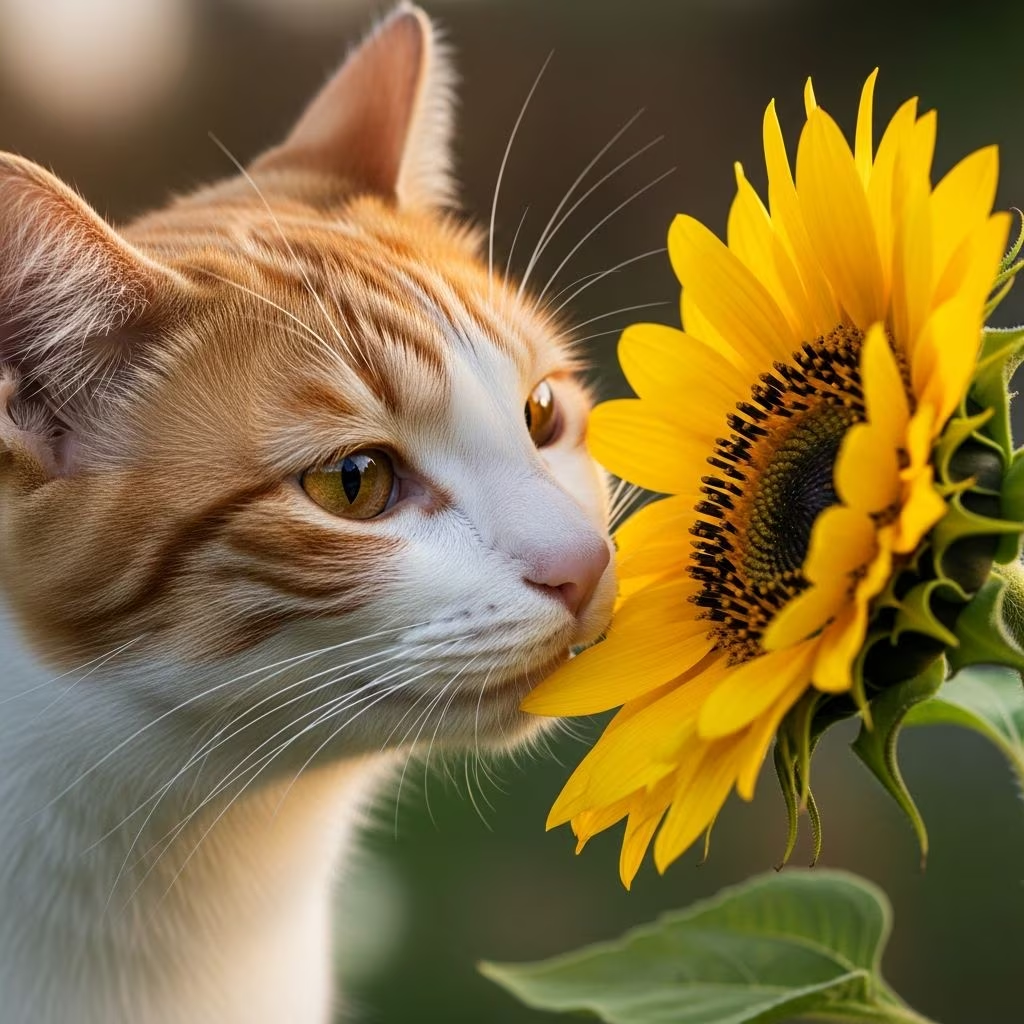
Sunflowers (Helianthus annuus) are vibrant, cheerful flowers that brighten homes and gardens, but cat owners often wonder if they pose a risk to their pets. The good news is that sunflowers are **non-toxic to cats**, as confirmed by the American Society for the Prevention of Cruelty to Animals (ASPCA). Every part of the plant—including leaves, stems, flowers, and seeds—is safe for feline consumption in small amounts. However, while not poisonous, overindulgence can lead to mild gastrointestinal discomfort, emphasizing the importance of moderation and supervision.
Cats are curious creatures with a penchant for nibbling on plants, often to aid digestion or satisfy nutritional cravings. Understanding the nuances of sunflower safety allows pet parents to enjoy these blooms without worry, while fostering a cat-friendly environment. This comprehensive guide covers sunflower safety, potential risks, safe alternatives, and expert advice from authoritative sources like the ASPCA.
Are Sunflowers Safe for Cats?
Yes, sunflowers are generally safe for cats. The ASPCA explicitly lists sunflowers as non-toxic to cats, dogs, and horses, meaning ingestion won’t cause poisoning or severe health issues. Multiple veterinary and pet health resources echo this: the kernels of sunflower seeds are harmless, and occasional nibbling on petals, leaves, or stems typically passes without incident.
Cats may chew on sunflowers for fiber, which helps with hairball prevention—a natural behavior since felines are obligate carnivores but occasionally seek greens for gut health. In 2021 alone, the ASPCA handled over 401,550 pet poisoning cases, many plant-related, highlighting why knowing safe options like sunflowers is crucial.
- Petals: Soft and harmless; unlikely to cause issues.
- Leaves and stems: Fibrous but non-toxic; small amounts aid digestion.
- Seeds (kernels): Nutritious in moderation, rich in healthy fats and vitamin E.
That said, safety isn’t absolute. Individual cats may react differently due to sensitivities, and large quantities can overwhelm a cat’s digestive system, leading to temporary upset.
Potential Risks of Sunflowers for Cats
Although non-toxic, sunflowers aren’t risk-free. The primary concern is **overconsumption**, which can cause mild symptoms like vomiting, diarrhea, or lethargy due to the high fiber and fat content. Sunflower seeds, in particular, pose a unique hazard: the hard, sharp shells can irritate the digestive tract or cause blockages if swallowed. Always offer shelled kernels if sharing with your cat.
| Plant Part | Safety Level | Potential Issues |
|---|---|---|
| Petals | Safe | None in small amounts |
| Leaves/Stems | Safe | Mild GI upset if excessive |
| Seeds (kernels) | Safe in moderation | Upset stomach from fats/fiber |
| Seed shells | Avoid | Irritation, choking, blockages |
Rarely, some cats may exhibit allergic-like reactions, such as itching or sneezing, though true allergies to sunflowers are uncommon. Pollen from large sunflower heads could cause minor respiratory irritation if inhaled excessively, but this is more environmental than toxic. Compared to truly dangerous plants, these risks are minimal—lilies, for instance, can cause fatal kidney failure within days.
Sunflower Seeds and Cats: What You Need to Know
Sunflower seeds deserve special attention. The edible kernels are non-toxic and can even provide nutritional benefits like unsaturated fats, protein, and antioxidants, mimicking wild foraging. However, human snacks often include salt, seasonings, or oils that are harmful to cats—stick to plain, unsalted, shelled seeds in tiny portions (e.g., 1-2 seeds daily for an average adult cat).
Key precautions:
- Remove shells completely to prevent sharp edges from puncturing the gut.
- Avoid flavored varieties (e.g., ranch or BBQ).
- Monitor for signs of overfeeding: loose stools or reduced appetite.
If your cat raids the bird feeder, discourage it—fermented or moldy seeds could introduce bacteria. Veterinary experts recommend treats make up no more than 10% of a cat’s diet to maintain nutritional balance.
Cat-Friendly Flowers: Safe Alternatives to Toxic Plants
Not all flowers are as forgiving as sunflowers. Many popular blooms are toxic, making research essential. The ASPCA and similar organizations categorize plants clearly, empowering owners to choose wisely.
Safe flowers for cats (including sunflowers):
- Sunflowers
- Roses (petals only; thorns are a physical hazard)
- Gerber daisies
- Snapdragons
- Cat-friendly orchids (e.g., Phalaenopsis)
Toxic flowers to avoid:
- Lilies: All true lilies (e.g., Easter, Tiger, Daylilies) cause acute kidney failure; even pollen is deadly.
- Tulips: Contain tulipalin A/B; bulbs are most toxic, leading to vomiting and heart issues.
- Daffodils: Alkaloids cause severe GI distress and cardiac arrhythmias.
- Carnations/Sweet Peas: Mild to moderate toxicity with drooling and irritation.
- Lavender: Essential oils upset the stomach.
To create a safe floral display:
- Research via ASPCA’s plant list before buying.
- Elevate vases out of reach.
- Opt for potted safe plants over cut flowers.
Safe greenery enriches your home, reduces stress for cats, and prevents the 400,000+ annual poisoning incidents.
What to Do If Your Cat Eats Sunflowers
If your cat munches on sunflowers, observe for 24-48 hours. Most cases resolve naturally, but watch for:
- Vomiting (more than once)
- Diarrhea persisting >24 hours
- Lethargy or loss of appetite
- Abdominal pain (hunched posture)
For mild symptoms, withhold food for 12 hours, offer water, and use a bland diet (boiled chicken/rice). Severe signs warrant immediate vet care—bring a plant sample. The ASPCA Poison Control Hotline (888-426-4435) offers 24/7 guidance. Early intervention prevents escalation, especially if other plants are involved.
Toxic vs. Non-Toxic Plants: A Quick Reference Guide
| Non-Toxic (Safe) | Toxic (Avoid) |
|---|---|
| Sunflowers Roses Gerberas | Lilies Tulips Daffodils |
| Snapdragons Orchids | Carnations Lavender Sweet Peas |
This table summarizes key options; always cross-reference with official lists.
Frequently Asked Questions (FAQs)
Are sunflowers poisonous to cats?
No, sunflowers are non-toxic to cats per the ASPCA. All parts are safe, though excess may cause tummy upset.
Can cats eat sunflower seeds?
Yes, shelled kernels in small amounts are fine, but avoid shells and salted varieties to prevent irritation or salt toxicity.
What if my cat eats a lot of sunflowers?
Mild GI issues like vomiting may occur. Monitor closely; contact a vet if symptoms persist.
Are there any parts of sunflowers cats should avoid?
Seed shells—sharp and indigestible. Everything else is safe in moderation.
Which flowers are safe to have around cats?
Sunflowers, roses, gerber daisies, and snapdragons. Avoid lilies, tulips, and daffodils.
Why do cats eat plants like sunflowers?
For fiber to help digestion/hairballs or nutritional gaps. It’s normal but discourage excess.
By prioritizing safe plants like sunflowers, you protect your cat while enjoying nature’s beauty. Stay vigilant, consult pros when needed, and create a harmonious home.
References
- Are Sunflowers Toxic to Cats? Understanding the Risks — Jet Pet Resort. 2023. https://jetpetresort.com/blog/pet-wellness-grooming-tips/are-sunflowers-toxic-to-cats-understanding-the-risks/
- Are Sunflowers Toxic to Cats | Safe or Hazardous for Felines — Feline Fancy. 2023. https://felinefancy.co.uk/blogs/cat-care-tips/are-sunflowers-toxic-to-cats
- Are Sunflowers Poisonous? – Plant Addicts — Plant Addicts. 2024. https://plantaddicts.com/are-sunflowers-poisonous/
- Are Sunflowers Toxic to Cats? What You Need to Know — Basepaws. 2023. https://basepaws.com/blog/are-sunflowers-toxic-to-cats-what-you-need-to-know-about-this-popular-flower
- Are Sunflowers Toxic To Cats? – TheCatSite — TheCatSite. 2023. https://thecatsite.com/c/are-sunflowers-toxic-to-cats/
- Sunflower – Toxic and Non-toxic Plants — ASPCA. 2024. https://www.aspca.org/pet-care/aspca-poison-control/toxic-and-non-toxic-plants/sunflower
- Factsheet – Cat-Friendly Flowers — Cat Protection Society of NSW. 2023. https://catprotection.org.au/cat-care-factsheets/factsheet-cat-friendly-flowers/



