

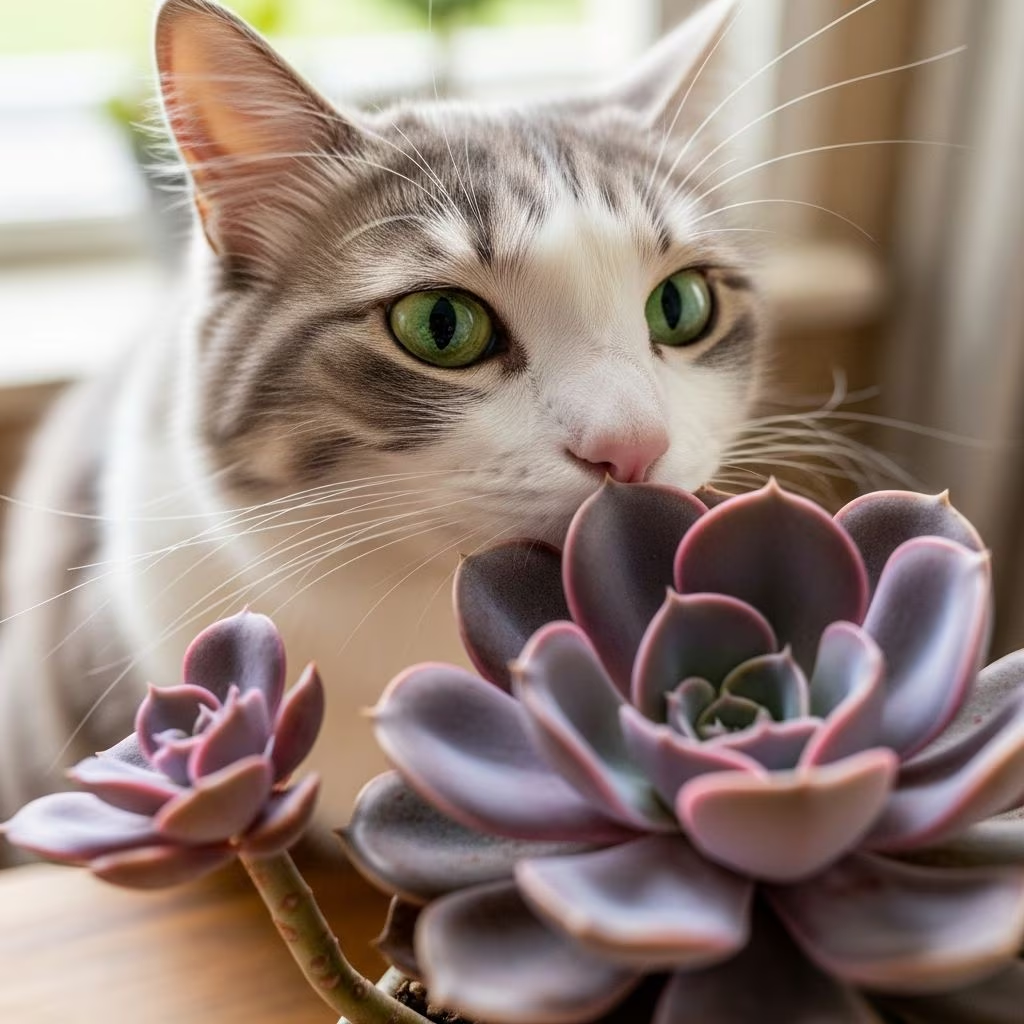
Succulents have surged in popularity as low-maintenance houseplants, prized for their unique shapes, minimal watering needs, and striking aesthetics. However, for cat owners, these trendy plants raise a critical question: are succulents poisonous to cats? The answer is nuanced—not all succulents are toxic, but several common varieties contain compounds that can cause mild to severe symptoms if ingested by cats. Curiosity drives cats to nibble on plants, and succulents’ swaying leaves or dangling tendrils often prove irresistible. This comprehensive guide explores toxic and safe succulents, symptoms of poisoning, immediate response steps, prevention strategies, and cat-friendly alternatives to keep your feline friend safe while enjoying greenery indoors.
Why Are Succulents Attractive (and Dangerous) to Cats?
Cats explore their world through taste and touch, making household plants prime targets. Succulents mimic toys with their plump leaves, trailing vines, or spiky forms, enticing playful pounces or chews. Toxic succulents harbor irritants like saponins, latex sap, or cardiac glycosides that disrupt digestion, heart function, or cause tissue damage upon ingestion. Even small amounts can trigger reactions, varying by plant species, quantity consumed, and the cat’s size or health. Veterinary experts note that while fatalities are rare, prompt intervention prevents escalation from drooling to dehydration or organ strain.
Toxic Succulents to Avoid Around Cats
Several beloved succulents pose real risks. Here’s a detailed breakdown of the most common toxic varieties, their active toxins, and associated symptoms, drawn from veterinary toxicology data.
- Aloe Vera: Known for healing human skin, its inner gel is harmless, but the yellow latex sap (aloin) is a potent laxative for cats, causing vomiting, severe diarrhea, lethargy, and tremors. Even topical contact irritates skin.
- Jade Plant (Crassula ovata or Crassula arborescens): This tree-like succulent’s leaves and stems contain unknown toxins leading to vomiting, incoordination, low heart rate, depression, and in rare cases, coma. Its woody appeal tempts gnawing.
- Kalanchoe (e.g., Devil’s Backbone, Mother of Millions): Buffers cardiac glycosides that mimic foxglove toxicity, inducing vomiting, diarrhea, abnormal heart rhythms, and weakness. Flowers are especially potent.
- Euphorbia (Pencil Cactus, Crown of Thorns, Sticks on Fire): Milky latex sap burns mouth tissues on contact, causing oral irritation, hypersalivation, vomiting, diarrhea, and eye damage if splashed. Highly caustic.
- Sansevieria (Snake Plant, Mother-in-Law’s Tongue): Saponins provoke nausea, vomiting, diarrhea, and drooling. Its upright, sword-like leaves lure batting paws.
- Senecio rowleyanus (String of Pearls): Sap irritates gastrointestinal tract, resulting in vomiting, lethargy, and diarrhea. Trailing beads resemble playthings.
| Succulent | Toxins | Common Symptoms | Severity |
|---|---|---|---|
| Aloe Vera | Aloin latex | Vomiting, diarrhea, lethargy | Moderate |
| Jade Plant | Unknown cytotoxins | Vomiting, ataxia, bradycardia | Moderate-Severe |
| Kalanchoe | Cardiac glycosides | GI upset, heart arrhythmias | Severe |
| Euphorbia | Latex sap | Oral burns, vomiting, dermatitis | Moderate |
| Snake Plant | Saponins | Nausea, diarrhea | Mild-Moderate |
This table summarizes key risks; always cross-reference with ASPCA lists for full toxicity profiles.
Safe Succulents for Cat Households
Fortunately, many succulents are non-toxic, allowing cat owners to indulge in plant parenting worry-free. These varieties lack harmful compounds and have been vetted by pet poison experts.
- Echeveria: Rosette-forming beauties with fleshy leaves; completely safe, no reported toxicities.
- Haworthia (Zebra Plant): Compact, spiky rosettes that stay small; ideal for shelves, zero risk.
- Sempervivum (Hens and Chicks): Clumping groundcovers thriving outdoors or in; propagate endlessly without harm.
- Sedum (Stonecrop, Burro’s Tail): Trailing or upright types; mild GI upset possible in excess but generally safe.
- Opuntia (Prickly Pear): Paddle-shaped pads (remove spines); non-toxic but monitor for physical irritation.
Opt for these to maintain your succulent collection safely. Propagation is easy, expanding your pet-friendly garden.
Symptoms of Succulent Poisoning in Cats
Recognizing early signs is vital. Symptoms onset within minutes to hours post-ingestion:
- Mild: Excessive drooling, pawing at mouth, mild vomiting, diarrhea.
- Moderate: Lethargy, loss of appetite, dehydration (sunken eyes, tacky gums), abdominal pain (hunching).
- Severe: Tremors, irregular heartbeat, collapse, bloody stool/urine—emergency indicators.
Cats may hide distress, so observe litter box habits, water intake, and energy levels closely. Sap exposure shows as paw licking or eye squinting.
What to Do If Your Cat Eats a Succulent
Act swiftly but calmly:
- Remove Access: Confine cat away from plant; discard remnants safely.
- Identify Plant: Note species via photo or label for vet.
- Assess Symptoms: No signs? Monitor 24-48 hours. Any distress? Call vet immediately.
- Do NOT Induce Vomiting: Unless vet instructs; risks aspiration.
- Seek Professional Help: Contact ASPCA Poison Control (888-426-4435) or vet ER. Provide plant ID, amount eaten, time elapsed. Treatments include activated charcoal, IV fluids, anti-nausea meds.
Prognosis excels with early care; most recover fully within 1-3 days.
Prevention Tips: Cat-Proofing Your Succulent Collection
Proactive measures trump reaction:
- Hang trailing plants high or use ceiling pots.
- Place on elevated shelves/counters beyond leap range.
- Use deterrent sprays (bitter apple) on leaves.
- Opt for safe varieties exclusively.
- Supervise curious kittens; provide cat grass as alternative.
- Research via ASPCA app before purchase.
Combining elevation, deterrence, and selection minimizes risks effectively.
FAQs
Are all succulents poisonous to cats?
No, only specific types like Aloe, Jade, and Kalanchoe are toxic. Many, including Echeveria and Haworthia, are safe.
Is Aloe vera safe for cats?
No, Aloe’s latex sap causes severe GI upset; keep out of reach.
Can cats die from eating succulents?
Fatalities are rare with prompt treatment, but severe cases like Kalanchoe can impact heart function.
What succulents can cats safely chew?
Safe options: Echeveria, Haworthia, Sempervivum, Sedum.
How long do succulent poisoning symptoms last in cats?
Mild cases resolve in 12-48 hours; severe may need vet care for days.
Final Thoughts on Succulents and Cat Safety
Balancing beautiful succulents with cat safety is achievable through informed choices. Prioritize non-toxic plants, vigilant placement, and swift response to mishaps. Your home can thrive with greenery and purrs in harmony. Consult vets for personalized advice, as individual cats vary in sensitivity.
References
- Succulent Poisoning in Cats: Immediate Steps for an Emergency — Garden State Veterinary Specialists. 2023. https://gsvs.org/blog/succulent-poisoning-cats-emergency-steps/
- Are Succulents Poisonous To Cats? — Whisker (Litter-Robot). 2024. https://www.whisker.com/blog/are-succulents-poisonous-to-cats
- Are Succulents Poisonous to Cats? — Gardenia.net. 2024. https://www.gardenia.net/guide/are-succulents-poisonous-to-cats
- Succulents for Cats & Dogs: Safe or Toxic — Mountain Crest Gardens. 2023. https://mountaincrestgardens.com/blog/succulents-for-cats-dogs-safe-or-toxic/
- Are Succulents Poisonous to Cats and Dogs? — PetMD. 2024-01-14. https://www.petmd.com/dog/emergency/poisoning-toxicity/are-succulents-poisonous-cats-and-dogs



