

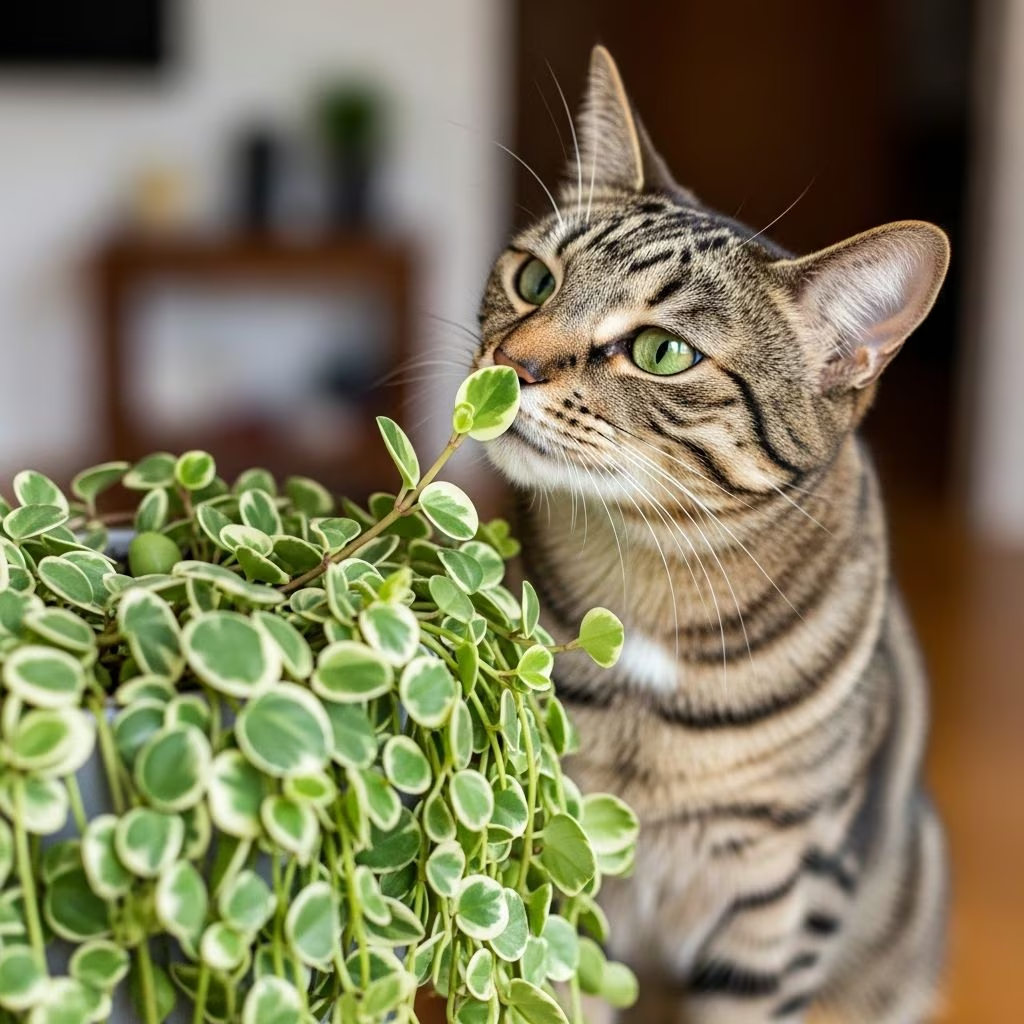
String of Turtles (Peperomia prostrata) is **non-toxic to cats**, according to reliable sources like the ASPCA, making it a relatively safe houseplant choice for feline households. However, ingestion can still lead to gastrointestinal upset due to calcium oxalate crystals and saponins, so caution is advised.
String of Turtles (Peperomia prostrata) General Info
The String of Turtles is a charming, trailing semi-succulent plant native to the rainforests of Brazil in South America. Its unique leaf pattern resembling a turtle shell, combined with its vining growth habit, makes it a popular choice for hanging baskets and shelves in home decor. This low-maintenance tropical plant thrives indoors and adds a whimsical touch to any space.
Key characteristics include its ability to bloom year-round under optimal conditions and its adaptability to typical household environments. It’s semi-succulent, storing water in its fleshy leaves, which contributes to its resilience but also to potential issues if chewed by pets.
| Attribute | Details |
|---|---|
| Scientific Name | Peperomia prostrata |
| Common Name | String of Turtles |
| Size | 12–24 inches (trailing) |
| Bloom Time | Year-round |
| USDA Hardiness Zone | 10–12 |
| Light Requirements | Bright, indirect light |
| Soil Requirements | Rich, loamy, well-draining, slightly acidic |
| Toxicity | Non-toxic to pets and humans |
Caring for String of Turtles is straightforward: provide bright indirect light to prevent leggy growth, water when the top inch of soil is dry, and use well-draining soil to avoid root rot. High humidity mimics its rainforest origins, promoting lush growth.
Are Peperomia Plants Toxic to Cats?
Peperomia species belong to the Piperaceae family and are widely grown as houseplants for their attractive foliage and easy care. Popular varieties include String of Turtles, alongside others like American Rubber Plant, Silver Heart, Red Edge Peperomia, Platinum Peperomia, Metallic Peperomia, and Leather Peperomia.
- American Rubber Plant: Features glossy leaves; safe for cats.
- Silver Heart: Heart-shaped silver-variegated leaves.
- Red Edge Peperomia: Red-tinged edges on green leaves.
- Platinum Peperomia: Silvery-white foliage.
- Metallic Peperomia: Shimmering, metallic-looking leaves.
- Leather Peperomia: Thick, leathery textured leaves.
The ASPCA lists all Peperomia plants as non-toxic to cats, dogs, and other pets, confirming their safety profile across the genus. This makes them excellent options for pet-friendly homes where aesthetics matter.
Is String of Turtles Toxic to Cats?
Both the **ASPCA** and **NC State University** explicitly state that String of Turtles (Peperomia prostrata) is non-toxic to cats and other pets. Unlike many houseplants containing lethal compounds, this plant lacks severe poisons, providing peace of mind for cat owners.
However, “non-toxic” does not equate to “completely harmless.” Cats that nibble on it may experience mild issues, but no life-threatening effects occur. This distinction is crucial for responsible pet parenting.
What Are the Dangers of String of Turtles for Cats?
While non-toxic, String of Turtles poses risks due to its semi-succulent nature. It contains **calcium oxalate crystals** and **saponins**, which irritate the gastrointestinal tract upon ingestion. These compounds cause mechanical irritation from sharp crystals and mild toxicity from saponins, leading to discomfort rather than systemic poisoning.
Common symptoms if a cat ingests parts of the plant include:
- Vomiting
- Abdominal pain
- Lethargy
- Excessive drooling
- Lack of appetite
- Diarrhea
Oxalate crystals specifically can cause oral irritation: mouth swelling, pawing at the mouth, breathing difficulties, and reduced eating. These effects are typically self-limiting but uncomfortable, especially for curious cats drawn to the plant’s dangling vines and textured leaves. Large quantities amplify risks, potentially leading to dehydration from vomiting or diarrhea.
Preventive measures are key: the trailing habit attracts playful cats, so elevation is essential.
What Should I Do If I Suspect That My Cat Ate String of Turtles?
If you catch your cat munching on String of Turtles or notice plant debris, stay calm but vigilant. Monitor for 24–48 hours for symptoms like vomiting, drooling, or lethargy.
Steps to take:
- Remove access to the plant immediately.
- Offer fresh water to aid flushing the system.
- Do not induce vomiting unless directed by a vet.
- Contact your veterinarian or a pet poison hotline (e.g., ASPCA Animal Poison Control) if symptoms appear. Provide details on amount ingested and time elapsed.
- Seek emergency care for severe signs like persistent vomiting, breathing issues, or collapse.
Most cases resolve without intervention, but professional advice ensures safety.
Houseplants Toxic to Cats
Avoid these highly toxic plants, which can cause severe illness or death:
- Tulip
- Yew
- Lily (especially true lilies)
- Azalea
- Peace Lily
- Oleander
- Amaryllis
- Rhododendron
- Kalanchoe
- Dieffenbachia
- Daffodils
- Narcissus
- Hyacinth
- Sago Palm
- Aloe Vera
- Snake Plant
- Poinsettia
These contain varied toxins like cardiac glycosides, insoluble oxalates, or grayanotoxins, often leading to organ failure. Always check ASPCA lists before adding plants.
How to Cat-Proof Your Houseplants
Protect both your plants and cat with these strategies:
- Elevate plants: Use hanging baskets, high shelves, or wall mounts out of jump reach.
- Provide alternatives: Cat grass, catnip toys, or scratching posts redirect chewing urges.
- Deterrents: Spray leaves with citrus or bitter apple solutions cats dislike.
- Training: Use positive reinforcement to discourage plant interaction.
- Supervise: Watch curious kittens closely during plant introduction.
- Choose safe plants: Opt for Peperomia, Spider Plant, or Boston Fern.
Combining barriers and distractions maintains harmony in plant-loving, cat-filled homes.
Frequently Asked Questions (FAQs)
Is String of Turtles safe for cats to be around?
Yes, it’s non-toxic per ASPCA, but prevent ingestion to avoid GI upset.
Can cats die from eating String of Turtles?
No, it’s not lethal, but monitor for irritation symptoms and consult a vet if needed.
What if my cat vomits after chewing String of Turtles?
Watch for more symptoms; contact your vet for guidance on hydration and care.
Are all Peperomia plants cat-safe?
Yes, the genus is listed as non-toxic by experts.
How do I keep my cat from my houseplants?
Hang plants high, use deterrents, and offer chew toys.
Final Thoughts
String of Turtles offers beauty without toxicity risks for cats, but proactive measures prevent discomfort from its crystals and saponins. By choosing pet-safe plants and implementing barriers, cat parents can enjoy lush greenery safely. Prioritize observation and vet consultation for peace of mind.
References
- Are String of Turtles Toxic to Cats? Vet-Reviewed Safety Tips & Facts — Catster. 2023. https://www.catster.com/cat-health-care/are-string-of-turtles-toxic-to-cats/
- Trailing Peperomia – Toxic and Non-toxic Plants — ASPCA. Accessed 2026. https://www.aspca.org/pet-care/aspca-poison-control/toxic-and-non-toxic-plants/trailing-peperomia
- Is String of Turtles Plant Toxic to Cats? Vet-Approved Facts & FAQ — Hepper. 2023. https://articles.hepper.com/is-string-of-turtles-plant-toxic-to-cats/
- String of Turtles Plant Care — Delineate Your Dwelling. 2023. https://www.delineateyourdwelling.com/string-of-turtles-plant-care/
- Toxic and Non-toxic Houseplants for Pets – a Full Guide — BWH Plant Co. Accessed 2026. https://bwhplantco.com/blogs/beyond-the-basics/toxic-and-non-toxic-houseplants-for-pets-a-full-guide



