

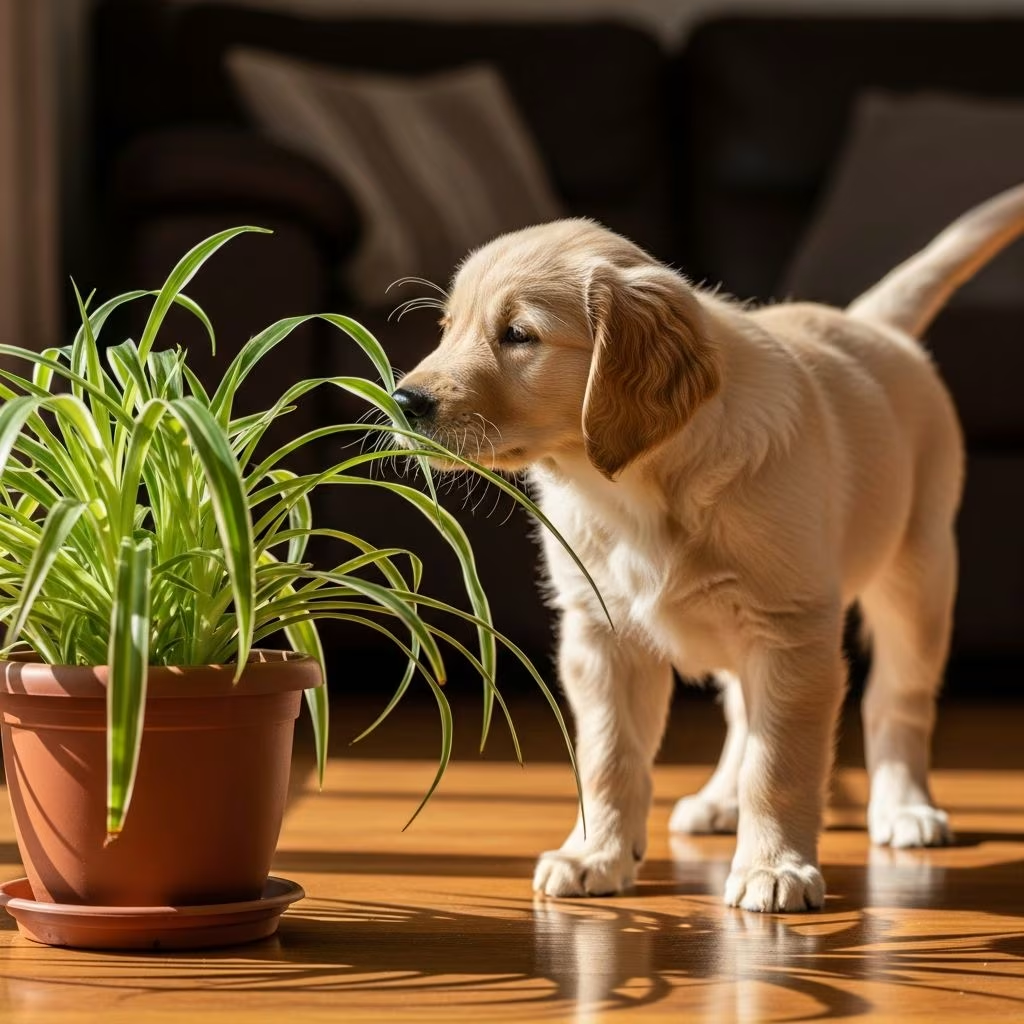
Are Spider Plants Toxic to Dogs? A Complete Safety Guide
Spider plants are among the most popular houseplants due to their striking appearance, ease of care, and air-purifying properties. Many dog owners choose to display these attractive plants in their homes without realizing potential concerns. Understanding whether spider plants pose a risk to your canine companion is essential for responsible pet ownership. This comprehensive guide explores the relationship between spider plants and dog safety, examining scientific evidence, potential symptoms, and practical strategies to protect your beloved pet.
Understanding Spider Plants and Their Characteristics
Spider plants, scientifically known as Chlorophytum comosum, are fast-growing perennials that thrive both indoors and outdoors. These plants are characterized by long, thin, variegated leaves that typically feature green and cream coloring, making them visually appealing in any home setting. Beyond their aesthetic value, spider plants are highly valued for their air-purifying capabilities, effectively removing toxins such as formaldehyde and xylene from indoor environments. Their low-maintenance nature and rapid growth rate make them an ideal choice for both experienced gardeners and novice plant enthusiasts. The plant’s popularity stems from its ability to produce small, dangling plantlets that can be propagated, creating a cascading effect when displayed in hanging baskets.
Is Spider Plant Toxic to Dogs?
The question of spider plant toxicity in dogs frequently arises among pet owners concerned about their animals’ safety. According to the ASPCA, spider plants are classified as non-toxic to dogs. The entire plant structure—including leaves, stems, and roots—contains no compounds that are inherently poisonous to canines. However, this straightforward classification requires important nuance to understand the complete safety picture.
Spider plants contain mild hallucinogenic compounds that resemble those found in catnip, which particularly attract felines. While cats are known to seek out these compounds for the mild euphoric effect they produce, dogs may react differently to the plant material. The presence of these compounds does not constitute toxicity in the traditional sense, as they do not cause poisoning or system failure in dogs.
Potential Effects and Mild Symptoms
Although spider plants are non-toxic, ingesting plant material can still result in mild gastrointestinal distress in some dogs. Pet owners should be aware of potential symptoms that may develop after consumption:
- Vomiting and diarrhea (most common symptoms)
- Mild gastrointestinal irritation
- Drooling
- Changes in appetite
- Lethargy or reduced activity levels
- Stomach upset from consuming excessive plant material
These symptoms typically occur when dogs consume significant quantities of the plant material and are usually transient, resolving on their own without intervention. The gastrointestinal upset results from the plant’s physical properties and potential indigestibility rather than from toxic compounds causing systemic harm. In most cases, affected dogs recover naturally within a short period.
Why Dogs Chew on Plants
Understanding the motivations behind plant consumption can help pet owners address underlying issues. Pet behavior specialists identify several reasons why dogs may chew on or consume houseplants:
| Motivation | Explanation | Solution |
|---|---|---|
| Boredom | Dogs seeking mental stimulation or entertainment | Increase playtime and provide interactive toys |
| Nutritional Deficiency | Dogs consuming plants to supplement dietary needs | Consult veterinarian about diet optimization |
| Teething | Young puppies chewing to relieve gum discomfort | Provide appropriate chew toys |
| Anxiety or Stress | Dogs exhibiting compulsive behaviors | Address underlying anxiety through training |
| Curiosity | Natural exploration of their environment | Supervise and redirect attention appropriately |
Signs Your Dog May Have Ingested Spider Plant
Pet owners should monitor their dogs closely for indicators of plant consumption. While spider plant ingestion rarely causes serious concerns, recognizing early signs allows for appropriate monitoring and veterinary consultation if needed:
- Excessive drooling
- Visible changes in eating habits or appetite suppression
- Unusual lethargy or lack of energy
- Vomiting or diarrhea episodes
- Noticeable missing foliage from your spider plant
- Restlessness or abdominal discomfort
- Unusual behavior indicating digestive upset
If your dog displays mild symptoms that resolve within 24 hours, professional intervention typically is not necessary. However, if symptoms persist beyond this timeframe, intensify in severity, or if you observe your dog consuming large quantities of plant material, consulting with a veterinarian is advisable.
Preventive Strategies and Safety Measures
Protecting your dog from potential plant-related issues involves practical implementation of prevention strategies. Pet owners can employ multiple approaches to minimize risks associated with spider plant access.
Placement and Physical Barriers
The most effective prevention strategy involves controlling your dog’s access to the plant. Implementing physical placement strategies significantly reduces the likelihood of consumption:
- Hanging baskets: Position spider plants in elevated hanging baskets that are beyond your dog’s reach
- High shelves: Place plants on tall furniture or shelving units
- Separate rooms: Keep plants in areas where your dog has limited or no access
- Glass enclosures: Use plant terrariums or protective cases for added security
- Corner placement: Position plants in corners or against walls to limit accessibility
Training and Behavioral Management
Training your dog to avoid houseplants provides an additional layer of protection. Consistent reinforcement of appropriate behaviors can effectively prevent plant consumption:
- “Leave it” command: Train your dog to respond reliably to this command when near plants
- Positive reinforcement: Reward your dog for ignoring plants and demonstrate appropriate behavior
- Consistent correction: Redirect your dog’s attention immediately when plant interaction occurs
- Supervised interaction: Monitor your dog closely in areas containing houseplants
- Alternative outlets: Provide appropriate chew toys and play opportunities
Environmental Enrichment
Addressing underlying causes of plant consumption through enrichment reduces the motivation to chew on houseplants. Implementing comprehensive enrichment strategies supports overall dog wellness and reduces destructive behaviors.
Comparing Spider Plants to Other Toxic Houseplants
While spider plants pose minimal risk to dogs, many common houseplants present far greater dangers. Understanding the toxicity spectrum helps pet owners make informed decisions about which plants to keep in their homes.
| Plant Name | Toxicity Level | Primary Symptoms | Severity |
|---|---|---|---|
| Spider Plant | Non-Toxic | Mild GI upset | Minimal Risk |
| Lilies (Easter, Tiger) | Severely Toxic | Kidney failure, seizures | Life-Threatening |
| Sago Palm | Severely Toxic | Liver failure, seizures | Life-Threatening |
| Pothos/Devil’s Ivy | Mildly Toxic | Mouth irritation, vomiting | Low Risk |
| Dracaena | Moderately Toxic | Vomiting, depression | Moderate Risk |
The ASPCA maintains comprehensive lists of toxic and non-toxic plants, providing valuable resources for pet owners making botanical decisions. Consulting these authoritative sources helps ensure that your home remains safe for your canine companion.
When to Contact a Veterinarian
While spider plant ingestion rarely warrants emergency intervention, certain situations necessitate professional medical evaluation. Pet owners should contact their veterinarian if:
- Symptoms persist beyond 24 hours
- Vomiting or diarrhea becomes severe or bloody
- Your dog shows signs of difficulty breathing or swallowing
- Lethargy becomes pronounced or worsens
- Your dog consumes a large quantity of plant material
- You observe your dog in distress or with severe abdominal pain
- Symptoms escalate in intensity despite observation
The ASPCA Poison Control Center provides 24/7 consultation for pet poisoning emergencies. Keeping their contact information readily available ensures rapid access to professional guidance when needed.
Creating a Pet-Safe Indoor Garden
Pet owners can maintain beautiful indoor plant collections while prioritizing dog safety. Focusing on non-toxic plant varieties allows you to enjoy greenery without worry. Pet-safe plants that provide similar aesthetic appeal to spider plants include African violets, Boston ferns, and air plants, all of which offer visual interest while posing no toxicity concerns to dogs.
When designing your indoor garden, consult established pet safety resources such as the ASPCA’s toxic and non-toxic plant lists to guide your botanical selections. This approach enables you to create an attractive living space while maintaining a secure environment for your furry family members.
Future Research and Pet Safety
Ongoing research in veterinary toxicology and botany continues to deepen our understanding of how various plants affect animal health. Collaborations between horticultural experts and veterinary specialists promise enhanced preventative guidelines and innovative solutions for creating truly pet-inclusive home environments. This evolving body of knowledge enables pet owners to make increasingly informed decisions about plant selection and placement.
Frequently Asked Questions
Q: Are spider plants completely safe for dogs?
A: Yes, spider plants are non-toxic to dogs and pose no poisoning risk. However, excessive consumption can cause mild gastrointestinal upset. The plant is safe to have in homes with dogs when reasonable precautions are taken.
Q: What should I do if my dog eats spider plant leaves?
A: Monitor your dog for mild gastrointestinal symptoms such as vomiting or diarrhea. Most cases resolve naturally within 24 hours. Contact your veterinarian if symptoms persist or intensify.
Q: Why are dogs attracted to spider plants?
A: Spider plants contain mild hallucinogenic compounds similar to those in catnip. Dogs may be attracted to the plant due to curiosity, boredom, nutritional deficiencies, or the plant’s texture and appeal.
Q: How can I prevent my dog from chewing on houseplants?
A: Use physical barriers like hanging baskets or high shelves, train your dog with commands like “leave it,” provide appropriate chew toys, and ensure adequate enrichment and exercise.
Q: Are spider plants toxic to other pets besides dogs?
A: Spider plants are non-toxic to all animals, including cats, rabbits, birds, and other household pets. They are safe to keep in any home with animals.
Q: What plants should I avoid if I have a dog?
A: Avoid severely toxic plants like lilies, sago palms, and daffodils. Also be cautious with moderately toxic plants like dracaena and jade plants. Consult the ASPCA’s plant toxicity list for comprehensive guidance.
References
- Spider Plant Poisonous To Dogs — Plantology USA. https://plantologyusa.com/blogs/the-plantologist/spider-plant-poisonous-to-dogs
- Is That Houseplant Safe for Your Pets? — ASPCA. https://www.aspca.org/news/houseplant-safe-your-pets
- Common Houseplants That May Be Toxic To Your Pet — HSVC. https://www.hsvc.org/common_houseplants_that_may_be_toxic
- Toxic and Non-toxic Plants: Spider Plant — ASPCA. https://www.aspca.org/pet-care/aspca-poison-control/toxic-and-non-toxic-plants/spider-plant
- Is Spider Plant Poisonous? — Plant Addicts. https://plantaddicts.com/is-spider-plant-poisonous/



