

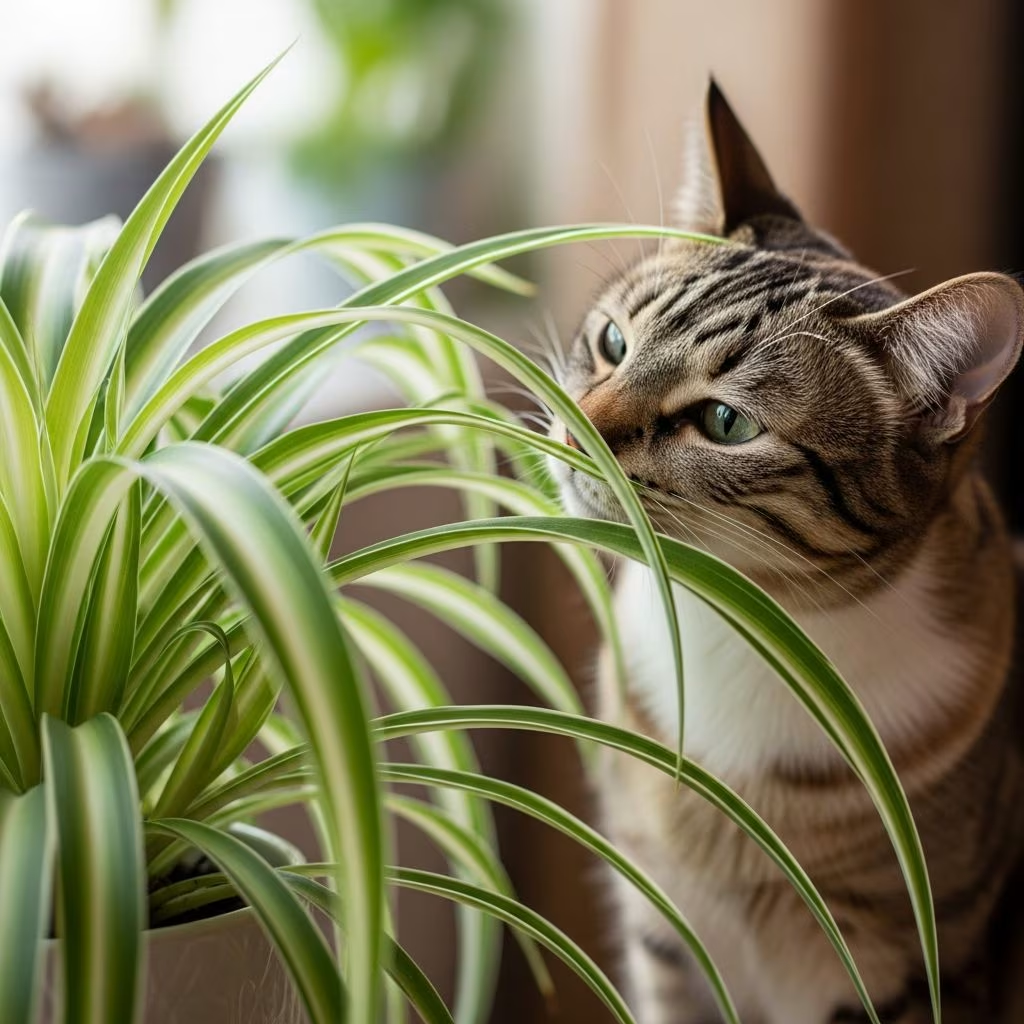
Spider plants (Chlorophytum comosum) are popular houseplants known for their cascading green and white leaves and easy care requirements. But if you share your home with a curious cat, you might wonder: are spider plants toxic to cats? The short answer is no—spider plants are non-toxic to cats, as confirmed by the ASPCA. However, while they won’t cause severe poisoning, excessive nibbling can lead to mild gastrointestinal upset like vomiting or diarrhea.
Cats’ fascination with spider plants often stems from the plant’s dangling spiderettes (baby plants) and mild chemical compounds that mimic catnip’s effects, creating a harmless hallucinogenic buzz. This article dives deep into spider plant safety, why cats can’t resist them, potential symptoms, prevention strategies, and a list of truly cat-safe alternatives to keep your home green and pet-friendly.
Why Are Cats So Attracted to Spider Plants?
It’s not uncommon to catch your cat batting at or munching on a spider plant. This obsession isn’t random—several factors make these plants irresistible to felines.
- Dangling Appeal: The long, arching leaves and hanging spiderettes mimic prey, triggering cats’ hunting instincts. Playful pouncing and chewing ensue.
- Mild Hallucinogenic Properties: Spider plants contain compounds chemically similar to those in catnip, producing a euphoric, obsessive reaction. This ‘high’ is harmless but explains the fixation.
- Texture and Freshness: The soft, grassy leaves provide a satisfying chew, helping cats expel hairballs much like outdoor grass.
- Boredom Buster: In indoor environments, spider plants offer novelty and stimulation for understimulated cats.
Understanding this attraction helps owners respond proactively rather than reactively to chewed foliage.
Are Spider Plants Poisonous to Cats?
No, spider plants are not poisonous to cats. The ASPCA explicitly lists Chlorophytum comosum as non-toxic to cats, dogs, and horses. Unlike true toxic plants like lilies or philodendrons, spider plants lack harmful saponins, calcium oxalates, or insoluble oxalates that cause organ damage or severe symptoms.
However, ‘non-toxic’ doesn’t mean ‘risk-free.’ The plant contains mild opium-related compounds that, in large quantities, irritate the digestive tract. Reputable sources like Gardening Know How note that while effects are mild, individual cats vary in sensitivity—what’s a playful nibble for one might upset another’s stomach.
| Aspect | Spider Plant | Toxic Plants (e.g., Lily) |
|---|---|---|
| ASPCA Rating | Non-Toxic | Toxic |
| Main Risk | Mild GI upset if overeaten | Kidney failure, death |
| Cat Attraction | High (hallucinogenic) | Variable |
| Treatment Needed | Usually none; monitor | Immediate vet care |
What Happens If a Cat Eats Spider Plant?
If your cat indulges in spider plant leaves, observe closely but panic not. Most incidents resolve without intervention.
- Mild Symptoms (Common): Upset stomach, drooling, occasional vomiting, or loose stools. These typically appear within 2-4 hours and subside in 12-24 hours.
- Behavioral Signs: Zoomies, dilated pupils, or excessive playfulness from the mild ‘high’.
- Rare Severe Reactions: Persistent vomiting (over 24 hours), lethargy, or refusal to eat warrants a vet visit to rule out other issues.
Pro Tip: Snap a photo of the plant and note ingestion amount for your vet. Hydration and withholding food briefly often suffices for recovery.
Spider Plant Toxicity: Myths vs. Facts
Myths abound online about spider plants causing ‘opium poisoning’ or long-term harm. Here’s the reality:
- Myth: Spider plants are highly toxic like marijuana for cats.
Fact: Effects are far milder; no evidence of addiction or chronic issues. - Myth: All nibbling leads to emergency vet trips.
Fact: 99% of cases are self-limiting; vets confirm non-toxicity. - Myth: Hallucinogenic = dangerous.
Fact: Similar to catnip, it’s a natural, safe attractant.
How to Stop Cats from Eating Spider Plants
Prevention beats cure. Here are proven strategies to deter feline plant-munchers:
- Elevate Plants: Hang in macrame holders or place on high shelves unreachable by jumpers.
- Repellents: Spray leaves with citrus, bitter apple, or aloe solutions—cats detest the taste/smell.
- Distractions: Offer cat grass, wheatgrass, or toys to redirect chewing urges.
- Training: Use ‘no’ commands consistently and reward ignoring the plant.
- Barriers: Aluminum foil or double-sided tape around pots creates unappealing textures.
Combining methods yields best results. Rotate plants to prevent fixation.
Other Cat-Safe Houseplants
Love greenery? Opt for these ASPCA-approved, cat-friendly alternatives:
- Boston Fern: Lush and dangling, low toxicity risk.
- Parlor Palm: Elegant, nibble-resistant fronds.
- Prayer Plant: Colorful leaves, non-irritating.
- Areca Palm: Air-purifying, tough foliage.
- Haworthia: Succulent; small and unappealing to chew.
- African Violet: Blooming beauty, fully safe.
- Cast Iron Plant: Indestructible, pet-proof.
Always cross-check with ASPCA’s database before adding new plants.
Frequently Asked Questions (FAQs)
Are spider plants safe for cats to play with?
Yes, playing is harmless. The real issue is ingestion; supervise to prevent overeating.
Why does my cat go crazy for spider plants?
Mild hallucinogens akin to catnip plus playful dangling parts spark obsession.
My cat vomited after eating spider plant—what now?
Monitor for 24 hours. If symptoms persist, consult your vet. Hydrate and fast briefly.
Can kittens safely be around spider plants?
Yes, but more prone to tummy upset due to tiny stomachs. Extra vigilance advised.
Are variegated or curly spider plants different in toxicity?
No—all Chlorophytum comosum varieties share the same non-toxic profile.
Caring for Spider Plants in Cat Homes
Beyond safety, thrive your spider plant amid feline chaos:
- Bright indirect light, weekly watering when topsoil dries.
- Fertilize monthly in growing season.
- Propagate spiderettes for more cat temptations (or gifts!).
Regular pruning removes chewed bits, promoting bushiness.
References
- Toxic and Non-Toxic Plants: Spider Plant — ASPCA. 2023. https://www.aspca.org/pet-care/animal-poison-control/toxic-and-non-toxic-plants/spider-plant
- Why Are Cats Eating Spider Plant Leaves And Can It Be Harmful? — Gardening Know How. 2024-05-15. https://www.gardeningknowhow.com/houseplants/spider-plant/spider-plants-cats.htm
- Pet Safety: Is the Spider Plant Toxic to Cats and Dogs? — Lively Root. 2023-11-02. https://www.livelyroot.com/blogs/plant-care/is-spider-plant-toxic-to-cats-and-dogs
- Are Spider Plants Toxic to Cats — Feline Fancy. 2024. https://felinefancy.co.uk/blogs/cat-care-tips/are-spider-plants-toxic-to-cats
- Are Spider Plants Poisonous to Cats? — Flower Patch Farmhouse. 2023-07-20. https://www.flowerpatchfarmhouse.com/are-spider-plants-poisonous-to-cats/



