

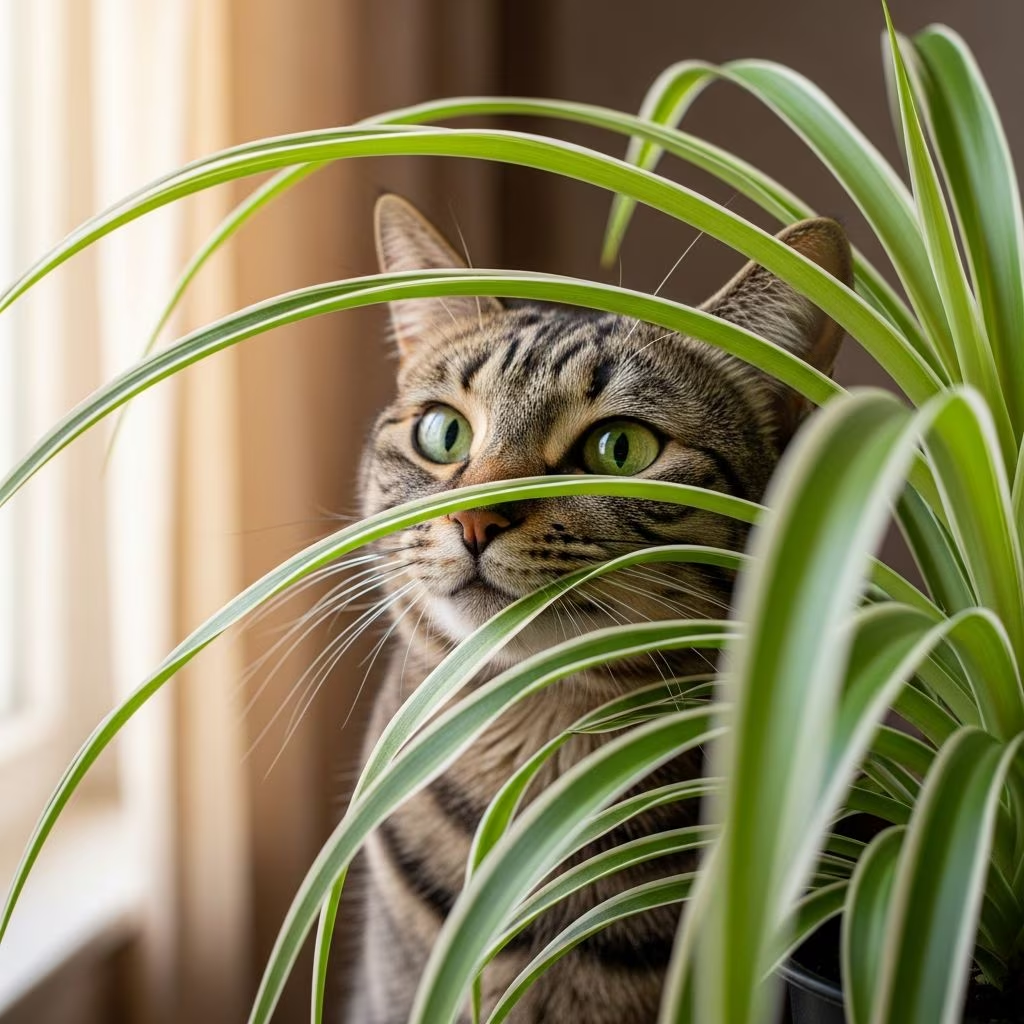
Spider plants (Chlorophytum comosum) are popular houseplants known for their long, arching leaves and dangling spiderettes. Many cat owners wonder if these visually appealing plants pose a risk to their pets. The short answer is no—spider plants are **non-toxic to cats**, as confirmed by the ASPCA. However, while they won’t cause severe poisoning, cats may experience mild gastrointestinal upset from excessive nibbling. This article explores the safety profile, reasons for feline fascination, potential symptoms, prevention strategies, and cat-safe plant alternatives to help you create a harmonious home for your green thumbs and furry companions.
Are Spider Plants Safe for Cats?
Yes, spider plants are generally safe for cats. According to the **ASPCA’s toxic and non-toxic plants list**, Chlorophytum comosum (also known as ribbon plant, spider ivy, or anthericum) is non-toxic to both cats and dogs. This classification means the plant does not contain harmful chemicals that could lead to organ damage, neurological issues, or life-threatening reactions commonly associated with truly toxic plants like lilies or philodendrons.
Multiple veterinary and horticultural sources echo this assessment. Gardening experts note that spider plants lack the defensive toxins many houseplants produce, making them pet-friendly without thorns, spikes, or allergens that could irritate paws or respiratory systems. Cat care resources emphasize their suitability for homes with curious felines, provided moderation is encouraged.
That said, ‘non-toxic’ does not mean ‘edible in unlimited quantities.’ Cats are obligate carnivores, and large amounts of any plant material can disrupt their digestive system, leading to temporary discomfort. Responsible pet ownership involves monitoring interactions rather than assuming zero risk.
Why Do Cats Like Spider Plants?
Cats’ obsession with spider plants is a common sight: batting at leaves, chewing on spiderettes, or fixating on the plant for extended periods. Several factors explain this attraction beyond mere curiosity.
- Dangling Appeal: The plant’s long, trailing runners and baby spiderettes mimic prey or toys, triggering a cat’s natural hunting instincts. Hanging baskets amplify this playful allure.
- Texture and Movement: Arching green or variegated leaves sway gently, inviting pouncing and nibbling. Cats often chew greens to aid hairball expulsion, and spider plants provide an accessible option.
- Mild Hallucinogenic Effect: Spider plants contain compounds chemically similar to those in opium or catnip, producing a harmless, euphoric high in felines. This leads to obsessive behavior, dilated pupils, and repeated visits—much like catnip but milder and plant-derived.
- Boredom Buster: Indoor cats may target spider plants out of understimulation, turning household greenery into entertainment.
Once a cat experiences the ‘buzz,’ it often returns, making deterrence proactive rather than reactive.
What Happens If a Cat Eats Spider Plant?
If your cat munches on spider plant leaves, severe toxicity is unlikely. Most incidents result in no symptoms, especially with small amounts. However, overindulgence can cause mild issues due to the plant’s fiber content and chemical compounds.
Common symptoms include:
- Upset stomach or nausea
- Vomiting (typically once or twice)
- Diarrhea
- Excessive drooling or mild lethargy from the hallucinogenic effect
These effects resemble opium-related compounds but are far weaker and self-resolve within 24-48 hours without treatment. Sources stress individual variation: sensitive cats may react more strongly, while others tolerate larger quantities.
When to See a Vet: Contact a professional if symptoms persist beyond 48 hours, include blood in vomit/stool, severe dehydration, or neurological signs like seizures (extremely rare). Provide details on the plant and amount ingested for accurate advice.
Spider Plant Toxicity Explained
Spider plants’ safety stems from their chemical makeup. They produce no calcium oxalate crystals (found in toxic ZZ plants), saponins, or insoluble oxalates that irritate tissues. The ‘hallucinogenic’ reputation arises from trace alkaloids akin to those in catnip (nepetalactone) or mild opioids, affecting cat brain receptors without toxicity.
ASPCA confirms: Non-toxic status applies across family Asparagaceae for this species. Educational sites advise caution not due to poison but potential GI irritation from indigestible plant matter, similar to eating grass.
| Symptom | Likely Cause | Duration | Treatment |
|---|---|---|---|
| Upset stomach | Fiber overload | 12-24 hours | Withhold food briefly, ensure water |
| Vomiting | Irritation + compounds | 1-2 episodes | Monitor; vet if repeated |
| Diarrhea | Digestive upset | 24-48 hours | Probiotics, bland diet |
| Hallucinogenic behavior | Alkaloids | 30-60 min | Harmless; distract |
How to Keep Cats Away from Spider Plants
Prevention is key to avoiding issues. Here are proven strategies:
- Elevate Plants: Use high shelves, hanging baskets out of jump range, or ceiling hooks away from climbable surfaces like windowsills.
- Bitter Repellents: Spray leaves with pet-safe citrus, aloe, or commercial bitter sprays. Reapply after watering; cats dislike the taste.
- Physical Barriers: Mesh covers, aluminum foil around pots (cats hate the texture), or double-sided tape on accessible areas.
- Distractions: Offer cat grass, catnip toys, or scratching posts to redirect energy.
- Training: Use positive reinforcement—reward ignoring the plant with treats or play.
Combine methods for best results, and rotate plants to break the habit.
Other Cat-Safe Houseplants
Expand your indoor jungle safely with these ASPCA-approved options:
- African violets
- Boston ferns
- Chinese Money Plant
- Prayer Plant
- Orchids
- Bromeliads
- Parlor Palm
- Areca Palm
- Cast Iron Plant
- Ponytail Palm
- Haworthia
- Venus flytrap
These provide variety without risk, though moderation applies universally.
Frequently Asked Questions (FAQs)
Are spider plants poisonous to cats?
No, spider plants are non-toxic to cats according to the ASPCA. They may cause mild stomach upset if eaten in large amounts.
Why is my cat obsessed with my spider plant?
Cats are drawn to dangling spiderettes, leaf movement, and the plant’s mild hallucinogenic compounds similar to catnip.
What if my cat ate spider plant leaves?
Monitor for vomiting or diarrhea. Symptoms are usually mild and resolve quickly; see a vet if severe or persistent.
Can I give my cat spider plant as a toy?
Occasional play is fine, but discourage eating. Provide cat grass instead for safe chewing.
Are there spider plant varieties toxic to cats?
All common Chlorophytum comosum varieties are non-toxic.
How do I stop my cat from eating houseplants?
Hang plants high, use repellents, offer alternatives, and enrich their environment.
This comprehensive guide ensures you can enjoy spider plants worry-free. Prioritize observation and prevention for a thriving cat-plant coexistence.
References
- Toxic and Non-toxic Plants: Spider Plant — ASPCA. 2023. https://www.aspca.org/pet-care/aspca-poison-control/toxic-and-non-toxic-plants/spider-plant
- Why Are Cats Eating Spider Plant Leaves And Can It Be Harmful? — Gardening Know How. 2024-01-15. https://www.gardeningknowhow.com/houseplants/spider-plant/spider-plants-cats.htm
- Pet Safety: Is the Spider Plant Toxic to Cats and Dogs? — Lively Root. 2023-05-20. https://www.livelyroot.com/blogs/plant-care/is-spider-plant-toxic-to-cats-and-dogs
- Are Spider Plants Toxic to Cats — Feline Fancy. 2024. https://felinefancy.co.uk/blogs/cat-care-tips/are-spider-plants-toxic-to-cats
- Are Spider Plants Poisonous to Cats? — Flower Patch Farmhouse. 2022-08-10. https://www.flowerpatchfarmhouse.com/are-spider-plants-poisonous-to-cats/
- Indoor Plants Safe for Cats – Top 5 Cat-Friendly Plants — InDesignLive. 2023. https://www.indesignlive.com/segments/indoor-plants-safe-for-cats-top-5-cat-friendly-plants-for-your-home



