

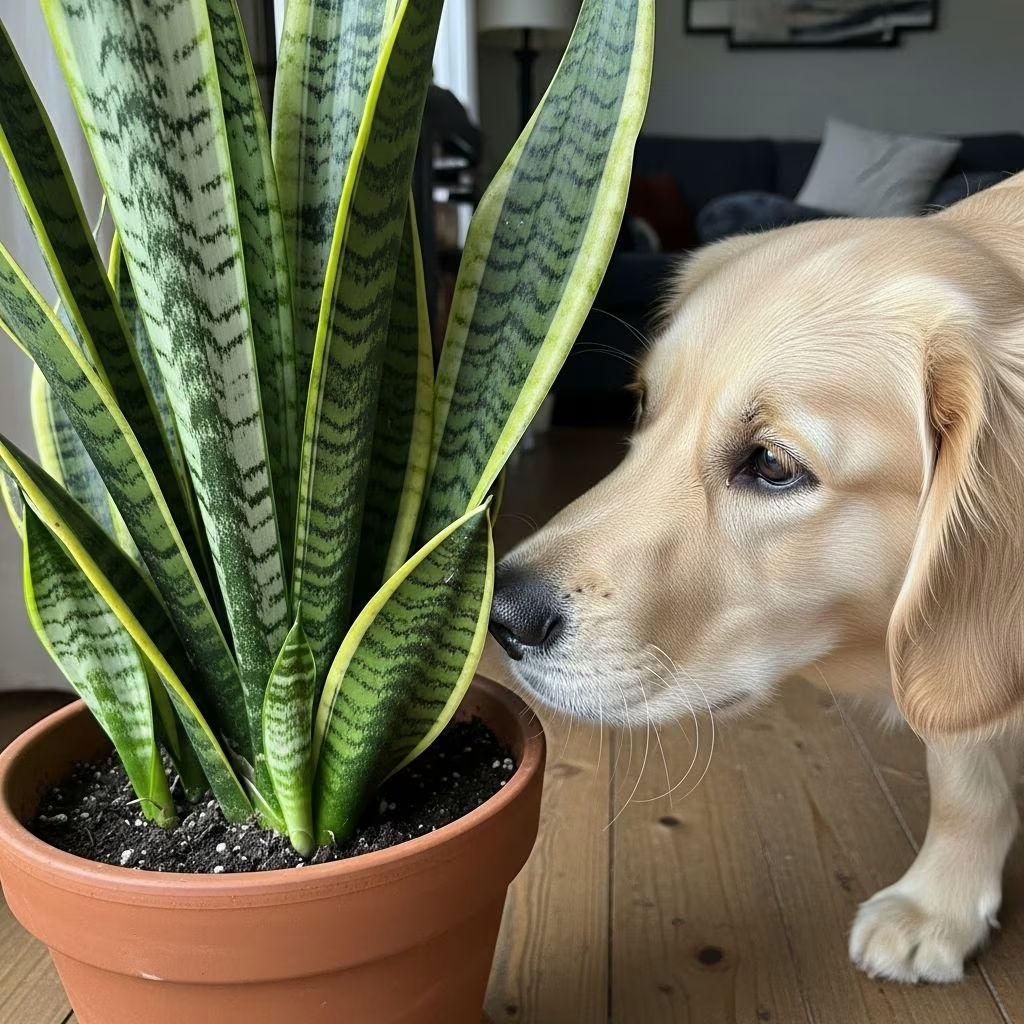
Snake plants (Sansevieria or Dracaena trifasciata), also known as mother-in-law’s tongue, are popular low-maintenance houseplants prized for their air-purifying qualities and striking upright leaves. However, if you share your home with a dog, you may wonder: are snake plants toxic to dogs? The answer is yes—these plants contain saponins, natural compounds that can cause gastrointestinal distress in dogs if ingested. While rarely fatal, ingestion can lead to uncomfortable symptoms like vomiting, diarrhea, drooling, and lethargy. This comprehensive guide covers everything dog owners need to know about snake plant toxicity, symptoms, treatment, prevention, and pet-safe alternatives.
What Makes Snake Plants Toxic to Dogs?
Snake plants produce saponins, soap-like chemical compounds found throughout their leaves, roots, and stems. These toxins serve as a natural defense against herbivores, insects, and microbes by disrupting cell membranes in the digestive tract, leading to irritation and inflammation. According to the ASPCA, snake plants are classified as toxic to dogs due to these saponins, which can cause nausea, vomiting, and diarrhea upon ingestion.
The toxicity level is generally mild to moderate. Dogs must consume a significant amount for severe effects, and the plant’s bitter taste and sharp leaf edges often deter chewing. Smaller dogs or those with sensitive stomachs face higher risks from even small nibbles. Saponins can also lead to hemolysis (red blood cell rupture) in rare severe cases, though this is uncommon.
Symptoms of Snake Plant Poisoning in Dogs
If your dog eats a snake plant, symptoms typically appear within 2-4 hours. Monitor closely for these common signs:
- Vomiting: Often the first and most frequent symptom, sometimes containing plant material or blood.
- Diarrhea: Loose, watery stools that may persist for 24-48 hours.
- Drooling or hypersalivation: Due to mouth irritation from sharp edges and bitter saponins.
- Lethargy and weakness: Your dog may seem tired or reluctant to play.
- Loss of appetite: Refusal to eat due to nausea.
- Pawing at the mouth or swollen tongue/gums: From physical irritation or saponin effects.
- Abdominal pain: Indicated by whining, hunching, or restlessness.
In severe cases, dehydration from prolonged vomiting/diarrhea or rare hemolysis may occur. Puppies, small breeds, or dogs with pre-existing conditions are more vulnerable.
What to Do If Your Dog Eats a Snake Plant
Act quickly but calmly if you suspect ingestion:
- Remove access: Take the plant away and prevent further chewing.
- Don’t induce vomiting: Unless directed by a vet, as saponins can irritate the esophagus on the way up.
- Contact professionals: Call your veterinarian, ASPCA Animal Poison Control (888-426-4435), or Pet Poison Helpline (855-764-7661) immediately. Provide details like amount eaten, dog size, and time elapsed.
- Monitor symptoms: Note onset and severity.
Veterinary treatment is supportive:
- Anti-nausea medications (e.g., maropitant).
- IV fluids for hydration.
- Activated charcoal to bind toxins (if recent ingestion).
- Gastroprotectants for stomach lining.
Most dogs recover within 24-48 hours with home care or mild intervention. Prognosis is excellent for low-toxicity cases.
Can Snake Plants Kill Dogs?
No, snake plants are unlikely to kill dogs. Their low toxicity means fatalities are extremely rare, even with larger ingestions. The ASPCA and Pet Poison Helpline confirm symptoms are primarily gastrointestinal and self-limiting. However, untreated dehydration or secondary issues in vulnerable dogs could complicate recovery—always seek vet care.
Prevention: Keeping Snake Plants Away from Dogs
Prevention is key to avoiding snake plant poisoning:
- Elevate plants: Use high shelves, hanging baskets, or wall mounts out of jump reach.
- Use barriers: Baby gates, plant cages, or rooms off-limits to dogs.
- Train commands: Teach “leave it” and reward compliance.
- Supervise: Watch curious dogs around plants.
- Opt for alternatives: Choose pet-safe plants (see below).
For multi-pet homes, consider removing snake plants entirely to eliminate risk.
Pet-Safe Plant Alternatives to Snake Plants
Love the look of snake plants? Try these non-toxic options verified safe by ASPCA:
| Plant Name | Description | Care Level | Benefits |
|---|---|---|---|
| Spider Plant (Chlorophytum comosum) | Arching green/white leaves, easy propagation. | Low | Air-purifying, tolerant of neglect. |
| Parlor Palm (Chamaedorea elegans) | Feathery fronds, compact growth. | Low-Medium | Thrives in low light, elegant. |
| Boston Fern (Nephrolepis exaltata) | Lush, cascading fronds. | Medium | High humidity lover, air cleanser. |
| Calathea (various species) | Colorful patterned leaves. | Medium | Pet-safe beauty, indirect light. |
| Prayer Plant (Maranta leuconeura) | Folds leaves at night, vibrant. | Medium | Unique movement, humid environments. |
These mimic snake plants’ resilience without toxicity risks.
Are Snake Plants Toxic to Other Pets?
Yes, snake plants are toxic to cats (similar GI symptoms, potentially more severe due to size) and other pets like rabbits or guinea pigs. Keep out of reach for all animals. Humans face mild irritation but no serious risk.
Frequently Asked Questions (FAQs)
Q: How long do snake plant poisoning symptoms last in dogs?
A: Symptoms typically peak in 4-6 hours and resolve in 24-48 hours with supportive care.
Q: Are all snake plant varieties toxic to dogs?
A: Yes, all Sansevieria and Dracaena trifasciata varieties contain saponins.
Q: What part of the snake plant is most toxic?
A: All parts (leaves, stems, roots) contain toxins, but leaves are most accessed.
Q: Should I go to the vet if my dog ate a small piece?
A: Call a poison hotline first; mild cases may resolve at home, but err on caution for small dogs.
Q: Can I keep snake plants if I have dogs?
A: Yes, with strict prevention measures like elevation and supervision.
Q: Are snake plants more toxic than other houseplants?
A: Low-moderate toxicity; safer than lilies but avoid if possible vs. fully safe plants.
References
- Snake Plant Poisoning in Dogs – Symptoms, Causes, Diagnosis — WagWalking. 2023. https://wagwalking.com/condition/snake-plant-poisoning
- Snake Plants Toxicity to Cats, Dogs and Safe Alternatives — Lively Root. 2024-01-15. https://www.livelyroot.com/blogs/plant-care/snake-plants-toxicity-to-pets
- Are Snake Plants Toxic to Dogs? Safety Guide for Pet Owners — PrintPaws. 2024. https://printpaws.com/are-snake-plants-toxic-to-dogs-safety-guide-for-pet-owners/
- Sansevieria Are Toxic To Pets — Pet Poison Helpline. 2025-06-12. https://www.petpoisonhelpline.com/poison/sansevieria/
- Toxic and Non-Toxic Plants: Snake Plant — ASPCA. 2025. https://www.aspca.org/pet-care/animal-poison-control/toxic-and-non-toxic-plants/snake-plant



