

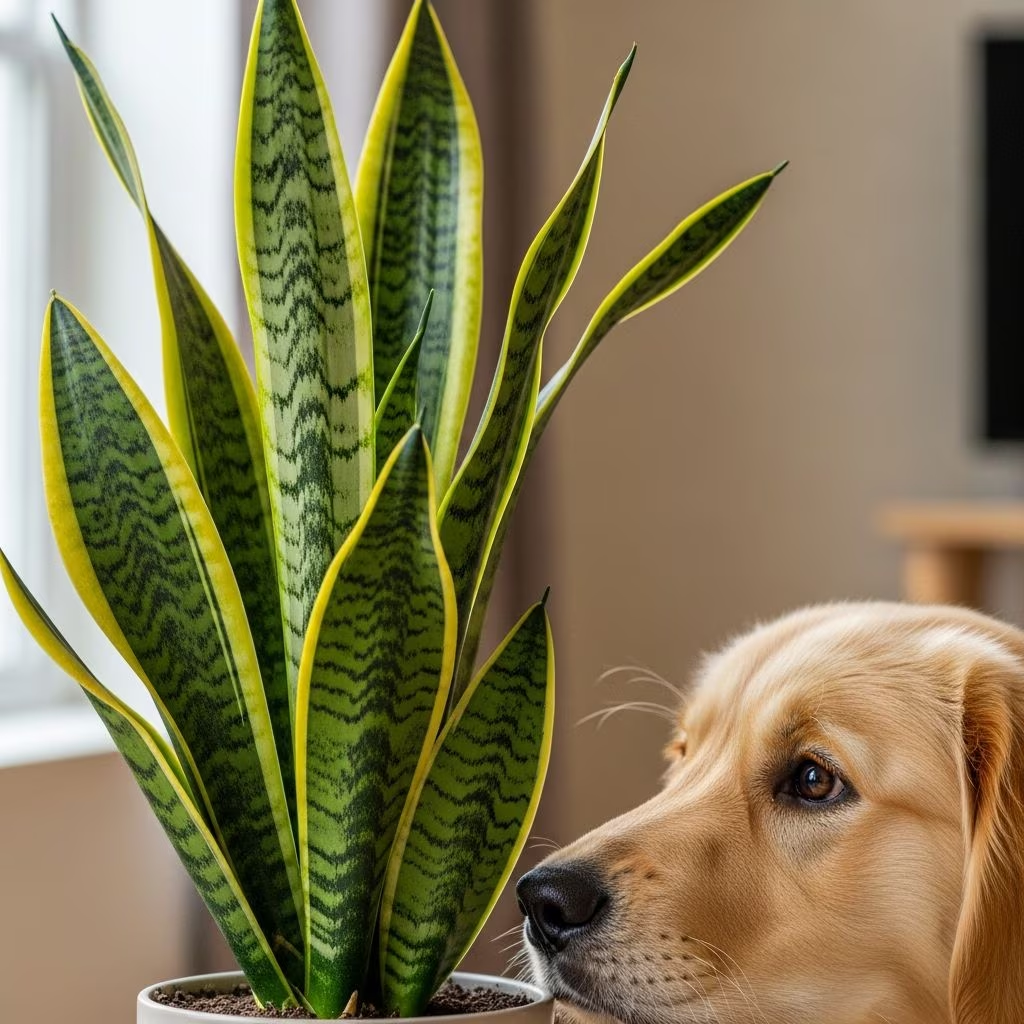
Snake plants, also known as Mother-in-Law’s Tongue or Sansevieria, are popular houseplants prized for their hardiness, air-purifying qualities, and striking upright leaves. However, many dog owners wonder: are snake plants toxic to dogs? The answer is yes—snake plants are mildly to moderately toxic to dogs. They contain natural compounds called saponins that can irritate the gastrointestinal tract, leading to uncomfortable but rarely life-threatening symptoms.
While not as dangerous as highly toxic plants like lilies or sago palms, snake plant ingestion warrants immediate attention to prevent escalation. This comprehensive guide covers everything from toxicity details and symptoms to treatment protocols, prevention strategies, safe alternatives, and FAQs, empowering you to keep your home both beautiful and pet-safe.
What Makes Snake Plants Toxic to Dogs?
Snake plants produce saponins, waxy, soap-like compounds that serve as a natural defense against pests, bacteria, and fungi. These chemicals taste bitter and irritating, which often deters dogs from eating much, but curious pups may still chew on leaves.
When ingested, saponins disrupt cell membranes and interact negatively with cholesterol in a dog’s body, primarily affecting the digestive system. This leads to irritation in the mouth, esophagus, stomach, and intestines. All parts of the plant—leaves, stems, and roots—contain saponins, with the highest concentrations in the leaves, which dogs most commonly access.
Unlike some toxins that cause organ failure or neurological issues, snake plant poisoning is typically self-limiting. Most dogs recover fully within 24-48 hours with supportive care, but prompt intervention minimizes discomfort.
Symptoms of Snake Plant Poisoning in Dogs
Symptoms usually appear within 30 minutes to a few hours after ingestion, depending on the amount eaten and the dog’s size. Severity ranges from mild (small nibble) to moderate (larger quantities), with gastrointestinal upset being the hallmark.
Immediate Oral Symptoms
- Excessive drooling: Due to mouth irritation and bitter taste.
- Pawing at the mouth: Dogs rub their face trying to remove the unpleasant sensation.
- Redness or swelling: In gums, tongue, or lips; rarely affects breathing.
Gastrointestinal Symptoms
- Vomiting: Often the first sign, sometimes containing plant material or blood in severe cases.
- Diarrhea: Loose, frequent stools that may be watery or mucousy.
- Loss of appetite: Refusal of food or treats.
Systemic Symptoms (Less Common)
- Lethargy: Weakness or reluctance to move.
- Nausea: Lip smacking or uneasy behavior.
- Dehydration: From fluid loss via vomiting/diarrhea.
Monitor closely for 24-48 hours, as symptoms peak early then subside. Puppies, seniors, or dogs with pre-existing conditions face higher risks.
What to Do If Your Dog Eats a Snake Plant
Act quickly but calmly. Time is key to reducing toxin absorption.
Step-by-Step First Aid
- Remove plant material: Gently check and clear your dog’s mouth of any leaves or pieces. Avoid forcing if resistant.
- Offer water: Encourage drinking to dilute saponins and soothe irritation. Some suggest milk, but water suffices.
- Do NOT induce vomiting: Saponins can worsen esophageal irritation on the way up. Only do so if a vet instructs.
- Call professionals: Contact your vet, ASPCA Poison Control (888-426-4435), or Pet Poison Helpline (855-764-7661) immediately. Provide details: amount eaten, time, dog’s weight, and symptoms.
- Monitor and isolate: Keep dog away from the plant; withhold food for 12-24 hours if mild.
Seek emergency care if symptoms worsen, bloody stool/vomit appears, or dog seems weak.
Treatment for Snake Plant Poisoning in Dogs
Treatment focuses on symptom relief and hydration, as no specific antidote exists.
At-Home Care (Mild Cases)
- Encourage fluids: Water, ice cubes, or low-sodium broth.
- Bland diet: Boiled rice and chicken after fasting.
- Rest: Limit activity to aid recovery.
Veterinary Care
Vets tailor treatment based on severity:
- Medications: Anti-nausea (e.g., Cerenia), anti-diarrheal.
- Fluids: IV for dehydration.
- Diagnostics: Bloodwork to check electrolytes/hydration.
- Advanced: Stomach pumping or activated charcoal for large ingestions (rare).
Most dogs recover at home; hospitalization is uncommon unless complications arise.
Preventing Snake Plant Poisoning
Prevention beats cure. Safeguard your plants and train your dog.
- Elevate plants: Place on high shelves, hanging baskets, or rooms off-limits to dogs.
- Barriers: Use baby gates, plant cages, or double-sided tape around bases.
- Training: Teach “leave it” or “drop it” commands with positive reinforcement.
- Supervise: Watch puppies or chewers closely.
- Plant rotation: Swap risky plants during high-chew phases.
Safe, Pet-Friendly Plant Alternatives
Enjoy greenery without worry. Here’s a table of **non-toxic plants for dogs**:
| Plant Name | Benefits | Care Level |
|---|---|---|
| Spider Plant | Air-purifying, dangling foliage | Easy |
| Boston Fern | Lush, humidity-loving | Medium |
| Parlor Palm | Elegant, slow-growing | Easy |
| Areca Palm | Brightens spaces, tropical vibe | Medium |
| Prayer Plant | Colorful leaves, folds at night | Medium |
Verify with ASPCA’s non-toxic list before buying.
Frequently Asked Questions (FAQs)
Are snake plants poisonous to dogs?
Yes, snake plants are mildly to moderately toxic due to saponins, causing vomiting, diarrhea, and drooling.
Can a snake plant kill a dog?
No, fatalities are extremely rare. Symptoms are uncomfortable but resolve with care.
How long do symptoms last?
Typically 24-48 hours, peaking in the first few hours.
What part of the snake plant is most toxic?
All parts, but leaves have the highest saponin concentration.
Should I make my dog vomit?
No, unless vet-directed—risks further irritation.
Are snake plants toxic if sniffed?
No, smelling poses no risk; ingestion is the issue.
Compared to other plants?
Less toxic than lilies or azaleas, more than spider plants.
Final Thoughts on Keeping Dogs Safe Around Houseplants
Snake plants add beauty and clean air to homes, but their toxicity means caution around dogs. By understanding risks, recognizing symptoms early, and implementing prevention, you can enjoy both plants and pets worry-free. Always prioritize vet consultation for peace of mind—better safe than sorry.
References
- Are Snake Plants Toxic to Dogs? Safety Guide for Pet Owners — PrintPaws. 2023. https://printpaws.com/are-snake-plants-toxic-to-dogs-safety-guide-for-pet-owners/
- Are Snake Plants Toxic to My Dog? — Kinship.com. 2023. https://www.kinship.com/dog-health/are-snake-plants-toxic-for-dogs
- Snake Plants Toxicity to Cats, Dogs and Safe Alternatives — LivelyRoot. 2023. https://www.livelyroot.com/blogs/plant-care/snake-plants-toxicity-to-pets
- Plants Poisonous to Dogs — PetMD. 2024-01-10. https://www.petmd.com/dog/poisons/plants-poisonous-to-dogs
- Poisonous Plants for Dogs: 10 Plants Toxic to Pups — Chewy.com. 2023. https://www.chewy.com/education/dog/health-and-wellness/complete-guide-to-poisonous-plants-for-dogs
- Snake Plant Poisoning in Dogs — WagWalking. 2023. https://wagwalking.com/condition/snake-plant-poisoning
- Toxic and Non-toxic Plants: Snake Plant — ASPCA.org. 2024. https://www.aspca.org/pet-care/aspca-poison-control/toxic-and-non-toxic-plants/snake-plant



