

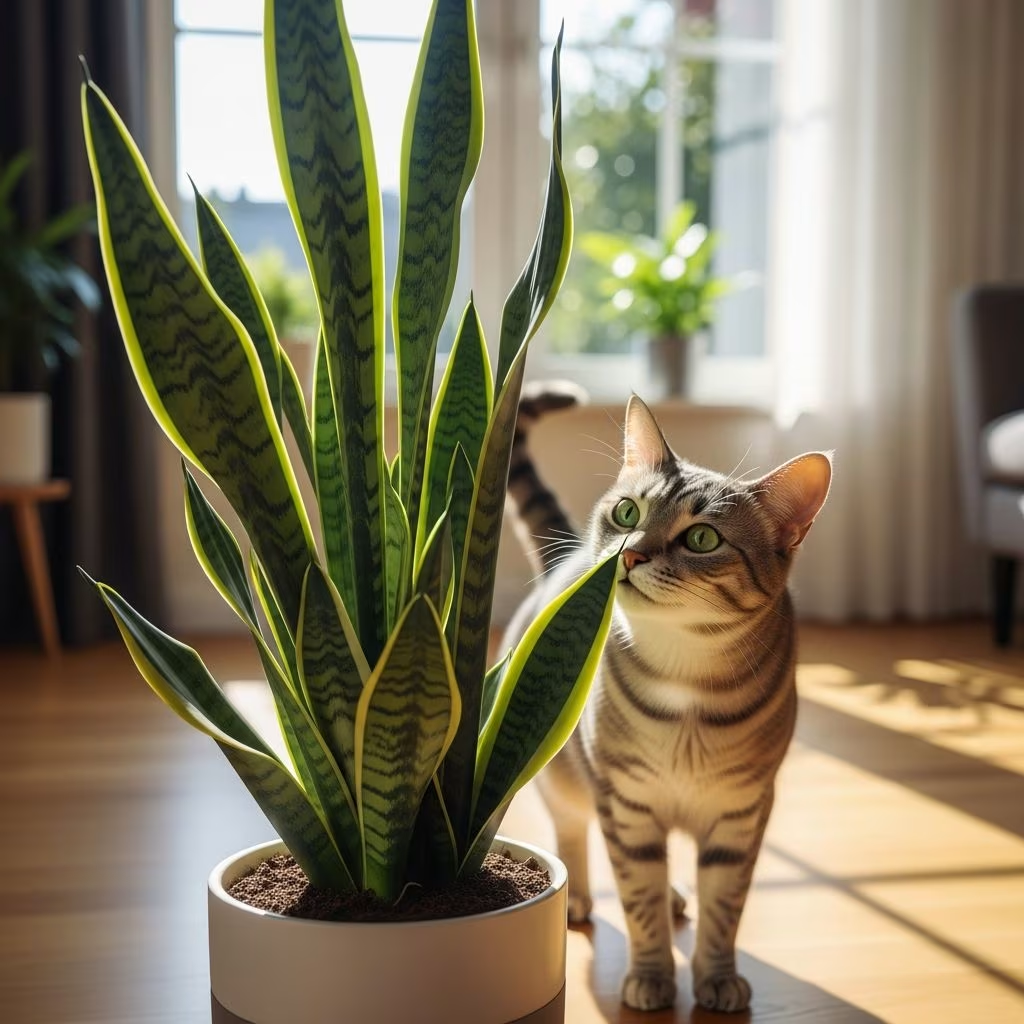
Snake plants, also known as Mother-in-Law’s Tongue or Sansevieria, are beloved indoor houseplants prized for their striking architecture, low-maintenance care, and air-purifying qualities. These resilient succulents thrive in low light, require minimal watering, and add a modern touch to any room. However, for cat owners, a pressing question arises: are snake plants toxic for cats? The answer is yes. According to the ASPCA, snake plants are toxic to cats due to saponins, natural compounds that irritate the gastrointestinal tract. While not usually fatal, ingestion can cause uncomfortable symptoms, making it essential for pet parents to understand the risks and precautions.
This comprehensive guide covers everything from the science behind snake plant toxicity to symptoms in cats, treatment options, prevention strategies, and pet-safe alternatives. Whether you’re a new cat owner decorating your space or a seasoned plant enthusiast, this article equips you with the knowledge to keep your feline friend safe.
What Are Snake Plants?
Snake plants (Sansevieria trifasciata, now often classified under Dracaena) are native to tropical West Africa and have been cultivated worldwide for centuries. Their long, upright leaves, which can reach up to 4 feet tall, feature bold variegations in green, yellow, and silver, earning them names like Viper’s Bowstring Hemp.
- Popular Varieties: Laurentii (yellow-edged), Black Coral (dark green), Moonshine (silvery), and Hahnii (bird’s nest dwarf).
- Care Basics: Tolerate neglect, prefer well-draining soil, water every 2-6 weeks, and purify air by removing toxins like formaldehyde and benzene.
Despite these benefits, their appeal to curious cats—who often chew plants for fiber or play—poses a hazard. Saponins, soap-like chemicals in all parts of the plant, act as a natural defense against pests but disrupt pet digestion.
Why Are Snake Plants Toxic to Cats?
The toxicity stems from saponins, glycosides that foam when mixed with water and bind to cell membranes, causing leakage and irritation. These compounds are concentrated in the leaves, sap, and roots. When a cat chews or swallows snake plant material, saponins enter the mouth, throat, and stomach, triggering inflammation.
Research confirms snake plants contain saponins alongside potential traces of alkaloids and calcium oxalate crystals, exacerbating effects in high doses. Unlike deadly toxins like those in lilies, snake plant poisoning is classified as mild to moderate by veterinary sources. A small nibble might cause minor upset, but repeated or large ingestions can lead to dehydration from vomiting and diarrhea.
| Toxin | Location in Plant | Effect on Cats |
|---|---|---|
| Saponins | Leaves, sap, roots | GI irritation, nausea, vomiting |
| Calcium Oxalate (possible) | Leaves | Oral pain, swelling |
| Alkaloids (trace) | Whole plant | Lethargy, drooling |
Importantly, toxicity affects cats more noticeably than dogs due to their smaller size and grooming habits, which increase sap ingestion.
Symptoms of Snake Plant Poisoning in Cats
If your cat eats a snake plant, symptoms typically appear within 2-12 hours. Severity depends on the amount consumed and the cat’s size/health. Watch for these common signs listed by the ASPCA and Merck Veterinary Manual:
- Gastrointestinal: Nausea, vomiting (often with plant bits), diarrhea, abdominal pain, loss of appetite.
- Oral/Throat: Drooling, pawing at mouth, swollen tongue/mouth, pale gums.
- Systemic: Lethargy, depression, dilated pupils, dehydration.
In rare severe cases (large ingestion), watch for difficulty breathing or bloody stool, signaling deeper damage like liver stress. Cats may hide or act unusually quiet. Prompt recognition is key—mild cases resolve in 24-48 hours, but delays risk complications.
What to Do If Your Cat Eats a Snake Plant
Don’t panic, but act fast. Step 1: Remove plant remnants from your cat’s mouth gently and note the time/amount ingested. Step 2: Contact professionals:
- ASPCA Animal Poison Control: (888) 426-4435
- Pet Poison Helpline: (855) 764-7661
- Your veterinarian immediately
Do NOT induce vomiting at home—saponins cause oral irritation, risking aspiration. Vets may administer activated charcoal, anti-nausea meds (e.g., maropitant), fluids for hydration, or diagnostics like bloodwork if needed. Most cats recover fully with supportive care; hospitalization is rare for mild cases. Costs range from $100-$500 depending on treatment.
Are Snake Plants Toxic to Other Pets?
Yes, snake plants are toxic to dogs, rabbits, and other pets via the same saponins. Dogs show similar GI symptoms but are less prone due to size. For kittens/puppies, even small amounts pose higher risk. Humans face mild GI upset if ingested, but eyes/skin contact warrants rinsing.
Prevention: Keeping Cats Safe from Toxic Plants
Proactive steps ensure harmony:
- Elevate Plants: Hang in macrame, place on high shelves, or use tall stands.
- Barriers: Plant cages, aluminum foil bases (cats hate texture), or double-sided tape.
- Deterrents: Citrus sprays, bitter apple, or motion-activated air puffs.
- Room Separation: Keep plants in cat-free zones.
- Training: Redirect chewing with toys/cat grass.
Regular vacuuming removes fallen leaves. Opt for pet-proofing over rehoming—many succeed with these methods.
Pet-Safe Alternatives to Snake Plants
Craving low-light, resilient greenery? Choose ASPCA-approved safe plants:
| Plant | Why Safe & Similar | Care Tips |
|---|---|---|
| Parlor Palm (Chamaedorea elegans) | Non-toxic, upright fronds, air-purifying | Indirect light, moist soil |
| Spider Plant (Chlorophytum comosum) | Trailing, tolerates low light, playful for cats | Water when dry, bright indirect |
| Boston Fern (Nephrolepis exaltata) | Lush, humidity-loving, safe | Shade, consistent moisture |
| Calathea (Goeppertia) | Variegated leaves, low light | Humid, well-draining soil |
| Areca Palm | Tall, feathery, non-toxic | Bright indirect, moderate water |
These mimic snake plants’ vibe without risks. Cat grass (wheat/oat) satisfies chewing urges safely.
Frequently Asked Questions (FAQs)
Are all snake plant varieties toxic to cats?
Yes, all Sansevieria and Dracaena snake plant varieties contain saponins, making them toxic regardless of variegation or size.
Can a snake plant kill a cat?
No, snake plant toxicity is rarely fatal. Mild symptoms predominate, but large amounts or untreated cases can lead to severe dehydration. Seek vet care promptly.
How long do symptoms last after eating a snake plant?
Typically 12-48 hours with supportive care. Persistent symptoms beyond 2 days require veterinary evaluation.
Are snake plants safe for humans?
Safe for handling, but ingestion causes mild stomach upset. Avoid eye/sap contact.
What if my cat just licked a snake plant?
Monitor for drooling or mild nausea. Rinse mouth if possible and watch; contact poison control for guidance.
Final Thoughts
Snake plants enhance homes but demand caution around cats. By recognizing toxicity, acting swiftly on symptoms, and choosing alternatives, you create a safe, green oasis. Prioritize your pet’s health—consult vets for personalized advice. With smart choices, your cat and indoor jungle can coexist peacefully.
References
- Toxic and Non-toxic Plants: Mother-in-Law’s Tongue — ASPCA. Accessed 2026. https://www.aspca.org/pet-care/aspca-poison-control/toxic-and-non-toxic-plants/mother-laws-tongue
- Houseplants and Ornamentals Toxic to Animals — Merck Veterinary Manual. Accessed 2026. https://www.merckvetmanual.com/toxicology/poisonous-plants/houseplants-and-ornamentals-toxic-to-animals
- Toxicity of House Plants to Pet Animals — PMC / PubMed Central. 2023-05-29. https://pmc.ncbi.nlm.nih.gov/articles/PMC10220692/



