

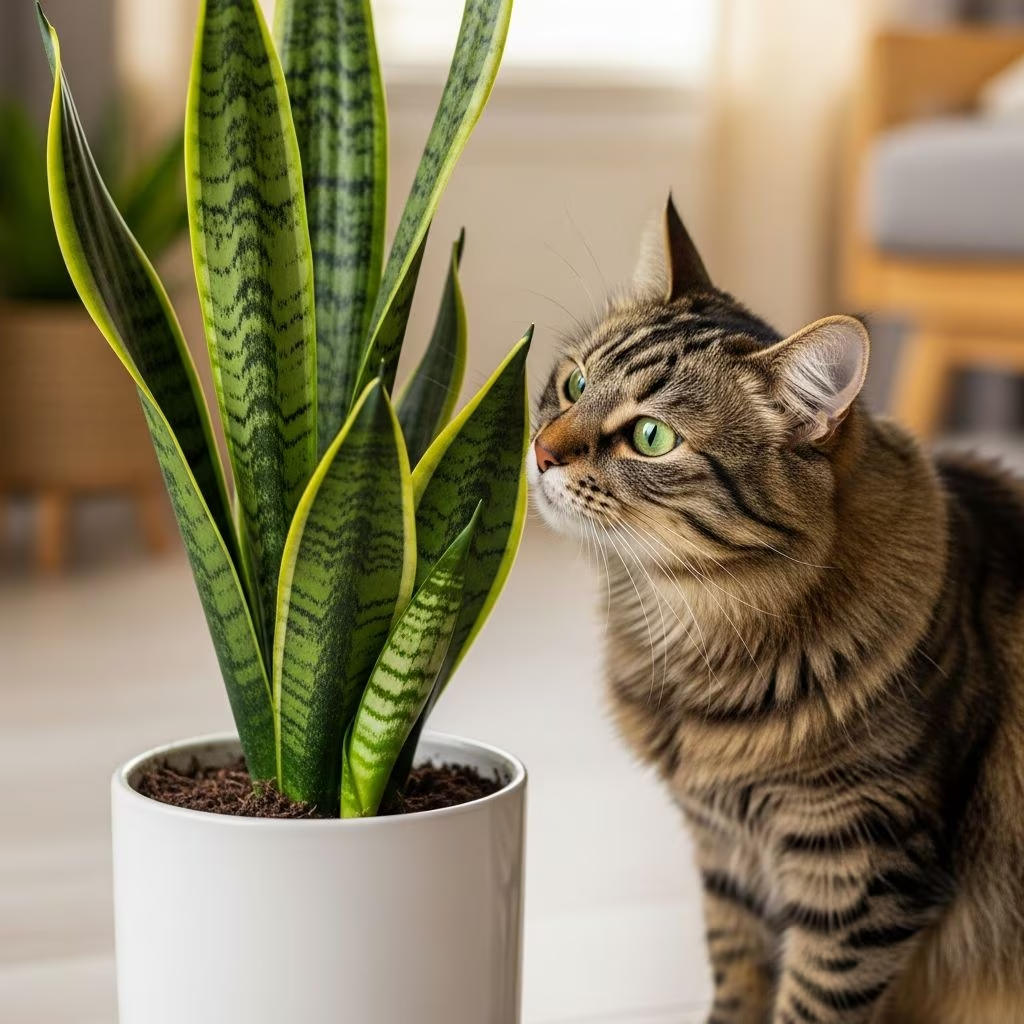
Are Snake Plants Toxic for Cats?
Snake plants, scientifically known as Sansevieria trifasciata and commonly called mother-in-law’s tongue, are among the most popular indoor houseplants due to their striking appearance and low-maintenance nature. These hardy plants thrive in various light conditions and require minimal watering, making them an attractive choice for busy plant parents. However, if you share your home with feline companions, an important question arises: are snake plants toxic to cats? The straightforward answer is yes—snake plants are toxic to cats and can pose a genuine health risk if ingested.
Understanding the specific dangers of snake plants and knowing how to protect your beloved pet is essential for any cat owner considering these popular houseplants. This comprehensive guide explores the toxicity of snake plants, explains the compounds responsible for their dangerous effects, outlines the symptoms of poisoning, and provides practical strategies for keeping your cat safe.
What Makes Snake Plants Toxic to Cats?
Snake plants contain several toxic compounds that can cause harm to feline digestive systems and overall health. The primary toxic substance responsible for poisoning in cats is saponin, a naturally occurring chemical compound found throughout the entire plant. Saponins are present on all parts of the snake plant, including the leaves, stems, and roots, making every portion of the plant potentially dangerous if ingested by your cat.
Beyond saponins, snake plants also contain other harmful substances including calcium oxalate crystals and alkaloids. These compounds work together to create a multi-layered threat to cats that consume any part of the plant. Calcium oxalate crystals can perforate tissues and mucous membranes, causing inflammation and cell damage, while alkaloids interfere with normal muscle and nerve function by acting as antagonists of acetylcholine, an essential molecule for muscle activation and brain function.
The combination of these toxic principles means that even small exposures can trigger adverse reactions in cats, and larger ingestions can lead to severe health consequences.
Understanding Saponin Toxicity
Saponins are the primary concern when it comes to snake plant toxicity in cats. These naturally occurring compounds function as a defense mechanism for the plant against predators, parasites, and competitors in its native African environment. When ingested by cats, saponins are difficult for the gastrointestinal tract to absorb, which creates significant problems within the digestive system.
The mechanism of saponin toxicity involves several harmful effects on the cat’s body:
- Saponins cause permeability changes in the gastrointestinal tract, disrupting the normal function of digestive membranes and causing loss of protective enzymes linked to the intestinal lining
- These compounds obstruct bile canaliculi, which compromises the normal flow of bile and causes bilirubin to return to the bloodstream, resulting in jaundice and liver damage
- Saponin absorption can trigger systemic effects including liver problems, seizures, coma, and in severe cases, death
- The substance creates severe gastroenteritis, leading to intense inflammation of the stomach and intestines
It’s important to note that the concentration of saponins can vary depending on environmental conditions such as light, temperature, humidity, and soil fertility, as well as cultivation techniques. This means that some snake plants may contain higher toxin levels than others.
Symptoms of Snake Plant Poisoning in Cats
If your cat has ingested snake plant material, recognizing the symptoms of poisoning is crucial for obtaining prompt veterinary care. The clinical signs of snake plant toxicity typically appear within hours of ingestion and can range from mild to severe.
Common symptoms include:
- Nausea and vomiting—often the first signs of plant ingestion
- Diarrhea and abdominal pain
- Loss of appetite and anorexia
- Hypersalivation and excessive drooling
- Oral irritation with a burning sensation in the mouth and on the tongue
- Difficulty swallowing
- Lethargy and weakness
- Increased thirst (polydipsia)
- Tremors and disorientation
- Loss of motor coordination (ataxia)
- Breathing difficulties
In more severe cases of snake plant poisoning, cats may experience neurological symptoms including convulsions, loss of consciousness, and potentially fatal kidney or liver failure if the poisoning is not treated promptly. The calcium oxalate crystals in snake plants can cause immediate pain and irritation to mucous membranes, creating a burning sensation that makes cats reluctant to eat or drink.
One critical concern is that the oral irritation caused by snake plants makes inducing vomiting a risky treatment option, as there is a high potential for aspiration (food or liquid entering the airway) leading to asphyxiation and dyspnea (difficulty breathing). This is why veterinary guidance is essential if your cat has ingested snake plant material.
Severity of Poisoning: Dose and Individual Factors
The severity of snake plant poisoning depends on several factors, including the amount ingested, the size and age of the cat, and the cat’s overall health status. The good news is that a small, one-time bite of a snake plant is unlikely to cause serious harm to most cats. Many cats naturally avoid these plants because the leaves have a bitter taste, which serves as a natural deterrent.
However, when snake plant is ingested in high doses by domestic animals, it can constitute a significant risk to animal health, causing gastrointestinal damage, liver damage, kidney damage, and potentially leading to death if not treated early. This underscores the importance of prevention and awareness for cat owners.
Kittens and senior cats may be more vulnerable to the effects of plant toxins due to their developing or declining metabolic and digestive systems. Additionally, cats with existing liver or kidney disease face greater risks from exposure to snake plant toxins.
Why Cats Are Attracted to Plants
Understanding why cats are drawn to houseplants can help you better protect them. Cats are naturally curious creatures and may be attracted to snake plants for several reasons:
- The tall, thin leaves resemble grass and trigger the cat’s hunting instincts
- The rustling sound of the leaves can attract playful, pouncing behavior
- Some cats may chew on plants out of boredom or to aid digestion, as cats in the wild sometimes consume grass
- The texture of the leaves may appeal to cats seeking oral stimulation
Knowing that cats find plants appealing makes prevention strategies all the more important for protecting your feline friend.
Immediate Steps If Your Cat Ingests Snake Plant
If you suspect or confirm that your cat has ingested snake plant material, taking immediate action is critical. The appropriate steps include:
- Remove your cat from access to the snake plant immediately
- Do not attempt to induce vomiting, as the oral irritation caused by the plant makes this treatment risky
- Contact your veterinarian immediately or call the ASPCA Animal Poison Control Center at (888) 426-4435
- Provide your veterinarian with information about the amount of plant material consumed and the time of ingestion
- Monitor your cat closely for symptoms while awaiting veterinary guidance
- Be prepared to transport your cat to an emergency veterinary clinic if symptoms develop
Professional veterinary care may include activated charcoal administration, supportive care with IV fluids, monitoring of liver and kidney function through blood tests, and symptomatic treatment of vomiting, diarrhea, and other presenting symptoms.
Creating a Cat-Safe Home Environment
If you’re a plant lover with cats in your home, creating an environment that allows you to enjoy plants while keeping your feline safe is possible with thoughtful planning. Consider these strategies:
- Place snake plants and other toxic plants in rooms where your cat cannot access them, such as behind closed doors or on shelves that are completely out of reach
- Use hanging planters or wall-mounted shelves to keep plants elevated and away from curious cats
- Create a dedicated “cat garden” with cat-safe plants like cat grass, spider plants (which are non-toxic), and catnip to redirect your cat’s plant-eating behavior
- Use physical barriers such as plant stands with gates or protective cages around valuable plants
- Avoid placing toxic plants in areas where cats frequent or rest
- Supervise your cat’s access to rooms containing toxic plants
Safe Plant Alternatives for Cat Owners
If you want to fill your home with greenery without the toxicity risk, numerous cat-safe plants offer beauty and air-purifying benefits. Some excellent alternatives include:
- Spider plants—hardy, attractive, and completely non-toxic to cats
- Boston ferns—add humidity and visual interest without danger
- Parlor palms—tropical-looking and safe for feline companions
- African violets—colorful flowering plants that pose no toxicity risk
- Bamboo palms—tall and dramatic while remaining non-toxic
- Areca palms—provide a tropical aesthetic safely
- Calathea plants—beautiful foliage in various patterns and colors
Consulting the ASPCA’s comprehensive list of toxic and non-toxic plants can help you make informed decisions about which houseplants to bring into your home.
When to Consult Your Veterinarian
Beyond immediate poisoning concerns, consulting your veterinarian about your cat’s plant exposure is always advisable. Your vet can provide personalized advice based on your cat’s age, health status, and behavior patterns. They can also recommend specific strategies for your household and discuss whether additional monitoring is necessary after any plant ingestion incident.
If your cat has a history of eating plants, your veterinarian might suggest behavioral interventions or environmental modifications to reduce access to potentially dangerous vegetation.
Frequently Asked Questions
Q: Are all parts of the snake plant toxic to cats?
A: Yes, the entire snake plant is toxic to cats, including the leaves, stems, roots, and even pollen. The saponin compounds responsible for toxicity are distributed throughout the entire plant.
Q: How much snake plant does a cat need to ingest to become seriously ill?
A: A small, one-time bite is unlikely to cause serious harm, but ingestion of larger amounts can cause severe gastrointestinal, liver, and kidney damage. The exact amount varies based on the cat’s size, age, and overall health.
Q: What should I do if my cat vomits after eating snake plant?
A: Contact your veterinarian or the ASPCA Poison Control Center immediately at (888) 426-4435. Do not attempt home treatment without professional guidance, as the oral irritation from the plant makes some standard treatments unsafe.
Q: Can snake plant poisoning be fatal in cats?
A: Yes, if left untreated, snake plant poisoning can lead to severe liver and kidney damage, potentially resulting in death. Prompt veterinary care significantly improves the prognosis.
Q: Why do cats chew on plants if they’re toxic?
A: Cats may chew on plants due to curiosity, boredom, or instinctive behaviors related to grass consumption. They don’t naturally recognize the danger posed by specific plant toxins.
Q: Are there any safe ways to keep a snake plant in a home with cats?
A: Yes, you can keep a snake plant if you place it in a completely inaccessible location, such as a locked room, high shelf the cat cannot reach, or behind a secure barrier. However, choosing non-toxic plants is a safer alternative.
References
- Literature review: Sansevieria trifasciata poisoning in dogs and cats — Seven Editora. 2022. https://sevenpubl.com.br/anais7/article/download/5007/9325/20570
- Are snake plants toxic to pets? Indoor plant experts reveal all — Homes and Gardens. 2024. https://www.homesandgardens.com/gardens/are-snake-plants-toxic-to-pets
- Toxicity of House Plants to Pet Animals — PubMed Central, National Center for Biotechnology Information. 2023. https://pmc.ncbi.nlm.nih.gov/articles/PMC10220692/
- Houseplants and Ornamentals Toxic to Animals — Merck Veterinary Manual. 2024. https://www.merckvetmanual.com/toxicology/poisonous-plants/houseplants-and-ornamentals-toxic-to-animals
- Toxic and Non-toxic Plants: Mother-in-Law’s Tongue — American Society for the Prevention of Cruelty to Animals (ASPCA). 2024. https://www.aspca.org/pet-care/aspca-poison-control/toxic-and-non-toxic-plants/mother-laws-tongue



