

Are Slow Feeders Good For Cats? Vet Approved Pros, Cons & Verdict
Every cat parent has probably witnessed their feline companion beg relentlessly for food, only to devour their entire meal in mere minutes, followed by an uncomfortable regurgitation episode. This common scenario has led many pet owners to explore alternative feeding solutions. Recently, slow feeders have emerged as an increasingly popular choice for cat nutrition, but the question remains: are they truly beneficial for our feline friends? And how exactly do these innovative feeding devices work? In short, slow feeders can be very good for cats because they promote healthy digestion and provide mental enrichment. Let’s explore all the details, advantages, disadvantages, and final recommendations below.
What Are Slow Feeders and How Do They Work?
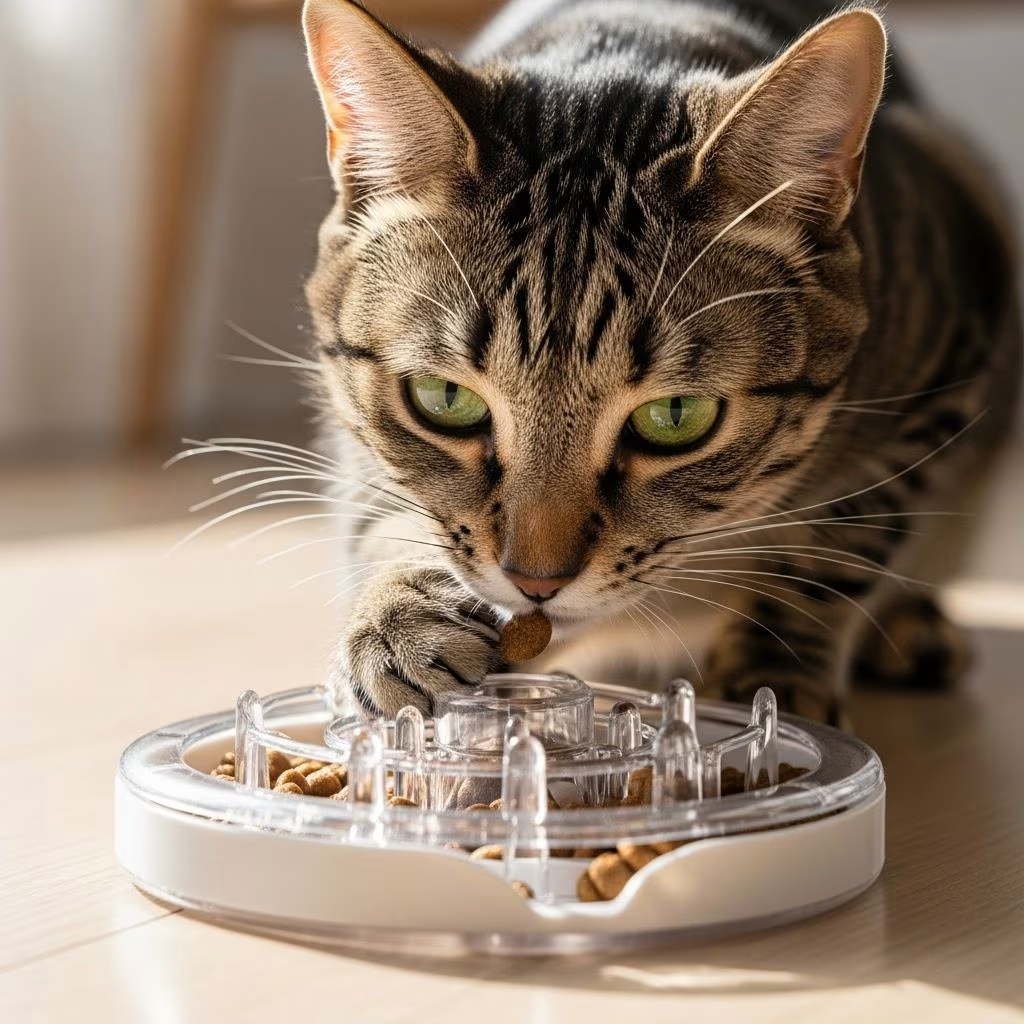
Slow feeders are specially designed feeding bowls featuring ridges, mazes, or elevated platforms that force cats to eat at a more measured pace. Rather than simply lapping food from a flat surface, cats must navigate around obstacles, dig through crevices, or work strategically to access each morsel of food. This design transforms mealtime from a speed-eating competition into an engaging activity that requires mental participation and physical effort.
The concept behind slow feeders is rooted in feline biology and behavior. In nature, wild cats don’t have access to unlimited food in convenient bowls. Instead, they must hunt, stalk, and work for their meals. Modern domestic cats retain these hunting instincts, and slow feeders capitalize on this by recreating that sense of engagement and purpose during feeding time.
Advantages of a Slow Feeder
The benefits of implementing slow feeders into your cat’s daily routine are substantial and well-documented by veterinary professionals and cat behavior experts.
Promotes Healthy Digestion
The biggest advantage of a slow feeder is that it slows your pet’s eating and promotes healthy digestion. When cats eat too quickly, food doesn’t receive adequate time to be properly broken down before reaching the stomach and digestive tract. By forcing cats to work around obstacles and consume food morsel by morsel, slow feeders encourage more thorough chewing, which aids in digestion. This slower consumption means cats swallow considerably less air during meals, resulting in greater comfort after feeding times and reduced instances of digestive upset.
Reduces Vomiting and Regurgitation
One of the most common complaints among cat owners is their pet vomiting shortly after eating. This phenomenon, often called “scarf and barf,” occurs when cats consume food at such rapid speeds that their brain doesn’t receive fullness signals in time. The esophagus becomes overwhelmed, leading to regurgitation. Slow feeders effectively mitigate this issue by preventing the rapid consumption that triggers this uncomfortable response.
Supports Weight Management
Slow feeders offer an effective way to control your cat’s intake if they are overweight or obese. When food consumption is slowed, the body has adequate time to register satiety signals. This allows cats to feel satisfied with smaller portion sizes, reducing overall calorie intake and supporting healthy weight loss programs. The portion control mechanism works naturally rather than relying solely on dietary restriction, making it a gentler approach to weight management.
Provides Mental Enrichment and Stimulation
Beyond the physical health benefits, slow feeders deliver significant psychological advantages. House cats often lack the stimulation that wild cats naturally experience through hunting and foraging. By incorporating puzzle-like elements into feeding time, slow feeders engage your cat’s mind and provide purposeful activity. This mental stimulation helps reduce boredom-related behaviors, including destructive actions and excessive food begging. Cats become focused on the challenge of accessing their food rather than on secondary behavioral issues.
Mimics Natural Foraging Instincts
Slow feeders essentially recreate the hunting and foraging behaviors that are deeply embedded in feline DNA. Rather than simply consuming pre-prepared meals, cats must explore with their paws, nose, and brain, maintaining their predatory instincts and providing them with a sense of purpose. This natural engagement contributes significantly to overall feline wellbeing and contentment.
Reduces Food-Related Aggression
In multi-cat households, mealtime can become contentious as cats compete for food resources. Slow feeders help alleviate food aggression by encouraging each pet to focus on their own meal rather than competing with others. The structured eating environment promotes harmony and reduces tension during feeding times.
Supports Dental Health
Slow feeders promote better dental health by encouraging cats to chew their food more thoroughly. Increased chewing action helps prevent tartar buildup and gum disease, contributing to your cat’s long-term oral health and overall wellbeing.
Potential Disadvantages and Considerations
While slow feeders offer numerous benefits, there are some considerations cat owners should keep in mind before making the switch.
Adjustment Period
Some cats may initially resist slow feeders, finding the puzzle-like design frustrating rather than engaging. Older cats or those with limited mobility may struggle with bowls that require significant physical maneuvering. Introducing slow feeders gradually—starting with one meal per day—allows your cat to adjust at their own pace.
Cleaning and Maintenance
The ridges and mazes of slow feeders can trap food particles and require more thorough cleaning than traditional bowls. Materials like stainless steel and ceramic are recommended, as they’re easier to clean and don’t retain odors.
Individual Variability
Not all cats benefit equally from slow feeders. Some may become frustrated or avoid meals if they perceive the feeder as an obstacle rather than an aid. Monitoring your cat’s behavior and emotional response is essential.
How to Implement Slow Feeders in Your Cat’s Routine
Successfully introducing slow feeders requires a thoughtful, gradual approach to ensure your cat embraces this change positively.
Start Gradually
Begin by introducing the slow feeder during just one meal per day, allowing your cat to adjust to the new eating experience without overwhelming them. This gradual transition helps prevent frustration and allows their feeding behavior to adapt naturally.
Monitor Behavior Carefully
Observe your cat closely as they interact with the slow feeder. Ensure they are not becoming frustrated, avoiding meals, or showing signs of stress. If your cat consistently refuses to use the feeder, you may need to select a different design or continue with traditional feeding methods.
Combine with Physical Activity
For maximum weight loss and health benefits, encourage physical activity alongside slow feeding. Short daily play sessions enhance the overall impact of slow feeders on your cat’s health and fitness levels. Interactive play also provides additional mental stimulation and bonding opportunities.
Use Portion Control Strategies
Smaller, more frequent meals combined with slow feeders create an optimal feeding strategy. Rather than one or two large meals daily, consider distributing food across multiple feeding sessions, which helps prevent vomiting and indigestion.
Consult Your Veterinarian
Regular veterinary check-ups help track your cat’s progress and allow your vet to make necessary adjustments to their feeding plan. Your veterinarian can provide personalized recommendations based on your cat’s specific health status, age, and dietary needs.
Choosing the Right Slow Feeder
When selecting a slow feeder for your cat, several factors warrant consideration. Material quality is paramount—stainless steel and ceramic options offer superior durability, easier cleaning, and don’t retain food odors. The design complexity should match your cat’s cognitive level and physical capabilities. Some cats prefer simple ridge patterns, while others enjoy more elaborate maze configurations. Size is another critical consideration; the feeder should accommodate appropriate portion sizes for your individual cat’s dietary requirements.
Frequently Asked Questions About Slow Feeders
Q: Are slow feeder bowls good for all cats?
A: While slow feeders benefit most cats, particularly those who eat quickly or struggle with digestion, individual cats respond differently. Older cats or those with mobility issues may find them challenging. It’s best to introduce them gradually and monitor your cat’s response. Consult with your veterinarian about whether a slow feeder is appropriate for your specific cat.
Q: How long does it take for cats to adjust to slow feeders?
A: Most cats adjust within 1-2 weeks when introduced gradually. Starting with one meal per day in the slow feeder allows them to become comfortable with the new eating experience at their own pace.
Q: Can slow feeders prevent all vomiting related to eating?
A: Slow feeders significantly reduce vomiting caused by eating too quickly, but if vomiting continues, consult your veterinarian to rule out underlying medical issues that may require additional treatment.
Q: Do slow feeders work for weight loss?
A: Yes, slow feeders are highly effective for weight management when combined with appropriate portion sizes and regular physical activity. They allow cats to feel satisfied with fewer calories and promote healthier eating habits.
Q: What materials are best for slow feeders?
A: Stainless steel and ceramic materials are recommended as they’re durable, easy to clean, and don’t retain food odors. Avoid plastic options that may harbor bacteria and develop odors over time.
Q: Are timed feeders different from slow feeders?
A: Timed feeders dispense food at set intervals and work well for households with hectic schedules or cats on therapeutic diets. They provide portion control and prevent overeating through automated portion management rather than maze-like designs.
Q: How do slow feeders help with boredom?
A: Slow feeders transform mealtime from a passive activity into an engaging challenge that requires mental and physical participation. This engagement provides purposeful activity that reduces destructive behaviors and excessive food begging associated with boredom.
The Verdict: Are Slow Feeders Worth It?
The evidence strongly suggests that slow feeders are a worthwhile investment for most cat owners, particularly those dealing with rapid eating, vomiting, weight management, or boredom-related behavioral issues. The multifaceted benefits—improved digestion, reduced regurgitation, healthy weight maintenance, mental enrichment, and enhanced overall wellbeing—make slow feeders a practical and effective feeding solution.
Rather than viewing mealtime as a simple necessity, slow feeders transform feeding into an enriching activity that addresses multiple aspects of your cat’s physical and psychological health. When introduced gradually and paired with attentive monitoring, slow feeders can significantly enhance your cat’s quality of life and strengthen your relationship with your feline companion through improved health outcomes and reduced stress-related feeding issues.
References
- Can Cats Lose Weight with a Slow Feeder in 2025? — Ask A Vet. 2025. https://askavet.com/blogs/news/can-cats-lose-weight-with-a-slow-feeder-in-2025
- Are Slow Feeders Good For Cats? Vet Approved Pros, Cons & Verdict — Catster. 2024. https://www.catster.com/lifestyle/are-slow-feeders-good-for-cats
- How to Slow Down Your Cat’s Eating: The Benefits of Slow Feeder Bowls — Zach’s Pet Shop. 2024. https://zachspetshop.com.au/blogs/guides-advice/how-to-slow-down-your-cats-eating-the-benefits-of-slow-feeder-bowls
- Top 8 Benefits of Using a Cat Slow Feeder — WOpet. 2024. https://wopet.com/cats/benefits-of-using-a-cat-slow-feeder
- The Best Slow Feeders for Cats to Manage Eating Habits — Pet Care Shed. 2024. https://petcareshed.com.au/blogs/pet-supplies/the-best-slow-feeders-for-cats-to-manage-eating-habits
- Feeding the Mind and Body: Interactive Feeders for Dogs and Cats — VCA Animal Hospitals. 2024. https://vcahospitals.com/know-your-pet/feeding-the-mind-and-body-interactive-feeders-for-dogs-and-cats



