

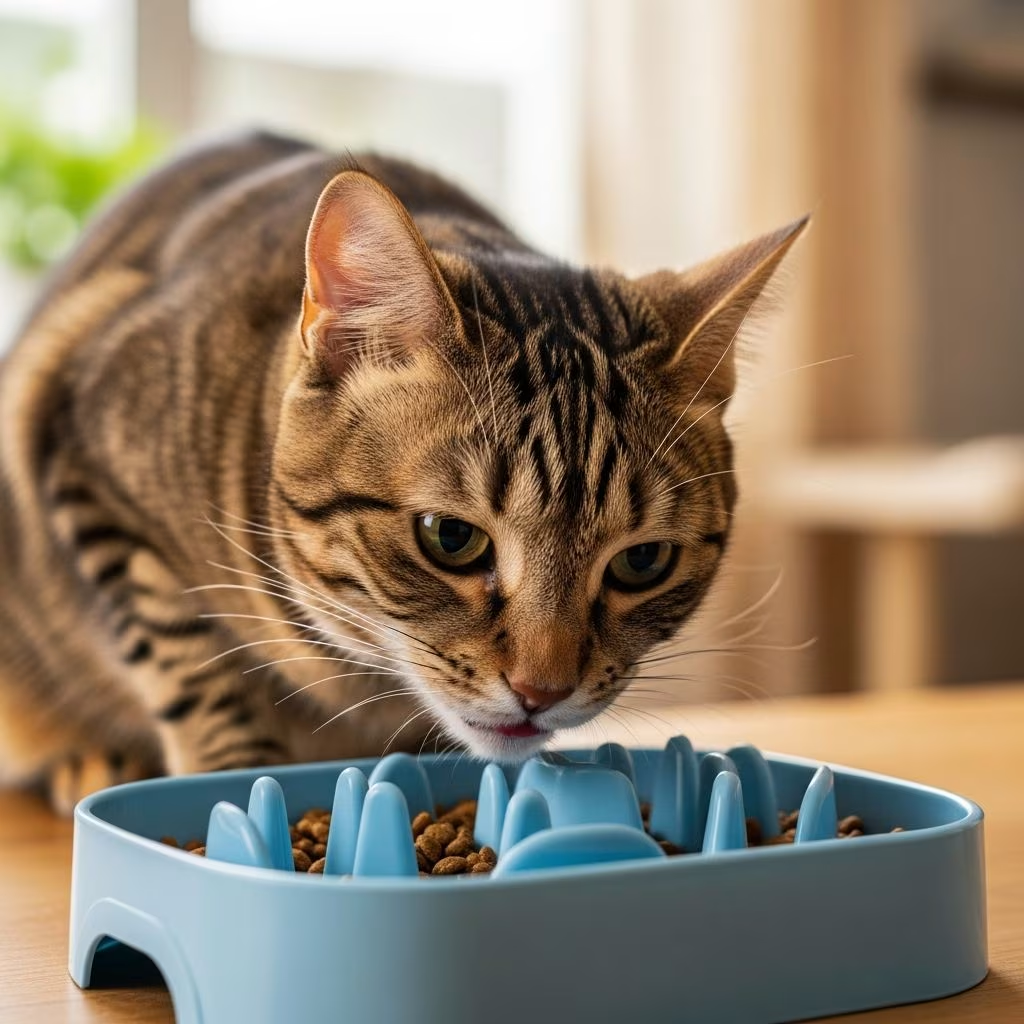
Many cat owners notice their pets devouring meals in seconds, often leading to regurgitation or discomfort. Slow feeders have surged in popularity as a solution, but are they truly beneficial? In short, slow feeders are generally very good for cats, promoting healthier digestion, preventing overeating, and providing mental stimulation.
These specialized bowls feature obstacles like ridges, mazes, or puzzles that force cats to eat more deliberately, mimicking natural foraging behaviors. This article dives into the advantages, potential downsides, types available, how to introduce them, and a final verdict from veterinary insights.
Advantages of a Slow Feeder
The primary benefit of slow feeders is slowing down your cat’s eating pace, which fosters healthy digestion and reduces common issues like vomiting. Cats that gulp food swallow excess air, leading to discomfort or regurgitation—slow feeders minimize this by encouraging thorough chewing.
- Promotes Healthy Digestion: Slower eating allows better nutrient absorption and cuts the risk of gastrointestinal upset. Cats prone to “scarf and barf” see significant improvement.
- Prevents Regurgitation and Vomiting: Rapid eaters often expel undigested food; slow feeders extend mealtime, giving the stomach time to process.
- Aids Weight Management: By pacing intake, cats recognize fullness sooner, reducing overeating and supporting calorie control—ideal for overweight or obese felines.
- Reduces Air Swallowing: Less gulping means less bloating and gas, making post-meal comfort a reality.
- Provides Mental Enrichment: Puzzle designs engage a cat’s hunting instincts, combating boredom and stress-related behaviors.
Beyond physical health, slow feeders enhance quality of life. In multi-cat homes, they curb food competition, promoting peace at mealtime. They also support dental health by encouraging chewing, potentially reducing tartar buildup.
Potential Downsides of Slow Feeders
While highly beneficial, slow feeders aren’t perfect for every cat. Some may struggle with adaptation, leading to frustration or meal avoidance.
- Frustration for Some Cats: Finicky or less food-motivated cats might paw at the bowl or walk away, especially if the design is too challenging.
- Cleaning Challenges: Textured surfaces trap kibble remnants, requiring thorough daily cleaning to prevent bacterial growth. Opt for stainless steel or ceramic for hygiene.
- Not Suitable for All Ages/Health Conditions: Senior cats with arthritis or dental issues may find puzzles painful or impossible. Flat-faced breeds like Persians could face whisker fatigue.
- Initial Cost: Quality slow feeders range from $10–$30, though they pay off long-term via health savings.
Monitor your cat closely during transition. If stress persists, revert to standard bowls or try simpler designs.
Types of Slow Feeders for Cats
Slow feeders come in varied designs to suit different cats and preferences. Choosing the right one depends on your pet’s eating habits and playfulness.
| Type | Description | Best For |
|---|---|---|
| Maze Bowls | Ridges and patterns force strategic eating. | Moderate eaters; easy clean-up. |
| Puzzle Feeders | Interactive toys with compartments to “hunt” food. | Active, intelligent cats seeking enrichment. |
| Timed/Automatic Feeders | Dispense small portions over time. | Working owners; multi-cat homes. |
| DIY Options | Muffin tins or egg cartons with kibble. | Budget-friendly trials. |
Stainless steel and ceramic are top materials for durability and odor resistance; avoid plastic to prevent whisker stress.
How Do Slow Feeders Work?
Slow feeders transform mealtime into a foraging game, tapping into cats’ ancestral instincts. Wild cats spend hours hunting small prey; domestic ones finish bowls in seconds, missing that satisfaction.
Designs like spirals or hidden pockets make cats paw, nudge, and nibble, extending meals from 30 seconds to 10–15 minutes. This pace aligns with natural digestion, signaling fullness via hormones like leptin before overconsumption.
In practice: Sprinkle kibble into a maze bowl—your cat explores, reducing binge speed by 3–5 times.
Are There Alternatives to Slow Feeder Bowls?
Not every cat adapts to bowls. Alternatives mimic benefits without structures.
- Portioning Meals: Divide daily food into 4–6 small servings, fed via hand or spread out.
- Interactive Toys: Treat balls or lick mats slow wet food intake.
- Scatter Feeding: Hide kibble around the room for hunting simulation.
- Elevated Feeders: Promote slower posture, aiding digestion.
Combine methods for best results, like slow feeders with play sessions.
How to Introduce a Slow Feeder to Your Cat
Sudden changes cause resistance. Gradual introduction ensures success.
- Start Simple: Use during one low-stakes meal; mix with regular bowl nearby.
- Supervise: Watch for frustration—adjust if needed.
- Incentivize: Add enticing toppers like tuna juice.
- Rotate Types: Prevent boredom with variety.
- Consult Vet: For obese or ill cats, pair with diet plans.
Most cats adapt in 3–7 days. Persistence yields calmer, healthier eaters.
Frequently Asked Questions (FAQs)
Are slow feeders good for cats?
Yes, they reduce vomiting, improve digestion, aid weight management, and provide mental stimulation for most cats.
Do slow feeders help cats lose weight?
They promote portion control and satiety recognition, aiding weight loss when combined with exercise and vet-monitored diets.
Can all cats use slow feeders?
Most can, but seniors, those with mobility issues, or flat-faced breeds may need simpler alternatives.
How do you clean a slow feeder?
Dishwasher-safe models are ideal; hand-scrub textures daily with hot soapy water to avoid bacteria.
Will a slow feeder stop my cat from vomiting?
Often yes for speed-eaters, but persistent issues warrant vet checks for underlying conditions.
Veterinarian’s Verdict: Are Slow Feeders Recommended?
Vets overwhelmingly endorse slow feeders for fast eaters, citing reduced regurgitation, better weight control, and enrichment. They’re especially valuable in preventing obesity epidemics in indoor cats. Drawbacks are minimal with proper selection. Start today for a happier, healthier feline—your cat’s digestion will thank you.
(Word count: 1678)
References
- Can Cats Lose Weight with a Slow Feeder in 2025? Vet-Approved Guide — Ask A Vet. 2025. https://askavet.com/blogs/news/…
- Are Slow Feeders Good For Cats? Vet Approved Pros, Cons & Verdict — Catster. 2024. https://www.catster.com/lifestyle/are-slow-feeders-good-for-cats/
- How to Slow Down Your Cat’s Eating: The Benefits of Slow Feeder Bowls — Zach’s Pet Shop. 2024. https://zachspetshop.com.au/blogs/guides-advice/…
- Top 8 Benefits of Using a Cat Slow Feeder — WOpet. 2024. https://wopet.com/cats/benefits-of-using-a-cat-slow-feeder/
- The Best Slow Feeders for Cats to Manage Eating Habits — Pet Care Shed. 2024. https://petcareshed.com.au/blogs/pet-supplies/…
- 5 Ways a Slow Feeder Will Enrich Your Cat’s Life — Catit. 2024. https://www.catit.com/spotlight/5-ways-a-slow-feeder-will-enrich-your-cats-life/
- Feeding the Mind and Body: Interactive Feeders for Dogs and Cats — VCA Animal Hospitals. 2024. https://vcahospitals.com/know-your-pet/…



