

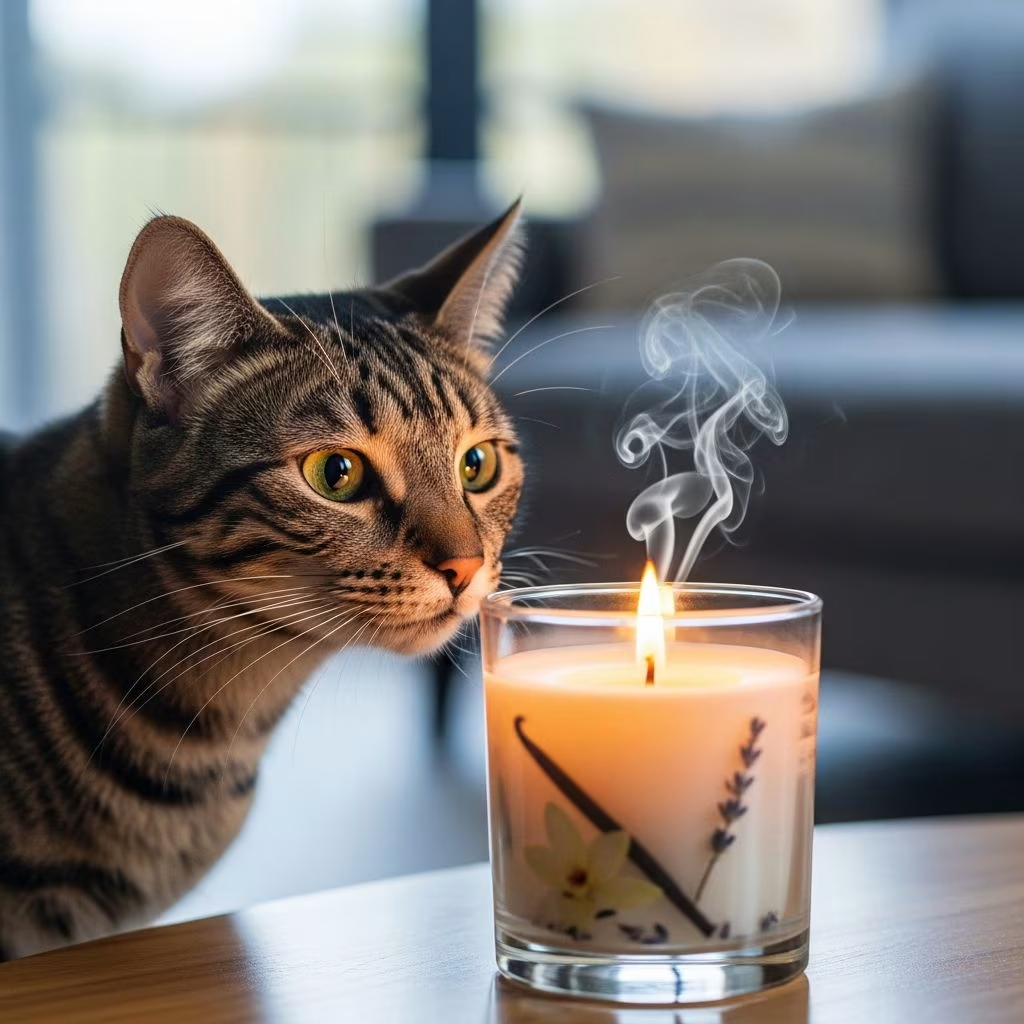
Are Scented Candles Safe for Cats?
Scented candles are a popular home décor item that many people use to create a pleasant atmosphere and freshen the air. However, if you share your home with a cat, it’s important to understand the potential risks these fragrant products pose to your feline friend. Cats have unique sensitivities to fragrances and essential oils that differ significantly from humans, making candle safety an important consideration for responsible cat owners.
Why Cats Are Sensitive to Scented Candles
Cats are particularly vulnerable to the effects of scented candles for several biological reasons. Unlike humans, cats have a more sensitive liver and lack certain enzymes necessary to break down compounds found in essential oils and synthetic fragrances. This metabolic difference means that substances considered safe for humans may pose serious health risks to felines. Additionally, cats have an extremely acute sense of smell—up to 14 times more sensitive than humans—which makes strong fragrances from candles particularly overwhelming and potentially distressing to them.
New scents around the home can be unsettling to cats, particularly if they dislike the smell. Strong odors placed close to your cat’s food bowl or litter box might disrupt their daily activities and lead to stress-related illnesses such as feline idiopathic cystitis. This stress response demonstrates just how significantly candle fragrances can affect your cat’s overall well-being and behavior.
Toxic Ingredients in Common Candles
Many commercial candles contain toxic ingredients that can negatively affect both humans and animals. Understanding these harmful components is essential for protecting your cat:
- Paraffin Wax: A petroleum byproduct that releases harmful toxins when burned, including potentially cancer-causing compounds.
- Synthetic Fragrances and Phthalates: These additives can cause respiratory irritation, allergic reactions, and headaches in cats.
- Lead Wicks: Found in some inexpensive candles, these release dangerous heavy metals into the air that accumulate in your cat’s body over time.
- Certain Essential Oils: While safe for humans, many essential oils can be highly toxic to cats when inhaled or ingested.
Which Scents Are Harmful to Cats?
Cats have distinct fragrance preferences, and many common candle scents are actually unpleasant or harmful to them. Some odors seem surprisingly unappealing to many cats and should be avoided entirely. Common fragrances that cats typically dislike or find harmful include:
- Citrus (including lemon and orange)
- Menthol
- Eucalyptus
- Peppermint
- Lemongrass
- Lavender
- Rosemary
- Thyme
- Tea Tree Oil
- Pine
- Cinnamon
- Wintergreen
- Bitter Almond
To avoid upsetting your cat, it’s best to avoid candles emitting these fragrances altogether. Even though many of these scents may be present in only low concentrations in finished candle products, the cumulative risk simply isn’t worth taking when safer alternatives exist.
The Fire Hazard Risk
Beyond chemical concerns, burning candles around cats presents a significant fire hazard. An open candle flame and a curious cat do not mix well. Cats love to jump up on surfaces and occasionally knock things off them, creating the potential for a knocked-over candle to start a fire. Additionally, cats may get too close to a burning candle flame and burn themselves or their fur, which could cause serious injuries requiring veterinary attention.
The risk increases significantly if you leave a lit candle unattended in a room where your cat has access. Even the most well-behaved cats may be tempted by a flickering flame or the unfamiliar object on a shelf or table.
Respiratory Issues and Asthma Concerns
One of the most serious health concerns related to scented candles and cats is respiratory irritation. Triggers for feline asthma include smokey environments, fumes, aerosols, dust pollens, cleaning products, and some foods. Candle smoke and the fumes released during burning can exacerbate these conditions significantly.
Even cats without a diagnosed asthma condition can experience irritation of the airways and respiratory problems if exposed to candle smoke regularly. The soot produced by many candles—particularly paraffin candles—can accumulate in your cat’s respiratory system, leading to chronic coughing, wheezing, and breathing difficulties. Cats with underlying respiratory disease require extra caution, and candle use should be minimized or eliminated entirely in their presence.
Keeping your cat’s environment well-ventilated and smoke-free is critically important for their long-term health. If you do decide to burn candles, always open windows afterward to remove any residual fumes once the flame is extinguished.
Special Risks from Essential Oil Products
Essential oils present heightened risks for cats compared to regular scented candles, particularly if your cat has direct access to concentrated forms. The risks increase substantially with essential oil diffusers, oil burners, incense burners, and electric fragrance plug-ins. Some cats may attempt to lick or investigate these products out of curiosity, and cats that lick cold oil from burners might experience severe chemical burns to their tongue and mouth.
The EPA also cites incense smoke as a cause of contact dermatitis and even cancer in people, suggesting similar risks may apply to cats. Pure essential oils are far more concentrated than the fragrances used in finished candle products, making direct contact particularly dangerous.
Safe Candle Alternatives for Cat Owners
The good news is that cat owners don’t have to sacrifice pleasant-smelling homes entirely. Several safer alternatives exist:
- Natural Wax Candles: Beeswax, soy wax, or vegetable-based wax candles don’t contain toxic pollutants and are generally safer choices. These natural waxes also typically burn longer and cleaner than paraffin candles.
- Plant-Based Candles: Candles made with 100% plant-based wax and scented with pure, cat-safe essential oils offer a non-toxic alternative.
- Cat-Safe Scents: If you want to use candles, consider scents like cedarwood or frankincense in very limited quantities, though it’s safest to avoid scented candles entirely around cats.
- Odor Control Without Scent: Use unscented or fragrance-free methods to manage household odors, such as improving ventilation, regular cleaning, and litter box maintenance.
How to Safely Burn Candles Around Cats
If you choose to burn candles despite having a cat, follow these safety guidelines to minimize potential harm:
- Supervise Burning: Never leave a lit candle unattended. Always remain present while the candle is burning.
- Use Sturdy Candles: Choose heavy, sturdy candles that are less likely to topple over if your cat brushes against them. Consider placing candles inside trays of water—if knocked over, the flame will extinguish immediately.
- Restrict Access: Use candles only in rooms your cat cannot access. Keep bedroom doors closed or restrict your cat from areas where candles are burning.
- Ensure Ventilation: Open windows and ensure good airflow to prevent fumes from accumulating. Avoid using candles in small, enclosed spaces where your cat spends time.
- Limit Duration: Light candles only for short periods and avoid frequent, prolonged burning. This minimizes your cat’s exposure to both fumes and fragrance particles.
- Monitor Your Cat: Watch for signs of distress, such as sneezing, coughing, excessive grooming, or apparent unease. Discontinue candle use immediately if your cat shows any adverse reactions.
- Choose Wisely: If you must use candles, select natural wax options without synthetic fragrances or essential oils known to be toxic to cats.
Understanding Candle Safety Levels
The level of risk from scented candles depends heavily on several factors. In general, natural wax candles emit such low levels of fumes and fragrances (including essential oils) that they are fairly safe when burnt occasionally and for a short time. However, risks increase significantly with frequent and prolonged exposure, and paraffin candles pose a substantially higher risk than natural alternatives due to their toxic emissions.
The safety calculation changes considerably if your cat has underlying health conditions. A cat with asthma, chronic bronchitis, or other respiratory diseases faces substantially elevated risks from any candle use. In these cases, it’s best to eliminate scented candles entirely from your home.
Frequently Asked Questions
Q: Are all scented candles harmful to cats?
A: Not all scented candles are equally harmful. Natural wax candles with pet-safe scents, burned briefly and infrequently in well-ventilated spaces, pose minimal risk. However, paraffin candles with synthetic fragrances and certain essential oils can be harmful, and the safest approach is to avoid scented candles altogether when cats are present in your home.
Q: Can lavender candles harm my cat?
A: Yes, lavender candles can be harmful to cats. Lavender essential oil can cause irritation or even toxicity if inhaled or ingested by some cats due to their inability to process the compounds in the oil.
Q: Are eucalyptus candles safe for cats?
A: No, eucalyptus candles pose a risk to cats due to their essential oils, which can potentially cause respiratory or digestive issues if cats come into contact with or ingest them.
Q: What type of candle wax is safest for cats?
A: Beeswax, soy wax, and vegetable-based wax candles are the safest options for cat owners. These natural waxes don’t contain toxic pollutants and generally burn cleaner with fewer harmful emissions than paraffin wax.
Q: What should I do if my cat is exposed to candle smoke?
A: If your cat has been exposed to candle smoke, immediately remove them from the area and ensure they have access to fresh air. Open windows to ventilate the space. If your cat shows signs of respiratory distress, persistent coughing, or other concerning symptoms, contact your veterinarian promptly.
Q: Can I use essential oil diffusers around my cat?
A: Essential oil diffusers pose greater risks to cats than scented candles because they disperse concentrated essential oils into the air. The risks are particularly high if your cat can access the concentrated oils directly. It’s safest to avoid diffusers entirely in homes with cats.
Final Recommendations
While scented candles are a popular way to freshen your home, they come with genuine risks for cat owners. The safest approach is to avoid scented candles entirely and explore cat-friendly alternatives for managing household odors and creating a pleasant atmosphere. If you do choose to use candles, select natural wax options without toxic essential oils, burn them only briefly in well-ventilated spaces, never leave them unattended, and keep them in areas your cat cannot access.
Remember that your cat cannot tell you if a scent is bothering them or making them ill until symptoms appear. Taking preventive measures now protects your feline companion’s health and ensures they remain safe and comfortable in your home. When in doubt, choose unscented alternatives or simply improve ventilation and cleaning practices instead.
References
- Are Scented Candles Safe around Your Cat? — Cats.com. https://cats.com/are-candles-safe-for-cats
- Are Scented Candles Safe for Pets? A Guide for Dog & Cat Owners — Wax Apothecary. https://waxapothecary.com/blogs/the-apothecary-journal/are-scented-candles-safe-for-pets-a-guide-for-dog-cat-owners
- Cats and candles | Blog — Cats Protection (Cats.org.uk). https://www.cats.org.uk/cats-blog/are-scented-candles-safe-for-cats
- Are Candles and Essential Oils Harmful to Pets — PetWell Australia. https://petwell.com.au/blogs/posts/are-candles-and-essential-oils-harmful-to-pets
- Fall toxins for your pet to avoid — BC SPCA. https://spca.bc.ca/news/fall-toxins-pets/



