

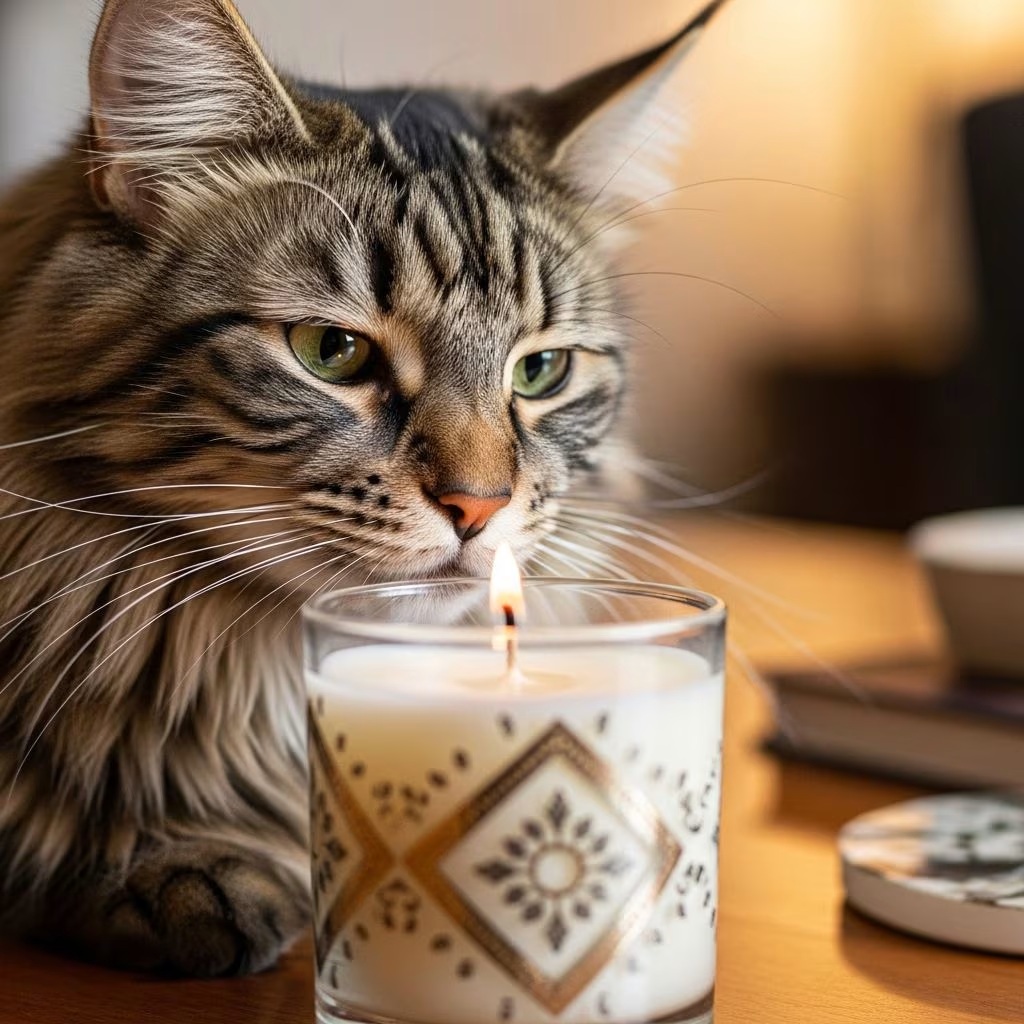
Scented candles can create a cozy atmosphere, but they pose several risks to cats due to their sensitive respiratory systems, inability to metabolize certain compounds, and natural curiosity around flames. While occasional use of natural wax candles may be low-risk, factors like essential oils, smoke, and open flames make caution essential for cat owners.
Why Cats Are Particularly Sensitive to Scented Candles
Cats possess a heightened sense of smell—about 14 times stronger than humans—and lack certain liver enzymes (glucuronyl transferase) needed to break down phenols and other compounds in essential oils and synthetic fragrances. This makes them vulnerable to inhalation, ingestion, or skin contact from candle fumes. New or strong scents can stress cats, potentially disrupting eating, litter box use, or leading to conditions like feline idiopathic cystitis.
Paraffin wax candles, derived from petroleum, release volatile organic compounds (VOCs) like toluene and benzene when burned, which irritate airways and contribute to indoor air pollution. Soy, beeswax, or vegetable-based waxes are cleaner-burning alternatives that produce fewer toxins.
The Dangers of Essential Oils in Candles
Many scented candles incorporate essential oils, some of which are toxic to cats. Cats grooming themselves after exposure can ingest these oils, leading to symptoms like drooling, vomiting, tremors, or liver failure. High-risk oils include tea tree, eucalyptus, peppermint, citrus, lavender, and cinnamon, as cats cannot efficiently process their phenolic components.
- Tea Tree Oil: Causes ataxia, hypothermia, and coma even in diluted forms.
- Eucalyptus and Peppermint: Respiratory irritation and gastrointestinal upset.
- Citrus (Lemon, Orange): Dermatitis and liver toxicity.
- Lavender: Potential for skin burns and neurological effects if concentrated.
Even diffused or vaporized oils from candles amplify risks compared to direct contact. The ASPCA and veterinary toxicologists recommend avoiding these entirely around cats.
Fire Hazards: Cats and Open Flames
Curious cats may knock over candles, jump near flames, or chase reflections, leading to burns or house fires. Never leave lit candles unattended; opt for sturdy bases or battery-operated flameless versions. Placing candles in water-filled trays extinguishes tips if knocked over.
Statistics from the National Fire Protection Association indicate pet-related fires cause thousands of incidents annually, underscoring the need for vigilance.
Respiratory Risks from Candle Smoke and Soot
Candle smoke, especially from paraffin, contains particulate matter that triggers feline asthma, bronchitis, or allergic reactions. Symptoms include coughing, wheezing, sneezing, and eye irritation. Cats with pre-existing conditions face heightened dangers; even healthy cats may develop issues from prolonged exposure.
Ventilate rooms thoroughly post-burning, avoid enclosed spaces, and limit burn time to 1-2 hours. Soot buildup on walls and furniture exacerbates indoor allergens.
Safe Candle Alternatives for Cat Owners
To enjoy ambiance without risks, consider these cat-friendly options:
- Flameless LED Candles: Realistic flicker without fire or fumes.
- Plant-Based Wax Candles: Soy or beeswax with pet-safe scents like cedar or frankincense (used sparingly).
- Essential Oil-Free Air Fresheners: Baking soda, vinegar, or simmer pots with cat-safe herbs like rosemary in well-ventilated areas.
- Potpourri: Dried, unscented flowers placed out of reach.
- Electric Diffusers: Use only with verified cat-safe, diluted oils and in cat-free rooms.
Prioritize unscented or mildly herbal candles from reputable brands disclosing full ingredients.
How to Burn Candles Safely Around Cats
If using candles occasionally:
- Supervise Always: Never leave lit; extinguish before leaving the room.
- Elevate and Secure: Place on high, stable surfaces away from edges.
- Ventilate: Open windows for airflow; use exhaust fans.
- Choose Wisely: Natural waxes, cotton wicks, no toxic oils.
- Monitor Reactions: Watch for sneezing, hiding, or lethargy—stop immediately if noticed.
- Short Sessions: Burn under 30 minutes; air out thoroughly.
Keep cats in separate rooms during use for maximum safety.
What Scents Do Cats Hate or Tolerate?
| Scent Category | Cat Reaction | Safety Level |
|---|---|---|
| Citrus, Eucalyptus, Peppermint | Strong aversion; potential toxicity | Unsafe |
| Lavender, Tea Tree | Irritation or toxicity risk | Avoid |
| Cedar, Frankincense (mild) | Generally tolerated | Low risk if natural |
| Unscented/Natural Wax | Neutral | Safest |
Cats often dislike menthol, lemongrass, and rosemary, which may deter them naturally but still warrant caution.
Cats and Candles: The Final Word
Scented candles aren’t outright banned for cat households, but risks from toxins, smoke, and flames often outweigh benefits. Natural, sparingly used options in controlled settings minimize harm, but alternatives provide peace of mind. Prioritize your cat’s health—when in doubt, extinguish.
Frequently Asked Questions (FAQs)
Are scented candles harmful to cats?
Scented candles can harm cats via irritating fumes, toxic essential oils, and soot that trigger respiratory issues or stress. Paraffin types are worst; natural waxes are safer but still require caution.
What candles should not be burned around cats?
Avoid paraffin wax, lead-core wicks, and those with tea tree, eucalyptus, citrus, peppermint, lavender, or cinnamon oils. These release toxins cats can’t process.
Are lavender candles safe for cats?
No, lavender essential oils can cause toxicity, skin irritation, or respiratory distress in cats if inhaled or ingested.
Are eucalyptus candles safe for cats?
Eucalyptus is unsafe; its phenols irritate lungs and cause digestive issues upon exposure.
Can candles cause asthma in cats?
Yes, smoke and particulates from candles exacerbate or trigger feline asthma; keep environments smoke-free.
What are safe scents for candles around cats?
Opt for unscented or mild cedar/frankincense in soy/beeswax; test reactions and ventilate.
References
- Are Scented Candles Safe around Your Cat? — Cats.com. 2023. https://cats.com/are-candles-safe-for-cats
- Are Scented Candles Safe for Pets? A Guide for Dog & Cat Owners — Wax Apothecary. 2023. https://waxapothecary.com/blogs/the-apothecary-journal/are-scented-candles-safe-for-pets-a-guide-for-dog-cat-owners
- Cats and Candles — Cats Protection (cats.org.uk). 2023. https://www.cats.org.uk/cats-blog/are-scented-candles-safe-for-cats
- Fall Toxins for Your Pet to Avoid — BC SPCA. 2023. https://spca.bc.ca/news/fall-toxins-pets/
- Are Candles and Essential Oils Harmful to Pets — PetWell Australia. 2023. https://petwell.com.au/blogs/posts/are-candles-and-essential-oils-harmful-to-pets



