

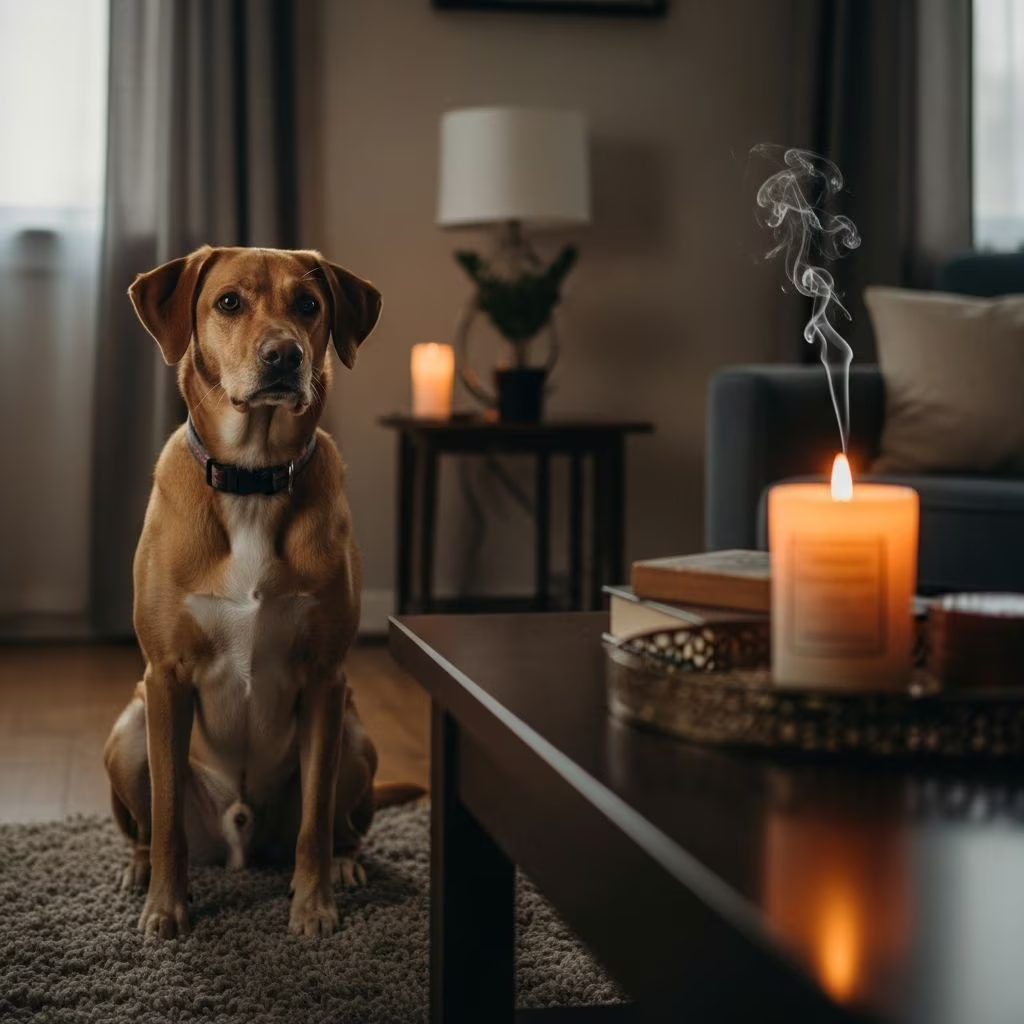
Scented candles create a cozy atmosphere in homes, but they can pose serious health risks to dogs due to their sensitive respiratory systems and powerful sense of smell. Dogs possess a sense of smell up to 100,000 times stronger than humans, making even mild fragrances overwhelming and potentially toxic. Common ingredients like paraffin wax, synthetic fragrances, phthalates, and essential oils release volatile organic compounds (VOCs) such as benzene and toluene when burned, which irritate lungs, trigger allergies, or cause poisoning.
This comprehensive guide covers why scented candles can harm dogs, key warning signs, dangerous ingredients to avoid, safer alternatives, and expert tips to maintain a pet-friendly environment without sacrificing ambiance. Understanding these risks helps pet owners make informed choices to protect their furry companions.
Why Are Scented Candles Harmful to Dogs?
Dogs’ heightened olfactory senses mean candle scents that seem pleasant to humans can be noxious to them. Burning scented candles releases airborne particles and chemicals that dogs inhale deeply, leading to respiratory irritation, allergic reactions, or systemic toxicity. Paraffin-based candles, the most common type, produce soot and toxins linked to breathing problems and long-term health issues like cancer risk from bioaccumulation.
Essential oils used for scenting—such as tea tree, eucalyptus, cinnamon, citrus, pine, and peppermint—are particularly dangerous. These concentrated plant extracts can cause tremors, drooling, low blood pressure, gastrointestinal ulcers, liver or kidney failure, and even paralysis when inhaled or ingested. Phthalates in synthetic fragrances disrupt hormones and worsen respiratory conditions, especially in dogs with asthma or small breeds with less lung capacity.
Physical risks compound the chemical ones: curious dogs may knock over lit candles, causing burns or fires, or chew wax, leading to digestive blockages or toxicity. Indoor air pollution from candles ranks high on lists of household hazards, affecting dogs more severely due to their proximity to the floor where heavier particles settle.
Signs Your Dog Is Affected by Scented Candles
Monitor your dog closely after lighting candles. Early detection prevents escalation to veterinary emergencies. Symptoms vary by exposure level and individual sensitivity but often appear within minutes to hours.
Respiratory Distress
VOCs and smoke irritate airways, mimicking asthma attacks. Watch for:
- Frequent coughing, sneezing, or wheezing
- Labored breathing or excessive panting
- Watery, irritated eyes or runny nose
- Nasal discharge or throat irritation
If symptoms persist after extinguishing the candle and ventilating, seek vet care immediately.
Allergic Reactions
Sensitivities to fragrances cause skin and mucosal inflammation:
- Excessive itching, scratching, or face-rubbing
- Red, irritated skin, hives, or rashes
- Swelling on face, paws, or ears
- Sneezing, watery eyes, or coughing from irritation
Allergies can worsen over repeated exposures, leading to chronic issues.
Lethargy and Behavioral Changes
Neurological effects from toxins include:
- Unusual tiredness or lack of interest in play/walks
- Disorientation, confusion, or hiding
- Depression or uncoordinated movements
These signal central nervous system impact; act quickly.
Digestive Issues from Ingestion
If your dog licks or eats candle wax:
- Vomiting, diarrhea, or loss of appetite
- Excessive drooling or stomach pain
- Bloating or gastrointestinal ulcers
Wax may pass harmlessly if soy/beeswax, but paraffin or scented varieties cause severe toxicity. Contact a vet or poison hotline.
Severe Toxicity Symptoms
Essential oil poisoning manifests as:
- Tremors, low heart rate, or body temperature
- Hind leg paralysis or liver/kidney failure
| Symptom Category | Common Causes | Action Needed |
|---|---|---|
| Respiratory | VOCs, smoke | Extinguish, ventilate, monitor |
| Allergic | Fragrances, oils | Remove exposure, antihistamines if vet-approved |
| Ingestion | Wax, oils | Call vet/poison control immediately |
| Neurological | Toxins buildup | Emergency vet visit |
Dangerous Candle Ingredients for Dogs
Not all candles are equal. Avoid these high-risk components:
| Ingredient | Risk Level | Why Harmful |
|---|---|---|
| Paraffin Wax | High | Emits benzene, toluene; respiratory toxin |
| Essential Oils (tea tree, eucalyptus, etc.) | High | Toxic if inhaled/ingested; organ failure |
| Phthalates | High | Hormone disruptor; cancer risk |
| Lead Wicks | Medium-High | Heavy metal poisoning |
Soy, beeswax, or coconut wax with natural, pet-safe scents (e.g., chamomile, vanilla) are lower risk but still require caution.
Safe Alternatives to Scented Candles for Dog Owners
Enjoy ambiance without risks:
- Unscented Candles: Soy/beeswax/vegetable wax; no fragrances
- Flameless Options: Battery-operated LEDs; no fire/ingestion risk, but secure batteries
- Pet-Safe Diffusers: Use only vet-approved oils like lavender (diluted); avoid direct pet exposure
- Natural Fresheners: Simmer pots with pet-friendly herbs, baking soda, or ventilation
- Positioning Tips: High shelves, out of reach; never unattended
Improve airflow with fans/windows to dilute any particles.
What to Do If Your Dog Shows Symptoms
1. Extinguish candle immediately.
2. Ventilate space and move dog to fresh air.
3. Rinse eyes/skin if irritated.
4. For ingestion/severity: Call vet or ASPCA Poison Control (888-426-4435).
5. Note candle type/ingredients for vet.
Prevent future incidents with pet-safe habits.
Frequently Asked Questions (FAQs)
Are all candles bad for dogs?
No, unscented soy/beeswax candles are safer, but avoid if your dog has respiratory issues. All pose fire/knockover risks.
Can candles cause itching in dogs?
Yes, allergic reactions to scents cause itching, rashes, sneezing.
Are essential oil candles safe?
No, many oils are toxic; check labels and avoid common offenders.
What if my dog eats a candle?
Seek emergency care; wax may cause blockages, scents toxicity.
Are beeswax candles okay for dogs?
Generally yes, non-toxic and cleaner-burning, but unscented preferred.
References
- Are Scented Candles Making Your Dog Sick? 5 Warning Signs — WooWoo Crystal Co. 2023. https://woowoocrystalco.com/blogs/guides/are-scented-candles-bad-for-dogs
- Are Scented Candles Bad for Dogs? How to Keep Your Pup Safe — GoodRx. 2024-10-15. https://www.goodrx.com/pet-health/dog/are-candles-bad-for-dogs
- Are Candles Bad For Dogs? — Rover.com. 2023. https://www.rover.com/blog/are-candles-bad-for-dogs/
- Are Candles Bad for Dogs? — Whole Dog Journal. 2024. https://www.whole-dog-journal.com/health/are-candles-bad-for-dogs/
- Fall Toxins for Your Pet to Avoid — BC SPCA. 2023-09-01. https://spca.bc.ca/news/fall-toxins-pets/
- Are Scented Candles Safe Around Your Dog? — Harlem Candle Co. 2024. https://www.harlemcandleco.com/blogs/journal/is-it-safe-to-burn-scented-candles-if-you-have-a-dog



