

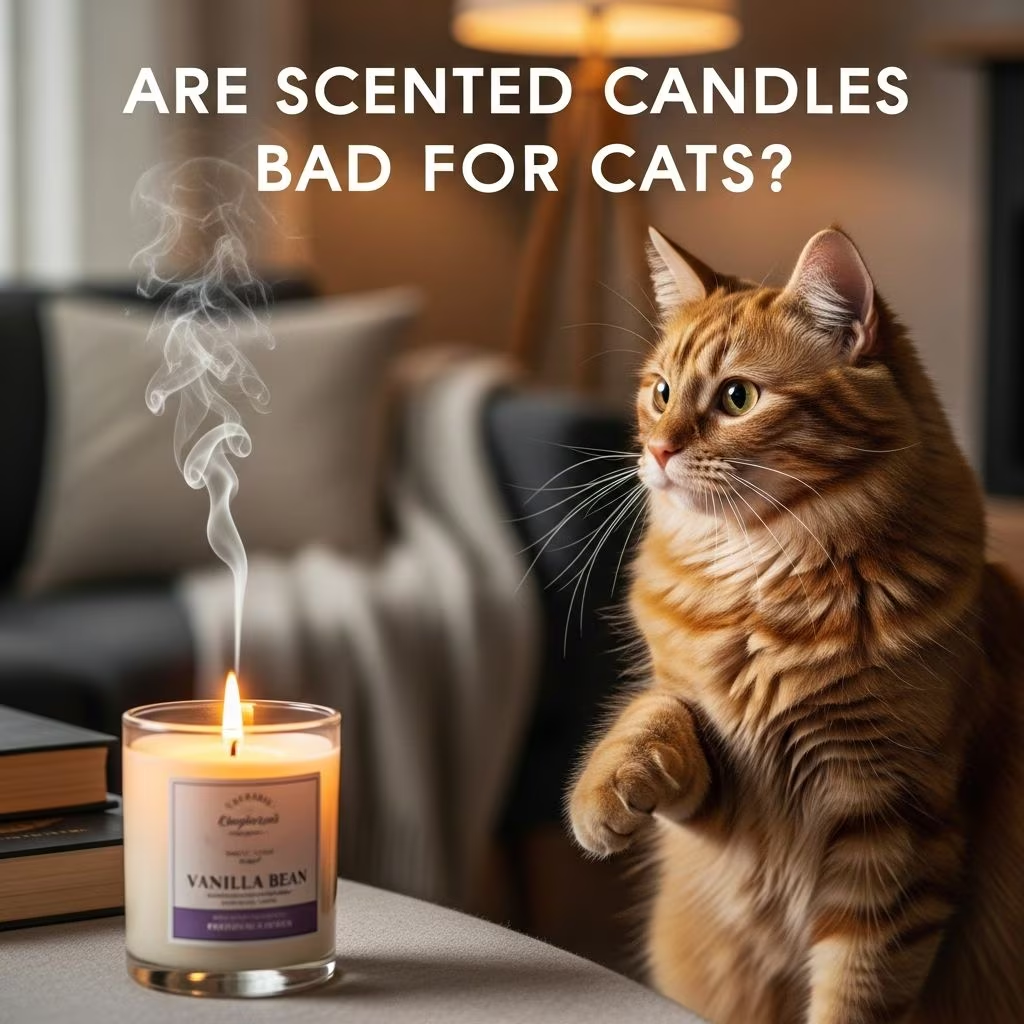
Scented candles add ambiance and fragrance to homes, but they can pose significant risks to cats due to their sensitive respiratory systems and inability to metabolize certain compounds in essential oils. Cats lack key liver enzymes like glucuronyl transferase, making them vulnerable to toxicity from inhaled or ingested fragrances, leading to symptoms ranging from irritation to severe health issues.
Why Are Cats So Sensitive to Scents?
Cats possess an acute sense of smell—about 14 times stronger than humans—which makes them highly reactive to airborne particles from candles. Strong fragrances can overwhelm their olfactory system, causing stress, avoidance behaviors, or aversion to areas like food bowls and litter boxes near scented areas. This sensitivity stems from their evolutionary role as hunters, where detecting subtle scents is crucial.
Moreover, paraffin wax candles, common in scented varieties, release volatile organic compounds (VOCs) and soot when burned, contributing to indoor air pollution. Natural wax alternatives like soy or beeswax emit fewer toxins but still carry fragrance-related risks.
Toxic Essential Oils in Scented Candles
Many scented candles incorporate essential oils, which are concentrated plant extracts that can be toxic to cats. Phenols and terpenes in these oils are not properly metabolized by felines, potentially causing liver damage, gastrointestinal upset, or neurological symptoms upon exposure.
- Citrus oils (lemon, orange): Irritate skin, cause vomiting, and gastrointestinal distress.
- Peppermint and menthol: Trigger respiratory issues and central nervous system depression.
- Eucalyptus and tea tree: Lead to ataxia, drooling, and severe toxicity if licked.
- Lavender: Causes irritation, vomiting, and in high doses, toxicity despite its calming reputation for humans.
- Cinnamon, clove, wintergreen: Provoke digestive upset, mouth ulcers, and organ damage.
Even diluted in candles, these oils volatilize into the air, posing inhalation risks. Direct contact, such as licking residue, amplifies danger, potentially causing chemical burns or burns to the tongue.
Safer Scents for Cats
Not all fragrances are harmful; some are generally tolerated or safe in moderation. Opt for candles labeled pet-safe, using natural, non-toxic ingredients without essential oils.
- Vanilla: Mild and non-irritating, rarely causes issues.
- Apple: Generally safe, though verify no added toxins.
- Rose: Low risk if pure, but avoid chemical blends.
Avoid synthetic fragrances, which can cause similar irritation. Always check labels for ‘cat-safe’ or unscented options.
Respiratory Risks from Candle Smoke and Fumes
Candle combustion produces particulate matter, benzene, toluene, and formaldehyde—known irritants and carcinogens. For cats with feline asthma (affecting up to 5% of cats), these trigger wheezing, coughing, and dyspnea. Even healthy cats may experience airway inflammation from prolonged exposure.
Soot from paraffin candles settles on fur, leading to grooming ingestion and potential digestive issues. Incense or plug-in diffusers exacerbate risks, with the EPA noting links to dermatitis and cancer in humans, implying similar pet concerns.
| Risk Factor | Impact on Cats | Prevalence |
|---|---|---|
| Smoke/Soot | Airway irritation, asthma flares | High in paraffin candles |
| VOCs | Respiratory distress, stress | Common in scented |
| Essential Oils | Toxicity, vomiting | Variable by scent |
Symptoms of Exposure to Watch For
Monitor your cat closely after burning candles. Early detection prevents escalation.
- Mild: Sneezing, watery eyes, pawing at nose, hiding.
- Moderate: Coughing, wheezing, drooling, reduced appetite.
- Severe: Vomiting, diarrhea, tremors, seizures, difficulty breathing—seek vet immediately.
Cats with pre-existing conditions like asthma or kidney disease face heightened risks. Confined spaces without ventilation worsen outcomes.
How to Use Candles Safely Around Cats
Minimize risks with these practical steps:
- Choose soy or beeswax over paraffin.
- Select unscented or pet-safe scents; avoid toxic oils listed above.
- Burn in well-ventilated rooms, away from cat zones.
- Never leave flames unattended—cats may knock them over.
- Extinguish fully and air out rooms post-use.
- Use alternatives: LED candles, electric warmers with safe waxes, or natural diffusers.
For multi-cat homes or asthmatics, ban scented candles entirely.
Alternatives to Scented Candles for Cat Owners
Maintain a fresh home without endangering your pet:
- Unscented beeswax candles: Naturally purify air via negative ions.
- Essential oil-free reed diffusers: With cat-safe carriers like water.
- Potpourri of dried herbs: Mild scents like chamomile (in small amounts).
- HEPA air purifiers: Remove odors and allergens effectively.
- Baking soda/vinegar: Natural deodorizers for litter and fabrics.
These options preserve ambiance while prioritizing feline well-being.
Frequently Asked Questions
Are scented candles harmful to cats?
Scented candles can harm cats via toxic essential oils, soot, and fumes, causing respiratory issues or poisoning. Limit use and choose safe types.
What candles should not be burned around cats?
Avoid paraffin candles and those with citrus, peppermint, eucalyptus, lavender, tea tree, cinnamon, or wintergreen oils, as they release toxins cats can’t process.
Are lavender candles safe for cats?
No, lavender essential oils can irritate or intoxicate cats if inhaled or ingested, despite human benefits.
Are eucalyptus candles safe for cats?
Eucalyptus is toxic, risking vomiting, diarrhea, and respiratory problems in cats.
Can candles trigger cat asthma?
Yes, smoke and fragrances are common asthma triggers, worsening coughing and breathing in affected cats.
What if my cat inhales candle fumes?
Watch for irritation; ventilate and monitor. Severe symptoms require veterinary care.
References
- Are Scented Candles Safe around Your Cat? — Cats.com. 2023-10-15. https://cats.com/are-candles-safe-for-cats
- Which Scents are Safe for Cats & Why? — Lolahemp. 2024-05-20. https://lolahemp.com/blogs/cat-health/which-scents-are-safe-for-cats
- Cats and Candles — Cats Protection (cats.org.uk). 2023-11-01. https://www.cats.org.uk/cats-blog/are-scented-candles-safe-for-cats
- Are Candles and Essential Oils Harmful to Pets — PetWell Australia. 2024-02-14. https://petwell.com.au/blogs/posts/are-candles-and-essential-oils-harmful-to-pets
- Fall Toxins for Your Pet to Avoid — BC SPCA. 2023-09-28. https://spca.bc.ca/news/fall-toxins-pets/
- Are Candles Toxic for Your Pet? — Tomlinson’s Feed. 2024-01-10. https://tomlinsons.com/blogs/articles/are-candles-toxic-for-your-pet



