

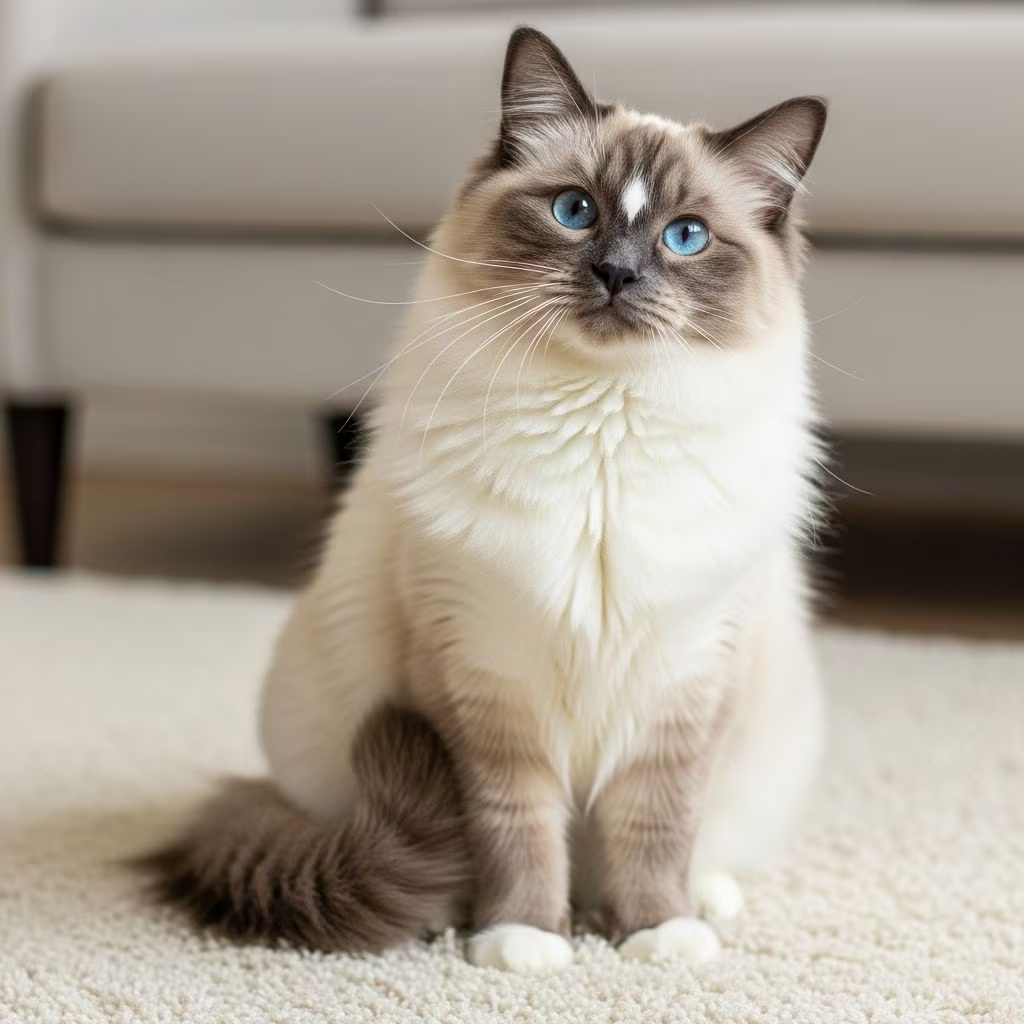
Are Ragdoll Cats High Maintenance? Vet-Verified Facts & Info
Ragdoll cats are beautiful and make great pets, but they also have a reputation for being high maintenance. However, while this is true in some areas, they’re easier to care for in others. When you’re considering bringing a Ragdoll into your home, it’s important to understand exactly what care demands they have so you can prepare accordingly.
While a Ragdoll isn’t high maintenance in every way, they certainly have their areas where it takes a bit more work to care for them. Ragdolls are known for their striking blue eyes, color-point coats, and gentle temperament, but their long, silky fur and people-oriented nature do require dedicated attention and commitment from their owners.
The 4 Areas Where Ragdoll Cats Are Challenging to Care For
Understanding the specific areas where Ragdoll cats require extra care will help you decide if this breed is right for your lifestyle. Here are the four main challenges:
1. Brushing and Coat Maintenance
Ragdolls have thick, beautiful coats that are their signature feature. But while these look stunning, they also require significant maintenance. To keep your cat’s coat from matting, you need to brush it out at least once a day. The good news is that it doesn’t take long to brush if you keep up with daily sessions, but if you neglect this routine, the situation can quickly spiral out of control.
Brushing frequency recommendations:
- Daily brushing is ideal to prevent mats and tangles
- At minimum, brush three to five times per week
- Increase frequency during spring and summer shedding seasons
- Pay special attention to areas with longer fur, such as the belly and legs
Unlike breeds such as Persians or Maine Coons, Ragdolls don’t have a dense undercoat, which actually makes their grooming requirements somewhat less intensive than other long-haired breeds. However, they still shed noticeably throughout the year, with heavier shedding occurring seasonally.
Best brushing practices include:
- Using a slicker brush or a tool with softer bristles
- Avoiding stainless steel combs that might scratch your cat’s skin
- Using upward strokes to prevent tangling
- Removing loose hairs with a soft rubber brush after brushing
- Making grooming sessions enjoyable so your Ragdoll looks forward to them
2. Bathing
Unlike some other aspects of Ragdoll care, bathing is relatively straightforward. Like most cats, the Ragdoll is an extremely clean animal, so you really don’t need to bathe them all that often. Some owners choose to bathe them once every 4 to 6 weeks, but often, you don’t even need to do it this frequently. The frequency depends on your cat’s temperament, what they get into, and whether you or any family members have pet allergies.
When you do bathe your Ragdoll, follow these guidelines:
- Remove any loose hair or dirt with a brush before the bath
- Use lukewarm water in a sink or plastic container
- Never use your own shampoo or conditioner on your cat
- Purchase products specifically designed for Ragdolls or long-haired breeds
- Use gentle, moisturizing cat shampoo to protect their coat
3. Separation Anxiety and Companionship Needs
One of the most significant high-maintenance aspects of Ragdoll cats relates to their personality and emotional needs rather than physical care. Ragdolls are renowned for being people-oriented and affectionate cats. They tend to form strong bonds with their owners and genuinely enjoy being around them. This sociable nature comes with a challenge: many Ragdolls are prone to separation anxiety when left alone for extended periods.
Ragdolls typically need plenty of attention from their favorite person. The companionship of other cats may not fully compensate for the absence of their primary caregiver. If you work long hours or travel frequently, your Ragdoll may struggle with loneliness and anxiety. This means you need to:
- Spend quality time playing and interacting with your Ragdoll daily
- Provide interactive toys and mental enrichment
- Consider whether your lifestyle allows for the companionship these cats require
- Explore options like hiring a pet sitter if you’re away for long periods
- Consider adopting multiple Ragdolls for companionship
4. Health Monitoring and Veterinary Care
Ragdoll cats are predisposed to certain health conditions that require vigilant monitoring and regular veterinary care. Just like any cat breed, Ragdolls benefit from consistent preventative care, including yearly or bi-yearly pet wellness exams, appropriate vaccinations, heartworm preventives, and dietary optimization.
Pet wellness exams with veterinarians allow you to get personalized Ragdoll cat care that addresses both breed predispositions and individual health needs. These exams also enable early intervention for Ragdoll health issues, which in most cases can improve the prognosis significantly.
Ragdoll Health Issues to Be Aware Of
While Ragdoll cats are not considered a particularly high-maintenance breed in terms of general care, there are several health issues that pet parents need to be aware of:
- Polycystic Kidney Disease (PKD): A common genetic condition in Ragdolls that affects kidney function. Proper hydration and urinary support through diet can help slow progression.
- Hypertrophic Cardiomyopathy (HCM): A heart condition that requires regular cardiac screening.
- Allergies: Ragdolls can suffer from allergies that cause increased shedding and skin issues. Optimizing their diet helps improve coat health from within.
- Obesity: These cats can gain weight easily if not provided with adequate exercise and proper nutrition.
- Urinary Health Issues: Certain foods are formulated to provide hydration and support urinary health, helping prevent dehydration, which can worsen PKD.
Essential Care Requirements for Ragdoll Cats
Nutrition and Diet
Providing proper nutrition is fundamental to Ragdoll cat health. These cats need a high-quality diet that supports their large frame and specific health needs.
Key nutritional considerations:
- High-quality protein: Boosts your Ragdoll’s muscular health, supporting their large frame and organ functions
- Hydration and urinary support: Choose foods formulated to provide hydration and support urinary health
- Life stage nutrition: Kittens need protein and essential fatty acids for brain development and bone growth; adults need premium food tailored for indoor or long-haired breeds
- Water intake: Encourage drinking with a cat water fountain, as Ragdolls often enjoy running water
Dental Care
Dental health is often overlooked but crucial for Ragdoll cats. Regular dental maintenance helps prevent serious health issues:
- Brush your Ragdoll’s teeth a few times a week at minimum
- Provide dental treats or water additives for cats, especially helpful for cats resistant to brushing
- Schedule regular dental exams and anesthetized complete oral health evaluations with your veterinarian
- Ensure your vet performs dental radiographs and professional cleaning as needed
Exercise and Play
Despite their somewhat calm demeanor, Ragdolls require regular mental and physical stimulation. Engage their minds and bodies with interactive cat toys and gentle games. Ragdolls are intelligent and enjoy gentle games of chase or puzzle toys. Provide gentle games with feather wands or tunnels to keep them active while avoiding strain on their joints, particularly as they age.
Grooming Beyond Brushing
While daily brushing is essential, complete grooming care involves additional steps:
- Invest in good-quality claw clippers and maintain regular nail trimming
- Use appropriate brushes and shampoos designed specifically for Ragdoll coats
- Perform regular ear checks and cleanings as needed
- Watch for signs of skin problems, fleas, or lesions during grooming sessions
- Consider professional grooming services if you struggle to keep up with maintenance
Ragdoll Cats Through Different Life Stages
Kittens
Young Ragdolls require specific care to support their development:
- Provide high-quality kitten food rich in protein and essential fatty acids
- Start brushing early so your Ragdoll becomes accustomed to regular grooming sessions
- Engage their minds and bodies with interactive toys appropriate for kittens
- Begin litter training, though Ragdoll kittens tend to be quite clean and pick up toilet habits quickly
Adults
Adult Ragdolls thrive with consistent routines:
- Provide premium adult cat food tailored for indoor or long-haired breeds
- Maintain daily brushing and regular bathing schedules
- Encourage drinking with a cat water fountain to support hydration
- Stay on top of regular flea and worm protection
- Continue regular veterinary check-ups
Senior Years
Older Ragdolls require additional support and monitoring:
- Add supplements for skin and joint health to maintain mobility and coat quality
- Provide soft, low-sided cat beds where they can lounge comfortably
- Maintain gentle grooming to help with coat maintenance since senior cats may struggle to clean themselves
- Schedule biannual veterinary checkups to catch changes early and ensure overall health
Cost Considerations for Ragdoll Ownership
Beyond the initial purchase price, owning a Ragdoll involves ongoing expenses related to their maintenance requirements. Budget for quality grooming supplies, professional grooming services if needed, premium food, regular veterinary visits, and potential health treatments. The investment in preventative care and quality products can help you avoid more expensive health issues down the road.
Is a Ragdoll Cat Right for You?
Whether a Ragdoll is the right choice depends on your lifestyle and commitment level. If you have the time and energy to:
- Brush your cat’s coat daily
- Provide substantial daily companionship and attention
- Maintain a consistent grooming routine
- Invest in quality nutrition and veterinary care
- Engage in regular play and enrichment activities
Then a Ragdoll can be a wonderful, rewarding companion. However, if your lifestyle is unpredictable or you have limited time for daily care, you might want to consider a lower-maintenance breed.
Frequently Asked Questions (FAQs)
Q: How often should I brush my Ragdoll cat?
A: You should brush your Ragdoll at least once daily to prevent mats and tangles. While daily brushing is ideal, at minimum brush three to five times per week. Increase frequency during spring and summer when shedding is heavier.
Q: Do Ragdoll cats shed a lot?
A: Ragdolls shed moderately year-round, with heavier shedding during spring and summer. They don’t have a dense undercoat like some breeds, which means they shed less than some long-haired cats but more than shorthaired breeds.
Q: How often should I bathe my Ragdoll?
A: You don’t need to bathe Ragdolls frequently since they’re naturally clean animals. Many owners bathe them once every 4 to 6 weeks or as needed, depending on the cat’s activities and temperament.
Q: Are Ragdoll cats prone to separation anxiety?
A: Yes, many Ragdolls are prone to separation anxiety due to their people-oriented nature. They typically need plenty of attention from their favorite person and may struggle when left alone for extended periods.
Q: What health issues are common in Ragdoll cats?
A: Common health issues include Polycystic Kidney Disease (PKD), Hypertrophic Cardiomyopathy (HCM), allergies, obesity, and urinary health issues. Regular veterinary exams help catch these conditions early.
Q: How much does it cost to own a Ragdoll cat?
A: Beyond the initial purchase price, budget for quality grooming supplies, professional grooming services, premium food, regular veterinary visits, and potential health treatments. Preventative care and quality products help avoid expensive health issues.
Q: Do Ragdoll cats need professional grooming?
A: While not always necessary, professional grooming can be helpful if you struggle to keep up with the daily brushing requirements. Professional groomers have tools and expertise to maintain your Ragdoll’s coat effectively.
Q: Can Ragdoll cats live with other pets?
A: Yes, Ragdolls generally get along well with other cats and pets. However, their need for human companionship means they may not be fully satisfied by only having animal companions while their owner is away.
References
- Ragdoll Cat Care Guide: Tips for Every Life Stage — Petdirect. https://petdirect.co.nz/blog/ragdoll-cat-care-life-stages
- Ragdoll Cat: Health Issues & 5+ Care Tips — Sploot Veterinary Care. https://www.splootvets.com/post/ragdoll-cat-health-issues-care-tips
- All about Ragdoll cats — Burgess Pet Care. https://www.burgesspetcare.com/blog/cat/all-about-ragdoll-cats/
- A complete guide to caring for a Ragdoll cat — Untamed Cat Food. https://untamed.com/blogs/cat-breeds/caring-for-a-ragdoll-cat
- The Vet’s Ragdoll Cat Guide: Facts, Care, and Training Tips — Vets Love Pets. https://vetslovepets.com.au/blogs/cat/ragdoll-breed-guide



