

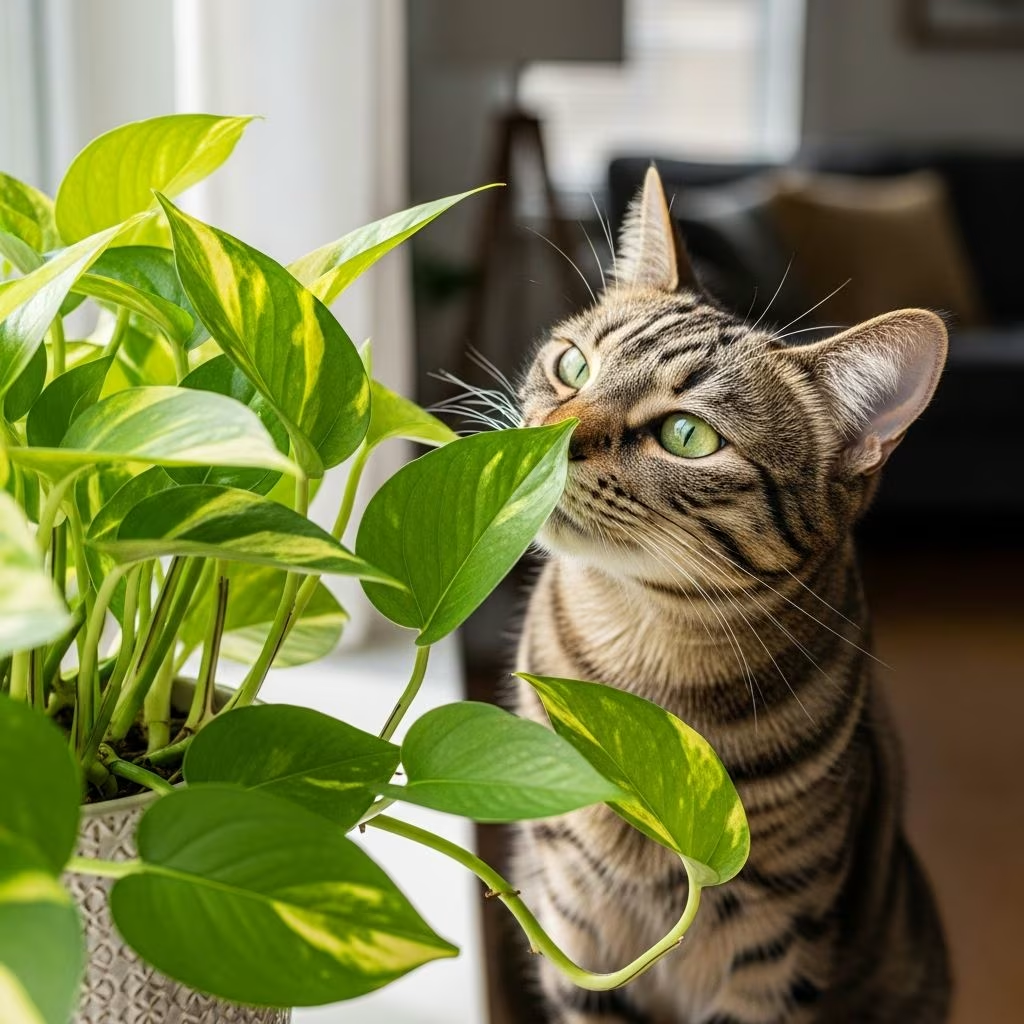
Pothos plants, popular for their trailing vines and air-purifying qualities, pose a significant risk to cats. These houseplants contain insoluble calcium oxalate crystals that are toxic to felines, leading to painful oral irritation, excessive drooling, vomiting, and difficulty swallowing upon ingestion. While rarely fatal, pothos poisoning causes considerable discomfort and requires immediate veterinary attention to prevent complications like kidney issues in vulnerable cats.
What Are Pothos Plants?
Pothos, scientifically known as Epipremnum aureum, belong to the Araceae family and are commonly called Devil’s Ivy, Golden Pothos, or Taro Vine. These resilient indoor plants feature heart-shaped leaves in various shades, from golden variegated to neon green, making them favorites for home decor. Their low-maintenance nature and ability to thrive in low light contribute to their popularity, but cat owners must prioritize safety due to the plant’s toxicity.
All parts of the pothos plant—leaves, stems, and roots—contain needle-like raphides of calcium oxalate crystals. When chewed, these crystals penetrate soft tissues in the mouth and throat, releasing the toxin and causing intense burning. Cats, being curious nibblers, often target trailing plants like pothos to supplement their diet or soothe their stomachs, increasing exposure risk.
Why Are Pothos Toxic to Cats?
The toxicity stems from insoluble calcium oxalate crystals, which are sharp and needle-shaped. Unlike soluble oxalates, these do not dissolve in the body and instead embed into mucous membranes, triggering inflammation and pain. This reaction is immediate and localized primarily to the oral cavity, esophagus, and stomach.
Veterinary sources confirm that even small amounts can provoke a strong response because the crystals mechanically irritate tissues rather than being absorbed systemically in most cases. However, in rare severe ingestions, especially in kittens, seniors, or cats with pre-existing conditions, crystals may contribute to kidney stone formation or renal failure. The ASPCA lists pothos as toxic to cats, emphasizing its potential for serious discomfort.
Symptoms of Pothos Poisoning in Cats
If your cat ingests pothos, symptoms appear rapidly, often within minutes. Key signs include:
- Oral irritation: Intense burning in the mouth, tongue, and lips, leading to pawing at the mouth.
- Excessive drooling: Profuse salivation as the cat tries to alleviate pain.
- Vomiting: Due to throat and stomach irritation.
- Difficulty swallowing: Swollen tongue and throat make eating or drinking painful.
- Loss of appetite and lethargy: Cats may hide, refuse food, or show depression.
- Rare severe symptoms: In extreme cases, breathing difficulties, irregular heartbeat, or kidney issues if untreated.
These symptoms mirror those from related Araceae plants like philodendrons, confirming the shared toxic mechanism. Prompt recognition is crucial, as delays can exacerbate pain or lead to dehydration from vomiting.
What to Do If Your Cat Eats Pothos
Act immediately if you suspect pothos ingestion. Do not induce vomiting, as this can worsen oral damage from the crystals. Instead:
- Contact a veterinarian or pet poison hotline: Provide details on the amount ingested and time elapsed.
- Rinse the mouth: Gently flush with cool water or milk to soothe irritation, if your cat allows.
- Monitor closely: Watch for worsening symptoms like labored breathing and seek emergency care.
- Veterinary treatment: May include pain relief, anti-inflammatories, fluids, or sucralfate to coat the GI tract.
Most cats recover fully with supportive care, as pothos poisoning is rarely lethal. Early intervention prevents complications, ensuring your pet returns to normal within hours to days.
All Pothos Varieties Are Toxic
Every pothos type shares the same toxic crystals, making none safe for cats. Common varieties include:
| Variety | Description | Toxicity Notes |
|---|---|---|
| Golden Pothos | Variegated green-yellow leaves | Highly toxic; causes oral pain, drooling |
| Neon Pothos | Bright lime-green leaves | Same symptoms: irritation, vomiting |
| Marble Queen | White-green marbled | Full plant toxic; avoid entirely |
| Pearls and Jade | Compact, variegated | Identical calcium oxalate risk |
| Silver Splash | Silvery variegation | Toxic to cats, dogs |
No pothos is pet-safe; all require the same precautions.
Are Pothos Toxic to Other Pets and Humans?
Dogs
Pothos is toxic to dogs, causing similar symptoms: oral pain, drooling, vomiting, and in rare cases, seizures or kidney issues. Large ingestions in vulnerable dogs can be fatal.
Humans
Skin contact irritates, and ingestion causes mouth burning, discouraging further consumption. Children face higher risks but rarely severe outcomes.
How to Keep Cats Away from Pothos
Prevention is key. Strategies include:
- Elevate plants: Hang in high macrame holders or shelves cats can’t reach.
- Barriers: Use pet gates, nets, or room dividers.
- Repellents: Apply citrus, neem oil, or bitter sprays (pet-safe).
- Alternatives: Offer cat grass, catnip, or safe plants like spider plants.
- Supervise and train: Deter with distractions; never punish after the fact.
Removing pothos entirely is safest for multi-pet homes.
Safe Houseplants for Cats
Opt for these non-toxic options:
- Spider Plant (Chlorophytum comosum)
- Parlor Palm (Chamaedorea elegans)
- Boston Fern
- Calathea varieties
- Areca Palm
These provide greenery without risks, per veterinary guidelines.
Frequently Asked Questions (FAQs)
Are pothos toxic to cats?
Yes, pothos are toxic due to calcium oxalate crystals causing oral irritation and vomiting.
Can pothos cause kidney failure in cats?
Rarely, but crystals can form stones leading to failure, especially in at-risk cats.
What if my cat ate a pothos leaf?
Contact your vet immediately; rinse mouth and monitor symptoms.
Are all pothos varieties toxic?
Yes, all contain the same toxin.
How long do symptoms last?
Symptoms start immediately; recovery with treatment is quick, but untreated cases worsen in 12-48 hours.
Conclusion
Pothos plants, while beautiful, are not worth the risk to your cat’s health. Understanding their toxicity empowers owners to choose safer decor and act swiftly if exposure occurs. Prioritize pet-safe alternatives and vigilance for a harmonious home.
References
- Is Golden Pothos Toxic to Cats or Dogs? A complete Guide — Lively Root. 2023. https://www.livelyroot.com/blogs/plant-care/golden-pothos-toxicity
- Golden Pothos Poisoning In Cats — Brant Animal Clinic. 2022-04-15. https://burlingtonvets.ca/2022/04/15/golden-pothos-poisoning-in-cats/
- Are Pothos Toxic to Cats? What To Know About Pothos And Cats — Basepaws. 2023. https://basepaws.com/blog/are-pothos-toxic-to-cats-what-to-know-about-pothos-and-cats
- Top 10 Houseplants Poisonous to Cats — Chipman Road Animal Clinic. 2023. https://www.chipmanroadanimalclinic.com/top-10-houseplants-poisonous-to-cats
- Golden Pothos – Toxic and Non-toxic Plants — ASPCA. 2024-01-15. https://www.aspca.org/pet-care/aspca-poison-control/toxic-and-non-toxic-plants/golden-pothos
- Pothos — American College of Veterinary Pharmacists. 2023. https://vetmeds.org/pet-poison-control-list/pothos/



