

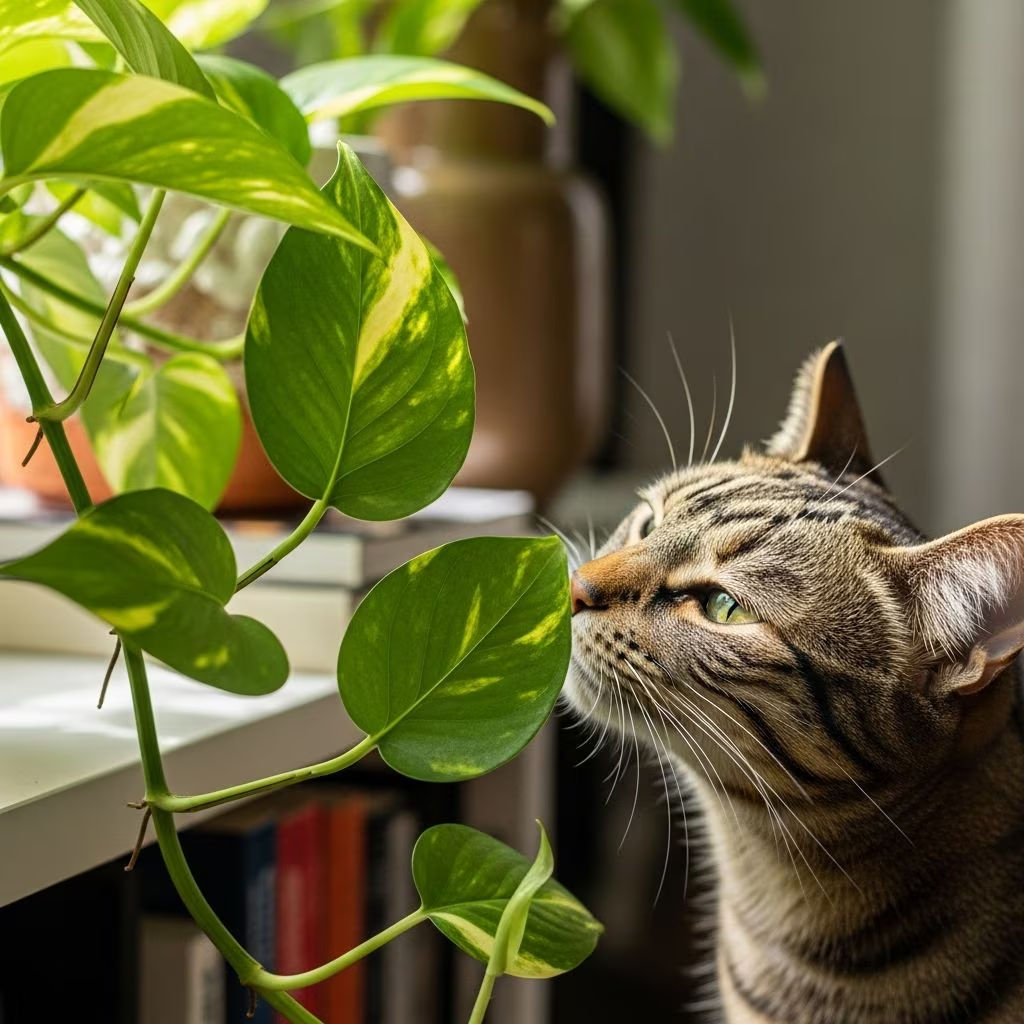
Pothos plants, popular for their lush trailing vines and air-purifying qualities, pose a significant risk to cats. These common houseplants contain insoluble calcium oxalate crystals that are toxic to felines, leading to painful oral irritation and gastrointestinal distress upon ingestion.
What Is Pothos?
Pothos, scientifically known as Epipremnum aureum, belongs to the Araceae family and is also called Devil’s Ivy, Golden Pothos, or Taro Vine. This resilient plant thrives in low light, making it a favorite for indoor spaces. Its heart-shaped leaves in variegated greens appeal to plant enthusiasts, but every part—leaves, stems, and roots—harbors needle-like calcium oxalate crystals that release upon chewing.
Varieties like Golden Pothos, Marble Queen, Neon Pothos, Pearl Jade, and Silver Splash all share this toxicity profile, as the crystals are uniform across species.
Why Are Pothos Toxic to Cats?
The toxicity stems from insoluble calcium oxalate crystals, which are sharp and needle-shaped. When a cat bites into the plant, these crystals penetrate the soft tissues of the mouth, throat, and stomach, causing immediate mechanical irritation and a burning sensation. Unlike soluble oxalates, these do not dissolve and exacerbate damage.
Cats, being obligate carnivores, occasionally nibble on plants to aid digestion or fulfill nutritional curiosities, increasing exposure risk to trailing pothos within reach.
Symptoms of Pothos Poisoning in Cats
Symptoms appear rapidly, often within minutes of ingestion, due to the crystals’ direct tissue penetration. Common signs include:
- Oral irritation: Intense burning in mouth, tongue, and lips.
- Excessive drooling: Profuse salivation from pain and inflammation.
- Pawing at the mouth: Cats rub or paw frantically to alleviate discomfort.
- Vomiting: Due to throat and stomach irritation.
- Difficulty swallowing: Swollen tissues hinder eating or drinking.
- Loss of appetite: Refusal to eat from pain and nausea.
- Lethargy or hiding: Withdrawal behavior indicating distress.
In severe cases, especially with large ingestions or pre-existing conditions, complications like renal issues or respiratory distress may arise within 12-48 hours.
What to Do If Your Cat Eats Pothos
Act immediately if you suspect ingestion:
- Remove plant access: Secure the pothos out of reach.
- Rinse mouth: Gently flush your cat’s mouth with cool water or milk to dislodge crystals, avoiding force to prevent aspiration.
- Contact professionals: Call your veterinarian or a pet poison hotline like ASPCA Poison Control (888-426-4435) right away. Provide plant details, amount ingested, and symptoms.
- Do not induce vomiting unless instructed, as it may worsen irritation.
Veterinary care often involves pain relief, anti-inflammatories, and IV fluids for hydration. Most cats recover fully with prompt treatment, though discomfort can last hours to days.
Treatment for Pothos Toxicity in Cats
Vets assess severity based on symptoms. Standard protocols include:
- Symptomatic relief: Analgesics for pain and antihistamines for swelling.
- Supportive care: Fluids to prevent dehydration from drooling and vomiting.
- Monitoring: Observation for secondary issues like kidney strain in vulnerable cats (kittens, seniors, or those with health issues).
- Gastroprotectants: Medications to soothe the stomach lining.
Prognosis is excellent with early intervention; fatalities are rare but possible in untreated severe cases.
Are All Pothos Plants Toxic to Cats?
Yes, all pothos varieties are toxic due to consistent calcium oxalate content. This includes:
| Variety | Description | Toxicity Notes |
|---|---|---|
| Golden Pothos | Classic green with yellow variegation | Highly toxic; common in homes |
| Marble Queen | White-green marbled leaves | Same crystals; avoid entirely |
| Neon Pothos | Bright lime-green leaves | Oral irritation primary symptom |
| Pearl Jade & Silver Splash | Silver-white patterns | Equally hazardous |
No safe pothos exists for cat households.
Are Pothos Toxic to Other Pets?
Dogs
Pothos are toxic to dogs, causing similar symptoms: drooling, vomiting, pawing at mouth, and potential airway obstruction or irregular heartbeat in severe cases. Large ingestions risk renal or cardiopulmonary failure, though rare.
Other Animals
Hamsters, rabbits, and birds face comparable risks from oxalate crystals, leading to oral pain and digestive upset.
Safe Plants for Cats: Alternatives to Pothos
Opt for non-toxic greenery to satisfy your cat’s plant-chewing instincts:
- Spider Plant (Chlorophytum comosum): Safe, grassy appeal.
- Cat Grass or wheatgrass: Promotes digestion.
- Boston Fern: Non-toxic hanging option.
- Parlor Palm: Hardy and safe.
- Areca Palm: Air-purifying without risks.
Always verify with ASPCA’s toxic plant list.
How to Cat-Proof Your Houseplants
Prevention is key in multi-pet homes:
- Elevate plants: Use high shelves or hanging baskets beyond jumping reach.
- Barriers: Install nets, fences, or room dividers.
- Repellents: Apply pet-safe sprays like citrus or neem oil.
- Distractions: Offer cat grass, toys, or scratching posts.
- Training: Use deterrent sounds or positive reinforcement.
Regular pruning keeps trailing plants tidy and less tempting.
Pothos and Cats FAQs
Are pothos toxic to cats?
Yes, pothos are toxic to cats due to calcium oxalate crystals causing oral burns, drooling, and vomiting.
Can pothos cause kidney failure in cats?
Rarely, in severe or untreated cases, crystals may contribute to kidney stones or failure, especially in predisposed cats.
What if my cat ate a pothos leaf?
Contact your vet immediately; rinse the mouth and monitor for symptoms like drooling or vomiting.
Are all pothos varieties poisonous?
Yes, all types contain the same toxic crystals.
How long do symptoms last after eating pothos?
Symptoms start immediately and resolve in 1-2 days with treatment; untreated cases may persist longer.
Can cats die from pothos poisoning?
Fatalities are extremely rare with prompt care, but possible in massive ingestions or delayed treatment.
Final Thoughts on Pothos Safety for Cats
While pothos enhance home aesthetics, their toxicity makes them unsuitable for cat owners. Prioritize safer alternatives and vigilance to protect your feline friends. If exposure occurs, swift action ensures quick recovery. Consult resources like the ASPCA for ongoing pet plant safety guidance.
References
- Is Golden Pothos Toxic to Cats or Dogs? A complete Guide — Lively Root. 2023. https://www.livelyroot.com/blogs/plant-care/golden-pothos-toxicity
- Golden Pothos Poisoning In Cats — Brant Animal Clinic. 2022-04-15. https://burlingtonvets.ca/2022/04/15/golden-pothos-poisoning-in-cats/
- Are Pothos Toxic to Cats? What To Know About Pothos And Cats — Basepaws. 2023. https://basepaws.com/blog/are-pothos-toxic-to-cats-what-to-know-about-pothos-and-cats
- Top 10 Houseplants Poisonous to Cats — Chipman Road Animal Clinic. 2023. https://www.chipmanroadanimalclinic.com/top-10-houseplants-poisonous-to-cats
- Golden Pothos – Toxic and Non-toxic Plants — ASPCA. 2024. https://www.aspca.org/pet-care/aspca-poison-control/toxic-and-non-toxic-plants/golden-pothos



