

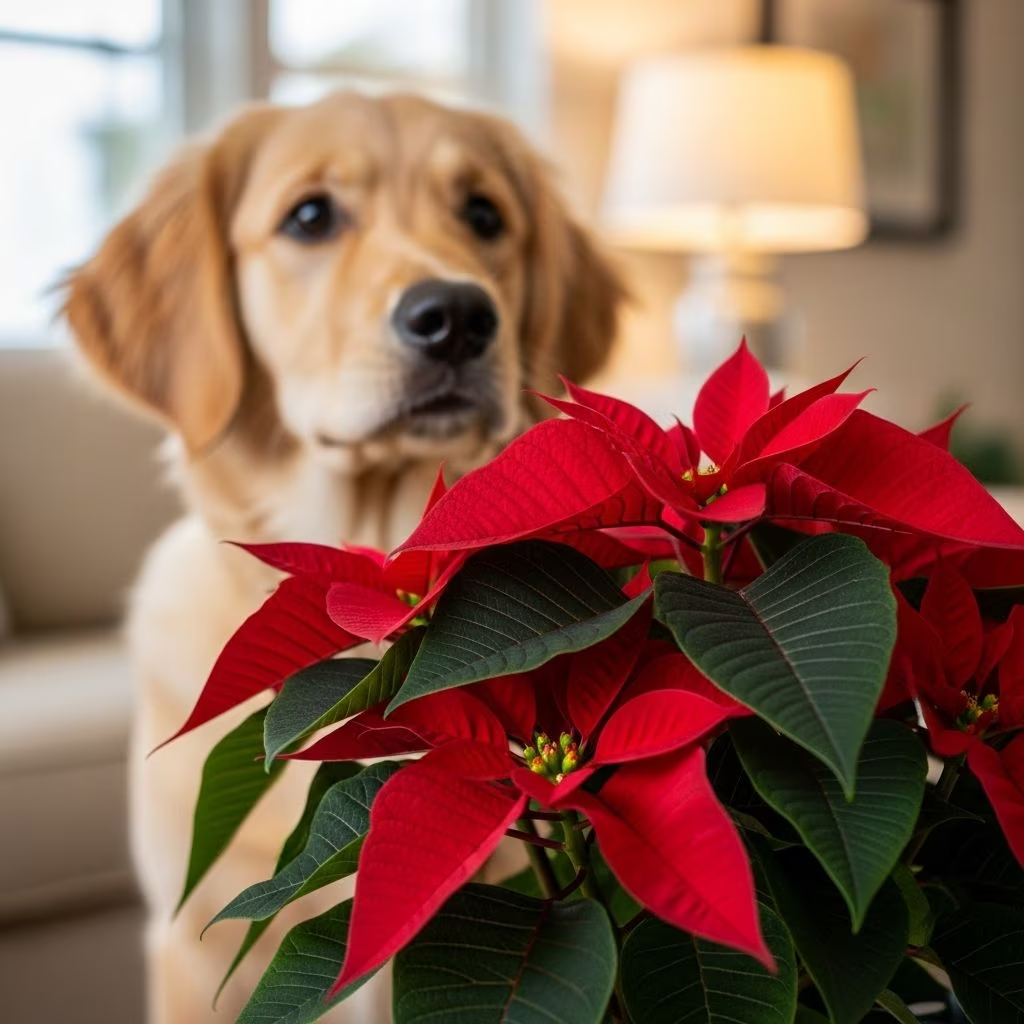
Poinsettias, with their vibrant red bracts and festive appeal, are holiday staples in many homes. But for dog owners, a pressing question arises: are poinsettias toxic for dogs? The short answer is yes, but the risk is often overstated. These plants contain mild irritants that can cause gastrointestinal upset and oral irritation in dogs if ingested, though severe poisoning is rare.
Understanding the science behind poinsettia toxicity empowers pet parents to enjoy the season safely. This comprehensive guide covers the toxicity level, symptoms to watch for, immediate response steps, prevention tips, safe plant alternatives, and answers to frequently asked questions. Backed by veterinary insights, it ensures you can protect your furry friend without unnecessary panic.
What Makes Poinsettias Toxic to Dogs?
The toxicity of poinsettias stems from their milky white sap, which contains compounds like diterpenoid euphorbol esters and saponin-like detergents. These chemicals act as irritants, similar to those in some household cleaners, affecting the mouth, esophagus, stomach, and skin upon contact or ingestion.
According to veterinary experts, the sap is released when leaves, stems, or bracts are chewed or broken. Even dried leaves retain these irritants, posing a risk year-round, not just during holidays. While the concentration is low compared to highly toxic plants like lilies or sago palms, any amount ingested by a curious dog can trigger discomfort.
- Sap Composition: Diterpenoid euphorbol esters cause cell membrane disruption, leading to irritation.
- Saponins: Foaming agents that upset the stomach lining, promoting nausea.
- Low Toxicity Rating: Rated as mildly toxic by organizations like the ASPCA, with symptoms typically self-limiting.
Myth-busting note: An urban legend from the 1970s exaggerated poinsettia dangers based on unverified claims. Modern studies confirm the mild nature, but vigilance remains key, especially for puppies, small breeds, or dogs with pre-existing conditions.
Symptoms of Poinsettia Poisoning in Dogs
Symptoms usually appear within minutes to hours of exposure. Most are mild and resolve without intervention, but monitoring is crucial to prevent dehydration from prolonged vomiting or diarrhea.
| Symptom | Description | Severity | Duration |
|---|---|---|---|
| Drooling/Hypersalivation | Excessive saliva due to mouth irritation | Mild | 30 min – 2 hours |
| Vomiting | Stomach upset expelling plant material | Mild-Moderate | 1-24 hours |
| Diarrhea | Loose stools, rarely bloody | Mild | Up to 24 hours |
| Lack of Appetite | Reduced interest in food | Mild | 12-48 hours |
| Skin/Eye Irritation | Redness, itching, tearing from sap contact | Mild | Hours |
| Lethargy | Indicates dehydration if persistent | Moderate-Severe | Requires vet |
Less common signs include lip-licking, unproductive retching, or conjunctivitis if sap contacts eyes. Puppies and seniors may show amplified effects due to smaller size or weaker systems.
What to Do If Your Dog Eats a Poinsettia
Stay calm—most cases resolve at home. Follow these vet-recommended steps:
- Remove Access: Gently take away plant pieces from the mouth without forcing jaws.
- Rinse Mouth: Offer water or gently rinse with lukewarm water if cooperative; avoid if resistant to prevent aspiration.
- Clean Skin: Bathe affected areas with mild soap and water for dermal exposure.
- Monitor Closely: Observe for 24-48 hours in a quiet space. Note vomit/diarrhea frequency, color, and energy levels.
- Feed Bland Diet: Rice, boiled chicken, or vet-recommended gastrointestinal food if tolerated.
When to Call the Vet Immediately:
- Vomiting >2-3 times or lasting >24 hours.
- Bloody/black/tarry stools.
- Signs of dehydration: dry gums, sunken eyes, lethargy.
- Large ingestion quantity.
- Pre-existing health issues.
Contact resources: ASPCA Poison Control (888-426-4435), Pet Poison Helpline, or your local emergency vet. Treatment may include anti-nausea meds like Cerenia, fluids, or monitoring.
Treatment for Poinsettia Toxicity in Dogs
Veterinary care is supportive, not antidote-based, as no specific reversal exists. For mild cases, observation suffices. Moderate cases receive:
- Anti-emetics (e.g., maropitant/Cerenia) to curb vomiting.
- Fluid therapy IV or subcutaneous for hydration.
- Activated charcoal if ingestion was recent (within 1-2 hours).
- Gastroprotectants for stomach lining soothing.
- Overnight hospitalization rare, only for severe dehydration.
Prognosis is excellent; 90% recover fully without intervention. Early action prevents escalation.
Preventing Poinsettia Poisoning in Dogs
Prevention beats cure. Safeguard your home with these strategies:
- Elevate Plants: Place poinsettias on high shelves or hanging baskets out of jump reach.
- Use Barriers: Baby gates, closed doors to exclude dogs from plant areas.
- Opt for Artificial: Silk poinsettias mimic beauty without risk.
- Train Commands: “Leave it” and “No” with positive reinforcement.
- Supervise Holidays: Never leave dogs unattended near decorations.
For multi-pet homes, consider breed traits—herders like Aussies may investigate more.
Safe Plant Alternatives for Dog Owners
Embrace pet-safe greenery for festive vibes:
| Plant | Why Safe? | Care Tips |
|---|---|---|
| Parlor Palm | Non-toxic per ASPCA | Indirect light, moist soil |
| Spider Plant | Mildly beneficial, air-purifying | Hanging, moderate water |
| Areca Palm | Safe, tropical look | Bright indirect light |
| Boston Fern | Non-irritating | Humid, shaded |
| Christmas Cactus | Mild GI upset rare | Well-draining soil |
Avoid true holiday hazards: mistletoe, holly, ivy. Verify via ASPCA toxic plant list.
Frequently Asked Questions (FAQs)
Are poinsettias deadly to dogs?
No, poinsettias are mildly toxic and rarely fatal. Symptoms are self-limiting in most cases.
Can a small dog eat a poinsettia leaf safely?
Small amounts cause minor upset; monitor closely. Larger quantities or sensitive dogs need vet check.
Is poinsettia sap dangerous for dog skin?
Yes, it irritates skin/eyes. Rinse immediately and watch for redness.
How long do symptoms last after eating poinsettia?
Typically 24-48 hours; contact vet if longer.
Are there breeds more at risk from poinsettias?
Chewers like Labs or pups; no breed immunity, but size matters.
What if my dog ate a dried poinsettia leaf?
Still risky due to residual sap; follow standard protocol.
References
- Toxic and Non-toxic Plants: Poinsettia — ASPCA. Accessed 2026. https://www.aspca.org/pet-care/aspca-poison-control/toxic-and-non-toxic-plants/poinsettia
- Poinsettia Are Toxic To Pets — Pet Poison Helpline. Accessed 2026. https://www.petpoisonhelpline.com/poison/poinsettia/
- Are Poinsettias Poisonous to Dogs? — American Kennel Club (AKC). 2023-12-01. https://www.akc.org/expert-advice/health/poinsettias-poisonous-dogs/
- Are Poinsettias Poisonous to Dogs? — Chewy (citing VEG Emergency Vet). 2024-11-15. https://www.chewy.com/education/dog/health-and-wellness/are-poinsettias-poisonous-to-dogs
- Poinsettia – dogs — Lort Smith Melbourne Animal Hospital. Accessed 2026. https://lortsmith.com/need-help-now/dog/poisons-toxins/toxic-plants/poinsettia-in-dogs/



