

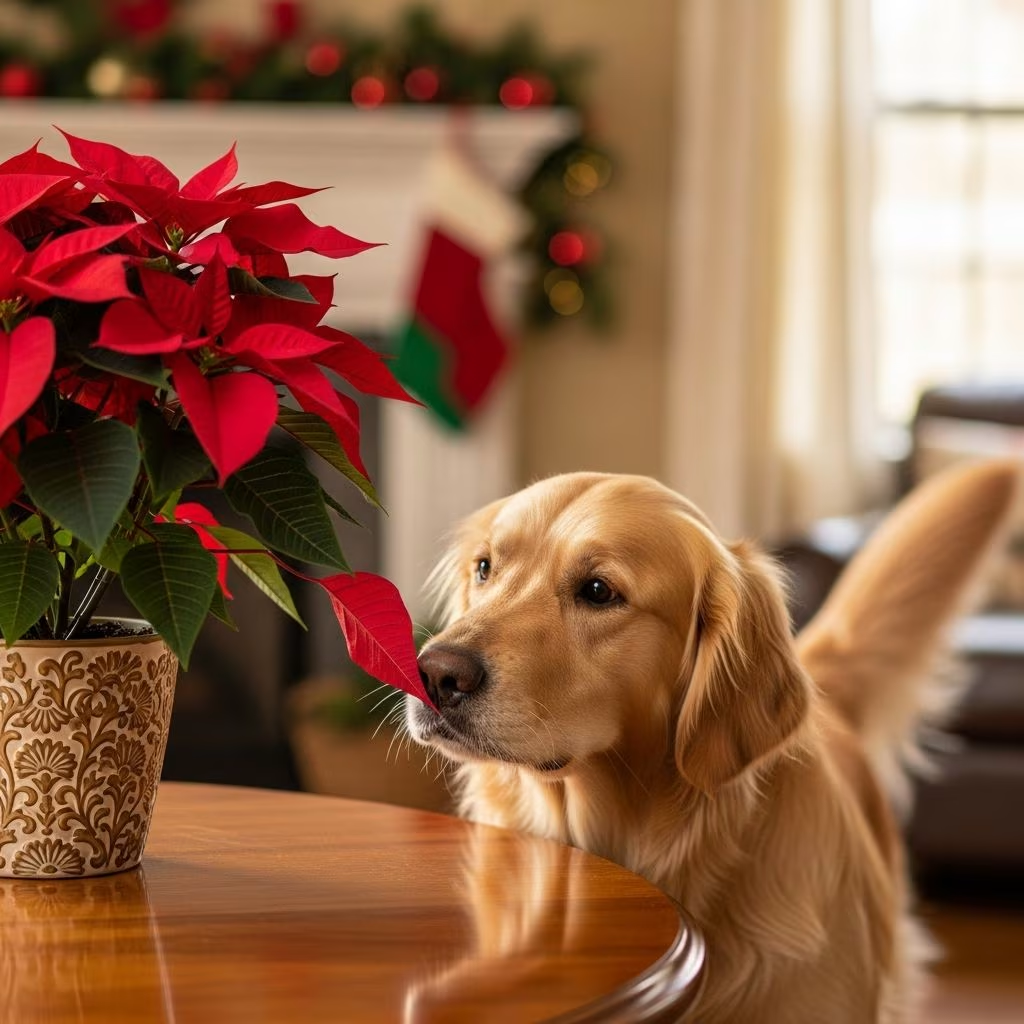
Poinsettias, the iconic red and green plants synonymous with holiday cheer, are mildly toxic to dogs but rarely cause serious harm. Ingesting small amounts typically leads to minor gastrointestinal upset such as drooling, vomiting, or diarrhea, which often resolves without veterinary intervention. Their reputation for high toxicity is largely a myth, stemming from early 20th-century misconceptions, but the sap contains irritants like diterpenoid euphorbol esters and saponin-like detergents that can cause discomfort. Pet owners should still exercise caution during festive seasons when these plants are ubiquitous.
Understanding Poinsettia Toxicity in Dogs
The toxicity of poinsettias to dogs is classified as mild by veterinary experts. According to Dr. Veronica Villanueva, DVM, from VEG Emergency Vet, poinsettias primarily irritate the mouth and gastrointestinal tract, leading to drooling, vomiting, and occasional diarrhea, but serious illness is rare. The plant’s milky white sap is the main culprit, containing chemicals similar to those in household cleaners that provoke irritation upon contact or ingestion. Even dried leaves retain some irritants, so discarded poinsettia parts pose a risk. Studies and poison control data confirm that in about 90% of cases, symptoms are self-limiting and do not require extensive treatment. Factors influencing severity include the amount ingested, the dog’s size, and pre-existing health conditions. Puppies, small breeds, or dogs with sensitive stomachs may experience more pronounced effects.
Historical context adds nuance: In the 1970s, Ohio State University research debunked the severe toxicity myth, finding that rats fed massive poinsettia quantities showed no adverse effects, a finding echoed in pet poison databases today. Nonetheless, the ASPCA and Pet Poison Helpline list poinsettias as toxic, albeit mildly, advising vigilance.
Symptoms of Poinsettia Poisoning in Dogs
Recognizing symptoms early is crucial for timely management. Common signs appear within minutes to hours of exposure and include:
- Drooling or hypersalivation: Due to mouth and tongue irritation from the sap.
- Vomiting: Often immediate, sometimes containing plant fragments.
- Diarrhea: Less common but possible, especially with larger ingestions.
- Lack of appetite: Temporary disinterest in food from stomach upset.
- Skin or eye irritation: Redness, itching, swelling, or tearing if sap contacts skin, paws, or eyes.
Rare complications involve dehydration from prolonged vomiting or diarrhea, lethargy, or bloody stools, signaling the need for professional care. Monitor stool color: red, black, or tarry indicates potential internal issues. Skin exposure may cause scratching or conjunctivitis. Most symptoms resolve in hours, but persistent ones warrant attention.
What to Do If Your Dog Eats a Poinsettia
Stay calm—most cases are mild. Follow these steps:
- Remove access: Confine the dog and discard or elevate the plant.
- Rinse affected areas: Gently flush mouth, eyes, or skin with lukewarm water or saline; bathe with mild soap for skin contact to remove sap. Avoid forcing mouth rinsing to prevent aspiration.
- Monitor closely: Observe for 24-48 hours, noting symptom duration and severity.
- Withhold food briefly: Offer small amounts of water; introduce a bland diet (boiled rice and chicken) after vomiting subsides.
Do not induce vomiting at home unless instructed by a vet, as it can worsen irritation. Contact a veterinarian, ASPCA Poison Control (888-426-4435), or Pet Poison Helpline if symptoms persist.
When to See a Vet for Poinsettia Ingestion
Veterinary care is rarely needed but essential in these scenarios:
- Persistent vomiting or diarrhea beyond 24 hours.
- Bloody vomit/stool, unproductive retching, or dehydration signs (dry gums, sunken eyes).
- Lethargy, weakness, or refusal to eat/drink.
- Large ingestion quantity or symptoms in small/puppy dogs.
- Skin/eye irritation not improving with rinsing.
Call ahead; vets may recommend anti-nausea meds like Cerenia, fluids, or monitoring. Hospitalization is uncommon unless dehydration occurs.
Treatment for Poinsettia Poisoning in Dogs
Treatment is supportive and symptomatic. Vets typically:
- Administer anti-emetics (e.g., Cerenia) for nausea.
- Provide IV fluids for dehydration.
- Offer gastroprotectants or a bland diet.
- Prescribe eye ointments or antihistamines for irritation.
No specific antidote exists; recovery is swift with care. In severe cases, bloodwork monitors electrolytes. Most dogs recover fully within 24 hours.
Preventing Poinsettia Poisoning: Pet-Safe Holiday Tips
Proactive measures ensure safe celebrations:
- Elevate plants: Place out of jump/reach on high shelves or rooms.
- Use barriers: Baby gates or closed doors block access.
- Supervise: Never leave dogs unattended with decorations.
- Opt for artificial: Silk poinsettias lack sap.
- Clean promptly: Vacuum fallen leaves immediately.
Educate family on risks during gatherings.
Pet-Safe Holiday Plant Alternatives
Swap poinsettias for these non-toxic options:
| Plant | Why Safe | Holiday Appeal |
|---|---|---|
| Grocery store orchids | Non-toxic per ASPCA | Elegant blooms in white/red |
| Parlor palm | Mildly irritating at worst | Lush green foliage |
| Bromeliads | Safe, colorful | Tropical holiday vibe |
| Areca palm | Non-toxic | Feathery fronds |
| Boston fern | Pet-friendly | Cascading greenery |
Verify with ASPCA’s toxic plant list before purchase.
Frequently Asked Questions (FAQs)
Are poinsettias poisonous to dogs?
Yes, mildly so. They cause irritation but rarely severe issues.
What happens if a dog eats a poinsettia leaf?
Expect drooling, vomiting; monitor and rinse mouth.
Can poinsettias cause skin irritation in dogs?
Yes, sap causes redness/itching; bathe affected areas.
Is poinsettia sap dangerous for dogs’ eyes?
It can cause redness/tearing; flush with saline.
How much poinsettia is toxic to dogs?
Even small amounts irritate; larger cause more symptoms.
Are dried poinsettia leaves toxic?
Yes, retain irritants.
Do I need to go to the vet if my dog eats poinsettia?
Only if symptoms persist >24 hours or worsen.
What plants are safe for dogs during holidays?
Orchids, palms, ferns.
References
- Are Poinsettias Poisonous to Dogs? — Chewy. 2023. https://www.chewy.com/education/dog/health-and-wellness/are-poinsettias-poisonous-to-dogs
- Are Poinsettias Poisonous to Dogs? Signs to Look Out For — Purina US. 2024. https://www.purina.com/articles/dog/health/routine-care/are-poinsettias-toxic-to-dogs
- Are Poinsettias Poisonous to Dogs? — Pets Furst Urgent Care. 2023. https://petsfursturgentcare.com/blog/are-poinsettias-poisonous-to-dogs/
- Poinsettia – dogs — Lort Smith Melbourne Animal Hospital. 2022. https://lortsmith.com/need-help-now/dog/poisons-toxins/toxic-plants/poinsettia-in-dogs/
- Are Poinsettias Poisonous to Dogs? Safety Tips — Sparkpaws. 2023. https://www.sparkpaws.com/blogs/community/are-poinsettias-poisonous-to-dogs
- Are Poinsettias Poisonous to Dogs? — VEG ER for Pets. 2023. https://www.veg.com/post/are-poinsettias-poisonous-to-dogs
- Are Poinsettias Poisonous to Dogs? — American Kennel Club (AKC). 2024-12-10. https://www.akc.org/expert-advice/health/poinsettias-poisonous-dogs/



