

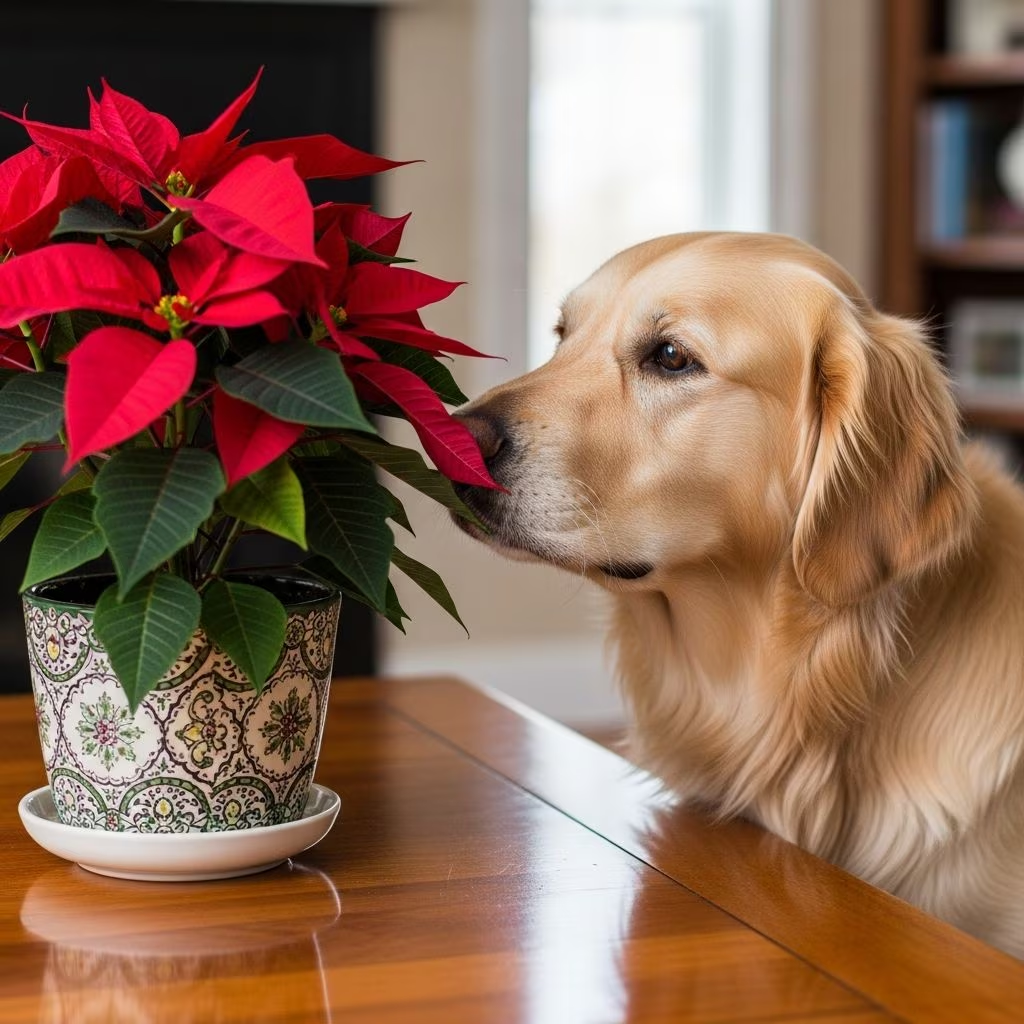
Poinsettias, with their vibrant red bracts and festive appeal, are holiday staples in many homes. But for dog owners, a pressing question arises: are poinsettias toxic for dogs? The short answer is yes, but the risk is generally mild. These plants contain irritants that can cause gastrointestinal upset, yet severe poisoning is rare. Understanding the facts empowers pet parents to enjoy the season safely without undue worry.
This comprehensive guide draws from veterinary experts and poison control centers to detail the toxicity level, symptoms to watch for, immediate response steps, treatment options, prevention strategies, safe plant alternatives, and answers to common questions. By the end, you’ll know how to protect your furry friend from poinsettias and similar holiday hazards.
What Makes Poinsettias Toxic to Dogs?
The toxicity of poinsettias stems primarily from their milky white sap, which contains compounds like diterpenoid euphorbol esters and saponin-like detergents. These chemicals act as irritants, similar to those in household cleaners, affecting the mouth, esophagus, stomach, and skin upon contact or ingestion.
Contrary to urban myths, poinsettias are not deadly. Veterinary sources confirm they rank low on the toxicity scale for dogs. The sap causes localized irritation rather than systemic poisoning. Leaves, stems, and bracts (often mistaken for flowers) all pose similar mild risks, even if dried. Ingesting small amounts typically leads to self-resolving symptoms, but larger quantities or sensitive dogs may need monitoring.
Experts like Dr. Veronica Villanueva from VEG Emergency Vet note that while poinsettias have a notorious reputation, they rarely cause serious illness in dogs. The American Kennel Club (AKC) and ASPCA echo this, classifying poinsettia as mildly irritating rather than highly toxic.
Symptoms of Poinsettia Poisoning in Dogs
Recognizing symptoms early is crucial for timely intervention. Most signs appear within hours of exposure and are gastrointestinal or oral in nature. Here’s a breakdown of common symptoms:
- Drooling or excessive lip licking: Due to mouth irritation from the sap.
- Vomiting: Often the first sign, usually mild and singular.
- Diarrhea: May be loose or watery; monitor for blood or persistence.
- Lack of appetite: Temporary disinterest in food.
- Skin or eye irritation: Redness, swelling, itching, or tearing if sap contacts fur, skin, or eyes.
Rarely, persistent symptoms can lead to dehydration, lethargy, or unproductive retching. Pet Poison Helpline lists these as primary signs, emphasizing they are self-limiting in most cases. If vomiting lasts over 24 hours or includes blood, seek veterinary help immediately.
What to Do If Your Dog Eats a Poinsettia
Stay calm—most ingestions resolve without intervention. Follow these vet-recommended steps from sources like Chewy and Purina:
- Remove access: Gently take away any plant pieces from your dog’s mouth without forcing it.
- Rinse affected areas: Offer water to drink or gently rinse the mouth and skin with cool water. Avoid forcing if resisted to prevent aspiration.
- Monitor closely: Observe for 24-48 hours in a quiet space. Note symptom onset, frequency, and severity.
- Feed blandly: Provide small amounts of a gentle diet like boiled rice and chicken if appetite returns.
Contact a vet or poison hotline if symptoms worsen. Indicators include vomiting more than once, bloody stool, lethargy, or dehydration signs like dry gums.
Treatment for Poinsettia Toxicity in Dogs
Treatment is symptomatic and rarely intensive. In 90% of cases, no vet visit is needed, per Dr. Sabrina Kong. Home care suffices for mild upset.
Veterinary options include:
- Anti-nausea meds like Cerenia (maropitant citrate).
- Fluid therapy for dehydration.
- Activated charcoal or emetics in rare severe cases.
- Bland diet prescription or gastrointestinal protectants.
Hospitalization is uncommon unless dehydration is significant. Always consult professionals; the ASPCA Poison Control notes no specific antidote exists, but irritation resolves quickly.
Preventing Poinsettia Poisoning in Dogs
Prevention is straightforward and effective:
- Elevate plants: Place poinsettias on high shelves or hanging baskets out of jump-and-reach zones.
- Use barriers: Baby gates or room dividers keep dogs away from decorated areas.
- Supervise: Never leave dogs unattended with plants during holidays.
- Opt for alternatives: Choose pet-safe decorations (see below).
- Train commands: “Leave it” prevents curious sniffing or chewing.
The AKC stresses caution with all holiday items, as poinsettias are just one potential hazard.
Pet-Safe Holiday Plant Alternatives
Swap risky poinsettias for these non-toxic options, verified by ASPCA and AKC:
| Plant | Description | Why Dog-Safe? |
|---|---|---|
| Grocery store orchids | Blooms in various colors; elegant holiday vibe. | Non-toxic; no irritants. |
| Parlor palm | Lush green fronds; low-maintenance. | Mildly irritating at worst; safe in moderation. |
| Areca palm | Bamboo-like; air-purifying. | Fully non-toxic. |
| Boston fern | Cascading greenery; thrives indoors. | No toxicity reported. |
| Pinecone crafts | DIY with faux greens; festive without risk. | No live plant elements. |
These alternatives provide beauty without worry, ensuring a merry, pet-friendly holiday.
Frequently Asked Questions (FAQs)
Are poinsettias poisonous to dogs?
Yes, mildly so. They cause irritation leading to drooling, vomiting, or diarrhea, but rarely serious harm.
Can a small amount of poinsettia hurt my dog?
Small ingestions typically cause minor, self-resolving upset. Monitor and contact vet if persistent.
What if my dog ate a dried poinsettia leaf?
Dried leaves retain irritants. Watch for symptoms as with fresh plants.
How long do poinsettia poisoning symptoms last in dogs?
Usually 12-48 hours; most resolve within 24 hours without treatment.
Is poinsettia sap dangerous for dogs’ skin or eyes?
Yes, it can cause redness, itching, or tearing. Rinse immediately with water.
Do I need to go to the vet if my dog eats poinsettia?
Not usually for mild cases. Go if vomiting persists >24 hours, blood appears, or lethargy sets in.
Are there holiday plants more toxic than poinsettias for dogs?
Yes, like mistletoe, holly, and lilies, which can cause severe poisoning or organ damage.
References
- Are Poinsettias Poisonous to Dogs? — American Kennel Club. 2023-12-01. https://www.akc.org/expert-advice/health/poinsettias-poisonous-dogs/
- Poinsettia Are Toxic To Pets — Pet Poison Helpline. 2024-10-15. https://www.petpoisonhelpline.com/poison/poinsettia/
- Toxic and Non-toxic Plants: Poinsettia — ASPCA Poison Control. 2024-11-20. https://www.aspca.org/pet-care/aspca-poison-control/toxic-and-non-toxic-plants/poinsettia
- Are Poinsettias Poisonous to Dogs? — Chewy Education. 2024-12-05. https://www.chewy.com/education/dog/health-and-wellness/are-poinsettias-poisonous-to-dogs
- Are Poinsettias Poisonous to Dogs? Signs to Look Out For — Purina US. 2024-11-10. https://www.purina.com/articles/dog/health/routine-care/are-poinsettias-toxic-to-dogs



