

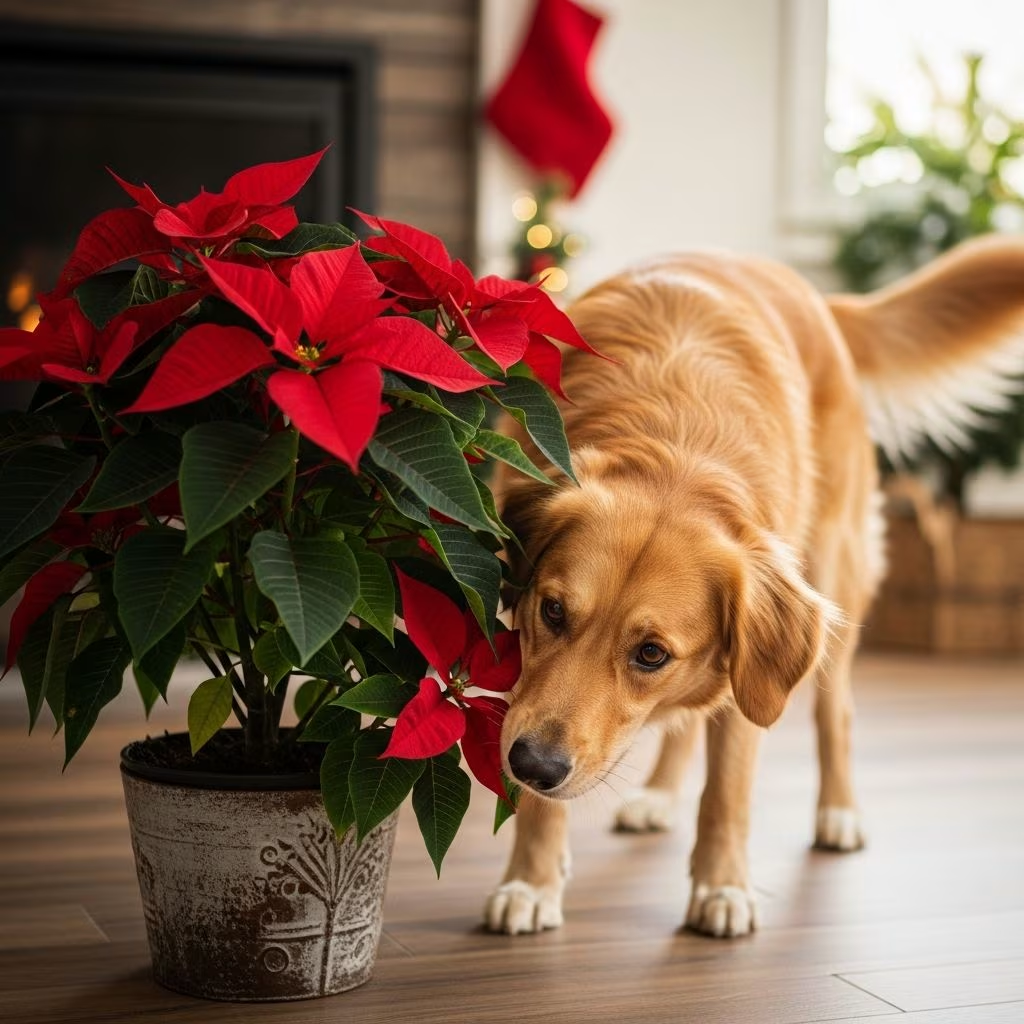
Are Poinsettias Toxic for Dogs?
Poinsettias are among the most iconic holiday decorations, adorning homes and offices during the festive season. However, pet parents often worry about whether these vibrant plants pose a danger to their canine companions. The good news is that while poinsettias are technically toxic to dogs, they are only mildly toxic and rarely cause serious health complications.
According to veterinary experts, poinsettias have a reputation as a dangerous plant that exceeds the actual risk they pose. The plant contains specific chemical compounds that can cause irritation, but ingestion typically results in only mild gastrointestinal upset that often resolves without medical intervention. Understanding the true level of risk allows pet owners to make informed decisions about keeping these plants in homes with dogs.
Understanding Poinsettia Toxicity in Dogs
The toxic components in poinsettias are primarily chemical compounds called diterpenoid euphorbol esters and saponin-like detergents. These substances are similar to chemicals commonly found in household cleaners and can cause irritation when dogs come into contact with them through various means, including ingestion of leaves, stems, or flowers, or through direct skin exposure to the plant’s sap.
The severity of poinsettia toxicity in dogs is classified as mild, meaning that the risks, while present, are generally manageable and rarely require extensive veterinary intervention. In approximately 90% of cases where dogs ingest poinsettias, the symptoms are mild and self-limiting, meaning they resolve on their own without treatment.
Common Symptoms of Poinsettia Poisoning in Dogs
If your dog ingests poinsettia leaves, stems, or flowers, or comes into contact with the plant’s sap, watch for the following symptoms:
- Drooling or hypersalivation – Excessive saliva production indicating mouth irritation
- Loss of appetite – Your dog may refuse food or show decreased interest in eating
- Vomiting – May occur within minutes to hours of ingestion or contact
- Diarrhea – Loose stools or digestive upset, though this is less common
- Lip licking – Excessive licking as a response to mouth irritation
- Skin irritation – Redness, swelling, or itching if the sap contacts the skin or fur
- Eye discomfort – Redness, tearing, or discharge if sap gets in the eyes
- Lethargy – Unusual tiredness or lack of energy (in severe cases)
Most of these symptoms are mild and typically appear within minutes to hours of exposure. In the majority of cases, symptoms will resolve within a few hours on their own without requiring veterinary care.
When to Seek Veterinary Care
While most poinsettia ingestions are minor, certain situations warrant immediate veterinary attention. Contact your veterinarian if you notice any of the following:
- Your dog has ingested a significantly large amount of the poinsettia plant
- Persistent vomiting or diarrhea lasting more than two hours
- Vomiting more than once after eating the plant
- Blood in vomit or bloody or black tarry stools
- Vomiting lasting 24 hours or more – this requires immediate attention
- Signs of dehydration – lethargy, dry gums, or excessive thirst
- Your dog shows signs of severe discomfort or distress
- Your pet has underlying health conditions or is already ill
Additionally, if you notice abnormal stool color (red, black, or tarry) or diarrhea lasting more than 24 hours, contact your veterinarian right away. For after-hours emergencies, the Animal Poison Control Center can be reached at (888) 426-4435.
What to Do If Your Dog Eats a Poinsettia
If you discover or suspect that your dog has ingested poinsettia plant material, follow these steps to ensure their safety and comfort:
Immediate Actions
- Remove the plant: Safely take away the poinsettia to prevent further ingestion. Move it to a location completely out of your dog’s reach.
- Gently remove plant material: Carefully remove any remaining pieces of the plant from your dog’s mouth using your fingers or a soft cloth.
- Rinse the mouth: Offer your dog a small drink of water to help soothe any irritation. If sap has contacted the mouth or skin, gently rinse affected areas with water. Avoid forcing rinsing if your dog resists, as this could cause aspiration pneumonia.
- Clean skin contact: If your dog’s skin or fur came into contact with the sap, bathe your pet with mild soap and water to remove any remaining sap and reduce irritation.
- Confine and monitor: Place your dog in a safe, quiet space where you can closely observe them for any signs of distress, excessive drooling, lip-licking, or vomiting.
Monitoring Phase
Keep a close eye on your dog for the next several hours. Monitor for any of the symptoms mentioned earlier. In most cases, mild symptoms will resolve on their own. However, remain vigilant for any changes that might indicate more serious complications.
Treatment Options for Poinsettia Poisoning
Medical treatment for poinsettia poisoning is primarily supportive and symptomatic, as there is no specific antidote for poinsettia toxicity. The approach your veterinarian recommends will depend on the severity of your dog’s symptoms.
Conservative Treatment
For mild cases with minimal symptoms, your veterinarian may recommend simply monitoring your dog at home. They might suggest a bland diet that is gentle on the stomach to allow the digestive system to recover. In these cases, no medication is necessary, and symptoms typically resolve within a few hours to a day.
Pharmaceutical Intervention
If your dog is experiencing more severe symptoms, particularly persistent vomiting, your veterinarian may prescribe anti-nausea medication such as Cerenia (Maropitant Citrate). This medication helps control nausea and reduces the likelihood of continued vomiting, which could lead to dehydration.
Hospitalization
Hospitalization is rarely necessary for poinsettia ingestion unless your dog becomes significantly dehydrated from persistent vomiting or diarrhea. If hospitalization is required, your veterinarian will provide supportive care, including intravenous fluids to maintain hydration and electrolyte balance, and continued monitoring.
Prevention: Keeping Your Dog Safe
The best approach to poinsettia toxicity is prevention. Since poinsettias are only mildly toxic but can still cause discomfort, keeping them away from your dog is the most effective strategy:
- Keep plants out of reach: Place poinsettias on high shelves, in closed rooms, or other locations your dog cannot access.
- Never leave unsupervised: Don’t leave your dog unattended in areas where decorations, plants, and potentially hazardous items are present.
- Consider pet-safe alternatives: Choose decorations and plants that are completely safe for dogs, such as artificial poinsettias (though ensure they’re not made with toxic dyes) or other pet-safe holiday plants.
- Educate family members: Ensure everyone in your household understands the importance of keeping poinsettias away from your dog.
- Watch during gatherings: During holiday parties or family visits, be extra vigilant about where decorations are placed and monitor your dog closely.
Pet-Safe Holiday Plant Alternatives
If you’re concerned about poinsettias, consider these dog-safe holiday decorative options:
- Spider plants
- Boston ferns
- African violets
- Phalaenopsis orchids
- Artificial decorations and wreaths
Frequently Asked Questions
Q: Is a poinsettia plant toxic to dogs?
A: Poinsettias are mildly toxic to dogs. While they contain compounds that can cause irritation, they rarely cause serious health complications. Most ingestions result in mild gastrointestinal upset that resolves without medical treatment.
Q: What happens if a dog eats poinsettia leaves?
A: If a dog eats poinsettia leaves, they may experience drooling, vomiting, diarrhea, or loss of appetite. Even dried poinsettia leaves can cause these symptoms due to the presence of toxic chemicals. Most dogs recover without complications within a few hours.
Q: How long do poinsettia poisoning symptoms last in dogs?
A: Symptoms from poinsettia ingestion typically appear within minutes to hours and are usually self-limiting, resolving on their own within a few hours. However, if symptoms persist beyond 24 hours, particularly vomiting or diarrhea, contact your veterinarian.
Q: Can poinsettia sap harm a dog’s skin?
A: Yes, contact with poinsettia sap can cause skin irritation, redness, swelling, and itching. If your dog’s skin contacts the sap, bathe them with mild soap and water to remove the irritant.
Q: What should I do immediately if my dog eats a poinsettia?
A: Remove any remaining plant material from your dog’s mouth, offer small amounts of water to soothe irritation, and monitor closely for symptoms. Contact your veterinarian if symptoms persist or worsen.
Q: Are poinsettias safe to have in homes with dogs?
A: Due to their low level of toxicity, poinsettias can be safely kept in homes with dogs if proper precautions are taken, such as placing them out of reach and never leaving your dog unsupervised around them.
Q: Is there an antidote for poinsettia poisoning?
A: No, there is no specific antidote for poinsettia poisoning. Treatment is supportive and focused on managing symptoms, such as using anti-nausea medication or providing a bland diet.
Q: When should I call the poison control center for my dog?
A: Contact the Animal Poison Control Center at (888) 426-4435 if your dog shows persistent symptoms, signs of severe distress, or if you’re unsure about the appropriate course of action.
Conclusion
While poinsettias are technically toxic to dogs, they pose only a mild risk when ingested. Most cases result in minor gastrointestinal discomfort that resolves without medical intervention. By understanding the true level of toxicity, recognizing symptoms, and taking preventive measures such as keeping plants out of reach, you can safely enjoy poinsettias in your home during the holiday season while protecting your furry friend. Should your dog ingest poinsettia material, remain calm, follow the recommended steps, and contact your veterinarian if symptoms persist or worsen.
References
- Are Poinsettias Poisonous to Dogs? — Chewy. 2025. https://www.chewy.com/education/dog/health-and-wellness/are-poinsettias-poisonous-to-dogs
- Are Poinsettias Poisonous to Dogs? Signs to Look Out For — Purina US. 2025. https://www.purina.com/articles/dog/health/routine-care/are-poinsettias-toxic-to-dogs
- Are Poinsettias Poisonous to Dogs? — Pets Furst Urgent Care. 2025. https://petsfursturgentcare.com/blog/are-poinsettias-poisonous-to-dogs/
- Poinsettia – dogs — Lort Smith Melbourne Animal Hospital. 2025. https://lortsmith.com/need-help-now/dog/poisons-toxins/toxic-plants/poinsettia-in-dogs/
- Are Poinsettias Poisonous to Dogs? — American Kennel Club. 2025. https://www.akc.org/expert-advice/health/poinsettias-poisonous-dogs/
- Are Poinsettias Poisonous to Dogs? — VEG ER for Pets. 2025. https://www.veg.com/post/are-poinsettias-poisonous-to-dogs
- Poinsettia Are Toxic To Pets — Pet Poison Helpline. 2025. https://www.petpoisonhelpline.com/poison/poinsettia/



