

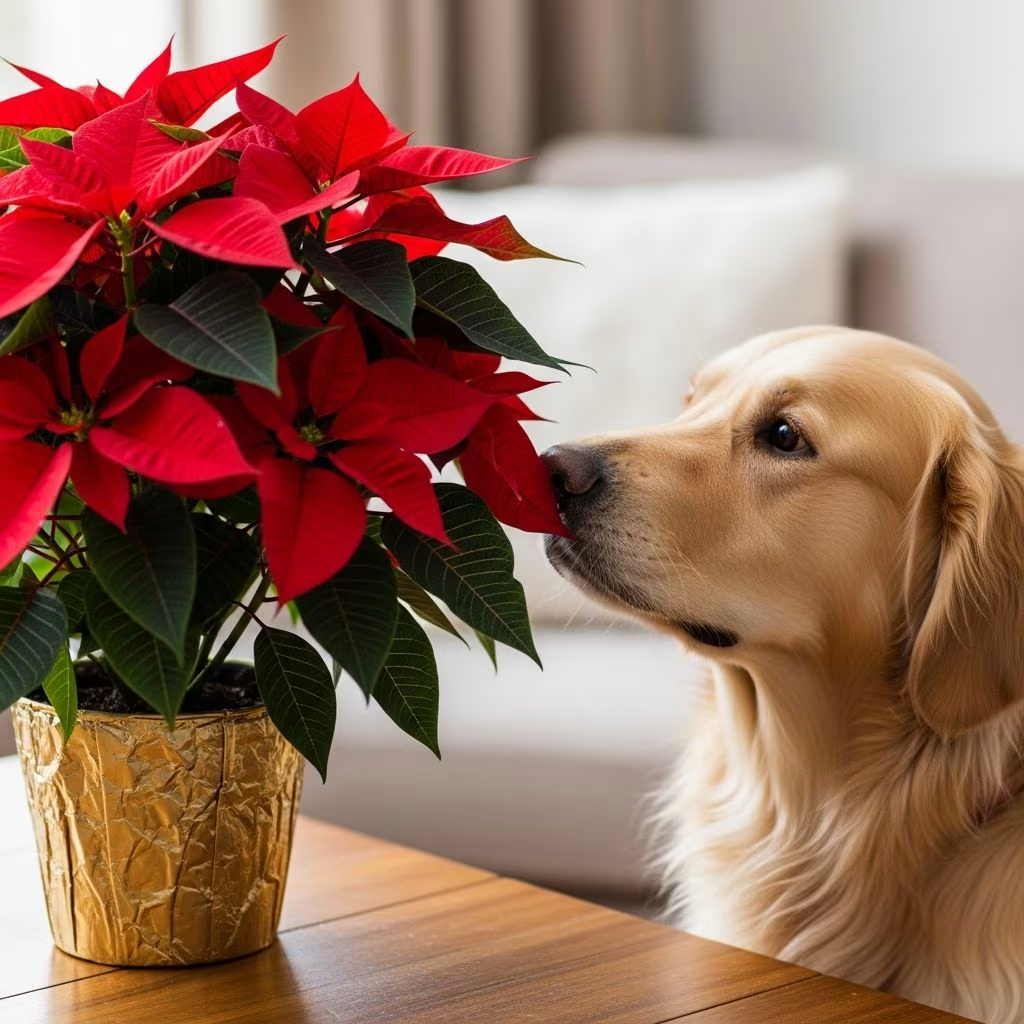
Are Poinsettias Poisonous to Dogs?
Poinsettias have long been surrounded by concern regarding their safety around pets, particularly dogs. The good news is that while poinsettias are technically toxic to dogs, they are actually only mildly poisonous and rarely pose serious health risks. According to veterinary experts, poinsettias do not cause major complications when ingested in small quantities. The plant contains compounds called diterpenoid euphorbol esters and saponin-like detergents, which are similar to chemicals found in common household cleaners. When dogs interact with these substances, they may experience mild gastrointestinal irritation rather than severe systemic toxicity.
The key distinction pet parents should understand is that poinsettias fall into the “mildly toxic” category of plants. This means that accidental ingestion by your dog is unlikely to result in life-threatening consequences. In fact, veterinary professionals note that in approximately 90% of cases, poinsettia ingestion causes only mild, self-limiting gastrointestinal upset that resolves without extensive veterinary intervention. However, this does not mean pet owners should be completely dismissive of the risk. Understanding the potential symptoms and knowing how to respond appropriately is essential for every dog owner, especially during the holiday season when poinsettias are commonly displayed in homes.
Understanding the Toxicity Level
The toxicity level of poinsettias is classified as mild, which is significantly lower than many other common household plants that pose serious threats to dogs. The plant’s toxic compounds are primarily concentrated in the sap and leaves. Even dried poinsettia leaves retain their toxic potential, so pet owners should remain cautious even with dead plant material.
The severity of toxicity depends on several factors, including the amount of plant material ingested, the individual dog’s sensitivity, and their overall health status. A dog that consumes a small portion of a poinsettia leaf is far less likely to experience severe symptoms compared to one that ingests a large quantity of the plant. Additionally, dogs with pre-existing gastrointestinal conditions or those already experiencing illness may be more susceptible to complications.
Common Symptoms of Poinsettia Poisoning
If your dog has ingested poinsettia, it’s important to recognize the signs of poisoning. Symptoms typically appear within minutes to hours of ingestion or skin contact with the plant. Pet parents should monitor their dogs closely and be aware of the following manifestations:
Gastrointestinal Symptoms
The most common symptoms associated with poinsettia ingestion affect the digestive system. These include:
– Drooling or excessive salivation- Loss of appetite or lack of interest in food- Vomiting- Diarrhea (though this occurs rarely)- Irritation of the mouth and mucous membranes
Skin and Eye Symptoms
Direct contact with poinsettia sap can cause external irritation in dogs. These symptoms may include:
– Skin irritation and redness- Itching or scratching at affected areas- Swelling of the skin- Eye redness and tearing- Conjunctivitis if sap contacts the eyes- Watery or red eyes
Behavioral Changes
Beyond physical symptoms, pet parents might observe their dog pawing at or licking their face persistently, which indicates discomfort from mouth or throat irritation. These behavioral signs often accompany the gastrointestinal symptoms listed above.
When to Seek Veterinary Care
While most poinsettia ingestions resolve on their own without requiring medical intervention, certain situations warrant immediate veterinary attention. Understanding when to contact your veterinarian is crucial for your dog’s safety and wellbeing.
You should seek veterinary care if your dog exhibits any of the following conditions:
– Your dog has ingested a significantly large amount of poinsettia plant material- Symptoms include persistent vomiting or diarrhea lasting more than two hours- You notice vomiting more than once after eating the plant- There is blood visible in their vomit- Your dog experiences bloody or black tarry diarrhea- Your dog shows signs of lethargy or unusual tiredness- Your dog shows a complete loss of appetite- Signs of dehydration are present- Your dog has been vomiting continuously for 24 hours or more- Diarrhea persists for 24 hours or longer- You observe unproductive retching or dry heaving
For dogs with underlying health conditions, existing illnesses, or those already experiencing gastrointestinal issues, it is especially important to contact your veterinarian promptly if poinsettia ingestion occurs. If your regular veterinarian is unavailable, the Animal Poison Control Center can provide immediate guidance and advice at (888) 426-4435.
Immediate Steps to Take If Your Dog Eats Poinsettia
If you discover that your dog has ingested poinsettia, remaining calm and taking swift but measured action is essential. Follow these recommended steps to ensure your pet’s safety:
Initial Response
– Gently remove any remaining plant pieces from your dog’s mouth to prevent further ingestion- Offer your dog a small drink of water to help soothe any irritation in the mouth or throat- If your dog has had skin contact with poinsettia sap, perform dermal decontamination by bathing your pet with soap and water to ensure all remaining sap is washed off and irritation is minimized- Rinse your dog’s mouth and any affected skin areas gently with water
Monitoring and Observation
After initial response, confine your canine companion to a safe, quiet space where you can carefully watch them for signs of distress. Monitor closely for:
– Excessive drooling or constant lip-licking- Vomiting or retching- Changes in appetite- Any behavioral changes or signs of discomfort- Diarrhea or changes in bowel movements- Lethargy or unusual behavior
Keep detailed notes of any symptoms you observe, including when they began, how frequently they occur, and their severity. This information will be valuable if you need to contact your veterinarian.
Treatment and Veterinary Care
Treatment for poinsettia poisoning in dogs is primarily symptomatic and supportive in nature. There is no specific antidote for poinsettia poisoning, so veterinary treatment focuses on managing the symptoms your dog is experiencing.
Common Treatment Approaches
Most cases of poinsettia ingestion do not require extensive veterinary treatment. However, when symptoms are persistent or severe, your veterinarian may recommend the following:
– Anti-nausea medication such as Cerenia (Maropitant Citrate) to manage vomiting- A bland diet that is gentle on the stomach to reduce gastrointestinal irritation- Supportive care including monitoring for dehydration- IV fluids in cases where persistent vomiting or diarrhea has led to dehydration or electrolyte imbalances- Monitoring for any signs of secondary complications
Hospitalization is rarely necessary unless your dog becomes significantly dehydrated or exhibits severe persistent symptoms. In most cases, pets recover completely with basic supportive care and close monitoring at home.
Prevention: Keeping Your Dog Safe
The most effective approach to poinsettia toxicity is prevention. By taking reasonable precautions, you can allow poinsettias in your home while keeping your dog safe from potential harm.
Home Safety Measures
– Keep poinsettias and other potentially hazardous decorations out of your dog’s reach, such as on high shelves or in rooms your dog cannot access- Never leave your dog unattended when decorations, plants, and potentially hazardous items are present- Place plants in secure locations where curious dogs cannot knock them over or access them- Consider using plant stands, hanging planters, or gated areas to create physical barriers- Keep dried poinsettia leaves and flower petals swept up promptly
Pet-Safe Alternatives
If you prefer to eliminate the risk entirely, numerous pet-safe plant alternatives exist for holiday decorating. Consider using these safer options instead:
– Spider plants- Boston ferns- African violets- Bamboo palms- Areca palms- Prayer plants- Peperomia- Christmas cactus (which is safe for dogs)
You can also decorate with non-plant items such as festive ribbons, garlands made from pet-safe materials, decorative ornaments, and other holiday decorations that pose no toxicity risk to your furry friend.
Understanding Your Dog’s Risk Factors
Not all dogs are equally susceptible to poinsettia toxicity. Several factors can influence how severely your individual dog may be affected if exposed to the plant:
Age and Health Status: Puppies, senior dogs, and dogs with pre-existing health conditions may be more vulnerable to complications. Dogs with gastrointestinal disorders are particularly at risk for more severe reactions.
Sensitivity and Breed: Individual dogs have varying sensitivities to toxins. Some dogs may experience stronger reactions than others even when exposed to the same amount of plant material.
Amount Ingested: The quantity of plant material consumed directly correlates with symptom severity. A small nibble is far less concerning than consuming a significant portion of the plant.
Overall Health: Dogs with compromised immune systems or concurrent illnesses may struggle more to recover from the irritation caused by poinsettia ingestion.
Frequently Asked Questions
Q: Are poinsettias deadly to dogs?
A: No, poinsettias are not deadly to dogs. They are mildly toxic and typically cause only minor gastrointestinal upset that resolves without serious complications in the vast majority of cases.
Q: Can my dog die from eating a poinsettia leaf?
A: It is extremely unlikely that eating a poinsettia leaf would cause death in a dog. Most cases result in mild symptoms that resolve on their own. Fatal outcomes are exceptionally rare.
Q: How much poinsettia would be toxic to a dog?
A: There is no specific established toxic dose for poinsettias in dogs. However, ingestion of large quantities is more likely to cause noticeable symptoms than consuming small amounts. Small bites typically result in minimal to no symptoms.
Q: What should I do if my dog eats poinsettia?
A: Remove any remaining plant material from your dog’s mouth, offer water, rinse affected areas if there was sap contact, and monitor your dog closely for symptoms. Contact your veterinarian if symptoms persist beyond two hours or are severe.
Q: Can poinsettia sap cause skin irritation in dogs?
A: Yes, direct contact with poinsettia sap can cause skin irritation, redness, swelling, and itching. Bathe your dog with soap and water if sap exposure occurs to remove the irritating compounds.
Q: Is red poinsettia more toxic than white or pink poinsettia?
A: The color of a poinsettia does not affect its toxicity level. All color varieties contain the same toxic compounds and pose the same level of risk to dogs.
Q: Can I have poinsettias in my home with my dog?
A: Yes, you can have poinsettias in your home with your dog if you take appropriate precautions. Keep them out of your dog’s reach and supervise your pet when they are in the same room as the plant.
References
- Are Poinsettias Poisonous to Dogs? — Chewy. 2024. https://www.chewy.com/education/dog/health-and-wellness/are-poinsettias-poisonous-to-dogs
- Are Poinsettias Poisonous to Dogs? Signs to Look Out For — Purina US. 2024. https://www.purina.com/articles/dog/health/routine-care/are-poinsettias-toxic-to-dogs
- Poinsettia Are Toxic To Pets — Pet Poison Helpline. 2024. https://www.petpoisonhelpline.com/poison/poinsettia/
- Are Poinsettias Poisonous to Dogs? — American Kennel Club. 2024. https://www.akc.org/expert-advice/health/poinsettias-poisonous-dogs/
- Poinsettia – dogs — Lort Smith Melbourne Animal Hospital. 2024. https://lortsmith.com/need-help-now/dog/poisons-toxins/toxic-plants/poinsettia-in-dogs/



