

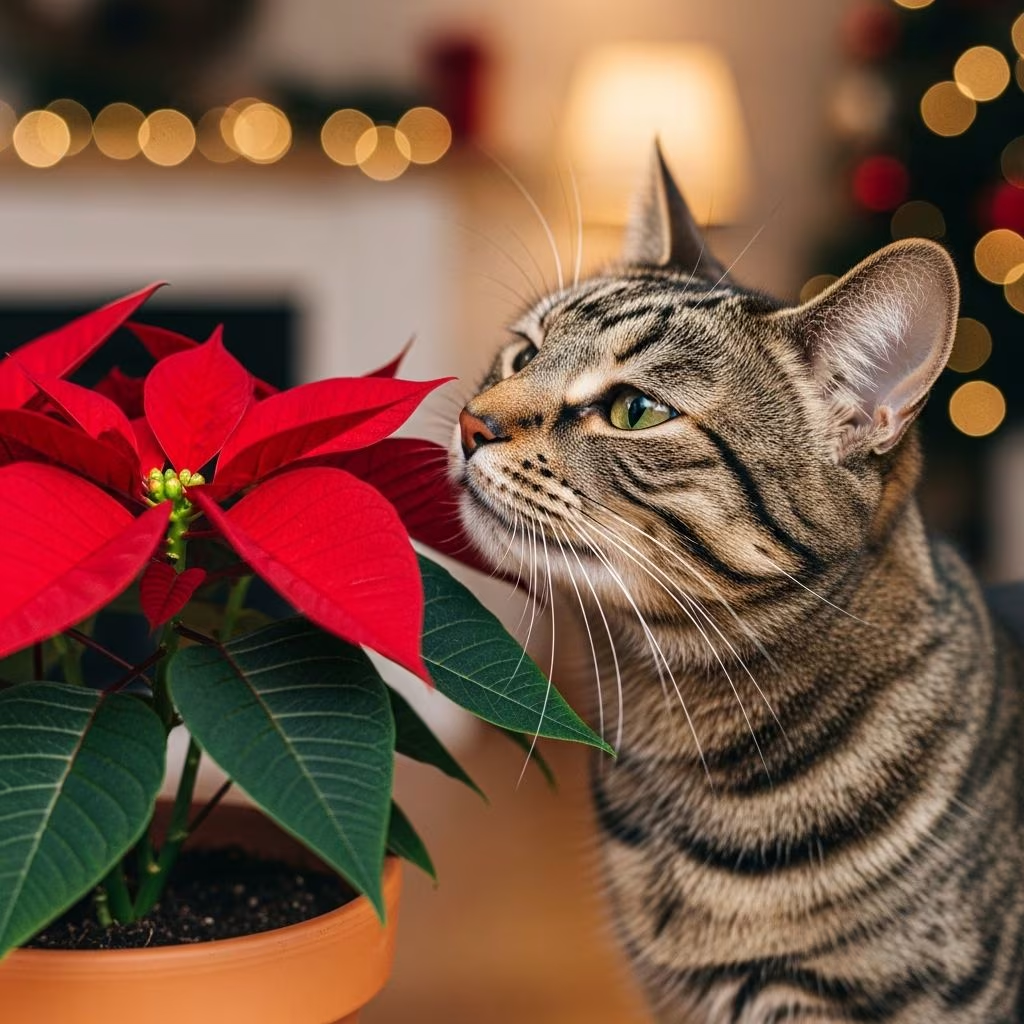
Are Poinsettias Poisonous to Cats?
Poinsettias are a beloved holiday decoration, adorning homes and offices during the festive season. However, pet owners often worry about the safety of these vibrant plants, particularly when they share their homes with curious cats. The question “Are poinsettias poisonous to cats?” is one that veterinarians hear frequently, especially during the winter months. Understanding the actual toxicity level of poinsettias and how they affect feline companions is essential for keeping your cat safe while still enjoying holiday decorations.
Understanding Poinsettia Toxicity
While poinsettias have long been labeled as highly toxic to cats, the reality is far less alarming than popular belief suggests. Poinsettias are mildly toxic to cats, not the deadly plants that holiday myths would have you believe. The toxicity concerns stem primarily from the milky white sap found within the leaves and stems of these festive plants.
This milky white sap contains irritant compounds that can cause discomfort if ingested or if they come into contact with your cat’s skin. However, extensive research, including a landmark 1971 study conducted by Ohio State researchers, has demonstrated that poinsettias have remarkably low toxicity levels. The researchers fed extraordinarily high doses of poinsettia plant material to rats and observed no mortality, no symptoms of toxicity, and no changes in dietary intake or general behavior patterns. This research has been the foundation for veterinary professionals reassessing poinsettia toxicity for decades.
The reason poinsettias have such a fearsome reputation is likely due to an unsubstantiated report from 1919 claiming that a small child died after chewing on a poinsettia leaf. Additionally, many members of the poinsettia’s botanical family, Euphorbia, do possess highly toxic latex sap, which may have contributed to the widespread misconception.
What Makes Poinsettias Mildly Toxic?
The toxic compounds in poinsettias are primarily found in the plant’s irritant sap. When pets nibble, chew, or lick poinsettia leaves, stems, or flowers, this sap can irritate the mouth, throat, and digestive system. The severity of any symptoms typically depends on two key factors: the amount of plant material consumed and the individual pet’s sensitivity to the compounds.
It’s important to note that poinsettia sap is relatively innocuous for most individuals. Only people with a latex allergy are likely to experience a significant reaction if the sap contacts their skin. For cats, the reaction is limited to localized irritation rather than systemic toxicity. This means that while ingestion should still be avoided, poinsettias are far less dangerous than commonly believed.
Symptoms of Poinsettia Poisoning in Cats
If your cat has ingested poinsettia material, it’s important to recognize the potential symptoms. Most cases of poinsettia exposure in cats result in mild, self-limiting symptoms that resolve without medical intervention. However, pet owners should be aware of what to watch for following exposure.
Common signs of poinsettia poisoning in cats include:
- Excessive drooling or salivation
- Vomiting
- Diarrhea
- Skin irritation, including redness and swelling
- Itchiness at contact sites
- Mild eye irritation if sap contacts the eyes
- Lethargy or decreased activity levels
- Loss of appetite
These symptoms are typically mild and temporary, lasting only a few hours to a day or two in most cases. However, if vomiting persists for more than 24 hours, if your cat appears unsteady, or if you notice severe lethargy, it’s advisable to contact your veterinarian for professional guidance.
How Much Poinsettia is Dangerous?
A critical point that pet owners should understand is that cats would need to ingest a substantial amount of poinsettia material for the situation to become serious. Most cases involve a cat chewing on or licking a small portion of the plant, which typically results only in mild symptoms. While there has been a documented case of a Burmese kitten who ingested a large leaf and developed severe oral and esophageal irritation, such severe cases are exceptionally rare.
The amount consumed plays a significant role in determining symptom severity. A curious cat who nibbles on a single leaf will likely experience minimal discomfort, whereas a cat who consumes large quantities of the plant might develop more noticeable symptoms. This is why veterinarians emphasize prevention through plant placement rather than panic about accidental exposure.
What to Do If Your Cat Eats Poinsettia
If you discover that your cat has ingested poinsettia material, taking quick action can help minimize discomfort. Follow these steps:
- Remove remaining plant material: Carefully remove any remaining poinsettia leaves, stems, or flowers from your cat’s mouth to prevent further ingestion.
- Rinse with clean water: Gently rinse your cat’s mouth with clean water to remove any sap residue.
- Monitor for symptoms: Keep a close watch for any signs of poinsettia poisoning, such as vomiting, drooling, diarrhea, or behavioral changes.
- Avoid inducing vomiting: Unless specifically instructed by your veterinarian, do not attempt to induce vomiting, as this could cause additional irritation.
- Contact your veterinarian: If symptoms are severe or persistent, contact your veterinarian for guidance. They can provide professional assessment and recommend appropriate care.
Most cases of poinsettia ingestion resolve without any veterinary treatment, but professional assessment is always recommended to ensure your cat’s wellbeing and to rule out any complications.
Treatment for Poinsettia Poisoning
If you notice your cat experiencing symptoms after eating poinsettia, treatment options depend on the severity of the symptoms. While there is no specific antidote for poinsettia poisoning, veterinarians can provide supportive care to keep your cat comfortable as their body processes and eliminates the toxic sap.
Treatment approaches may include:
- Activated charcoal administration: Your vet may administer activated charcoal to absorb toxins in the digestive tract.
- Induced vomiting: In cases of recent large ingestion, medication to induce vomiting may be recommended to remove plant material from the stomach.
- IV fluids: If your cat is severely dehydrated from vomiting or diarrhea, intravenous fluids may be administered to restore hydration and support kidney function.
- Supportive medications: Anti-nausea medications or other supportive treatments may be prescribed to manage symptoms and keep your cat comfortable.
Veterinarians focus on managing symptoms and supporting your cat’s natural recovery process. Most cats recover fully from poinsettia poisoning without requiring extensive treatment.
Prevention: Keeping Your Cat Safe
The best approach to poinsettia safety is prevention. Rather than worrying about your cat’s accidental exposure, take proactive steps to minimize contact with the plant. Several strategies can help keep your feline friend safe during the holiday season.
Placement strategies that don’t work: Many pet owners instinctively place poinsettias on high shelves or fireplace mantels, thinking these locations are out of reach. However, cats are natural climbers and jumpers. What seems like an inaccessible location to you may be an appealing destination for an agile feline. Climbing to reach high places is often an enticing game for curious cats.
Effective prevention methods:
- Place plants behind closed doors: The most reliable way to prevent access is to keep poinsettias in rooms that your cat cannot enter. A closed bedroom or bathroom door is far more effective than any shelf placement.
- Use barriers: If closed-door storage isn’t possible, consider using plant barriers or pet gates to create a restricted area around the poinsettia.
- Choose alternative decorations: Consider replacing poinsettias with safer holiday decorations that pose no risk to your cat. Many equally festive alternatives exist that won’t cause worry.
- Select cat-safe plants: If you want living plants for holiday decoration, choose varieties that are non-toxic to cats, such as spider plants, Boston ferns, or African violets.
- Educate visitors: If guests bring poinsettias to your home, politely ask them to place the plant in a secure location or store it until they depart.
Poinsettias vs. Other Holiday Plants
While poinsettias are mildly toxic and rarely cause serious problems, other holiday plants present far greater dangers to cats. It’s important to understand which decorative plants pose genuine threats to your feline companion.
Highly toxic holiday plants to avoid:
- Lilies: Lilies are exceptionally dangerous to cats and can cause life-threatening kidney failure from even tiny amounts of ingestion. This includes lilies in floral bouquets.
- Holly: Holly berries and leaves contain toxic compounds that can cause gastrointestinal upset and potentially more serious complications.
- Mistletoe: While often considered less toxic than lilies, mistletoe can still cause serious gastrointestinal symptoms and potentially fatal reactions in cats.
- Amaryllis: The bulbs and flowers contain toxins that can cause vomiting, diarrhea, and abdominal pain.
- Cyclamen: The tubers of cyclamen plants contain saponins that can cause intense gastrointestinal irritation.
Understanding that poinsettias are far less dangerous than lilies and other common holiday plants can help you prioritize your prevention efforts. While you should still keep poinsettias away from your cat, directing your greatest concern toward lilies and similarly toxic plants is appropriate.
Why the Myth Persists
Despite decades of scientific evidence demonstrating that poinsettias are not highly toxic, the myth of their danger persists in popular culture and even on some veterinary websites. Several factors contribute to this enduring misconception. The unsubstantiated 1919 report continues to be cited, and the confusion with other members of the Euphorbia family, which do contain toxic latex sap, adds to the confusion. Additionally, because poinsettias are so commonly available and attractive to cats, accidental ingestions occur frequently, which keeps the topic in the public consciousness.
The Pet Poison Helpline and veterinary professionals continue to clarify that poinsettia symptoms are self-limiting and generally don’t require medical treatment, yet the myth of their extreme toxicity endures. This is actually beneficial in one respect: the widespread belief that poinsettias are dangerous has likely prevented numerous serious exposures, as pet owners remain vigilant about plant placement.
Frequently Asked Questions About Poinsettias and Cats
Q: Are poinsettias deadly to cats?
A: No, poinsettias are not typically deadly to cats. Research shows they have very low toxicity and usually cause only mild, self-limiting symptoms such as drooling, vomiting, or skin irritation. While ingestion should still be avoided, poinsettias are far less dangerous than commonly believed.
Q: What should I do if my cat ate poinsettia leaves?
A: If your cat has eaten poinsettia leaves, remove any remaining plant material from their mouth, rinse with clean water, and monitor for symptoms like vomiting, drooling, or diarrhea. Contact your veterinarian for guidance, especially if symptoms are severe or persistent. Most cases resolve without treatment, but professional assessment is recommended.
Q: How much poinsettia can make a cat sick?
A: Cats would need to ingest a substantial amount of poinsettia material for serious symptoms to develop. Nibbling on a small portion of the plant typically results only in mild symptoms or no symptoms at all. The amount consumed directly impacts symptom severity.
Q: What are the symptoms of poinsettia poisoning in cats?
A: Common symptoms include excessive drooling, vomiting, diarrhea, skin irritation with redness and swelling, itchiness at contact sites, and mild eye irritation. Most symptoms are mild and temporary, lasting only a few hours to a day or two.
Q: Is it safe to keep a poinsettia in my home if I have a cat?
A: While poinsettias are not highly toxic, it’s safest to keep them away from your cat. The best approach is to place the plant behind closed doors where your cat cannot access it, or to choose alternative decorations. This eliminates worry and prevents any potential exposure.
Q: Which holiday plants are more dangerous than poinsettias?
A: Lilies, holly, mistletoe, amaryllis, and cyclamen are significantly more toxic to cats than poinsettias. Lilies in particular can cause life-threatening kidney failure from tiny amounts of ingestion and should be avoided entirely in homes with cats.
Q: Do I need to take my cat to the vet if they ate a poinsettia?
A: In most cases where a cat ingests a small amount of poinsettia, veterinary treatment is not necessary, and symptoms resolve on their own. However, if your cat shows severe or persistent symptoms, such as vomiting lasting more than 24 hours or extreme lethargy, contact your veterinarian for professional assessment.
Conclusion
Poinsettias occupy a unique position in the world of pet safety: they are widely feared but actually quite safe. While they are technically mildly toxic to cats and can cause mild gastrointestinal upset or skin irritation if ingested, they are far from the dangerous plants that holiday myths suggest. Scientific research dating back decades has consistently demonstrated that poinsettias pose minimal risk to feline companions.
By understanding the actual toxicity level of poinsettias and taking simple preventive measures—primarily keeping the plant behind closed doors—you can safely enjoy this classic holiday decoration in your home while keeping your cat safe. Should your cat accidentally consume poinsettia material, remaining calm and monitoring for symptoms is usually all that’s needed. In the rare case of severe symptoms, your veterinarian can provide supportive care to ensure your cat’s comfort and recovery.
Rather than eliminating poinsettias entirely from your holiday celebrations, focus your greatest concern on plants that pose genuine threats to cats, such as lilies, holly, and mistletoe. This balanced approach allows you to maintain beautiful holiday decorations while prioritizing your feline friend’s safety and wellbeing.
References
- Are Poinsettias Toxic to Cats? Signs to Look Out For — Purina US. https://www.purina.com/articles/cat/health/routine-care/are-poinsettias-toxic-to-cats
- Poinsettia’s Poisonous Reputation Persists, Despite Proof — Ohio State College of Food, Agricultural, and Environmental Sciences. https://cfaes.osu.edu/node/876
- Poinsettia | ASPCA Animal Poison Control Center — American Society for the Prevention of Cruelty to Animals. https://www.aspca.org/pet-care/aspca-poison-control/toxic-and-non-toxic-plants/poinsettia
- Indoor Companion Animal Poisoning by Plants in Europe — PubMed Central/National Center for Biotechnology Information. https://pmc.ncbi.nlm.nih.gov/articles/PMC7427442/
- Common Cat Hazards — Cornell University College of Veterinary Medicine. https://www.vet.cornell.edu/departments-centers-and-institutes/cornell-feline-health-center/health-information/feline-health-topics/common-cat-hazards-0
- Toxicity of House Plants to Pet Animals — PubMed Central. https://pmc.ncbi.nlm.nih.gov/articles/PMC10220692/
- 4 Holiday Plants That Cause More Worry Than Warranted — ASPCApro. https://www.aspcapro.org/resource/4-holiday-plants-cause-more-worry-warranted



