

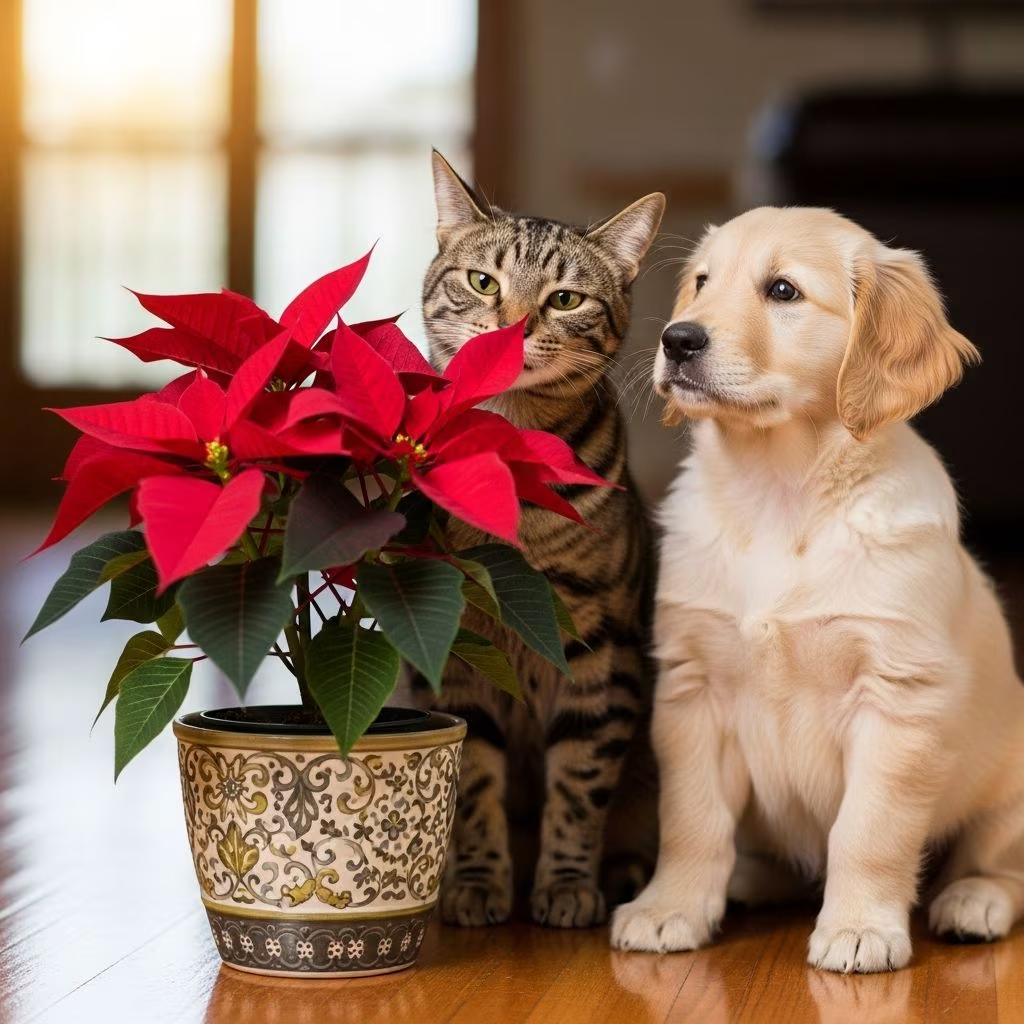
Are Poinsettias Poisonous to Cats and Dogs?
The holiday season brings festive decorations into our homes, and poinsettias are among the most popular choices. With their vibrant red and green foliage, these plants add a festive touch to any space. However, if you’re a pet owner, you may wonder whether these beautiful plants pose a risk to your beloved cats and dogs. The good news is that poinsettias are mildly toxic to both cats and dogs, meaning that while they warrant caution, they rarely cause serious or fatal health issues.
Understanding the actual level of toxicity and knowing how to respond if your pet encounters a poinsettia is essential for every pet owner who wants to maintain a safe holiday environment. This comprehensive guide will explore the facts about poinsettia toxicity, the symptoms to watch for, and practical steps you can take to protect your furry companions.
Understanding Poinsettia Toxicity
Poinsettias (scientific name: Euphorbia pulcherrima) contain a milky white sap that is responsible for their toxic properties. This sap is found throughout the plant—in the leaves, stems, and flowers—and contains specific chemical compounds that can irritate your pet’s digestive system and skin.
What Makes Poinsettias Toxic?
The primary toxic compounds in poinsettias are called diterpenoid euphorbol esters and saponin-like detergents. These are the same types of chemicals found in common household cleaners. When your pet ingests these compounds or comes into contact with them through their skin, they can experience irritation and discomfort.
It’s important to note that the toxicity of poinsettias has often been greatly exaggerated. The actual risk posed by these plants is relatively low, and severe poisoning cases are extremely rare. The myth that poinsettias are deadly likely stems from their association with the Euphorbia family, which includes other, more toxic plant relatives.
Toxicity Comparison: Cats vs. Dogs
Both cats and dogs are susceptible to poinsettia toxicity, though the severity and types of symptoms may vary slightly between species. Cats, being more curious and prone to nibbling on plants, may be at slightly higher risk of ingestion. However, both species typically experience similar mild to moderate symptoms when exposed to poinsettia sap.
Symptoms of Poinsettia Poisoning in Cats
If your cat has ingested part of a poinsettia plant or come into contact with its sap, watch for the following symptoms:
- Oral irritation: Drooling, difficulty swallowing, or lip smacking
- Gastrointestinal upset: Vomiting or diarrhea
- Skin irritation: Redness, swelling, or itching on paws or skin
- Eye discomfort: Redness, tearing, or pawing at the eyes if sap contacts the eyes
- Mild lethargy: Reduced activity or appetite in some cases
In most cases, these symptoms are mild and resolve within a few hours to a day without medical intervention. However, if your cat exhibits persistent vomiting, diarrhea lasting longer than 24 hours, or blood in vomit or stool, contact your veterinarian immediately.
Symptoms of Poinsettia Poisoning in Dogs
Dogs may experience similar symptoms to cats when exposed to poinsettia toxins. Common signs of poinsettia ingestion in dogs include:
- Drooling: Excessive salivation due to oral irritation
- Vomiting: One of the most common symptoms
- Diarrhea: Gastrointestinal irritation may cause loose stools
- Skin irritation: Redness or irritation where the sap contacted the skin
- Eye irritation: Redness and tearing if sap gets in the eyes
- Lethargy: Reduced energy or willingness to play
- Loss of appetite: Decreased interest in food
Just as with cats, these symptoms are typically mild and temporary. However, if vomiting persists for more than 24 hours, if you observe blood in vomit or stool, or if your dog shows signs of severe dehydration or distress, seek veterinary care promptly.
What to Do if Your Pet Eats a Poinsettia
If you suspect or confirm that your cat or dog has ingested part of a poinsettia plant, follow these steps:
Immediate Actions
- Remove the plant: Place the poinsettia in a safe location where your pet cannot access it further
- Identify what was consumed: Try to determine which part of the plant (leaves, stem, or flower) your pet ingested and approximately how much
- Rinse affected areas: If your pet’s mouth, skin, or eyes have been exposed to the sap, gently rinse these areas with lukewarm water
- Monitor closely: Watch your pet for any signs of irritation or discomfort over the next 24 hours
When to Contact Your Veterinarian
While most poinsettia ingestions do not require medical treatment, you should contact your veterinarian if:
- Your pet vomits persistently for more than 24 hours
- You notice blood in vomit or stool
- Your pet shows signs of severe dehydration
- Diarrhea is accompanied by other concerning symptoms
- Your pet appears lethargic or in significant distress
- You’re uncertain about the amount ingested or severity of exposure
If you’re unsure whether your pet’s symptoms warrant veterinary attention, it’s always better to err on the side of caution and contact your vet for guidance.
Prevention: Keeping Your Pets Safe from Poinsettias
The safest approach to protecting your pets from poinsettia toxicity is prevention. Here are practical steps you can take:
Strategic Plant Placement
- Keep plants elevated: Place poinsettias on high shelves, mantels, or windowsills where your pets cannot reach them
- Use hanging baskets: Suspend poinsettias in hanging baskets away from curious pets
- Separate rooms: Keep poinsettias in rooms where your pets do not have access
- Secure with barriers: Use baby gates or pet barriers to prevent access to rooms containing poinsettias
Training and Supervision
- Train your pets: Use positive reinforcement to teach your cats and dogs to avoid houseplants
- Supervise closely: Never leave your pets unattended when decorations and plants are present in the home
- Provide alternatives: Offer safe toys and enrichment activities to distract from plants
Alternative Holiday Decorations
If you want to eliminate the risk entirely, consider these safe alternatives:
- Artificial poinsettias: Realistic-looking faux plants provide festive decoration without toxicity concerns
- Pet-safe plants: Consider non-toxic plants like Christmas cactus, spider plants, or Boston ferns
- Non-plant decorations: Use garlands, ribbons, lights, and ornaments to create a festive atmosphere
Other Holiday Plants to Avoid
While poinsettias are mildly toxic, several other popular holiday plants pose greater risks to your pets. Be aware of these alternatives:
| Plant | Toxicity Level | Symptoms in Pets |
|---|---|---|
| Lilies | Highly Toxic | Severe vomiting, diarrhea, kidney failure (especially in cats) |
| Mistletoe | Moderately Toxic | Gastrointestinal upset, difficulty breathing, cardiovascular issues |
| Holly | Mildly to Moderately Toxic | Vomiting, diarrhea, drooling, mouth irritation from spiny leaves |
| Amaryllis | Mildly Toxic | Vomiting, diarrhea, abdominal pain |
| Christmas Cactus | Non-Toxic | None (safe for pets) |
Creating a Pet-Safe Holiday Environment
Beyond managing poinsettias and other plants, create a comprehensive safe environment for your pets during the holiday season:
General Holiday Safety Tips
- Secure decorations: Ensure ornaments, lights, and tinsel are securely fastened and out of reach
- Keep toxic foods away: Ensure chocolate, grapes, raisins, onions, and xylitol-containing products are inaccessible
- Manage stress: Holiday activities can stress pets; maintain normal routines as much as possible
- Update ID tags: In case your pet escapes during holiday festivities, ensure current contact information
- Create a safe space: Provide a quiet retreat where your pet can escape holiday chaos
Frequently Asked Questions
Q: Are poinsettias fatal to dogs and cats?
A: No, poinsettias are rarely fatal to dogs and cats. While mildly toxic, the actual risk is very low, and deaths from poinsettia ingestion are extremely uncommon. Most cases result in mild, temporary symptoms.
Q: How much poinsettia is toxic to a dog or cat?
A: A single leaf or small amount of poinsettia is unlikely to cause serious harm. However, large quantities may cause more significant gastrointestinal upset. The toxicity is dose-dependent.
Q: Can poinsettia sap cause skin reactions in pets?
A: Yes, direct contact with poinsettia sap can cause skin irritation, redness, and swelling. If your pet’s skin comes into contact with sap, rinse the area gently with water.
Q: What should I do if my pet gets poinsettia sap in their eyes?
A: If poinsettia sap contacts your pet’s eyes, rinse gently with lukewarm water for several minutes. If irritation persists or your pet shows signs of discomfort, contact your veterinarian.
Q: Is it safe to have poinsettias in a home with dogs and cats?
A: Yes, poinsettias can be safely kept in homes with pets if proper precautions are taken, such as placing them out of reach and providing supervision. Alternatively, artificial poinsettias or non-toxic decorations are safer options.
Q: Can dried poinsettia leaves still cause toxicity?
A: Yes, even dried poinsettia leaves can cause the same symptoms as fresh leaves because the toxic compounds remain present even after the plant dries.
Q: How long do poinsettia poisoning symptoms last in pets?
A: Most symptoms resolve within a few hours to 24 hours without treatment. However, monitor your pet closely and contact a veterinarian if symptoms persist or worsen.
Q: Should I remove all poinsettias from my home if I have pets?
A: Not necessarily. With proper placement out of your pet’s reach and close supervision, poinsettias can coexist with pets. However, if you prefer complete peace of mind, artificial or non-toxic alternatives are available.
Conclusion
Poinsettias are mildly toxic to both cats and dogs, but the actual risk of serious harm is very low. The toxicity of these festive plants has been greatly exaggerated over the years, and with proper precautions, they can safely exist in homes with pets. By keeping poinsettias out of reach, supervising your pets closely, and knowing the symptoms of toxicity, you can enjoy these beautiful holiday plants while keeping your furry family members safe.
If you have concerns about your pet’s health or suspect that your cat or dog has ingested a poinsettia, don’t hesitate to contact your veterinarian. Remember, when in doubt, professional guidance is always the best course of action. With these safety measures in place, you can have a festive, pet-safe holiday season for the entire family.
References
- Are Poinsettias Toxic to Pets — American Kennel Club (AKC). 2024. https://www.akc.org/expert-advice/health/poinsettias-poisonous-dogs/
- Are Poinsettias Poisonous to Dogs? Signs to Look Out For — Purina US. 2024. https://www.purina.com/articles/dog/health/routine-care/are-poinsettias-toxic-to-dogs
- Poinsettia — Toxic and Non-Toxic Plants — ASPCA Animal Poison Control Center. 2024. https://www.aspca.org/pet-care/aspca-poison-control/toxic-and-non-toxic-plants/poinsettia
- Poinsettia Are Toxic To Pets — Pet Poison Helpline. 2024. https://www.petpoisonhelpline.com/poison/poinsettia/



