

Are Pine Needles Toxic to Cats?
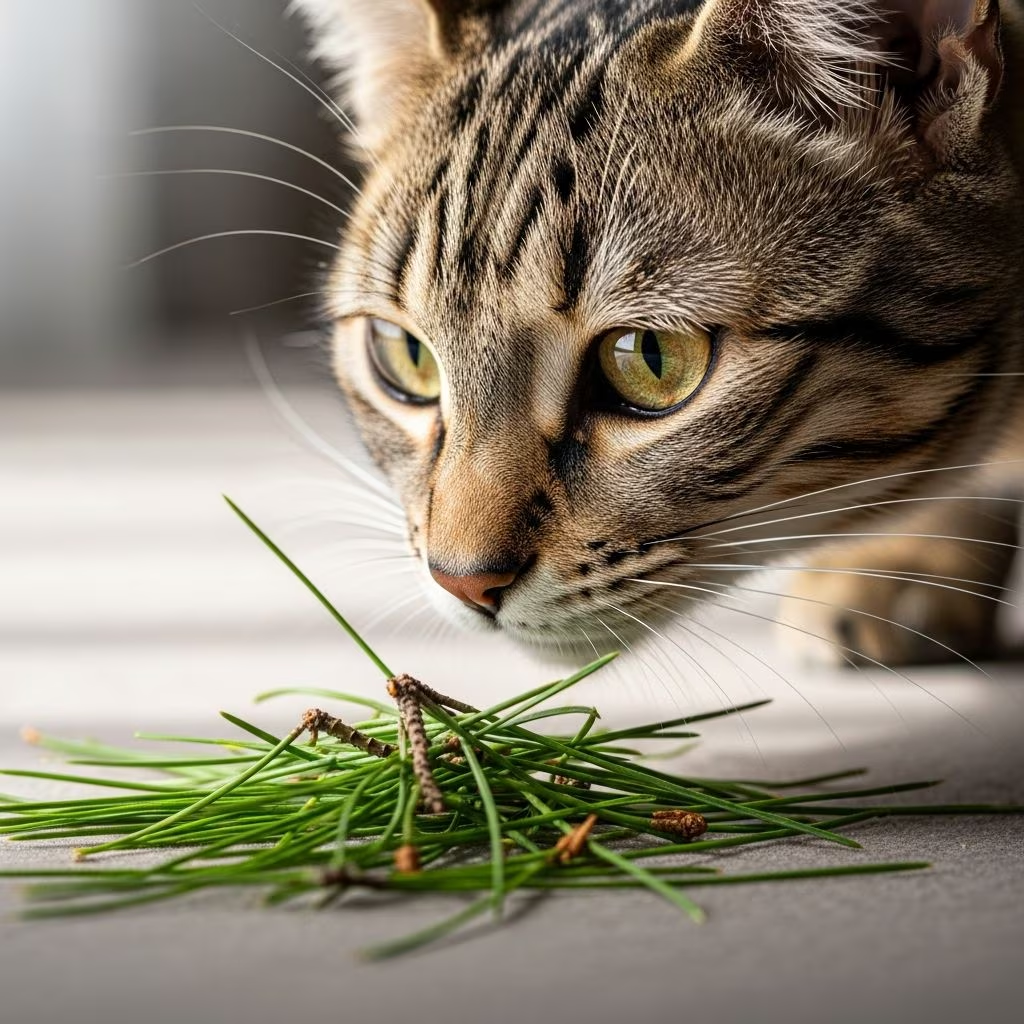
Yes, pine needles can be toxic to cats. While the toxicity level is generally low, ingesting pine needles can cause gastrointestinal issues in felines. In addition to being a choking hazard, pine needles contain a toxic oil that can cause gastrointestinal distress in cats. Understanding this risk is especially important during the holiday season when live Christmas trees are common in homes with curious pets.
Why Are Pine Needles Dangerous to Cats?
Pine needles pose multiple dangers to cats, ranging from chemical toxicity to physical injury. The primary concern involves the chemical composition of the needles themselves.
Pine Oil Toxicity
Pine needles contain pine oil, which is toxic to cats. Cats lack a specific enzyme in their liver that is necessary to metabolize this oil. This metabolic deficiency is the same reason why essential oils pose a significant danger to cats. The presence of pine oil in needles means that the danger extends beyond ingestion alone.
Diffused pine oil and pine oil that makes direct contact with a cat’s fur or skin can also be dangerous. This means that even if your cat doesn’t eat the needles, exposure to the oil through other means can still cause harm. Pet owners who use pine-scented products should be particularly cautious, as these can pose similar risks to live pine trees.
Physical Hazards
Beyond the chemical toxicity, pine needles present serious physical dangers to cats. The sharp needles can potentially cause physical injury to your cat’s mouth, throat, or intestines. These pointy needles are not easily broken down by digestion, which means they are both a choking hazard and an internal puncture hazard.
When a cat ingests pine needles, the sharp edges can irritate or puncture the lining of the stomach and intestines, leading to discomfort, vomiting, or more severe complications. In worst-case scenarios, this can lead to internal bleeding or obstruction of the digestive tract.
Severity on a Spectrum
The toxicity of pine needles exists on a spectrum. Larger quantities and higher concentrations are the most dangerous for your cat. A single needle accidentally ingested may cause minimal issues, while consumption of multiple needles or prolonged exposure increases the risk of serious complications.
Symptoms of Pine Needle Ingestion in Cats
If your cat has ingested pine needles, watch for these warning signs:
- Vomiting – One of the most common symptoms of pine needle ingestion
- Diarrhea – Indicates gastrointestinal distress
- Drooling – May suggest mouth irritation or nausea
- Abdominal pain – Your cat may seem uncomfortable or cry when touched
- Loss of appetite – A sign that something is wrong
- Lethargy – Unusual tiredness or lack of energy
- Tremors – Involuntary shaking, a sign of more serious toxicity
- Difficulty breathing or respiratory distress – A serious symptom requiring immediate attention
- Low body temperature – Hypothermia can indicate severe poisoning
- Low heart rate – Another sign of serious toxicity
- Ataxia – Wobbliness or unsteadiness in movement
- Pawing at the mouth – Indicates discomfort in the oral area
What Should You Do If Your Cat Eats Pine Needles?
If you witness or suspect your cat has eaten pine needles, it’s crucial to take appropriate action quickly.
Immediate Steps
Stay calm and reach out to your veterinarian immediately. When your cat has eaten something toxic, never wait to call your vet or poison control hotline. The sooner you seek professional help, the better the outcome for your pet.
Provide your veterinarian with as much information as possible about the incident:
- When the ingestion occurred
- How many needles or how much of the tree your cat consumed
- Whether the tree has been treated with pesticides or fertilizers
- Any symptoms you’ve already observed
Diagnostic Process
If your cat has access to pine needles or you think they might have ingested some after interacting with a Christmas tree, inform your veterinary staff so they can include it on the list of possible causes for your cat’s symptoms. Your veterinarian will likely conduct a physical examination and may recommend additional diagnostics such as blood tests or imaging to assess for internal injuries.
Treatment Options
Most likely, your vet will have you monitor for symptoms of pine oil poisoning. Cats showing mild symptoms may be managed at home with careful observation. However, cats who are showing persistent gastrointestinal symptoms could need help with their nausea or other issues. This could mean they require:
- Intravenous fluids to prevent dehydration
- Anti-nausea medications
- Pain management medications
- Antibiotics if infection is a concern
Cats showing severe symptoms may need to be hospitalized for intensive care and monitoring. More serious cases of pine oil poisoning, usually as a result of larger amounts ingested, can result in liver failure or sepsis.
Other Toxic Holiday Plants for Cats
Pine needles aren’t the only holiday plant you need to worry about. Several other festive plants are more toxic to cats than pine needles:
Holly and Mistletoe
Some other holiday plants, like holly and mistletoe, can be significantly more toxic to cats than pine needles. These plants and their berries can cause gastrointestinal, neurological, and cardiovascular issues in cats. It’s essential to be cautious and keep all potentially toxic plants out of reach of your curious feline friends. If possible, avoid keeping them in your home entirely.
Poinsettias
While often cited as toxic, poinsettias typically cause only mild gastrointestinal upset. However, it’s still best to keep them away from cats.
Other Holiday Hazards
Beyond plants, remember that Christmas tree water can be dangerous. The water in your Christmas tree stand can be a breeding ground for bacteria, molds, and fertilizers. These can cause stomach upset if ingested by your cat. Always cover your tree stand to prevent pets from drinking the water.
Protecting Your Cat During the Holiday Season
Prevention is the best approach to keeping your cat safe during the holidays:
- Secure your tree: Ensure your Christmas tree is stable and cannot be easily knocked over by a curious cat
- Limit access: Consider placing your tree in a room where your cat spends less time, or use a baby gate to restrict access
- Regular cleaning: Sweep or vacuum around your tree frequently to remove fallen needles
- Cover tree water: Always cover the tree stand to prevent your cat from drinking potentially contaminated water
- Avoid toxic decorations: Skip holly, mistletoe, and poinsettias if you have cats
- Skip pine-scented products: Avoid using pine-scented candles, diffusers, or air fresheners
- Supervise interactions: Monitor your cat’s behavior around the tree
- Choose alternatives: Consider using an artificial tree if live trees pose too much risk for your household
Bottom Line: Are Pine Needles Poisonous to Cats?
Pine needles are mildly toxic to cats, in addition to being a choking and intestinal hazard. However, it’s important not to panic if your cat ingests pine needles. Most common manifestations of pine needle toxicity include gastrointestinal distress with symptoms such as vomiting, diarrhea, drooling, and lack of appetite.
The key is to act quickly if you suspect your cat has eaten pine needles. Contact your veterinarian or an emergency animal clinic right away. They will provide guidance on the best course of action, which may include monitoring your cat for symptoms or bringing them in for an examination. Don’t wait for symptoms to manifest before seeking medical attention, as early intervention can prevent serious complications.
Frequently Asked Questions
Q: Can cats eat pine needles?
A: No, cats should not eat pine needles. Pine needles contain pine oil, an essential oil that is toxic to cats. They should be kept away from cats at all times.
Q: Are pine needles safe for cats?
A: Pine needles are not safe for cats. However, their toxicity exists on a spectrum. The more your cat eats, the more likely they are to have an adverse reaction. Even small amounts can cause discomfort.
Q: What happens if a cat eats a small amount of pine needles?
A: If only a small amount is ingested, your cat may experience mild gastrointestinal upset such as vomiting or diarrhea. However, you should still contact your veterinarian for guidance.
Q: Are artificial pine needles safe for cats?
A: No, artificial pine needles can also be dangerous. They can still lead to esophageal and gastrointestinal irritation and potentially cause blockages or perforations if ingested.
Q: How quickly do symptoms of pine needle poisoning appear?
A: Symptoms can appear within hours of ingestion, though some may develop more slowly. Contact your veterinarian immediately if you suspect your cat has eaten pine needles, even if symptoms haven’t appeared yet.
Q: What should I do if my cat touched or played with pine needles?
A: If your cat only touched pine needles without ingesting them, the risk is lower. However, monitor your cat for any signs of discomfort, and wash its paws and fur to remove any oils. Contact your vet if you notice any symptoms.
Q: Can I use a real Christmas tree if I have a cat?
A: You can use a real Christmas tree, but you must take precautions. Secure the tree firmly, cover the water stand, regularly sweep up fallen needles, and supervise your cat’s access to the tree.
References
- Are Pine Needles Toxic to My Cat? — Kinship. Accessed January 14, 2026. https://www.kinship.com/cat-health/are-pine-needles-toxic-to-cats
- Can Cats Eat Pine Needles? — Frontier Veterinary Urgent Care. Accessed January 14, 2026. https://frontierveturgentcare.com/blog/cats-eat-pine-needles/
- Can Pine Tree Needles Harm My Pet? — North Churton Animal Hospital. Accessed January 14, 2026. https://northchurtonanimalhospital.com/can-pine-tree-needles-harm-my-pet/
- Holiday Pet Dangers — Drummond Animal Hospital. Accessed January 14, 2026. https://www.drummondanimalhospital.com/holiday-pet-dangers
- Poisonous Holiday Plants to Your Cat — Hill’s Pet Nutrition. Accessed January 14, 2026. https://www.hillspet.com/cat-care/healthcare/holiday-plants-dangerous-for-cats



