

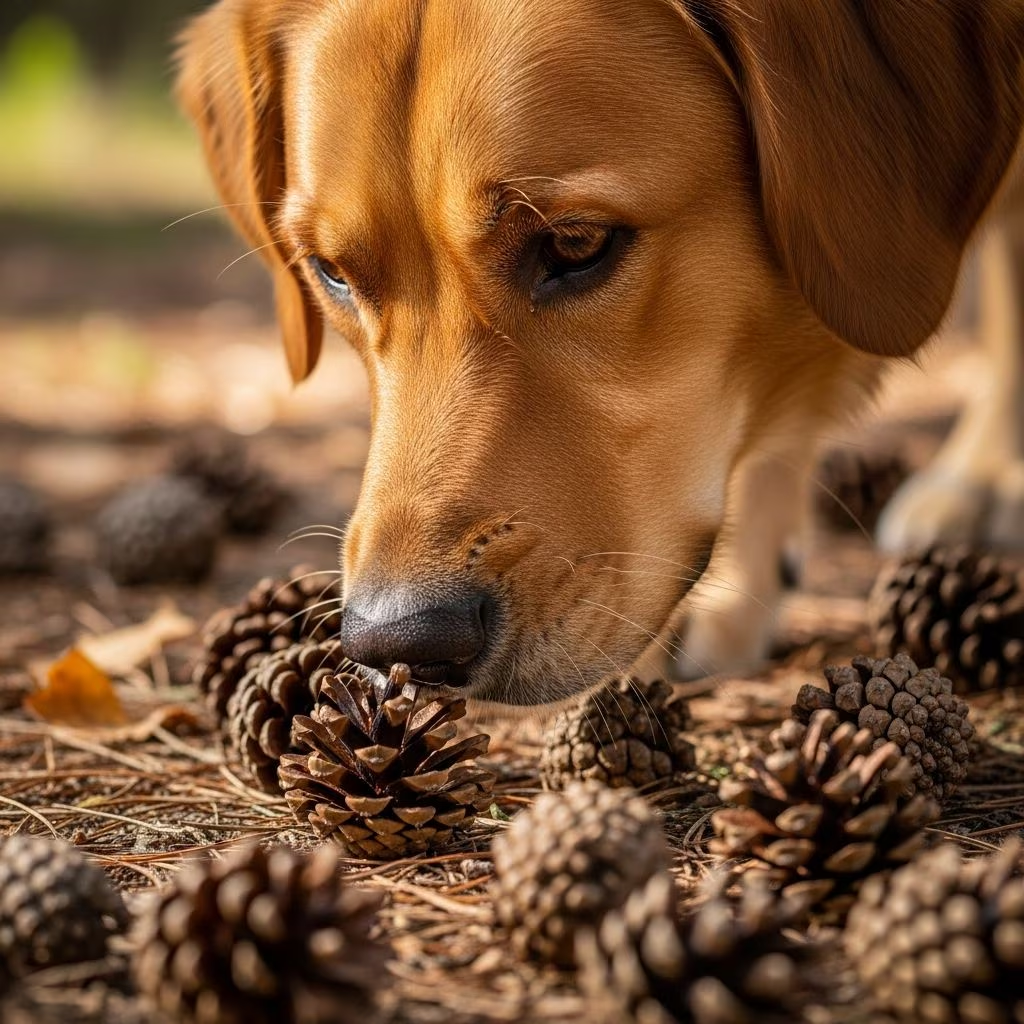
Are Pine Cones Dangerous for Dogs?
Pine cones are a common hazard that dog owners may not immediately recognize as dangerous. While your dog explores parks, forests, and neighborhoods, they may encounter fallen pine cones and feel tempted to chew or swallow them. Although pine cones themselves are not toxic, they pose significant health risks to canine companions. Understanding these dangers is essential for keeping your pet safe during outdoor adventures.
Are Pine Cones Toxic to Dogs?
A common misconception is that if something isn’t toxic, it’s safe for dogs to eat. This is not the case with pine cones. Pine cones are not toxic to dogs, but this does not mean they are safe. The danger lies not in poison or toxicity, but in the physical properties of the cone itself. Pine cones are large, rough-textured objects that can cause serious physical harm when ingested. The real threat comes from what happens when a dog swallows a pine cone or pieces of it.
Why Are Pine Cones Dangerous to Dogs?
Dogs have incredibly powerful senses of smell—approximately 300 million olfactory receptors compared to humans’ six million. This heightened sense means pine cones are particularly attractive to dogs because they can smell them long before they see them. Unfortunately, what smells interesting to a dog can be hazardous.
Physical Obstruction Risks
The primary danger of pine cones is their potential to cause intestinal blockages. When a dog swallows a pine cone, the object may become lodged in the stomach or intestines and refuse to move through the digestive system naturally. Intestinal blockages are extremely dangerous and often require surgical intervention to resolve. Without prompt veterinary treatment, a blocked intestine can lead to life-threatening complications.
Choking and Throat Damage
Pine cones can splinter easily, creating sharp fragments that may cause injury to a dog’s mouth, throat, lips, tongue, and esophagus. These splinters pose a significant choking hazard, particularly for smaller dogs or puppies. Additionally, the rough texture of pine cones can cause internal cuts and irritation as they pass through the digestive tract.
Health Problems Associated with Pine Cone Ingestion
Dogs who consume pine cones or pieces of them may experience a range of health complications beyond simple blockages. Understanding these potential side effects helps dog owners recognize when their pet needs immediate veterinary care.
Gastrointestinal Issues
One of the most common problems dogs face after eating pine cones is gastrointestinal distress. Dogs may experience:
- Stomach upset and discomfort
- Nausea and vomiting
- Diarrhea
- Constipation, as the rough material moves slowly through the digestive system
- Abdominal pain and bloating
Chemical Exposure
Pine cones may have been treated with pesticides or contain pine oil and sap, which can cause stomach issues and potentially affect the nervous system. Additionally, if pine cones have been used in mulch or landscaping, they may contain additional chemical treatments designed to preserve them.
Serious Complications
In severe cases, pine cone ingestion can lead to more critical health consequences. Some dogs may experience allergic reactions, nervous system depression, or respiratory difficulty if the pine cone impacts their breathing. The severity of symptoms depends on the size of the pine cone consumed, the dog’s size, and how quickly the owner seeks veterinary care.
What Should You Do If Your Dog Eats a Pine Cone?
If you suspect or know that your dog has swallowed a pine cone, prompt action is crucial. Your approach should depend on the circumstances and your dog’s condition.
Contact Your Veterinarian Immediately
Your veterinarian should be your first point of contact if you suspect your dog has ingested a pine cone. Never attempt to induce vomiting without explicit guidance from your vet, as this can cause additional damage if sharp fragments are involved or if the pine cone is lodged in the esophagus. Your veterinarian will examine your dog and determine the best course of action based on factors such as:
- The size of the pine cone or fragments consumed
- Your dog’s size and age
- How recently the ingestion occurred
- Any symptoms your dog is displaying
Monitoring and Medical Management
Depending on the situation, your vet may recommend simply monitoring your dog over a period of time. Many dogs do naturally vomit up the pine cone or pass it through their feces without complication. However, this is not guaranteed, and what seems fine initially can develop into a serious problem.
Surgical Intervention
If an intestinal blockage develops or is confirmed through imaging, your dog will require surgery. The procedure may involve removal of the obstruction (enterotomy) or, in severe cases where the intestinal tissue is damaged, resection and anastomosis. Any surgery carries anesthetic risks, and the surgical site poses risks of infection or leakage during recovery. The cost of these procedures can be substantial, making prevention far preferable to treatment.
How to Prevent Pine Cone Ingestion
The best approach to pine cone-related health issues is prevention. By taking proactive steps, you can significantly reduce the risk of your dog encountering and consuming pine cones.
Training Commands
Teaching your dog reliable obedience commands is one of the most effective prevention strategies. Invest time in training your dog to respond to:
- “Leave it” — useful when you see your dog approaching a pine cone
- “Drop it” — essential if your dog already has a pine cone in their mouth
These commands can be practiced with high-value treats and rewards to ensure your dog responds consistently, even in exciting outdoor environments.
Environmental Management
Remove pine cones from areas where your dog spends time. If you have pine trees in your yard, regularly sweep up fallen cones. Be aware that pine cones are also used in mulch products, so check landscaping materials around your home and garden. During autumn months (September through December), when pine cones naturally fall from trees, be especially vigilant.
Vigilant Walking Practices
When walking your dog:
- Stay focused on your dog rather than checking your phone or talking to others
- Use a shorter leash in areas where pine cones are abundant
- During nighttime walks, use a flashlight or head light to monitor what your dog is approaching
- Carry high-value treats or a favorite toy to redirect your dog’s attention away from tempting objects
Craft and Home Safety
If your children bring home pine cone crafts from school or you use pine cones for seasonal decorations, keep them securely away from your dog. Store these items in closed cabinets or rooms where your dog cannot access them.
Related Forest and Park Hazards
Pine cones are not the only natural items that pose risks to dogs during outdoor adventures. Understanding other common hazards can help you protect your dog more comprehensively.
Acorns
While pine cones are not toxic, acorns are genuinely dangerous because they contain tannic acid. This compound can cause gastrointestinal upset, diarrhea, and vomiting. In severe cases, excessive tannic acid consumption can lead to kidney and liver failure. Additionally, acorns are hard and sharp, creating the same blockage and choking risks as pine cones.
Horse Chestnuts
Horse chestnuts (conkers) contain aesculin, a compound poisonous to dogs. No part of a horse chestnut tree is safe, including the leaves, seeds, bark, and flowers. Dogs poisoned by horse chestnuts may exhibit vomiting, stomach pain, appetite loss, and restlessness. These nuts also pose intestinal obstruction risks similar to pine cones.
Safe Alternatives
If your dog enjoys chewing on natural items, offer safe alternatives such as:
- Crunchy vegetables like celery, green beans, or carrots in small amounts
- Dog-safe chew toys designed to satisfy the urge to crunch
- Appropriate dog treats that mimic the texture of natural items
When to Seek Emergency Veterinary Care
Certain symptoms indicate your dog needs immediate emergency veterinary attention after pine cone ingestion:
- Persistent vomiting or inability to keep food down
- Severe abdominal pain or distension
- Loss of appetite lasting more than a few hours
- Lethargy or unusual behavior
- Difficulty breathing or choking
- Signs of bleeding in vomit or feces
- Inability to defecate despite straining
Keep your veterinarian’s contact information and local emergency veterinary clinic numbers readily available. Don’t hesitate to call for guidance—it’s always better to err on the side of caution with potential ingestion emergencies.
Frequently Asked Questions
Q: Can pine needles also harm dogs?
A: Yes, pine needles from both wild pine trees and Christmas trees can cause the same problems as pine cones, including splintering of the mouth and throat, choking hazards, and intestinal blockages. Keep your dog away from pine needles as well.
Q: If my dog ate a pine cone and seems fine, should I still contact a vet?
A: Yes, contact your veterinarian even if your dog appears normal. Blockages don’t always cause immediate symptoms, and early veterinary evaluation can help prevent serious complications.
Q: How long does it take for pine cone blockage symptoms to appear?
A: Symptoms can appear within hours or may develop over several days. This is why veterinary monitoring is important even if your dog initially seems unaffected.
Q: Are smaller pine cones safer than larger ones?
A: Smaller pine cones are still dangerous. Even small fragments can cause blockages, choking, or internal damage, particularly in small breed dogs or puppies.
Q: Can I prevent my dog from being attracted to pine cones?
A: While you cannot eliminate a dog’s natural curiosity, consistent training with “leave it” and “drop it” commands, combined with vigilant supervision and environmental management, significantly reduces the risk of ingestion.
References
- Can Dogs Eat Pine Cones? Vet-Verified Facts, Risks & What to Do — Dogster. 2024. https://www.dogster.com/dog-nutrition/can-dogs-eat-pine-cones
- Can Dogs Eat Pine Cones? — Fidose of Reality. https://fidoseofreality.com/can-dogs-eat-pine-cones/
- Acorns are toxic to your dog. Please beware during forest walks! — VetSend UK. https://www.vetsend.co.uk/acorns-toxic-dog
- Fall and Winter Plants that May Pose Hidden Health Risks to Your Dog — Wag Walking. https://wagwalking.com/wellness/fall-and-winter-plants-that-may-pose-hidden-health-risks-to-your-dog



