

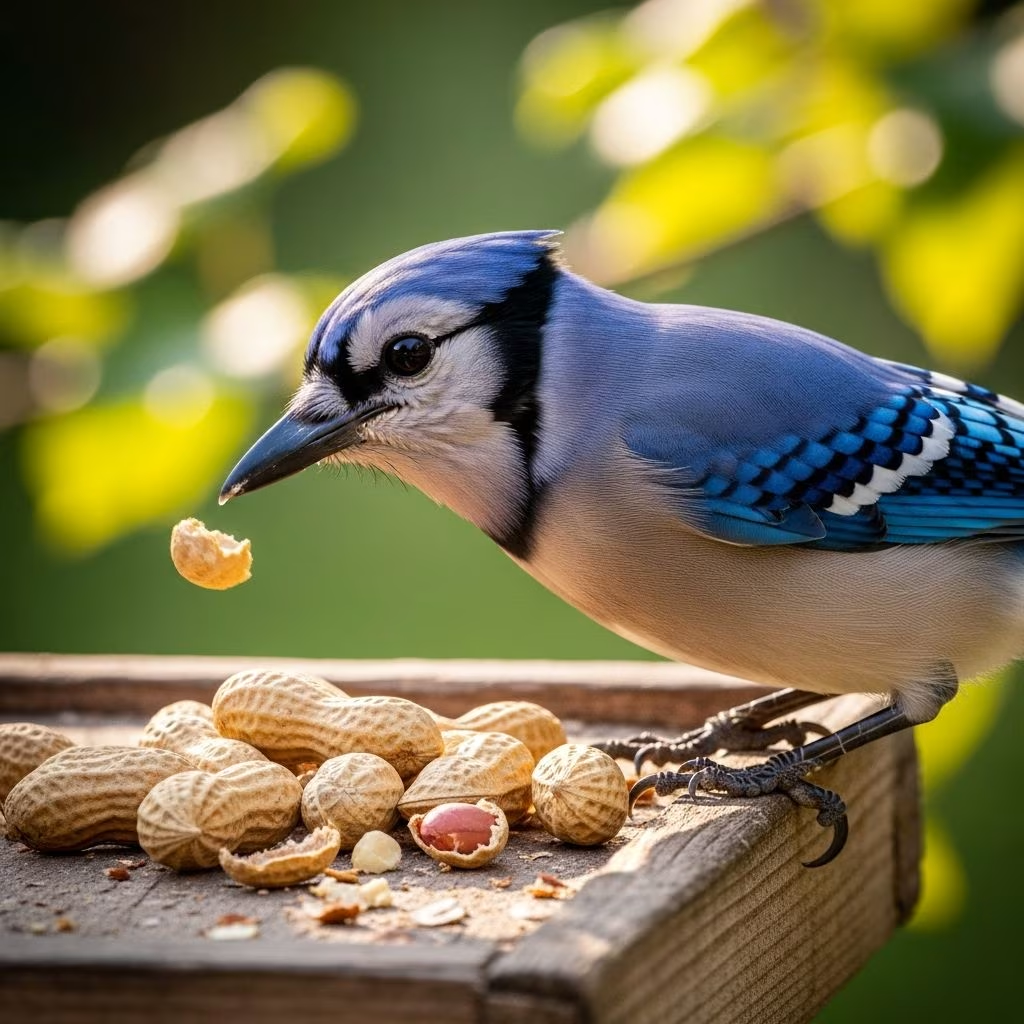
Are Peanuts Safe For Birds?
Peanuts are a popular and nutrient-dense treat that many bird enthusiasts consider adding to their feathered companions’ diet. However, the question of whether peanuts are truly safe for birds requires a nuanced understanding of the risks and benefits involved. While peanuts do offer significant nutritional advantages, they also come with potential hazards that bird owners must carefully manage. Understanding these factors is essential for making informed decisions about incorporating peanuts into your bird’s feeding routine.
Understanding Aflatoxin Contamination
The primary concern when feeding peanuts to birds is aflatoxin contamination. Aflatoxin is a potent liver toxin produced by the mold Aspergillus flavus, which grows on peanuts during cultivation and storage. Birds are exquisitely susceptible to the toxic effects of aflatoxin, making this concern particularly serious for avian health. The danger escalates when peanuts are stored improperly in warm, damp, and dark conditions, which promote rapid mold growth.
The historical significance of this issue cannot be overlooked. In England, many turkeys died from aflatoxicosis after consuming contaminated corn, a syndrome that was referred to as “Turkey X” disease. To this day, veterinarians and bird experts document cases of pet birds dying after eating moldy peanuts and grains. Additionally, birds can develop liver cancer from prolonged exposure to low levels of mold contamination over extended periods.
Nutritional Benefits of Peanuts for Birds
Despite the aflatoxin concern, peanuts offer substantial nutritional benefits when sourced and stored properly. Peanuts are an excellent protein source and contain vitamin E and healthy fats that support bird health and development. They are particularly high in fat content, making them an ideal energy source during cold months when birds need extra calories to maintain body temperature. Many bird species naturally cache peanuts, storing them away for future consumption during scarce food periods.
The nutritional profile of peanuts includes essential minerals such as calcium and phosphorus, which are vital for bone health and overall development in birds. These nutrients make peanuts a valuable supplement to a bird’s regular diet when quality and safety standards are maintained.
Selecting High-Quality Peanut Products
The key to safely feeding peanuts to birds lies in selecting the highest-quality products available. Experts recommend purchasing peanut products intended for human consumption, as these undergo rigorous testing and quality control measures. Commercial food producers test peanuts for aflatoxin levels to ensure their products remain safely below USDA-permissible standards.
When shopping for bird peanuts, always look for unsweetened and unsalted options. Seasoned, salted, or sweetened peanuts can be toxic to birds and should never be offered under any circumstances. Additionally, avoid any peanut products that show signs of discoloration, unusual smell, or visible mold growth.
Storage Guidelines for Bird Peanuts
Proper storage is absolutely critical in preventing aflatoxin development. Keep peanuts sealed in their original bags or airtight containers and store them in cool, dry conditions away from moisture and humidity. Warm, humid climates present particular challenges for peanut storage, requiring extra vigilance and careful maintenance.
Only put out a few peanuts at a time for your birds, offering only what they can consume over a couple of days. This practice prevents peanuts from becoming stale or developing mold while sitting in feeders. Regularly inspect your peanut supply and immediately replace any spoiled nuts to maintain food freshness and safety. If you notice any signs of deterioration or suspect mold contamination, discard the entire batch and start fresh.
Roasted Versus Raw Peanuts
A common question among bird owners concerns whether roasted or raw peanuts are safer for avian consumption. The consensus among ornithologists and bird nutrition experts is that while there is no scientific documentation proving raw peanuts are harmful to wild birds, roasted peanuts are the safer choice. This is because roasting can reduce certain antinutritional factors, though it’s important to note that roasting does not destroy aflatoxin.
If you have raw peanuts and prefer to roast them yourself, place them in an oven at approximately 350 degrees Fahrenheit for about 15 minutes. However, when possible, use commercially roasted peanuts intended for human consumption, as they have been processed under controlled conditions and tested for safety standards.
Shelled Versus Unshelled Peanuts
Another consideration when feeding peanuts to birds is whether to offer them in their shells or shelled. Most birds can actually shell peanuts fairly easily, and serving either way is generally acceptable. However, the choice may depend on the bird species you are feeding and their individual capabilities.
Larger birds such as jays, jackdaws, crows, and magpies can handle and enjoy whole peanuts in their shells, as they have the strength and skill to crack them open efficiently. The process of opening the shell provides them with enrichment and mental stimulation. Smaller birds like robins, dunnocks, wrens, and sparrows may struggle with shelled peanuts and prefer crushed or grated varieties that they can consume more easily without risk of choking or injury.
Bird Feeders and Safety Considerations
Using appropriate feeders can enhance the safety and enjoyment of peanut feeding. Peanut bird feeders specifically designed for this purpose allow birds to peck at peanuts while minimizing choking risks. Guardian bird feeders are particularly useful for protecting smaller bird species from intimidation by larger birds while they feed, creating a more equitable feeding environment.
Squirrel-proof feeders can be effective if your goal is to feed smaller birds while keeping larger species at bay. However, keep in mind that squirrels are also attracted to peanuts, so proper feeder placement and design are important considerations in your feeding setup.
Peanut Butter for Birds
Peanut butter can be a safe alternative to whole peanuts when certain precautions are taken. Both smooth and crunchy peanut butter can be fed to birds, provided they are free from additives such as salt or sugar. Always check the ingredient list carefully and avoid brands that contain hydrogenated oils or other potentially harmful additives.
Rancid peanut butter should never be fed to birds, as it can be toxic. Store peanut butter in cool conditions and replace it regularly if offering it as a supplemental treat. Some experts suggest that peanut butter on whole-grain bread offers a complete and nutritious option for occasional feeding.
Alternative Nut Options
While peanuts can be part of a bird’s diet, experts suggest considering other nuts such as almonds and nut butters as potentially preferable alternatives. These options offer similar nutritional benefits while potentially reducing certain risks associated with peanut consumption. The same storage and safety conditions apply to other nuts and nut butters as they do to peanuts, so careful attention to quality and proper storage remains essential regardless of which nut variety you choose.
Which Birds Eat Peanuts?
A wide variety of bird species enjoy peanuts when they are made available. Common garden birds that readily consume peanuts include wrens, great tits, blue tits, woodpeckers, jays, doves, and crows. In fact, some species such as nuthatches and coal tits have evolved sophisticated behaviors around peanuts, caching and hiding them to store for consumption during periods of food scarcity.
If you leave peanuts out for birds in your garden, ensure they are placed well out of reach for other creatures, as squirrels and other mammals will also eat them. This both protects your bird food from being depleted and prevents unwanted wildlife from becoming overly dependent on supplemental feeding.
Sourcing Peanuts From Reputable Suppliers
To minimize the risk of aflatoxin contamination, it is crucial to source peanuts from reputable suppliers who test and guarantee their products are safe for bird consumption. Reputable suppliers ensure careful guidelines are maintained at each step of production to keep mold growth minimal. Some suppliers specifically test their peanuts to ensure nil detectable aflatoxin levels, providing complete transparency about the safety of their products.
When evaluating suppliers, look for those who explain their sourcing practices, testing procedures, and storage conditions. This information demonstrates a commitment to bird safety and quality standards that should give you confidence in their products.
Frequency and Moderation in Peanut Feeding
While peanuts offer excellent nutrition, they should be fed in moderation as part of a balanced diet rather than as a primary food source. Experts recommend offering peanuts as occasional snacks or treats rather than daily staples. This approach allows birds to benefit from the nutritional advantages of peanuts while minimizing potential risks from repeated exposure to lower-quality products or improper storage conditions.
Feeder Maintenance and Hygiene
Maintaining clean feeders is essential when offering peanuts or any bird food. You should clean your bird feeders at least once every two weeks, and more frequently during peak feeding times. Regular cleaning helps prevent the growth of mold and bacteria that could compromise food safety and bird health. Remove any uneaten peanuts at the end of each day to prevent spoilage and contamination.
Frequently Asked Questions
Q: Can I feed salted or flavored peanuts to birds?
A: No, you should never feed birds salted or flavored peanuts, as they can be harmful to their health. Always purchase plain, unsalted peanuts specifically intended for bird consumption. Seasoned peanuts contain additives that can be toxic to birds.
Q: Are peanuts safe for all bird species?
A: Yes, peanuts are generally safe for most bird species when offered appropriately. However, they should be presented in ways that prevent choking hazards, especially for smaller birds. Smaller species may benefit from shelled or crushed peanuts, while larger birds can handle whole peanuts in shells.
Q: How often should I offer peanuts to my bird?
A: Peanuts should be offered as occasional treats rather than daily staples. Providing a few peanuts several times per week as part of a varied diet is generally appropriate. Always prioritize high-quality products and proper storage to minimize aflatoxin risks.
Q: What should I do if I suspect my bird has eaten moldy peanuts?
A: Contact your veterinarian immediately if you suspect your bird has consumed moldy peanuts. Aflatoxin poisoning can cause serious liver damage and other health complications. Prompt veterinary attention may help identify and address any health issues before they become severe.
Q: Can I make my own peanut treats for birds?
A: Yes, you can create simple peanut treats at home using high-quality, unsalted peanuts and whole-grain ingredients. However, ensure all components are fresh, properly stored, and free from mold or contamination. Homemade treats should be prepared fresh and stored carefully to maintain safety.
References
- Which Birds Eat Peanuts & Are Peanuts Good For Birds? — Ark Wildlife. 2024. https://www.arkwildlife.co.uk/blogs/articles/peanuts-for-birds
- Feeding Peanuts to Birds, Top 10 Tips and Advice — BeakyBites. 2024. https://www.beakybites.co.uk/blog/feeding-peanuts-to-birds-top-10-tips-and-advice
- Are raw peanuts safe for birds and squirrels? — Wild Birds Unlimited. 2024. https://athens.wbu.com/peanuts-birds-roasted-raw
- Are Peanuts Safe For Birds? — Chewy Editorial. 2024. https://www.chewy.com/education/bird/general/are-peanuts-safe-for-birds



