

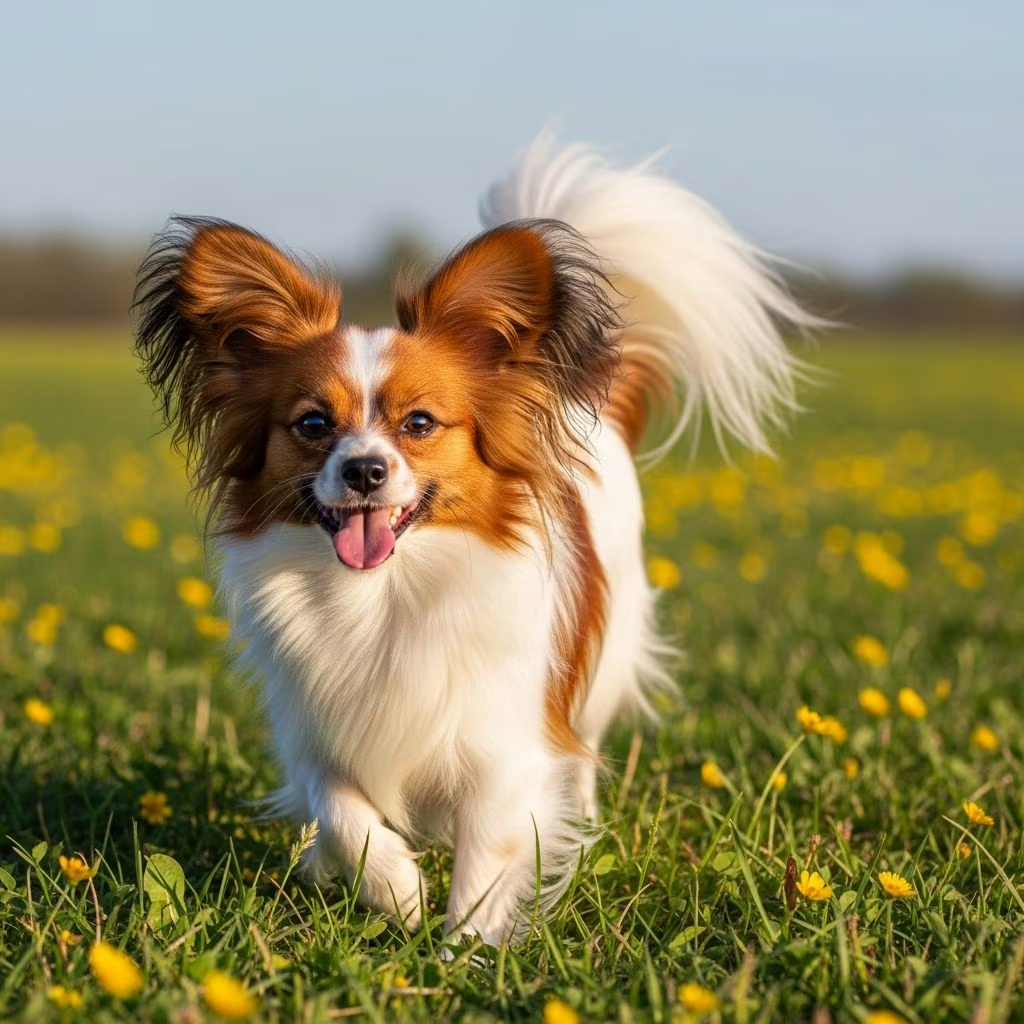
The Papillon, with its distinctive butterfly-like ears and elegant silhouette, captivates dog lovers worldwide. Named after the French word for butterfly, this toy breed combines grace with boundless energy. But for those with allergies, a key question arises: can Papillons be suitable companions? Unlike breeds like Poodles or Bichons, which are often touted as hypoallergenic, Papillons present a more nuanced picture due to their coat characteristics and shedding tendencies.
Understanding Hypoallergenic Dogs
Hypoallergenic dogs are those that produce fewer allergens, making them better tolerated by people sensitive to pet dander, saliva, or urine proteins. No dog is completely allergen-free, but certain breeds minimize reactions through traits like hair instead of fur, minimal shedding, or single coats that trap dander. Papillons, while not classified as hypoallergenic by major kennel clubs, merit closer examination for allergy sufferers considering their unique coat profile.
Allergies stem primarily from Fel d 1-like proteins in canine dander and saliva, which adhere to shed hair. Breeds with continuous hair growth and little undercoat often fare better, as they shed less visibly and retain allergens closer to the skin for easier grooming.
Papillon Coat and Grooming Essentials
Papillons boast a single, silky, long coat without an undercoat, featuring abundant feathering on ears, chest, tail, and legs. Predominantly white with patches of black, lemon, red, or sable, the coat flows gracefully but requires regular maintenance. Unlike double-coated breeds, Papillons do not experience heavy seasonal shedding; instead, they have moderate, year-round loose hairs.
- Coat Length and Texture: Fine, straight, and silky, with longer fringes that enhance their butterfly appearance.
- Shedding Level: Light to moderate; hairs are fine and less pervasive than those from fluffier breeds.
- Grooming Frequency: Brush 2-3 times weekly to prevent mats and distribute natural oils.
Daily brushing during peak shedding periods reduces airborne allergens. Use a slicker brush or pin brush on the feathering, and a comb for tangles. Bathing every 4-6 weeks with a hypoallergenic shampoo keeps the coat clean without stripping oils. Professional grooming quarterly helps manage ear fringes and tail plumes.
How Much Do Papillons Really Shed?
Papillons shed minimally compared to many toy breeds, thanks to their single-layer coat. Fine hairs may appear on furniture or clothing, but they lack the volume of undercoat blowouts seen in breeds like Huskies. Owners report manageable shedding with consistent grooming, noting that loose hairs are easily captured during brushing.
| Breed Comparison | Shedding Level | Coat Type | Hypoallergenic Rating |
|---|---|---|---|
| Papillon | Low-Moderate | Single, silky long | Not officially |
| Poodle (Toy) | Very Low | Curly, dense | Yes |
| Shih Tzu | Low | Long, double | Moderate |
| Chihuahua | Moderate | Short, single | Not officially |
This table highlights Papillons’ position: better than heavy shedders but not elite hypoallergenic options. Factors like diet, health, and environment influence shedding; high-quality food with omega fatty acids promotes coat health and reduces loss.
Factors Influencing Allergen Production in Papillons
Beyond shedding, allergens lurk in saliva (from licking) and skin flakes. Papillons’ active lifestyle means more saliva spread, but their alert, non-nervous temperament reduces stress-induced dander. Sensitivity to cold may prompt more indoor time, concentrating allergens in living spaces.
Genetic variations exist; some Papillons produce less dander due to lineage. Early exposure testing—spending time with a Papillon—remains the best predictor for allergy compatibility.
Health Considerations Affecting Coat and Allergens
Papillons are hardy for toy dogs, living 13-16 years, but health issues can impact coat quality. Dental disease, common in small breeds, leads to more licking and saliva allergens. Patellar luxation or eye conditions may alter grooming routines. Regular vet check-ups, including dental cleanings, mitigate these.
- Common Issues: Progressive retinal atrophy, open fontanel, allergies (ironically, skin allergies in dogs increase their dander).
- Preventive Care: Balanced diet, flea prevention, and vaccinations to avoid skin irritations.
Living with a Papillon if You Have Allergies
For mild allergy sufferers, Papillons can work with proactive strategies. HEPA air filters, frequent vacuuming with pet-specific tools, and washing bedding weekly trap allergens. Keep the dog off furniture and bedrooms to limit exposure.
Designate grooming zones outdoors. Allergy medications like antihistamines or immunotherapy shots help many owners coexist happily. Trial periods with fostering reveal personal tolerance.
Comparing Papillons to True Hypoallergenic Breeds
While Papillons charm with intelligence and agility, hypoallergenic alternatives like Malteses or Yorkies offer even less shedding. Papillons excel in versatility—topping obedience and agility ranks per AKC stats—but prioritize fun over allergen control.
Families value Papillons’ compatibility with kids and pets when socialized, but allergy needs may tip scales toward low-shed options.
Grooming Routines to Minimize Allergens
Implement a weekly regimen:
- Brush thoroughly to remove loose hair.
- Wipe paws and coat post-walks with hypoallergenic wipes.
- Bathe as needed, followed by blow-drying to trap dander.
- Trim fringes monthly to reduce trapping debris.
Supplements like fish oil enhance skin barrier, curbing excessive flaking.
Papillon Temperament and Lifestyle Fit
Beyond allergies, Papillons demand engagement. Ranking 8th in intelligence per Dr. Stanley Coren, they thrive on training, agility, and therapy work. Outgoing and alert, they suit apartments but need daily walks and play. Their moderate barking alerts without excess.
Size (8-11 inches, 5-10 lbs) makes them portable; they adapt to travel and seniors.
Training Tips for Allergy Management
Teach commands like “paw” for easy wiping or “place” for off-limits zones. Positive reinforcement leverages their eagerness, reducing frustration-induced licking.
Nutrition for a Healthier Coat
Premium kibble with proteins, omega-3s, and probiotics supports coat integrity. Avoid fillers that provoke skin issues.
Frequently Asked Questions (FAQs)
Can Papillons trigger severe allergies?
They may for highly sensitive individuals due to moderate shedding and saliva, but many with mild allergies manage well.
How often should I groom a Papillon?
Brush 2-3 times weekly, bathe monthly, and trim as needed.
Are there low-shedding Papillon lines?
Variations exist, but no breed standard guarantees it; test individually.
Do Papillons smell?
No doggy odor with regular care; their coat resists matting.
Best for allergy families?
Consider with precautions; Poodles may suit better.
References
- Papillons: The Good, The Bad, The Ugly — Figo Pet Insurance. 2023. https://figopetinsurance.com/blog/get-to-know-papillon
- Dog Breed Profile: Papillon — MyWoof. 2024. https://mywoof.com/blogs/articles/dog-breed-profile-papillon
- 4 Fun Characteristics of the Papillon Dog Breed — American Kennel Club. 2023-01-15. https://www.akc.org/expert-advice/lifestyle/4-papillon-characteristics/
- Papillon dog — Wikipedia (referencing Coren). 2026. https://en.wikipedia.org/wiki/Papillon_dog
- Papillon Breed Standards — The Kennel Club. 2024. https://www.royalkennelclub.com/breed-standards/toy/papillon/
- The Papillon Dog Breed — Hill’s Pet Nutrition. 2025. https://www.hillspet.com/dog-care/dog-breeds/papillon
- Papillon Dog Breed Health and Care — PetMD. 2025-06-10. https://www.petmd.com/dog/breeds/papillon
- Papillon Dog Breed Information — American Kennel Club. 2026. https://www.akc.org/dog-breeds/papillon/



