

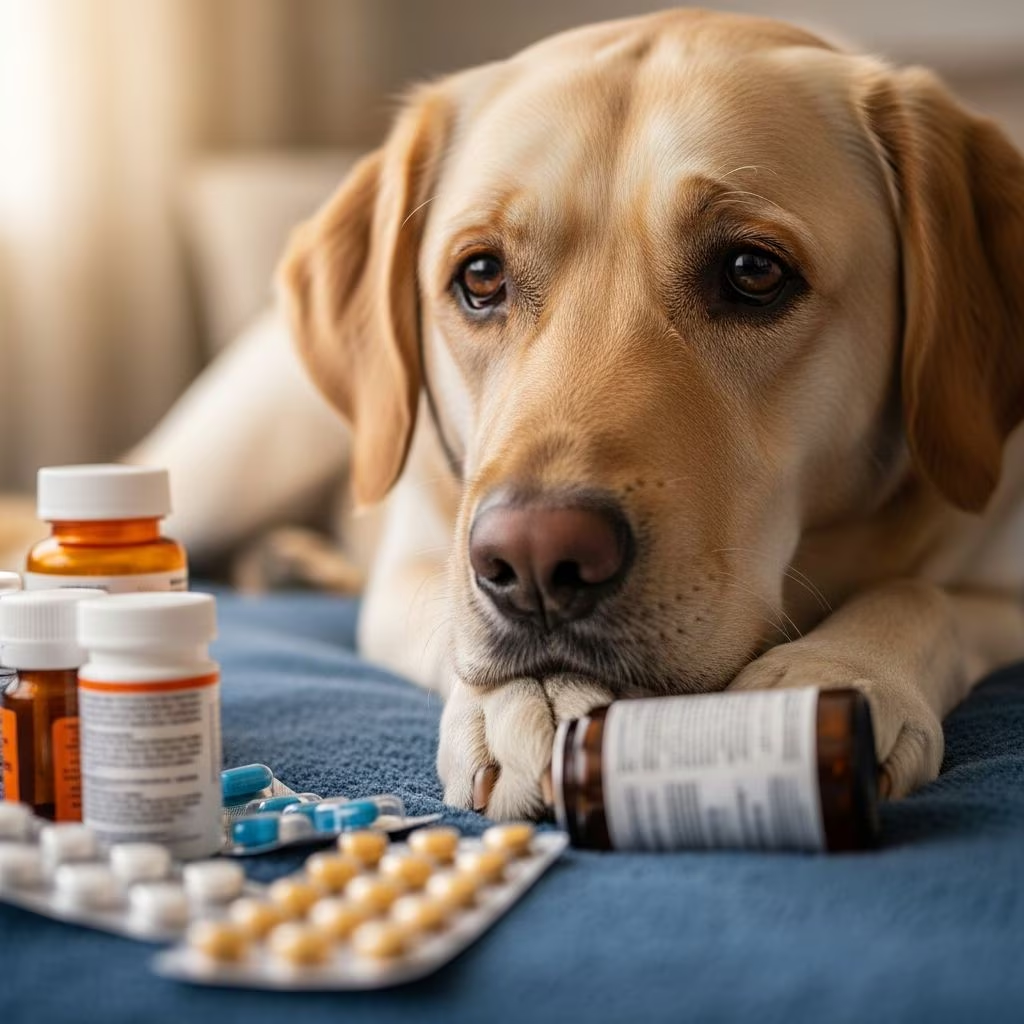
Are Over-the-Counter Medications Safe for My Dog?
Many pet owners face the temptation to treat their dog’s discomfort using over-the-counter medications found in their home medicine cabinet. While this might seem like a convenient and cost-effective solution, giving your dog human medications without veterinary guidance can be extremely dangerous. Understanding the risks and knowing which medications, if any, are safe for your canine companion is essential for responsible pet ownership.
Can I Give My Dog Over-the-Counter Medications?
You should not give any over-the-counter (OTC) medications without confirming they are safe to use in your dog, for several important reasons. The decision to administer any medication to your pet should always involve professional veterinary input to ensure your dog’s safety and well-being.
Why Veterinary Consultation Is Essential
First, human doses and dog doses are dramatically different. What might be a safe dose for an adult human could be toxic or even lethal for a dog, depending on the dog’s weight, age, and overall health status. Dogs metabolize medications differently than humans do, meaning their bodies process drugs in unique ways that often create dangerous compounds.
Second, certain drugs used together can cause dangerous interactions, so your veterinarian should review your dog’s complete medical record to prevent any predictable adverse events. If your dog is already taking prescription medications for chronic conditions, adding an OTC medication without professional guidance could result in serious complications. Your vet needs to understand your dog’s full medical history, including any allergies, kidney disease, liver problems, or other conditions that might make certain medications unsafe.
Over-the-Counter Antihistamines for Dogs
Antihistamines are among the more commonly recommended OTC medications that may be used in dogs under proper veterinary guidance. These medications can help manage allergies, itching, and allergic reactions when prescribed at the correct dose by a veterinarian.
Important Considerations for Antihistamines
OTC antihistamines may contain other ingredients, such as decongestants, that are not safe for dogs. When considering any antihistamine product, you must read the label carefully to ensure that the product only contains antihistamine and no additional active ingredients. Check with your veterinary healthcare team to make sure that the antihistamine you have is suitable for your dog and that you know the appropriate dose to administer.
Common antihistamines that veterinarians may recommend for dogs include cetirizine (Zyrtec) and loratadine (Claritin), which are generally well-tolerated in dogs experiencing itching, allergies, and allergic reactions. However, even these relatively safe medications should only be given under veterinary supervision and at the correct dosage for your specific dog.
Anti-Diarrheals and Anti-Nauseants
Digestive upset is a common concern for dog owners, and many reach for familiar over-the-counter remedies. However, treating your dog’s digestive issues requires careful consideration.
Bismuth Subsalicylate (Pepto-Bismol®)
Bismuth subsalicylate is commonly kept in medicine cabinets for digestive upset and may be recommended by your veterinarian in certain situations. Your veterinarian may recommend giving your dog this medication and can provide the appropriate dosing based on your dog’s weight and condition. It is critically important to let your veterinarian know immediately if your dog vomits the bismuth subsalicylate, as this could indicate a more serious underlying condition requiring different treatment.
Acid-Reducing Medications
Stomach acid management is another area where some OTC human medications may have a role in veterinary care, though always under professional guidance.
Famotidine (Pepcid AC®) and Cimetidine (Tagamet®)
These medications are used to treat or prevent heartburn in people, and they will affect dogs as well. By decreasing the production of gastrointestinal acids, these medications can make dogs feel better when dealing with certain digestive issues. Your veterinarian may recommend using them intermittently for dietary indiscretions or other conditions that cause gastric upset.
However, if your dog’s stomach issues persist despite treatment, it is essential to see your veterinarian again to reassess your dog’s care. Persistent digestive problems may indicate a more serious underlying condition that requires different treatment or investigation.
Over-the-Counter Medications That Are Dangerous for Dogs
While some OTC medications may be safe under veterinary guidance, many common human medications are extremely dangerous for dogs and should never be administered without explicit veterinary approval.
Pain Relievers: NSAIDs and Other Analgesics
Non-steroidal anti-inflammatory drugs (NSAIDs) like ibuprofen and naproxen are among the most dangerous medications for dogs. Dogs cannot safely metabolize these medications the way humans do, and toxic chemicals are created in their bodies. These toxic effects can cause kidney failure, liver failure, severe stomach ulcers, and can even prevent the blood from carrying oxygen properly. Even a single dose can lead to life-threatening complications.
Acetaminophen (sold under brand names like Tylenol and Excedrin) is another common pain reliever that is toxic to dogs. Too much acetaminophen can lead to severe liver damage and affect the ability of red blood cells to carry oxygen, a condition known as methemoglobinemia. Additionally, OTC acetaminophen for humans is sometimes combined with allergy medications or other medications that may not be safe for your dog, making combination products particularly risky.
Cough Medicines
Over-the-counter human cough medications should never be given to dogs. Many of these products contain xylitol, an artificial sweetener that is highly toxic to dogs and can cause severe hypoglycemia and liver failure. Cough suppressants may also include other medications like acetaminophen or NSAIDs that can be dangerous for dogs. Chronic coughing in dogs is never normal and always needs to be checked out by your veterinarian, as it may indicate serious underlying conditions such as congestive heart failure or cancer.
Artificial Tears and Eye Medications
Among OTC human medications, artificial tears represent one of the safest options for dogs when used appropriately. Artificial tears can help lubricate a dog’s eye if they have dry eye or help remove dust particles or other foreign bodies from the eye. These products have minimal side effects for dogs, though you should still confirm with your veterinarian that the specific product you plan to use is appropriate for your dog.
Critical Safety Information About Dosing
One of the most important reasons to avoid giving your dog OTC medications without veterinary guidance involves proper dosing. While veterinary medicines are dosed based on your dog’s weight, human medications are often dosed based on age or a standard adult dose. This fundamental difference means that medications deemed safe for humans may be dangerous for dogs, and the correct dose for a human child might still be excessive or insufficient for a dog of similar weight.
The smaller your dog, the greater the risk from even tiny amounts of medication. A dose that seems insignificant could be life-threatening to a small breed dog. Conversely, larger breeds might require different dosing considerations than smaller dogs.
Dog-Specific Medications: The Safer Alternative
Because human NSAIDs and other common pain relievers cannot be safely used for pain management in pets, animal pharmaceutical companies have developed very effective medications specifically designed for dogs. These medications are formulated to work with your dog’s metabolism and have a lower risk of side effects compared to human medications. These dog-safe medications are available from any veterinarian and are the preferred choice for managing your dog’s pain and other health conditions.
When to Consult Your Veterinarian
Pet owners should consult with their veterinarian before giving any human over-the-counter medication to their pet. Your veterinarian will know how to assess your pet’s potential underlying health issues, possible interactions with medications your pet already takes, and what the proper dose is for that particular dog. This consultation might seem inconvenient, but giving your dog an over-the-counter medication without professional guidance can cause more harm than good or even make your dog’s existing health condition worse.
Your veterinarian can help you understand whether your dog actually needs medication or if the symptoms indicate a need for different diagnostic testing or treatment approaches. They can also recommend the safest and most effective options specifically suited to your dog’s individual needs.
Frequently Asked Questions
Q: Can I give my dog Benadryl?
A: Benadryl (diphenhydramine) may be used for allergies or vaccine reactions in some dogs, but not all dogs should take it due to other health reasons. Always consult your veterinarian for the appropriate dose and to determine if it’s suitable for your dog’s specific situation.
Q: What should I do if my dog accidentally ingests human medication?
A: Contact your veterinarian immediately, even if your dog is not showing symptoms yet. Be prepared to share your dog’s weight, the medication name, and the approximate amount ingested. Time is critical in medication poisoning cases.
Q: Are there any OTC medications completely safe for dogs?
A: While some OTC medications like certain antihistamines and artificial tears may be used under veterinary guidance, no OTC medication should be given to your dog without first consulting your veterinarian. Always get professional approval before administering any medication.
Q: Why do dogs metabolize medications differently than humans?
A: Dogs lack certain enzymes needed to safely break down human medications. Their bodies process drugs differently, often creating toxic chemicals that can damage organs like the liver and kidneys.
Q: Can my veterinarian prescribe human medications for my dog?
A: Yes, veterinarians sometimes recommend human medications for dogs when they determine it is safe and appropriate. However, this decision is made based on your individual dog’s health status, and the veterinarian will provide proper dosing instructions.
Q: How quickly can OTC medications harm my dog?
A: Toxic effects from certain medications can begin within 1-2 hours after ingestion. Stomach damage can occur first, followed by kidney or liver problems within 24 hours, making rapid veterinary intervention essential.
Key Takeaways
The safety of over-the-counter medications for dogs is a nuanced topic that requires professional veterinary guidance for every situation. While a few OTC medications may be recommended by veterinarians under specific circumstances and at proper dosages, the vast majority of human over-the-counter medications are dangerous for dogs and should never be administered without explicit veterinary approval.
Always prioritize consulting with your veterinarian before giving your dog any medication. Your vet can assess your dog’s individual health status, review potential drug interactions, and provide appropriate alternatives specifically designed for canine use. When it comes to your dog’s health and safety, professional veterinary care is always the best choice.
References
- Are Over-the-Counter Medications Safe for My Dog? — VCA Hospitals. 2025. https://vcahospitals.com/know-your-pet/are-over-the-counter-medications-safe-for-my-dog
- Get the Facts about Pain Relievers for Pets — U.S. Food and Drug Administration (FDA). 2024. https://www.fda.gov/animal-veterinary/animal-health-literacy/get-facts-about-pain-relievers-pets
- Which Over-Counter Human Medications Are Safe for Dogs — PetMD. 2024. https://www.petmd.com/dog/general-health/which-over-counter-human-medications-are-safe-dogs
- The Emergency Risks of Over the Counter Pain Meds for Dogs — Global Society of Veterinary Support Staff. 2025. https://gsvs.org/blog/dog-pain-meds-emergency-risks/
- Human Medications Not for Pets — Veterinary Medicine at Illinois, University of Illinois. 2023. https://vetmed.illinois.edu/pet-health-columns/keep-human-medications-away-from-pets/
- Hidden Dangers of Over-the-Counter Medications — Hartford Animal Hospital New Jersey. 2024. https://hartfordanimalhospitalnj.com/hidden-dangers-of-over-the-counter-medications



