

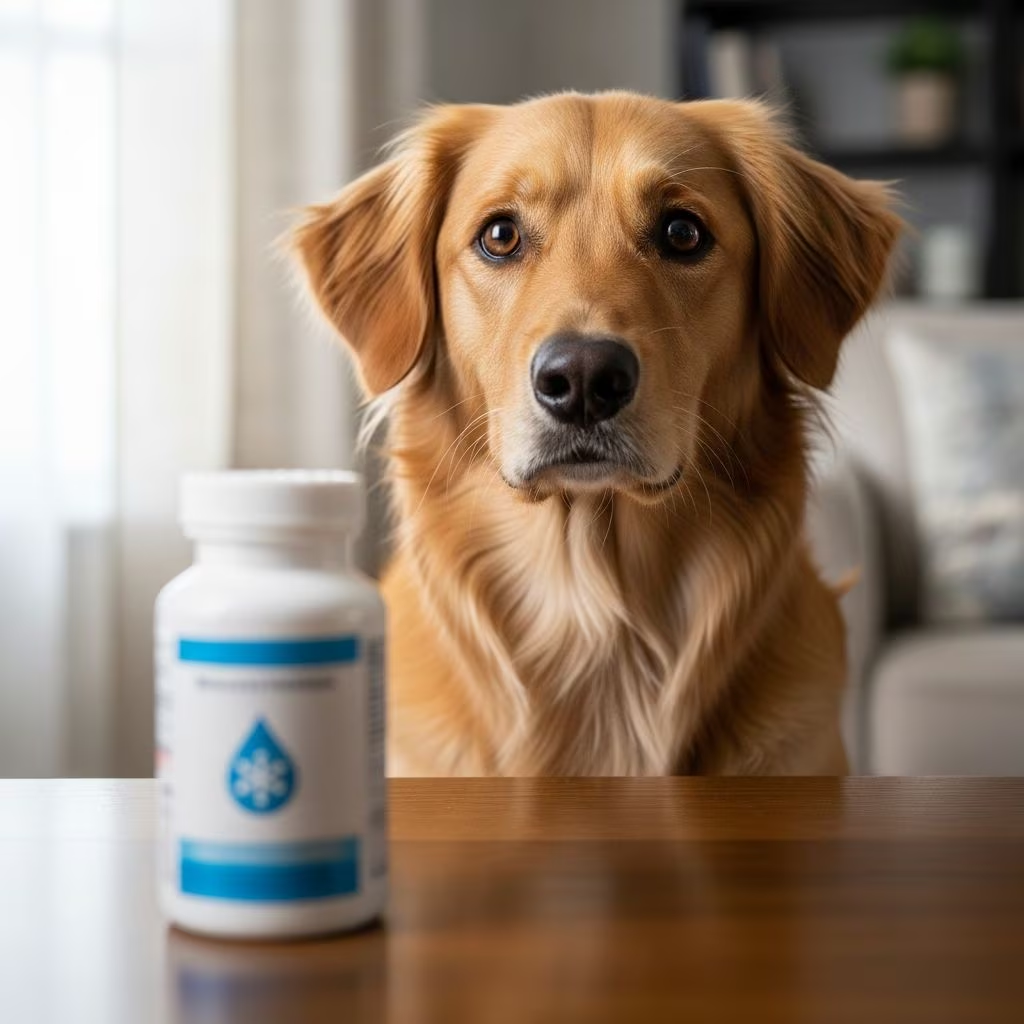
Can I Give My Dog Over-the-Counter Medications?
Many pet owners wonder whether they can give their dogs over-the-counter (OTC) medications to treat various health conditions. The straightforward answer is: you should not give any over-the-counter medications without first confirming they are safe to use in your dog. This is critically important for several reasons that every responsible pet owner should understand.
The dangers of administering OTC medications to dogs without veterinary approval are significant and can have serious consequences. Unlike human medications that are formulated and dosed for people, over-the-counter drugs intended for humans are not designed with dogs’ unique physiology in mind. Dogs metabolize medications differently than humans do, meaning that a dose that is safe for you could be dangerous or even fatal for your canine companion.
Why You Should Never Assume OTC Medications Are Safe for Dogs
There are three primary reasons why you should avoid giving your dog any OTC medication without veterinary consultation:
Dosage Differences Between Humans and Dogs
Human doses and dog doses are fundamentally different. While human medications are typically dosed based on age, veterinary medications are dosed based on your dog’s weight and individual health status. Simply calculating a smaller dose based on your dog’s size compared to human weight is not accurate and could result in overdosing or underdosing your pet. A veterinarian understands the proper dosing calculations and can determine the exact amount your dog needs based on their specific weight and health condition.
Drug Interactions and Medical History
Dogs that are already taking prescribed medications may experience dangerous interactions when combined with OTC drugs. Your veterinarian has access to your dog’s complete medical record and can review all medications to prevent predictable adverse events and harmful drug interactions. These interactions can range from reducing the effectiveness of existing treatments to causing serious health complications.
Many OTC Medications Are NOT Safe for Dogs
Perhaps the most critical reason is that many OTC medications are simply not safe for dogs. Do not assume that drugs are safe for your dog just because they can be purchased without a prescription at any drugstore. This dangerous assumption can lead to toxic effects that harm or even kill your pet. Some of the most common OTC medications people reach for are among the most dangerous for dogs.
Common OTC Medications That Are Dangerous for Dogs
Understanding which medications are toxic to dogs is essential for keeping your pet safe. Several popular OTC medications can cause serious harm:
Pain Relievers and NSAIDs
Out of all OTC medications, pain medications are among the most commonly reached for by pet parents—and some of the most dangerous. Non-steroidal anti-inflammatory drugs (NSAIDs) such as ibuprofen (Advil, Motrin) and naproxen (Aleve) are particularly hazardous. In dogs, NSAIDs are absorbed more quickly and metabolized more slowly than in humans, leading to dangerous toxic chemical accumulation in the body. These toxins can cause kidney failure, liver failure, stomach ulcers, and can even prevent blood from carrying oxygen properly. Even giving your dog a human-approved NSAID before consulting a veterinarian may prohibit your vet from prescribing more effective pain-control medications later.
Acetaminophen (Tylenol)
Acetaminophen is one of the most common pain-control medications on the market, but it is particularly dangerous for dogs. Dogs do not metabolize acetaminophen the way humans do. Too much acetaminophen can lead to liver damage and affect the ability of red blood cells to carry oxygen, a condition known as methemoglobinemia. OTC acetaminophen products for humans are also sometimes combined with allergy medications or other drugs that may not be safe for your dog, adding another layer of risk.
Decongestants
Decongestants such as Sudafed are toxic to dogs and can cause seizures. Many OTC antihistamine products contain decongestants as additional ingredients. If you are considering giving your dog an antihistamine, you must read the label carefully to ensure that the product only contains antihistamine and does not include any decongestants or other harmful additives. Always check with your veterinary healthcare team to make sure the antihistamine you have is suitable for your dog and that you know the appropriate dose.
Cough Medicines
Over-the-counter human cough medications should never be given to dogs. Many of these products contain xylitol, an artificial sweetener that is highly toxic to dogs. Cough suppressants may also include other medications like acetaminophen that can be dangerous for dogs. Additionally, chronic coughing in dogs is never normal and always needs to be checked out by a veterinarian, as it can indicate serious conditions such as congestive heart failure, cancer, or heart worm disease.
Anti-Nausea and Digestive Medications
While giving your dog Pepto Bismol isn’t immediately toxic, it can be dangerous if your dog breathes it into their lungs while vomiting. Pepto Bismol can also make it harder for your vet to get an accurate x-ray if one is needed, which may make it harder to diagnose a dog that has swallowed foreign material. For all of these reasons, anti-nausea medications should only be given or prescribed by a veterinarian.
Aspirin
Aspirin has dangerous interactions with some commonly used veterinary medications such as Rimadyl, Metacam, and prednisone. Even a single dose of aspirin can take 10 full days before the effects are cleared from a dog’s system. Never give aspirin without calling your veterinarian first, unless specifically instructed to do so by your vet in an emergency situation.
Over-the-Counter Antihistamines for Dogs
Antihistamines are among the few OTC medications that may be safe for dogs when used appropriately. Cetirizine (Zyrtec) and loratadine (Claritin) are generally well-tolerated in dogs experiencing itching, allergies, and allergic reactions. However, it is essential to be cautious when selecting these products.
Many OTC antihistamine formulations contain additional ingredients such as decongestants that are not safe for dogs. Before giving your dog any antihistamine, carefully read the product label to ensure it contains only the antihistamine ingredient. Always confirm with your veterinary healthcare team that the specific antihistamine product you have is suitable for your dog and obtain the correct dose based on your dog’s weight and health status.
Veterinary-Approved Pain Management for Dogs
When your dog needs pain relief, veterinarians have developed safer alternatives specifically designed for canine use. Because human NSAIDs cannot be safely used for pain management in most dogs, animal pharmaceutical companies have developed very effective NSAIDs for dogs that have a lower risk of side effects.
FDA-Approved NSAIDs for Dogs
Current FDA-approved NSAIDs specifically for dogs include:
- Carprofen (brand names: Rimadyl, Vetprofen)
- Grapiprant (brand name: Galliprant)
These NSAIDs are often prescribed to dogs suffering from chronic pain associated with osteoarthritis or to help control pain after surgery. Although these products are approved for use in dogs, they are not completely without risk. Even when appropriately dosed, NSAIDs can cause injury in dogs with pre-existing liver and kidney disease, which is why veterinary supervision is essential.
Other Veterinary Pain Management Options
In addition to dog-specific NSAIDs, veterinarians may prescribe gabapentin and opioids such as tramadol for pain management. These medications are formulated and dosed specifically for canine use and represent safer alternatives to human OTC pain medications.
Other OTC Medications That May Be Safe for Dogs
There are a few OTC medications that veterinarians may recommend for certain conditions, though it is never advisable to assume it is okay to use any medication without veterinary guidance:
Artificial Tears
Artificial tears can help lubricate a dog’s eye if they have dry eye or help remove dust particles and other foreign bodies from the eye. These products have minimal side effects for dogs when used as directed.
Topical Antibiotic Ointments
Products like Neosporin may be used for minor cuts or scrapes under veterinary guidance, though your vet may recommend alternatives better suited for dogs.
Chlorhexidine
This antiseptic solution may be recommended by vets for wound cleaning or other topical applications.
Benadryl
Veterinarians sometimes use Benadryl (diphenhydramine) for allergies or vaccine reactions. However, some dogs shouldn’t take Benadryl due to other health conditions, so veterinary approval is necessary.
Storage and Prevention of Accidental Ingestion
Pets can also get into medications accidentally. A pill dropped on the ground or a medicine bottle left on the counter or nightstand can look tempting to your curious pup. The toxic effects of human medications in dogs can range from gastrointestinal upset (vomiting and diarrhea) to more serious problems like seizures or liver or kidney failure if not treated quickly once ingested by your dog. It is important to keep all medications securely stored and away from your dog at all times.
What to Do If Your Dog Ingests an OTC Medication
If you know or suspect your dog has ingested an OTC medication, take immediate action:
- Call your veterinarian immediately
- Contact an emergency veterinary clinic if your regular vet is unavailable
- Call a pet poison hotline for immediate guidance
- Have the medication bottle or package available to share information about what was ingested
- Note the approximate time of ingestion
- Be prepared to transport your dog to a veterinary facility quickly if advised
If too much time has passed and your dog has already absorbed the medication or is showing signs of poisoning, very aggressive therapy may be needed and is not always successful. This underscores the importance of prevention through secure storage.
Frequently Asked Questions About OTC Medications for Dogs
Q: Can I give my dog the same dose of an OTC medication that I take, just in a smaller amount?
A: No. Simply reducing a human dose based on your dog’s weight is not accurate and can result in overdosing or underdosing your pet. Veterinary medications are calculated based on your dog’s weight and specific health status. Always consult your veterinarian for the correct dose.
Q: What should I do if my dog needs pain relief?
A: Contact your veterinarian, who can prescribe dog-specific NSAIDs or other appropriate pain management medications that have been formulated and tested for safe use in dogs.
Q: Are there any OTC medications that are completely safe for dogs?
A: A very few OTC medications like artificial tears may be used with veterinary guidance, but even these require professional approval. Most OTC medications intended for humans are not appropriate for dogs.
Q: Can my dog take the same antihistamine as me?
A: Some antihistamines like cetirizine or loratadine may be safe, but only if the product contains only antihistamine with no decongestants or other additives, and only at the dose recommended by your veterinarian based on your dog’s weight.
Q: What should I do if my dog accidentally eats an OTC medication?
A: Contact your veterinarian, emergency veterinary clinic, or pet poison hotline immediately. Have the medication information available and be ready to describe when and how much was ingested.
Q: Why can’t I just give my dog Ibuprofen for arthritis?
A: Ibuprofen and other human NSAIDs are metabolized differently in dogs and can cause stomach ulcers, kidney failure, and liver damage. Veterinarians have developed safer NSAID alternatives specifically for dogs that are much more effective and appropriate.
Key Takeaways
The safety of your dog depends on making informed decisions about medication use. Here are the most important points to remember:
- Never give any OTC medication without veterinary approval, regardless of how safe it seems
- Dogs metabolize medications differently than humans, making most human OTC drugs unsafe
- Common pain relievers like ibuprofen, naproxen, and acetaminophen are particularly dangerous for dogs
- Your veterinarian has safer, dog-specific alternatives for managing pain and other conditions
- Always read medication labels carefully, as many OTC products contain multiple ingredients that may not all be safe for dogs
- Store all medications securely away from your dog to prevent accidental ingestion
- Contact your veterinarian immediately if your dog ingests any OTC medication
When it comes to your dog’s health, the extra step of consulting with your veterinarian before administering any medication—even over-the-counter drugs—is always worth the effort. Your vet can assess your dog’s individual health status, current medications, and specific needs to recommend the safest and most effective treatment options. By working closely with your veterinary healthcare team, you can ensure that your dog receives appropriate care while avoiding the serious risks associated with inappropriate OTC medication use.
References
- Over-the-Counter (OTC) Medications That May Be Safe for Dogs — VCA Hospitals. https://vcahospitals.com/know-your-pet/are-over-the-counter-medications-safe-for-my-dog
- OTC Human Medications Safe for Dogs — PetMD. https://www.petmd.com/dog/general-health/which-over-counter-human-medications-are-safe-dogs
- Human Medications That Aren’t Safe for Dogs — Zoetis Petcare. https://www.zoetispetcare.com/blog/article/human-medications-not-safe-dogs
- Get the Facts about Pain Relievers for Pets — U.S. Food and Drug Administration (FDA). https://www.fda.gov/animal-veterinary/animal-health-literacy/get-facts-about-pain-relievers-pets
- Hidden Dangers of Over-the-Counter Medications — Hartford Animal Hospital, NJ. https://hartfordanimalhospitalnj.com/hidden-dangers-of-over-the-counter-medications
- Keep Human Medications Away from Pets — University of Illinois College of Veterinary Medicine. https://vetmed.illinois.edu/pet-health-columns/keep-human-medications-away-from-pets/



