Are Over-the-Counter Medications Safe for My Cat?
Learn which OTC medications are dangerous for cats and safe alternatives for feline pain relief.
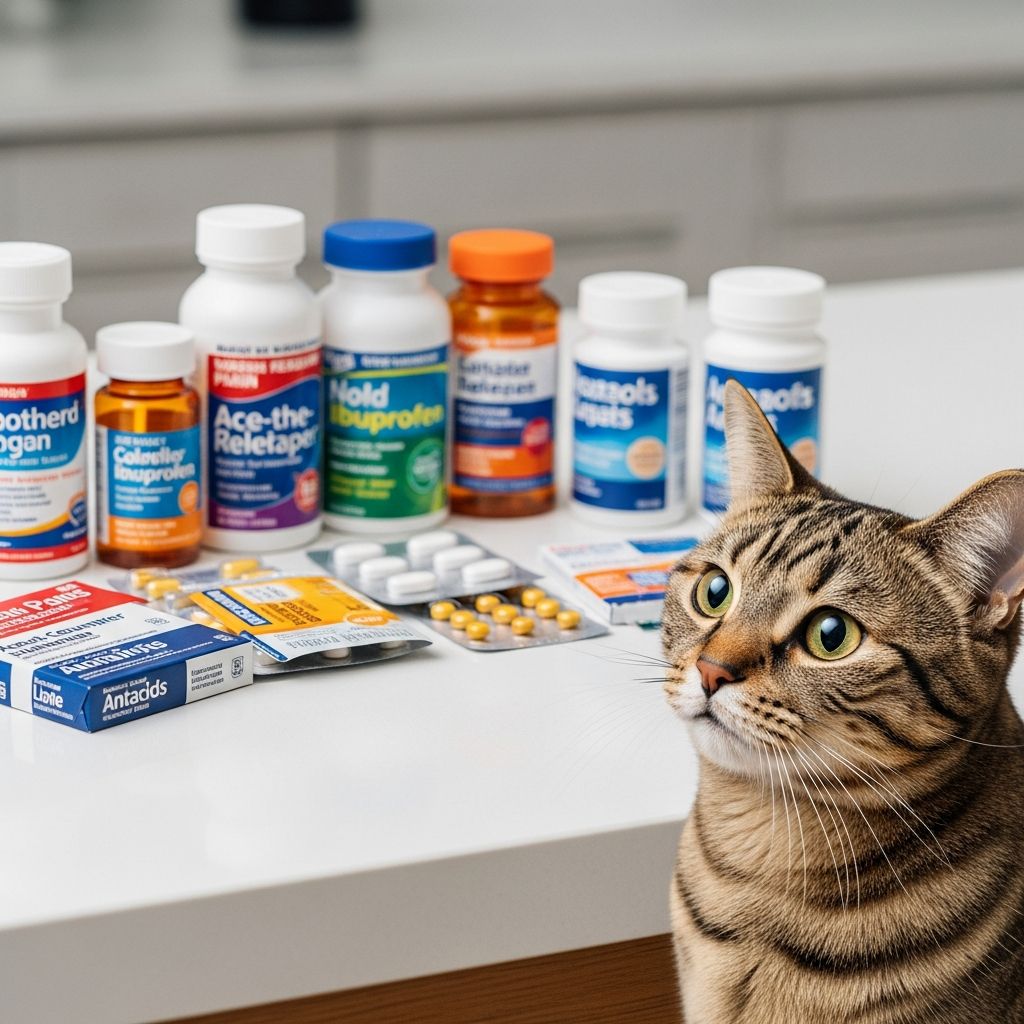
As we head into another cold and flu season, chances are you’ll be exposed to various illnesses. With colds and flus come over-the-counter (OTC) medications to help humans feel better. However, many of these medications that are safe for people can be extremely dangerous—even fatal—for your cat. It’s crucial for cat owners to understand which medications pose serious health risks to their feline companions and what safe alternatives exist for treating common ailments.
The fundamental challenge with giving human medications to cats lies in how their bodies process these drugs. Cats have a unique metabolism that differs significantly from humans, making them particularly vulnerable to medication toxicity. Many cat owners assume that if a medication is safe for them, it must be safe for their pets—a dangerous misconception that can lead to serious health consequences.
The Top Five Most Dangerous OTC Medications for Cats
Understanding which over-the-counter medications are most hazardous to cats is essential for pet owners. The following five categories represent the most common and dangerous OTC drugs that can severely harm or even kill your cat.
1. Non-Steroidal Anti-Inflammatory Drugs (NSAIDs)
NSAIDs are among the most dangerous medication classes for cats and represent the single greatest risk of OTC medication toxicity in felines. Common NSAIDs available over the counter include ibuprofen (Advil, Motrin), naproxen (Aleve), and aspirin. While these medications are widely used by humans for pain relief and inflammation reduction, they can be catastrophically toxic to cats, even in very small doses.
When cats ingest NSAIDs, their bodies cannot metabolize these drugs safely, leading to the creation of toxic chemicals within their system. The consequences can be severe and life-threatening, including:
- Gastrointestinal ulceration and bleeding
- Acute kidney failure
- Liver damage
- Seizures
- Death
Cats are particularly sensitive to NSAIDs because they lack certain enzymes needed to metabolize these medications safely. In fact, even half a tablet of ibuprofen can result in severe acute kidney failure and stomach ulcers in cats. The FDA emphasizes that no over-the-counter NSAIDs for cats are FDA-approved, and any NSAID marketed without a veterinary prescription is an unapproved animal drug that may not meet strict safety standards.
2. Acetaminophen (Tylenol)
Acetaminophen is absolutely forbidden for cats and represents one of the most consistently fatal medications when administered to felines. Unlike dogs, who may tolerate acetaminophen in very specific, controlled doses under veterinary supervision, cats should never receive this medication under any circumstances.
The reason acetaminophen is so toxic to cats lies in their unique liver metabolism. Cats lack certain enzymes in their liver that are necessary to safely break down acetaminophen. When a cat ingests Tylenol, the drug is absorbed into the bloodstream and transported to the liver, where it cannot be properly metabolized. This metabolic dysfunction leads to liver failure, which is often fatal. Even small doses of acetaminophen can cause severe, irreversible liver damage in cats.
3. Decongestants
Over-the-counter decongestants such as Sudafed (pseudoephedrine) and phenylephrine can cause extremely dangerous changes to your cat’s heart rate and blood pressure. These medications work as stimulants in cats, potentially causing serious cardiovascular complications. Pseudoephedrine and similar decongestants found in many cold remedies can lead to life-threatening cardiac events in felines and should never be given to cats without explicit veterinary guidance.
4. Aspirin and Pepto-Bismol
Similar to acetaminophen and ibuprofen, aspirin and Pepto-Bismol are highly toxic to cats. Both medications contain salicylates, which can cause respiratory failure and dangerous elevations in blood sugar (hyperglycemia) in felines. Pepto-Bismol is particularly dangerous because even as little as half a tablespoon can be poisonous to cats. Additionally, Pepto-Bismol and Kaopectate can cause gastric ulcers and kidney failure with chronic use.
5. Triple Antibiotic Ointment (Neosporin)
While many people instinctively reach for triple antibiotic ointment like Neosporin to treat minor wounds on their cats, this seemingly benign topical medication can be dangerous. Although anaphylactic reactions are rare, cats can develop severe, life-threatening allergic reactions to the ingredients within triple antibiotic ointment. This is why veterinary professionals rarely prescribe it, even for eye use. Never use your own medication—or another pet’s medication—on your cat without consulting your veterinarian.
Why Cats Are More Susceptible to Medication Toxicity
Cats possess fundamentally different physiology and metabolism compared to humans and even dogs. These species differences mean that the safety and efficacy of certain OTC medications vary dramatically across species. Some medications safe for dogs can be toxic to cats due to differences in drug metabolism and sensitivity.
The primary reason for feline vulnerability is that cats lack certain hepatic enzymes—proteins in the liver that break down specific drug compounds. Without these enzymes, medications accumulate in the cat’s body at toxic levels, causing organ damage and system failure. Additionally, cats have a more sensitive cardiovascular system and more delicate kidney function than humans, making them more prone to medication side effects.
OTC Medications That May Be Safer With Veterinary Guidance
While most OTC medications should be avoided, a few categories of over-the-counter drugs may be appropriate for cats when used under veterinary supervision and at proper dosages. These medications include:
- Antihistamines: Benadryl (diphenhydramine), Zyrtec (cetirizine), Claritin (loratadine), and Allegra (fexofenadine) can be useful for mild allergies in cats, though dogs and cats require much different doses than humans. Avoid decongestant formulations (Benadryl-D, etc.), as these can be lethal to pets.
- Famotidine (Pepcid): This acid-reducing medication may be recommended by veterinarians for certain gastrointestinal issues in cats.
However, even these seemingly safer options should only be administered under veterinary direction. Your veterinarian will determine appropriate dosages and ensure the medication won’t interact with any other conditions or medications your cat may have.
What Should You Do If Your Cat Ingests OTC Medication?
If you suspect your cat has ingested an over-the-counter medication, immediate action is critical. Contact your veterinarian or the ASPCA Animal Poison Control Center right away. Do not wait for symptoms to appear, as by the time signs of poisoning become visible, significant damage may have already occurred.
With known medication ingestion, it’s important to get your cat to the veterinarian immediately. If too much time has passed and your cat has already absorbed the medication or is showing signs of poisoning, very aggressive therapy is needed, though it is not always successful. Quick intervention can make the difference between recovery and fatal organ damage.
Safe Pain Relief Alternatives for Cats
Fortunately, because human NSAIDs cannot be safely used for pain management in cats, animal pharmaceutical companies have developed very effective NSAIDs specifically formulated for felines that have a lower risk of side effects. These prescription medications are available from any veterinarian and are FDA-approved for use in cats.
The FDA currently approves certain NSAIDs for short-term use in cats. However, it’s important to note that no NSAIDs are currently FDA-approved for long-term use in cats, as cats are especially sensitive to the side effects of these medications. Additionally, cats should never be given more than one dose of meloxicam, as more than one dose can cause kidney failure or death.
Your veterinarian can recommend appropriate pain management options tailored to your cat’s specific condition, age, and health status. These may include prescription NSAIDs, other pain medications, or complementary therapies designed specifically for feline use.
Prevention and Best Practices
The best approach to protecting your cat from medication toxicity is prevention. Store all medications—both human and pet medications—in a secure location out of reach of children, dogs, cats, and other animals to prevent accidental ingestion or overdose. Never assume that a medication is safe for your cat simply because it’s available over the counter or because it works for you or your other pets.
Make it a habit to consult with your veterinarian before giving your cat any medication, including over-the-counter options. Your veterinarian understands your cat’s individual health needs and can recommend safe, effective treatment options. When your cat is in pain or uncomfortable, resist the urge to self-treat and instead seek professional veterinary guidance.
Frequently Asked Questions (FAQs)
Q: Can I give my cat ibuprofen for pain?
A: No, absolutely not. Ibuprofen is highly toxic to cats and can cause kidney failure, liver damage, gastrointestinal ulceration, and death. Even half a tablet can cause severe acute kidney failure and stomach ulcers. Always consult your veterinarian for safe pain relief options.
Q: Is acetaminophen safe for cats?
A: No. Acetaminophen is fatal to cats. Cats lack the liver enzymes necessary to safely metabolize this medication, and it will cause irreversible liver failure. Never give Tylenol or any acetaminophen-containing product to your cat.
Q: Can I give my cat Pepto-Bismol for an upset stomach?
A: No. Pepto-Bismol contains salicylates and can be poisonous to cats. As little as half a tablespoon can be toxic and cause gastric ulcers, kidney failure, respiratory problems, and dangerous blood sugar elevations. Contact your veterinarian for appropriate digestive support.
Q: What can I give my cat for allergies?
A: Certain antihistamines like Benadryl, Zyrtec, and Claritin may be appropriate for mild allergies in cats, but only at proper veterinary-recommended dosages. Always consult your veterinarian before administering any medication. Avoid products containing decongestants, as these can be lethal to cats.
Q: Can I use Neosporin on my cat’s wound?
A: It’s best to avoid triple antibiotic ointment on cats. While severe reactions are rare, cats can develop life-threatening anaphylactic reactions to these products. Consult your veterinarian for safe wound care recommendations appropriate for your cat.
Q: What should I do if my cat accidentally ingests an OTC medication?
A: Contact your veterinarian or the ASPCA Animal Poison Control Center immediately. Don’t wait for symptoms to appear. Quick intervention is critical, as early aggressive treatment may prevent serious organ damage or death.
Q: Are there safe NSAIDs for cats?
A: Yes. Veterinarians can prescribe FDA-approved NSAIDs specifically formulated for cats. However, these are only approved for short-term use, and cats should never receive more than one dose of certain NSAIDs like meloxicam. Always follow your veterinarian’s dosing instructions carefully.
Q: Why are cats more sensitive to medications than humans?
A: Cats lack certain liver enzymes that humans possess, preventing them from safely metabolizing many medications. This unique feline metabolism makes them particularly vulnerable to medication toxicity, even at doses that would be safe for humans or dogs.
References
- The Dangers of Over-the-Counter Medications for Pets — Temecula Valley Animal Hospital. https://temeculavalleyanimalhospital.com/the-dangers-of-over-the-counter-medications-for-pets/
- At-Home Use of Over-The-Counter Medications for Pets — Mission Lakeshore Animal Hospital. https://mlahvet.com/2022/04/at-home-use-of-over-the-counter-medications-for-pets/
- Get the Facts about Pain Relievers for Pets — U.S. Food and Drug Administration (FDA). https://www.fda.gov/animal-veterinary/animal-health-literacy/get-facts-about-pain-relievers-pets
- Over-The-Counter Medication: Is it Safe for My Pet? — BSM Partners. https://www.bsmpartners.net/insights/over-the-counter-medication-is-it-safe-for-my-pet/
- Top 10 OTC & Prescription Medications Toxic to Cats — Whisker. https://www.whisker.com/blog/medications-toxic-to-cats
- Common Medications That Are Safe for Your Cat — National Council of Prescription Drug Programs (NCPA). https://www.ncpa.co/pdf/do-14-cat-sheet-non-branded.pdf
- Hidden Dangers of Over-the-Counter Medications — Hartford Animal Hospital NJ. https://hartfordanimalhospitalnj.com/hidden-dangers-of-over-the-counter-medications
Similar Articles







Read full bio of medha deb